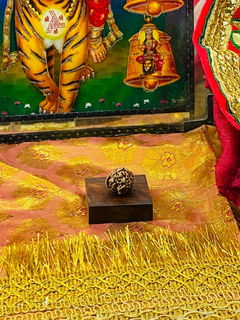


5 Mukhi Rudraksha
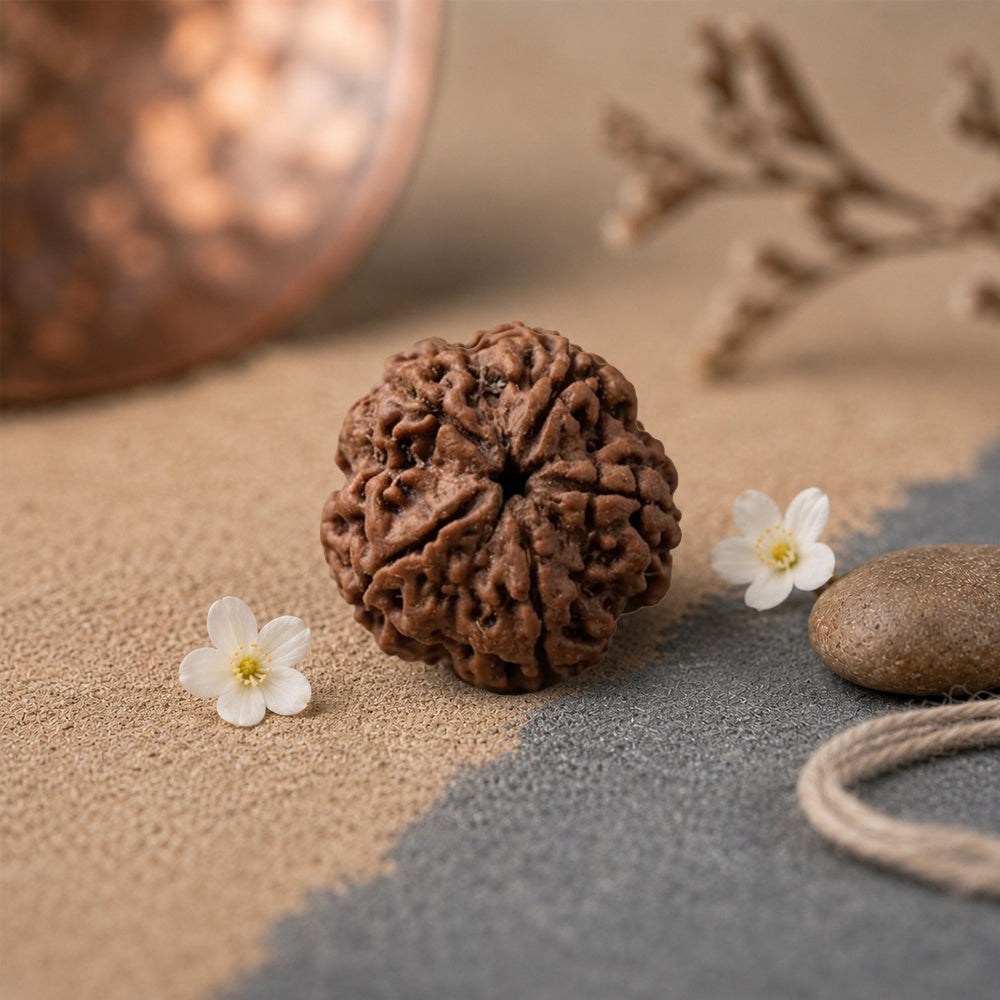
Panchmukhi Rudraksha is a five-faced Rudraksha bead, representing the five faces of Lord Shiva.
Of every Rudraksha that grows on this earth, Shiva made sure this one would never be out of reach. No age, gender, caste, or gotra was ever asked to wait for it, and some scriptures open it even to animals. This was the one blessing he left open to everyone. Whether you're a student, a BP or heart patient, or a seeker looking for spiritual progress, this Rudraksha is for you.
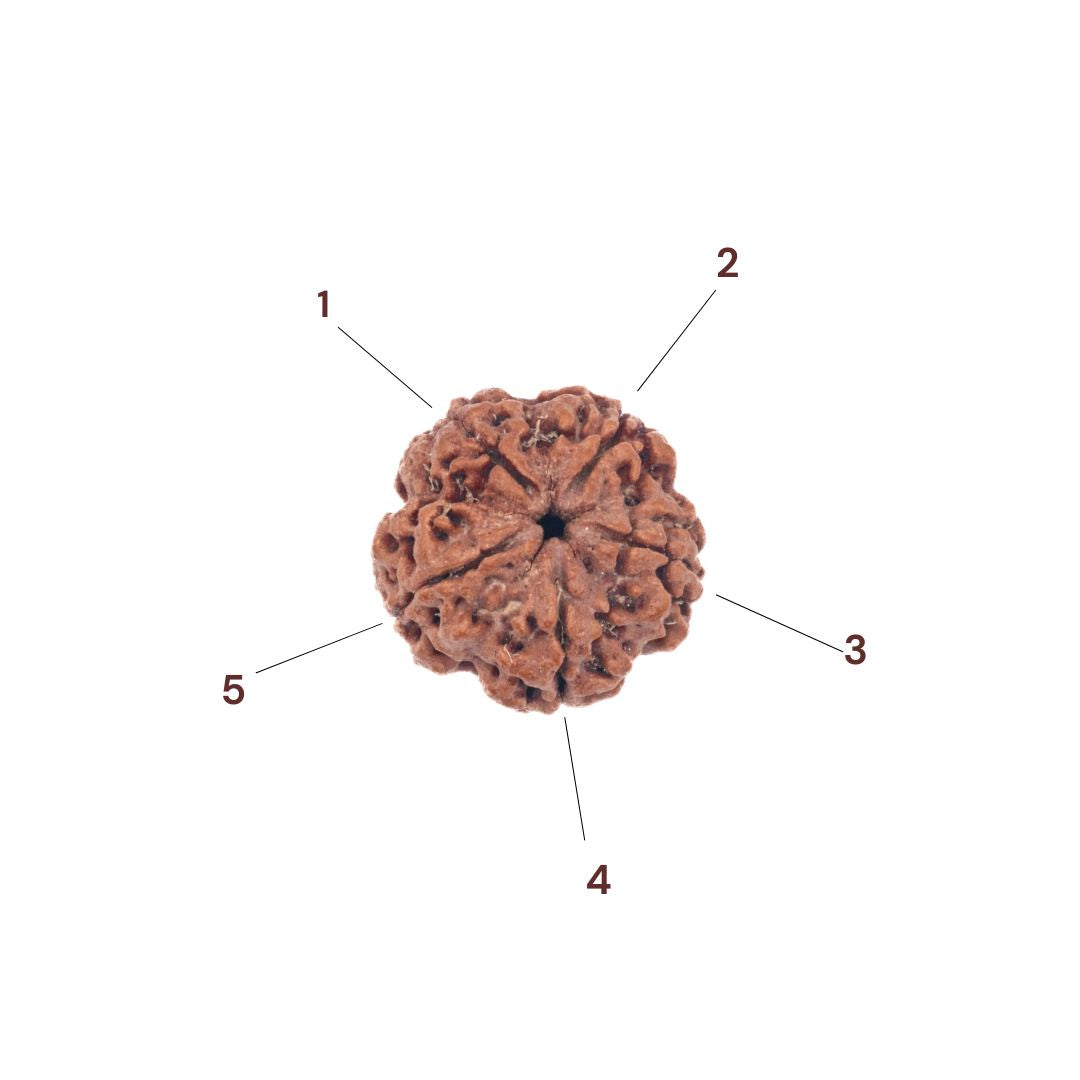
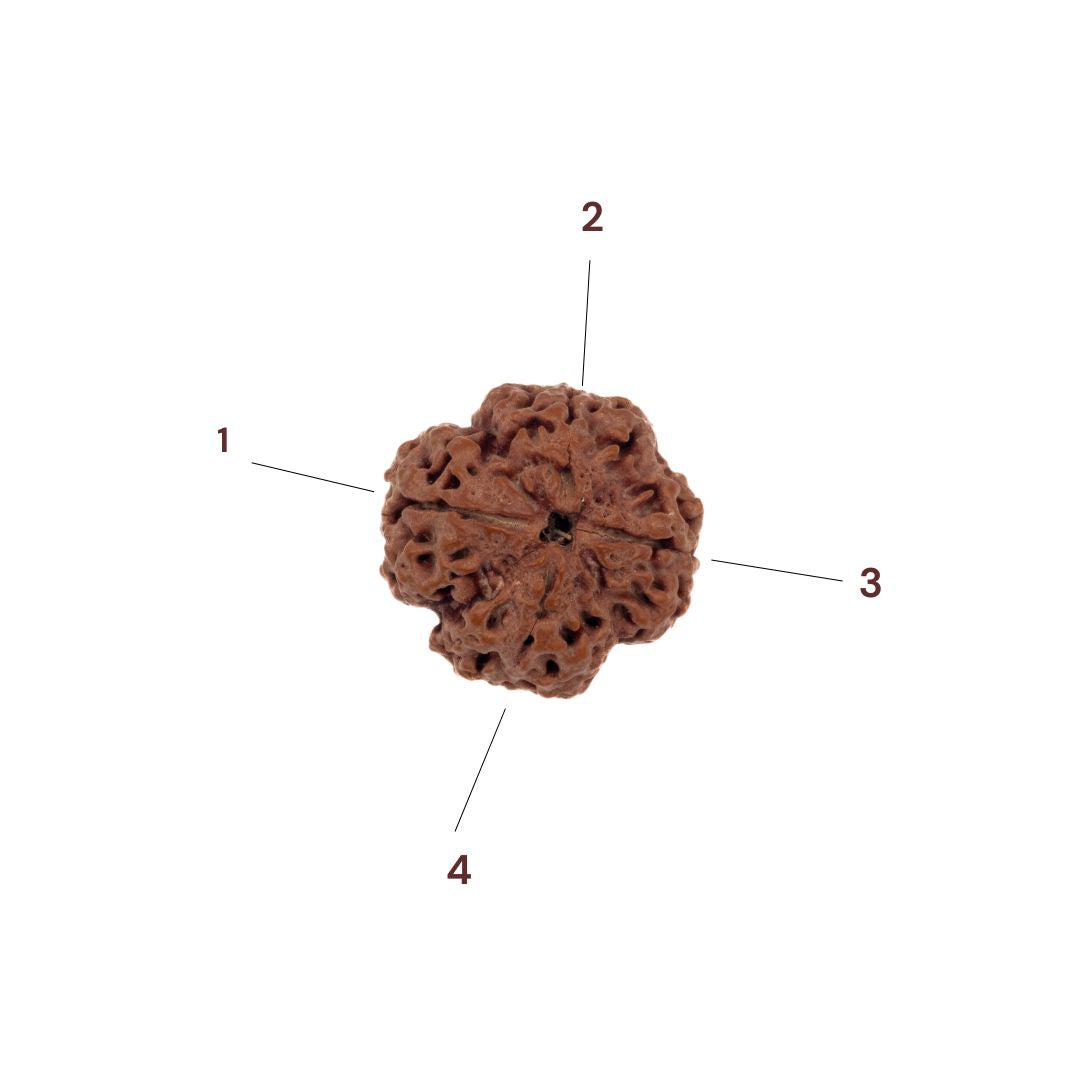
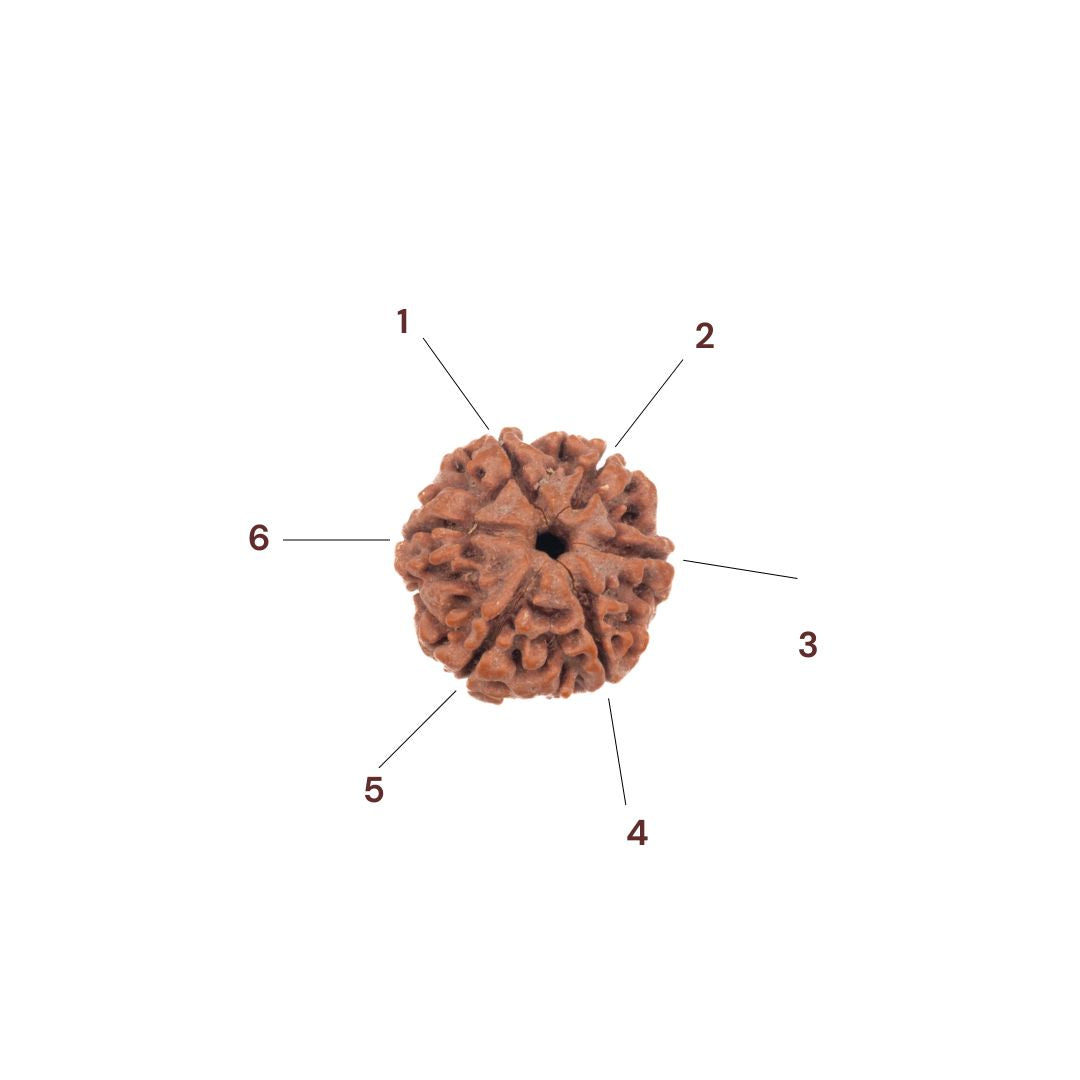
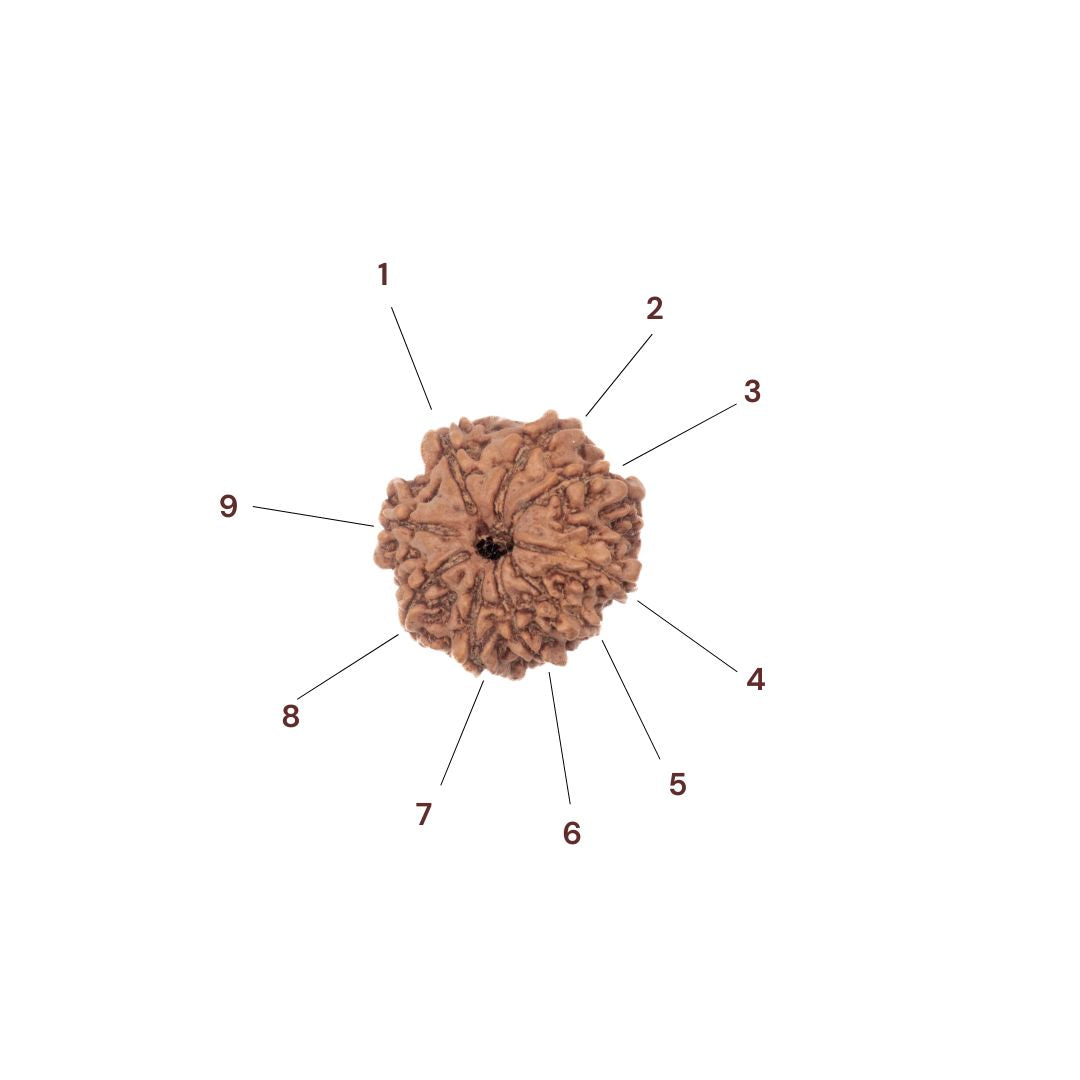
It is a seed of the Elaeocarpus ganitrus tree, and it grows with five natural faces, called mukhis. Panch means five, and Mukhi means face, so Panchmukhi is simply the five-faced one.
According to the Shiv Mahapurana, the five-faced Rudraksha is Rudra himself, known by the name Kalagni. It grants all liberation and fulfils all desires.
5 Mukhi Rudraksha Origin: Shiva's First Blessing to Mankind
Just like any other Rudrakshas, 5 Mukhi Rudraksha is the seed of the Elaeocarpus ganitrus tree of the Himalayan foothills. Its blue fruit dries and falls away, and the grooved stone left behind is the Rudraksha bead we wear.
Science can tell us what the bead is, but to know why it’s sacred, Shiva Mahapurana takes us back to an older story. Lord Shiva tells it to Maa Parvati himself, in the Vidyeshvara Samhita. He had sat in tapasya for thousands of years, building the force of the Aghora-astra to destroy the demon Tripurasura. When he finally opened his eyes, tears fell. Where they touched the earth, the first Rudraksha tree rose.
शिवमहापुराणम्, विद्येश्वर संहिता
मया बहुसहस्राणि वर्षाणां परमेश्वरि।
निमीलितनयनस्याशु नेत्राभ्यां पतिताः क्षितौ।
अश्रुबिन्दवस्ततो जाता रुद्राक्षा भुवि पार्वति॥
"O Parameshvari, after thousands of years of tapasya with closed eyes, when I opened them, drops of tears fell upon the earth. From those teardrops, O Parvati, the Rudraksha came into being."
The Shiva Mahapurana says Shiva has three eyes. The right is the sun, the Surya Netra. The left is the moon, the Soma Netra. The third, on his forehead, is fire, the Agni Netra. Rudraksha was born from the tears of all three, thirty-eight kinds in all. The five-faced bead came from the moon eye, and that is why it carries a natural coolness and calm. It settles the mind the way the moon settles the night.
The Rudraksha tree grows across the subtropical Himalayan belt and parts of Southeast Asia. The three main sources today are Nepal, India, and Indonesia.
Nepal is Shiva's own land. Pashupatinath, the living Panchavaktra Shiva temple, has stood in Kathmandu without interruption for thousands of years. The bead that grows here and the land it grows in share the same sacred energy.
The Sacred Number Five: Shiv and Panch
The number five runs through everything connected to Shiva. This is no accident. It lives in the elements that build the world, in the deities who hold it together, in the mountains he calls home and the temples where he appears. Five is his signature, pressed into the very order of creation. Among all the Rudrakshas, the Panchmukhi is the one that carries that signature completely.
Panch Tattva - Earth, Water, Fire, Air, and Ether
The five elements build the entire physical world: earth, water, fire, air and ether. Each face of the Panchmukhi answers to one of them, which makes the bead a small map of creation in a single seed.
Panch Devata - Shiva, Ganesha, Vishnu, Surya, Maa Durga
In Sanatan Dharma, there are five great deities who hold the universe in balance: Shiva, Ganesha, Vishnu, Surya, and Mata Durga. The Panchmukhi Rudraksha carries the blessings of all five. Most beads carry the energy of one deity. This one holds all five simultaneously.
Panch Kailash - Mount Kailash, Adi Kailash, Manimahesh Kailash, Kinner Kailash, Shrikhand Kailash
According to ancient scriptures, Shiva has five sacred mountain abodes: Kailash, Adi Kailash, Manimahesh Kailash, Kinner Kailash, and Shrikhand Mahadev. The wearer of this bead receives a connection to all five seats of Shiva's presence.
Panch Kedar - Kedarnath, Tungnath, Rudranath, Madhyamaheshwar, Kalpeshwar
After the Mahabharata war, Shiva appeared at five temples: Kedarnath, Tungnath, Rudranath, Madhyamaheshwar and Kalpeshwar, the five greatest seats of Shiva in the Himalayas. The Panchmukhi draws them into one.
The land where this bead originally grows is Nepal. It is the same land that holds the sacred Pashupatinath temple, the most ancient temple of Lord Shiva’s Panchavaktra Shiva form.
Panchavaktra is Lord Shiva’s five-faced form, and the Panchmukhi Rudraksha is his living form, growing in his own land, carrying his own signature.
Panchavaktra Shiva: The Five Faces of Shiva
Shiva is not limited to one name or one form. He holds the entirety of creation within himself through five cosmic faces, each governing one dimension of existence. This teaching comes from the Agamas and is foundational to all of Shaivism.
सद्योजातः ईशानः तत्पुरुषः अघोरः वामदेवश्च।
पञ्चदेवाः वसन्त्येते पञ्चमुखे रुद्राक्षे॥
(पद्मपुराणम्, सृष्टि खण्ड, अध्याय ५९, श्लोक १६०)
"Sadyojata, Ishana, Tatpurusha, Aghora, and Vamadeva, these five deities reside in the five-faced Rudraksha. This is why it is found in the greatest abundance on this earth."
Each of these five faces carries its own beej mantra, its own seed sound. Together they form the Panchakshara: न म शि व य, which gives us ॐ नमः शिवाय.
Na belongs to Sadyojata (Earth), Ma to Vamadeva (Water), Shi to Aghora (Fire), Va to Tatpurusha (Air), and Ya to Ishana (Ether). This is why Om Namah Shivaya is not simply a prayer. It is a map of Shiva's five cosmic functions, and it is the primary mantra of this bead.
The most famous temple of Panchavaktra Shiva is Pashupatinath temple in Nepal, where the Shivalinga itself has five faces. This is also why Nepal-origin Rudraksha holds a significance no other region can match.
What the Scriptures Say About 5 Mukhi Rudraksh?
These are not folk traditions or word-of-mouth beliefs. Every major claim about the Panchmukhi Rudraksha rests on the scriptures that are thousands of years old.
शिवमहापुराणम्, विद्येश्वर संहिता
पञ्चवक्त्रः स्वयं रुद्रः कालाग्निर्नामतः प्रभुः।
सर्वमुक्तिप्रदश्चैव सर्वकामफलप्रदः॥
"The five-faced Rudraksha is Rudra himself, known by the name Kalagni. It grants all forms of liberation and fulfills all desires."
अगम्यागमनं पापमभक्ष्यस्य च भक्षणम्।
इत्यादिसर्वपापानि पञ्चवक्त्रो व्यपोहति॥
"The sins arising from adultery and consuming forbidden food, and all sins of this kind, are destroyed by the five-faced Rudraksha."
सद्योजातः ईशानः तत्पुरुषः अघोरः वामदेवश्च।
पञ्चदेवाः वसन्त्येते पञ्चमुखे रुद्राक्षे॥
"Sadyojata, Ishana, Tatpurusha, Aghora, and Vamadeva, these five deities reside in the five-faced Rudraksha. This is why it is found in the greatest abundance on this earth."
श्रीमद्देवीभागवतपुराणम्
पञ्चमुखस्तु रुद्राक्षः पञ्चब्रह्म स्वरूपकः।
"The five-faced Rudraksha is the embodiment of the five forms of Brahman, the five aspects of Shiva."
5 Mukhi Rudraksha: Ruling Deity, Ruling Planet, Chakra, and More
The Adhishtatra Devta of Panchmukhi Rudraksh is Kalagni Rudra, the most fierce and purifying form of Shiva. Kala means time, Agni means fire, and together they describe a force that burns even what seems permanent. This is the energy this bead carries, and it is why the scriptures say it removes even the Panch Mahapatak, the five great sins that stain the soul at its deepest level.
Its ruling planet is Brihaspati, Jupiter, the Devguru. Jupiter governs wisdom, dharma, knowledge, and righteous prosperity. It also activates Vishuddha, the throat chakra, the energy center through which wisdom finds its voice.
Other Names: Panchmukhi Rudraksha, Five-Faced Rudraksha, Panchavaktra Rudraksha
Ruling Deity: Kalagni Rudra (the fierce, purifying form of Shiva)
Ruling Planet: Brihaspati (Jupiter)
Beeja Mantra: ॐ ह्रीं नमः (Shiva Mahapu
rana) / ॐ नमः शिवाय (Panchakshara)
Associated Chakra: Vishuddha (Throat Chakra)
Favorable Day: Monday (Somvar), Thursday (Brihaspativar)
Origin: Nepal (Himalayan belt), India (Uttarakhand, Assam), Indonesia (Java, Bali)
Associated Nakshatras: Punarvasu, Vishakha, Purva Bhadrapada (Jupiter-ruled)
Benefits of 5 Mukhi Rudraksha
The scriptures do not describe the Panchmukhi in vague terms. They are specific about what it does, and they place its effect on three levels, because the Vedic tradition never separated the soul from the mind or the mind from the body.
Spiritual Benefits
- Destruction of sins: It doesn’t suppress or postpone the consequences of sins. The Shiva Mahapurana says the
- Panchmukhi Rudraksha through the grace of Kalagni Rudra dissolves them at the root.
- Panch Mahapatak (Five great sins) Naash: Ancient texts describe the 5 great sins as Brahmahatya (killing a Brahmin), Surapaan (consuming intoxicants in excess), Suvarna Steya (stealing gold), Gurutalpa (violating the sanctity of the teacher's household), and associating with those who commit these sins. The five-faced rudraksha cleanses the Panch
- Mahapatak, the gravest stains a soul can carry.
- Protection from untimely death: This blessing appears across multiple texts and is one of the most consistently mentioned protections associated with this bead.
- A step toward moksha: The Padma Purana and Devi Bhagwat Purana describe it as the bead for those seeking liberation, loosening the soul's hold on samsara.
One more thing that people often miss: if someone does not have a Shivaling at home, wearing a mala of 54 or 108 Panchmukhi Rudraksha beads holds equivalent sacred standing. The mala itself becomes a living representation of Shiva's presence.
Emotional & Mental Health Benefits
- The calm of the moon eye: Born of Shiva's Soma Netra, his moon eye, this is the bead traditionally turned to for a quieter mind and steadier sleep.
- Jupiter's clarity: Ruled by Brihaspati, the Devguru, it is associated with sharper focus, stronger memory, and cleaner judgement.
- A steadier sense of self: Working on the Vishuddha, the throat centre, it is linked with quiet confidence and the ability to speak with conviction.
Physical Health Benefits
- Throat and breath: Through its hold on the Vishuddha, it is traditionally associated with thyroid balance and easier breathing.
- A settled system: Worn against the skin, it is linked in tradition with calmer blood pressure and a more relaxed nervous system.
Rudraksha Water Therapy (Jal Chikitsa)
According to the broader Ayurvedic traditions, you can place three Panchmukhi Rudraksha beads in a glass of clean water every evening and drink it the next morning on an empty stomach. This is particularly helpful for blood pressure, digestion, and mental steadiness. The bead does not dissolve. It simply transfers its energy to the water overnight.
Who Should Wear Panchmukhi Rudraksha
- The honest answer is everyone. No other Rudraksha in any scripture has been declared this universally open, no restriction of age, gender, caste, or gotra. But some people need it more urgently than others, and the table below makes that clear.
- Students and learners: Jupiter sharpens memory, focus, and retention
- Teachers, lawyers, judges, doctors: Strengthens judgment, clarity, and communication
- Those with malefic Jupiter: Most accessible correction, no gemstone restrictions
- People with fear, anxiety, low self-worth: Builds quiet inner confidence over time
- Pilgrims on Char Dham or Kailash Yatra: Traditional bead for sacred travel
- Those with BP, heart, respiratory, and diabetes concerns: Genuinely supportive alongside proper care
- Spiritual seekers and meditators: Deepens practice and inner stillness
- The elderly: Brings peace and nervous system support
- Children: Safe for any age, supports learning and emotional balance
How To Wear 5 Mukhi Rudraksha?
The Shiva Mahapurana is clear: wearing Rudraksha without mantra is a serious error. The mantra is not optional. With sincerity and the right mantra, even the first wearing begins something real.
Step 1: Shuddhi (Purification)
Wash the bead in Gangajal, Kailash Mansarovar Jal, or clean water. Raw milk works too. Let it dry naturally.
Step 2: Sankalp (Intention)
Hold the bead in both hands, close your eyes, and state your intention sincerely. Simple and genuine is enough.
Step 3: Mantra
Chant the beeja mantra of Panchmukhi Rudraksha 108 times:
ॐ ह्रीं नमः
Then chant the Mahamantra, which mirrors this bead perfectly since each of its five syllables corresponds to one of Shiva's five faces:
ॐ नमः शिवाय
भक्तिश्रद्धायुतश्चैव सर्वकामार्थसिद्धये।
रुद्राक्षान्धारयेन्मन्त्रैर्देवानालस्यवर्जितः॥
"With devotion and faith, one should wear Rudraksha with proper mantras, abandoning all laziness." – शिव महापुराण, विद्येश्वर संहिता, अध्याय २५
Step 4: Wear It
- Best day to wear: Monday (Somvar), Thursday (Brihaspativar), Pradosh, Maha Shivaratri, Shravan Somvar
- Forms: 108-bead mala, 54-bead mala, 27-bead bracelet, single pendant
- Thread: Silk or cotton (sattvic); copper, silver, or gold also valid. Red thread for Shiva. Replace every 6 months
Difference Between Nepali and Indonesian Panchmukhi Rudraksha
Nepal is Shiva's own land. The entire greater Himalayan geography, from Kailash to Pashupatinath, has always carried Shiva's presence most deeply, and Nepal sits at the heart of it. The land where this bead grows and the deity this bead represents are inseparable.
Nepal beads are known for being large, dense, and deeply grooved. This is precisely why many seekers who wanted a small-bead mala for daily wearing had no choice but to turn to Indonesian beads. Small Nepali Panchmukhi were simply not available. But, this season, 2026, that has changed. Nepal has produced mostly smaller beads, around 9, 10, and 11mm, and it feels less like a blessing of Lord Shiva.
The shastra considers a mala of small Panchmukhi beads worn around the neck as sarvashrestha, the highest form of wearing this Rudraksha. For the first time, that ideal is available in Nepal quality.
Indonesia also produces genuine Rudraksha, naturally smaller and lighter due to its tropical climate. They are not fake. They are simply a different expression of the same seed, shaped by a different land and a different climate.
Panchmukhi Rudraksh: Dos and Don’ts
The rules around Rudraksha come from two primary sources: the Shiva Mahapurana and Shrimad Devi Bhagavatam. The one rule both texts agree on without any flexibility is mantra. Chant ॐ ह्रीं नमः or ॐ नमः शिवाय before wearing every day. Everything else has some room for interpretation. This does not.
On food, the two scriptures differ. The Shiva Mahapurana advises avoiding meat, alcohol, garlic, and onion. The Devi Bhagavatam says the bead's grace reaches even those who do not follow these restrictions. One speaks to the ideal, the other to the reality of ordinary life. Follow what your level of sadhana honestly allows.
Dos
- Wear with mantra - ॐ ह्रीं नमः or ॐ नमः शिवाय
- Wear at all times, including sleep and meals - Devi Bhagavatam
- Keep it touching the skin directly
- Oil lightly with mustard or sandalwood oil once a week
- Place on the puja altar when not wearing
- Replace the thread every six months
- Perform panchamrit abhishek on Shivaratri and Pradosh
Don'ts
- Never wear without mantra - Shiva Mahapurana
- Do not expose to soap, shampoo, or chemical perfumes.
- Do not share with anyone
- Do not wear a bead that has cracked naturally
- Do not leave carelessly in bags or drawers
- Do not wear over-thick fabric away from the skin
- Avoid tamasic food if serious about sadhana
Origin
5 Mukhi Rudraksha Origin: Shiva's First Blessing to Mankind
Just like any other Rudrakshas, 5 Mukhi Rudraksha is the seed of the Elaeocarpus ganitrus tree of the Himalayan foothills. Its blue fruit dries and falls away, and the grooved stone left behind is the Rudraksha bead we wear.
Science can tell us what the bead is, but to know why it’s sacred, Shiva Mahapurana takes us back to an older story. Lord Shiva tells it to Maa Parvati himself, in the Vidyeshvara Samhita. He had sat in tapasya for thousands of years, building the force of the Aghora-astra to destroy the demon Tripurasura. When he finally opened his eyes, tears fell. Where they touched the earth, the first Rudraksha tree rose.
शिवमहापुराणम्, विद्येश्वर संहिता
मया बहुसहस्राणि वर्षाणां परमेश्वरि।
निमीलितनयनस्याशु नेत्राभ्यां पतिताः क्षितौ।
अश्रुबिन्दवस्ततो जाता रुद्राक्षा भुवि पार्वति॥
"O Parameshvari, after thousands of years of tapasya with closed eyes, when I opened them, drops of tears fell upon the earth. From those teardrops, O Parvati, the Rudraksha came into being."
The Shiva Mahapurana says Shiva has three eyes. The right is the sun, the Surya Netra. The left is the moon, the Soma Netra. The third, on his forehead, is fire, the Agni Netra. Rudraksha was born from the tears of all three, thirty-eight kinds in all. The five-faced bead came from the moon eye, and that is why it carries a natural coolness and calm. It settles the mind the way the moon settles the night.
The Rudraksha tree grows across the subtropical Himalayan belt and parts of Southeast Asia. The three main sources today are Nepal, India, and Indonesia.
Nepal is Shiva's own land. Pashupatinath, the living Panchavaktra Shiva temple, has stood in Kathmandu without interruption for thousands of years. The bead that grows here and the land it grows in share the same sacred energy.
Spiritual Significance
The Sacred Number Five: Shiv and Panch
The number five runs through everything connected to Shiva. This is no accident. It lives in the elements that build the world, in the deities who hold it together, in the mountains he calls home and the temples where he appears. Five is his signature, pressed into the very order of creation. Among all the Rudrakshas, the Panchmukhi is the one that carries that signature completely.
Panch Tattva - Earth, Water, Fire, Air, and Ether
The five elements build the entire physical world: earth, water, fire, air and ether. Each face of the Panchmukhi answers to one of them, which makes the bead a small map of creation in a single seed.
Panch Devata - Shiva, Ganesha, Vishnu, Surya, Maa Durga
In Sanatan Dharma, there are five great deities who hold the universe in balance: Shiva, Ganesha, Vishnu, Surya, and Mata Durga. The Panchmukhi Rudraksha carries the blessings of all five. Most beads carry the energy of one deity. This one holds all five simultaneously.
Panch Kailash - Mount Kailash, Adi Kailash, Manimahesh Kailash, Kinner Kailash, Shrikhand Kailash
According to ancient scriptures, Shiva has five sacred mountain abodes: Kailash, Adi Kailash, Manimahesh Kailash, Kinner Kailash, and Shrikhand Mahadev. The wearer of this bead receives a connection to all five seats of Shiva's presence.
Panch Kedar - Kedarnath, Tungnath, Rudranath, Madhyamaheshwar, Kalpeshwar
After the Mahabharata war, Shiva appeared at five temples: Kedarnath, Tungnath, Rudranath, Madhyamaheshwar and Kalpeshwar, the five greatest seats of Shiva in the Himalayas. The Panchmukhi draws them into one.
The land where this bead originally grows is Nepal. It is the same land that holds the sacred Pashupatinath temple, the most ancient temple of Lord Shiva’s Panchavaktra Shiva form.
Panchavaktra is Lord Shiva’s five-faced form, and the Panchmukhi Rudraksha is his living form, growing in his own land, carrying his own signature.
Panchavaktra Shiva: The Five Faces of Shiva
Shiva is not limited to one name or one form. He holds the entirety of creation within himself through five cosmic faces, each governing one dimension of existence. This teaching comes from the Agamas and is foundational to all of Shaivism.
सद्योजातः ईशानः तत्पुरुषः अघोरः वामदेवश्च।
पञ्चदेवाः वसन्त्येते पञ्चमुखे रुद्राक्षे॥
(पद्मपुराणम्, सृष्टि खण्ड, अध्याय ५९, श्लोक १६०)
"Sadyojata, Ishana, Tatpurusha, Aghora, and Vamadeva, these five deities reside in the five-faced Rudraksha. This is why it is found in the greatest abundance on this earth."
Each of these five faces carries its own beej mantra, its own seed sound. Together they form the Panchakshara: न म शि व य, which gives us ॐ नमः शिवाय.
Na belongs to Sadyojata (Earth), Ma to Vamadeva (Water), Shi to Aghora (Fire), Va to Tatpurusha (Air), and Ya to Ishana (Ether). This is why Om Namah Shivaya is not simply a prayer. It is a map of Shiva's five cosmic functions, and it is the primary mantra of this bead.
The most famous temple of Panchavaktra Shiva is Pashupatinath temple in Nepal, where the Shivalinga itself has five faces. This is also why Nepal-origin Rudraksha holds a significance no other region can match.
What the Scriptures Say About 5 Mukhi Rudraksh?
These are not folk traditions or word-of-mouth beliefs. Every major claim about the Panchmukhi Rudraksha rests on the scriptures that are thousands of years old.
शिवमहापुराणम्, विद्येश्वर संहिता
पञ्चवक्त्रः स्वयं रुद्रः कालाग्निर्नामतः प्रभुः।
सर्वमुक्तिप्रदश्चैव सर्वकामफलप्रदः॥
"The five-faced Rudraksha is Rudra himself, known by the name Kalagni. It grants all forms of liberation and fulfills all desires."
अगम्यागमनं पापमभक्ष्यस्य च भक्षणम्।
इत्यादिसर्वपापानि पञ्चवक्त्रो व्यपोहति॥
"The sins arising from adultery and consuming forbidden food, and all sins of this kind, are destroyed by the five-faced Rudraksha."
सद्योजातः ईशानः तत्पुरुषः अघोरः वामदेवश्च।
पञ्चदेवाः वसन्त्येते पञ्चमुखे रुद्राक्षे॥
"Sadyojata, Ishana, Tatpurusha, Aghora, and Vamadeva, these five deities reside in the five-faced Rudraksha. This is why it is found in the greatest abundance on this earth."
श्रीमद्देवीभागवतपुराणम्
पञ्चमुखस्तु रुद्राक्षः पञ्चब्रह्म स्वरूपकः।
"The five-faced Rudraksha is the embodiment of the five forms of Brahman, the five aspects of Shiva."
Ruling Deity & More
5 Mukhi Rudraksha: Ruling Deity, Ruling Planet, Chakra, and More
The Adhishtatra Devta of Panchmukhi Rudraksh is Kalagni Rudra, the most fierce and purifying form of Shiva. Kala means time, Agni means fire, and together they describe a force that burns even what seems permanent. This is the energy this bead carries, and it is why the scriptures say it removes even the Panch Mahapatak, the five great sins that stain the soul at its deepest level.
Its ruling planet is Brihaspati, Jupiter, the Devguru. Jupiter governs wisdom, dharma, knowledge, and righteous prosperity. It also activates Vishuddha, the throat chakra, the energy center through which wisdom finds its voice.
Other Names: Panchmukhi Rudraksha, Five-Faced Rudraksha, Panchavaktra Rudraksha
Ruling Deity: Kalagni Rudra (the fierce, purifying form of Shiva)
Ruling Planet: Brihaspati (Jupiter)
Beeja Mantra: ॐ ह्रीं नमः (Shiva Mahapu
rana) / ॐ नमः शिवाय (Panchakshara)
Associated Chakra: Vishuddha (Throat Chakra)
Favorable Day: Monday (Somvar), Thursday (Brihaspativar)
Origin: Nepal (Himalayan belt), India (Uttarakhand, Assam), Indonesia (Java, Bali)
Associated Nakshatras: Punarvasu, Vishakha, Purva Bhadrapada (Jupiter-ruled)
Benefits
Benefits of 5 Mukhi Rudraksha
The scriptures do not describe the Panchmukhi in vague terms. They are specific about what it does, and they place its effect on three levels, because the Vedic tradition never separated the soul from the mind or the mind from the body.
Spiritual Benefits
- Destruction of sins: It doesn’t suppress or postpone the consequences of sins. The Shiva Mahapurana says the
- Panchmukhi Rudraksha through the grace of Kalagni Rudra dissolves them at the root.
- Panch Mahapatak (Five great sins) Naash: Ancient texts describe the 5 great sins as Brahmahatya (killing a Brahmin), Surapaan (consuming intoxicants in excess), Suvarna Steya (stealing gold), Gurutalpa (violating the sanctity of the teacher's household), and associating with those who commit these sins. The five-faced rudraksha cleanses the Panch
- Mahapatak, the gravest stains a soul can carry.
- Protection from untimely death: This blessing appears across multiple texts and is one of the most consistently mentioned protections associated with this bead.
- A step toward moksha: The Padma Purana and Devi Bhagwat Purana describe it as the bead for those seeking liberation, loosening the soul's hold on samsara.
One more thing that people often miss: if someone does not have a Shivaling at home, wearing a mala of 54 or 108 Panchmukhi Rudraksha beads holds equivalent sacred standing. The mala itself becomes a living representation of Shiva's presence.
Emotional & Mental Health Benefits
- The calm of the moon eye: Born of Shiva's Soma Netra, his moon eye, this is the bead traditionally turned to for a quieter mind and steadier sleep.
- Jupiter's clarity: Ruled by Brihaspati, the Devguru, it is associated with sharper focus, stronger memory, and cleaner judgement.
- A steadier sense of self: Working on the Vishuddha, the throat centre, it is linked with quiet confidence and the ability to speak with conviction.
Physical Health Benefits
- Throat and breath: Through its hold on the Vishuddha, it is traditionally associated with thyroid balance and easier breathing.
- A settled system: Worn against the skin, it is linked in tradition with calmer blood pressure and a more relaxed nervous system.
Rudraksha Water Therapy (Jal Chikitsa)
According to the broader Ayurvedic traditions, you can place three Panchmukhi Rudraksha beads in a glass of clean water every evening and drink it the next morning on an empty stomach. This is particularly helpful for blood pressure, digestion, and mental steadiness. The bead does not dissolve. It simply transfers its energy to the water overnight.
Who Should Wear
Who Should Wear Panchmukhi Rudraksha
- The honest answer is everyone. No other Rudraksha in any scripture has been declared this universally open, no restriction of age, gender, caste, or gotra. But some people need it more urgently than others, and the table below makes that clear.
- Students and learners: Jupiter sharpens memory, focus, and retention
- Teachers, lawyers, judges, doctors: Strengthens judgment, clarity, and communication
- Those with malefic Jupiter: Most accessible correction, no gemstone restrictions
- People with fear, anxiety, low self-worth: Builds quiet inner confidence over time
- Pilgrims on Char Dham or Kailash Yatra: Traditional bead for sacred travel
- Those with BP, heart, respiratory, and diabetes concerns: Genuinely supportive alongside proper care
- Spiritual seekers and meditators: Deepens practice and inner stillness
- The elderly: Brings peace and nervous system support
- Children: Safe for any age, supports learning and emotional balance
How To Wear
How To Wear 5 Mukhi Rudraksha?
The Shiva Mahapurana is clear: wearing Rudraksha without mantra is a serious error. The mantra is not optional. With sincerity and the right mantra, even the first wearing begins something real.
Step 1: Shuddhi (Purification)
Wash the bead in Gangajal, Kailash Mansarovar Jal, or clean water. Raw milk works too. Let it dry naturally.
Step 2: Sankalp (Intention)
Hold the bead in both hands, close your eyes, and state your intention sincerely. Simple and genuine is enough.
Step 3: Mantra
Chant the beeja mantra of Panchmukhi Rudraksha 108 times:
ॐ ह्रीं नमः
Then chant the Mahamantra, which mirrors this bead perfectly since each of its five syllables corresponds to one of Shiva's five faces:
ॐ नमः शिवाय
भक्तिश्रद्धायुतश्चैव सर्वकामार्थसिद्धये।
रुद्राक्षान्धारयेन्मन्त्रैर्देवानालस्यवर्जितः॥
"With devotion and faith, one should wear Rudraksha with proper mantras, abandoning all laziness." – शिव महापुराण, विद्येश्वर संहिता, अध्याय २५
Step 4: Wear It
- Best day to wear: Monday (Somvar), Thursday (Brihaspativar), Pradosh, Maha Shivaratri, Shravan Somvar
- Forms: 108-bead mala, 54-bead mala, 27-bead bracelet, single pendant
- Thread: Silk or cotton (sattvic); copper, silver, or gold also valid. Red thread for Shiva. Replace every 6 months
Nepali vs Indonesian
Difference Between Nepali and Indonesian Panchmukhi Rudraksha
Nepal is Shiva's own land. The entire greater Himalayan geography, from Kailash to Pashupatinath, has always carried Shiva's presence most deeply, and Nepal sits at the heart of it. The land where this bead grows and the deity this bead represents are inseparable.
Nepal beads are known for being large, dense, and deeply grooved. This is precisely why many seekers who wanted a small-bead mala for daily wearing had no choice but to turn to Indonesian beads. Small Nepali Panchmukhi were simply not available. But, this season, 2026, that has changed. Nepal has produced mostly smaller beads, around 9, 10, and 11mm, and it feels less like a blessing of Lord Shiva.
The shastra considers a mala of small Panchmukhi beads worn around the neck as sarvashrestha, the highest form of wearing this Rudraksha. For the first time, that ideal is available in Nepal quality.
Indonesia also produces genuine Rudraksha, naturally smaller and lighter due to its tropical climate. They are not fake. They are simply a different expression of the same seed, shaped by a different land and a different climate.
Dos & Don'ts
Panchmukhi Rudraksh: Dos and Don’ts
The rules around Rudraksha come from two primary sources: the Shiva Mahapurana and Shrimad Devi Bhagavatam. The one rule both texts agree on without any flexibility is mantra. Chant ॐ ह्रीं नमः or ॐ नमः शिवाय before wearing every day. Everything else has some room for interpretation. This does not.
On food, the two scriptures differ. The Shiva Mahapurana advises avoiding meat, alcohol, garlic, and onion. The Devi Bhagavatam says the bead's grace reaches even those who do not follow these restrictions. One speaks to the ideal, the other to the reality of ordinary life. Follow what your level of sadhana honestly allows.
Dos
- Wear with mantra - ॐ ह्रीं नमः or ॐ नमः शिवाय
- Wear at all times, including sleep and meals - Devi Bhagavatam
- Keep it touching the skin directly
- Oil lightly with mustard or sandalwood oil once a week
- Place on the puja altar when not wearing
- Replace the thread every six months
- Perform panchamrit abhishek on Shivaratri and Pradosh
Don'ts
- Never wear without mantra - Shiva Mahapurana
- Do not expose to soap, shampoo, or chemical perfumes.
- Do not share with anyone
- Do not wear a bead that has cracked naturally
- Do not leave carelessly in bags or drawers
- Do not wear over-thick fabric away from the skin
- Avoid tamasic food if serious about sadhana
Sort by
1 product
Our Best Sellers
Recently viewed products
Subscribe to Our Newsletter
Be the first to know about new Rudraksha collections, special offers, and spiritual insights.

7-Day Easy Returns
T&C Apply

Worldwide Shipping
Free Delivery in India

Mukhi Verified
Counted by hand

Energized & Activated
for Astrological Results
Hand-Picked Beads
Bead by bead, unbroken