

Featured coverage and mentions from trusted media outlets.

Rudraksha Beads
Rudraksha has been part of India's spiritual life for thousands of years, and in all that time nothing has replaced it. It is the dried seed of Elaeocarpus ganitrus (known as the Rudraksha tree), and for anyone on a devotional path it is far more than a bead. Sadhus, householders, and seekers have kept it close in every age, through prayer, through meditation, through ordinary days.
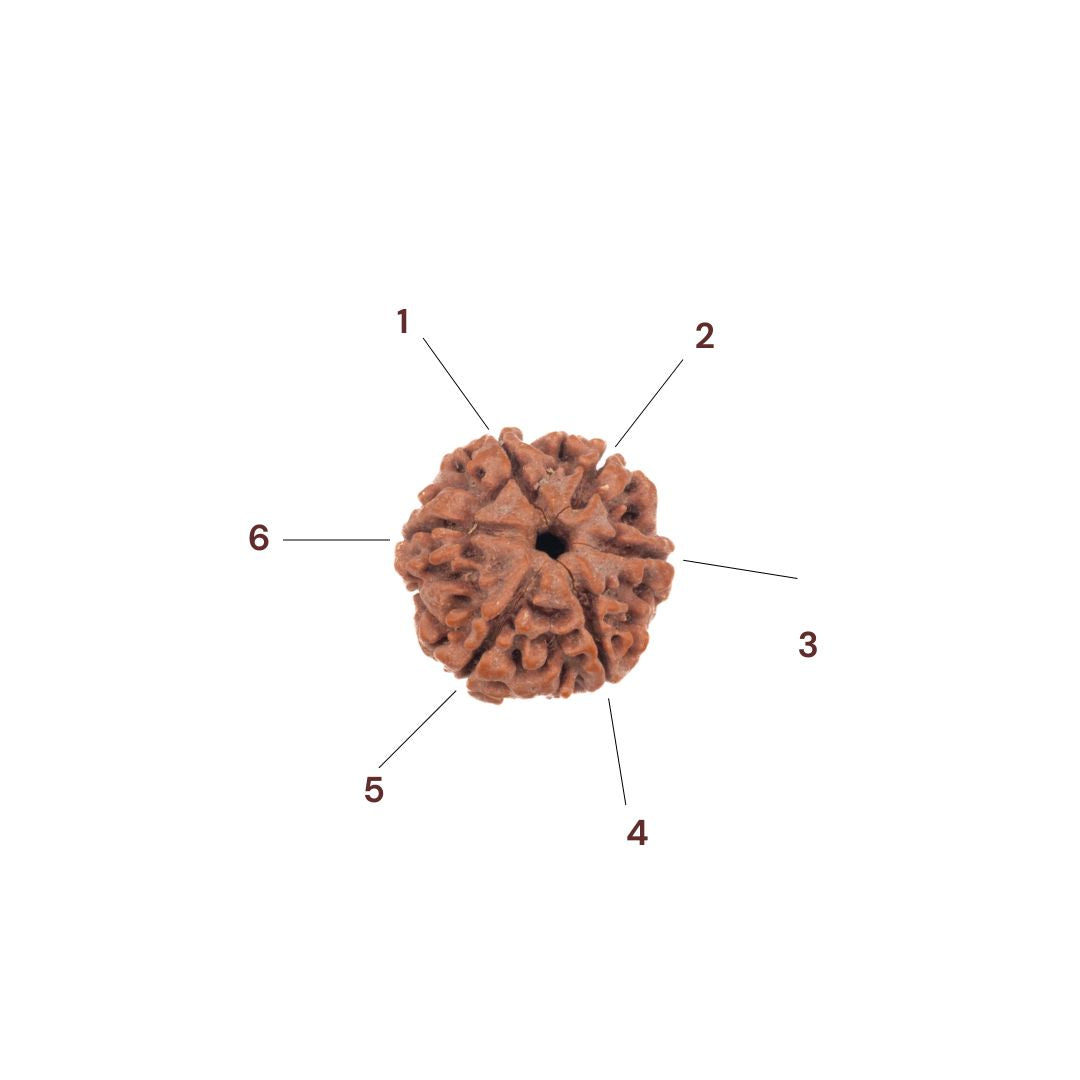
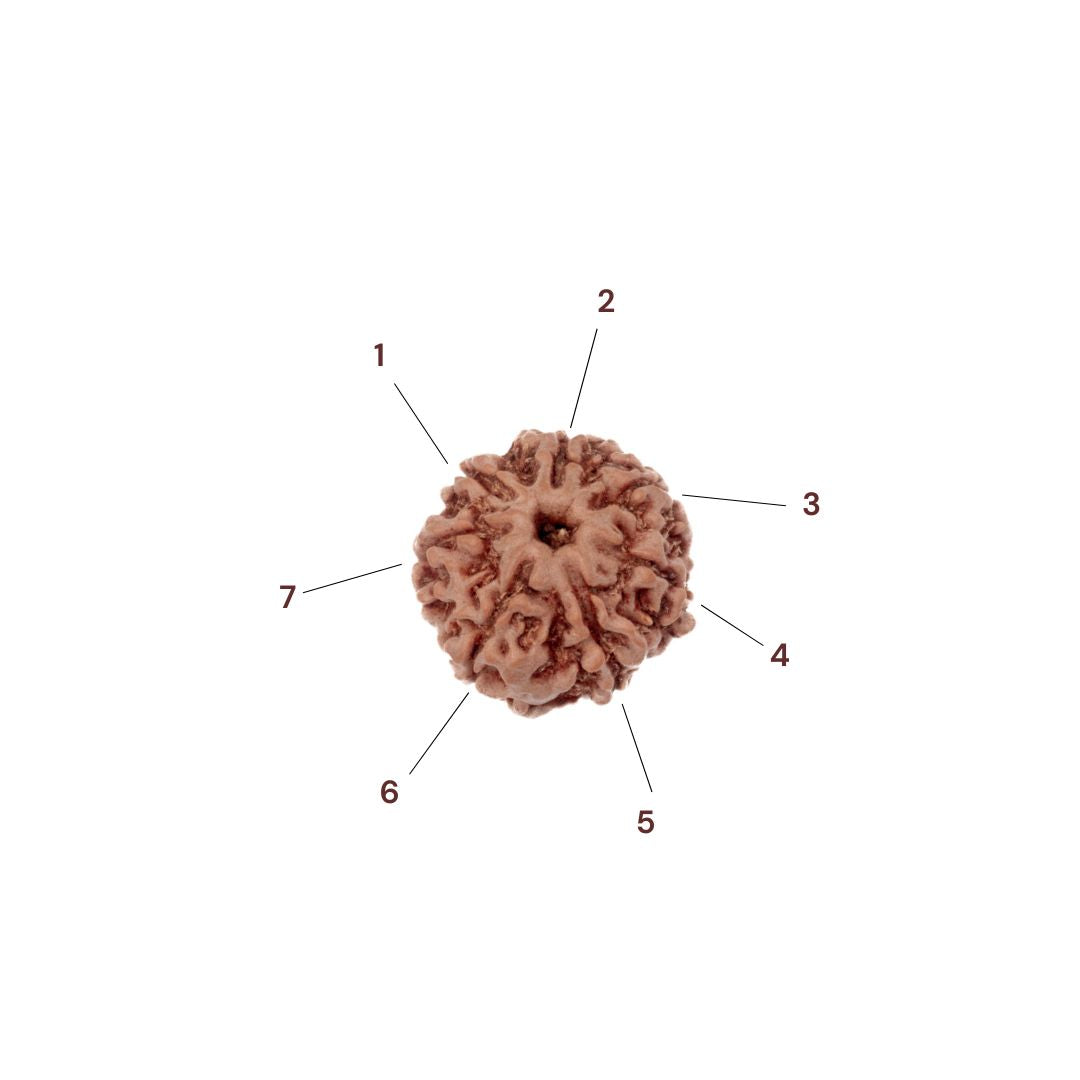
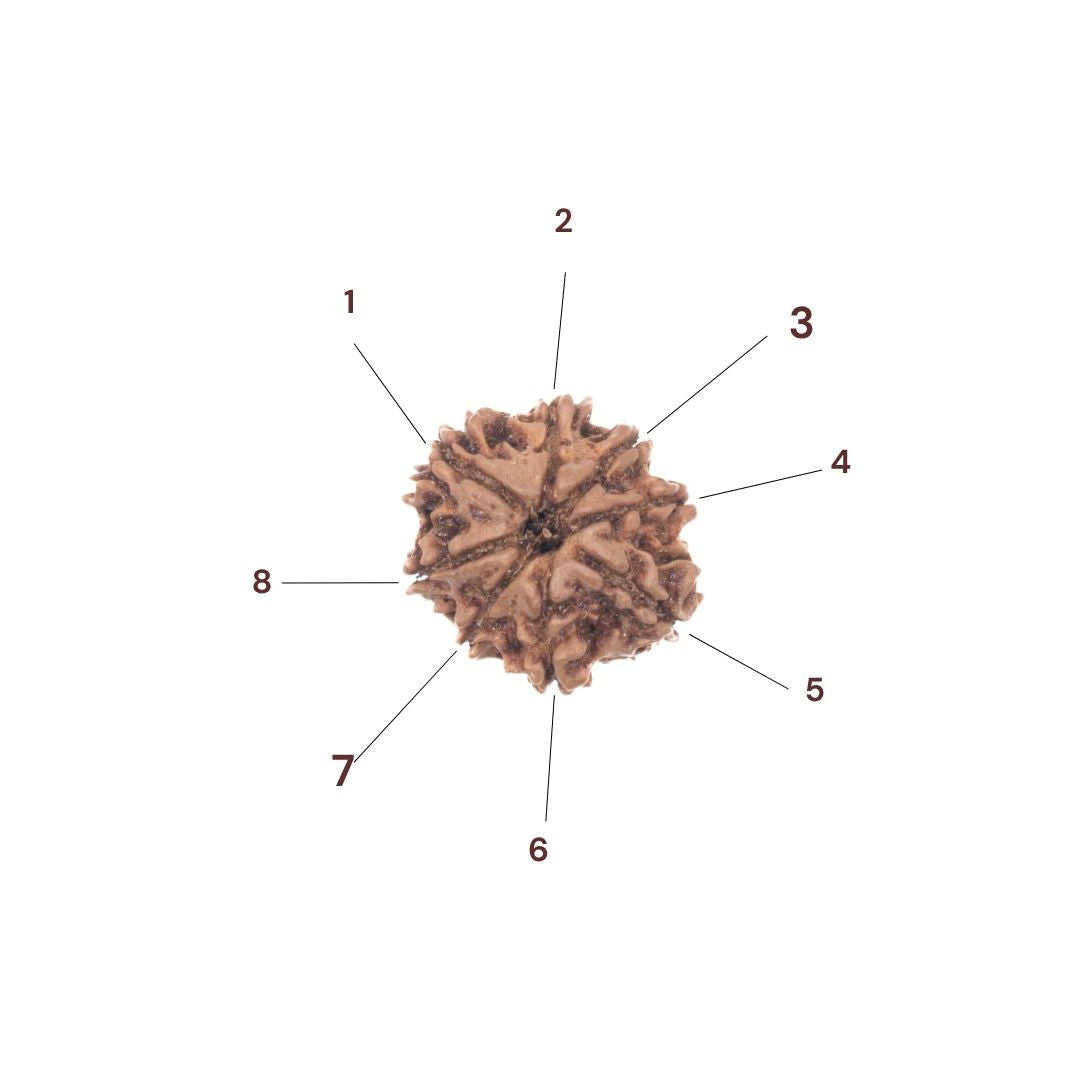
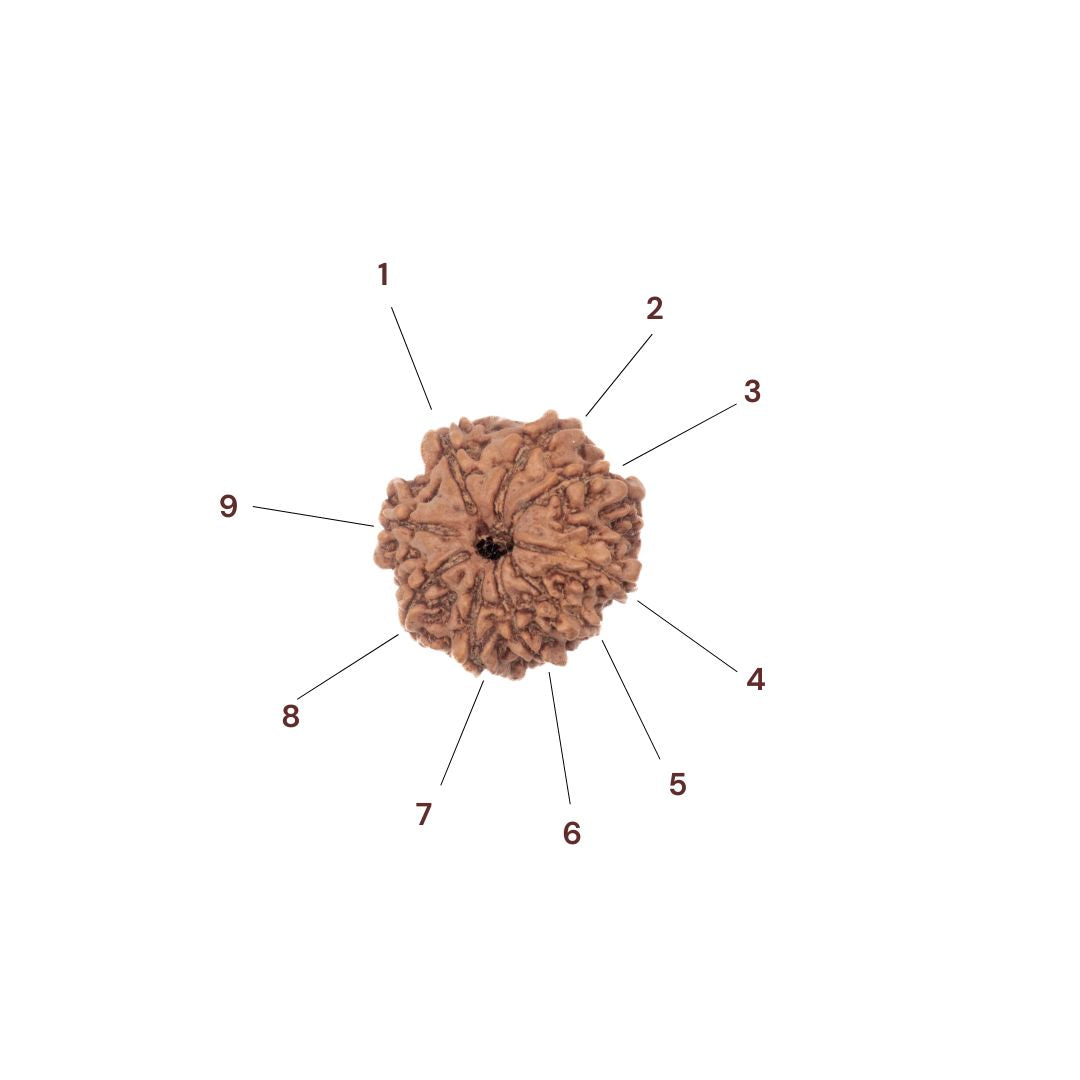
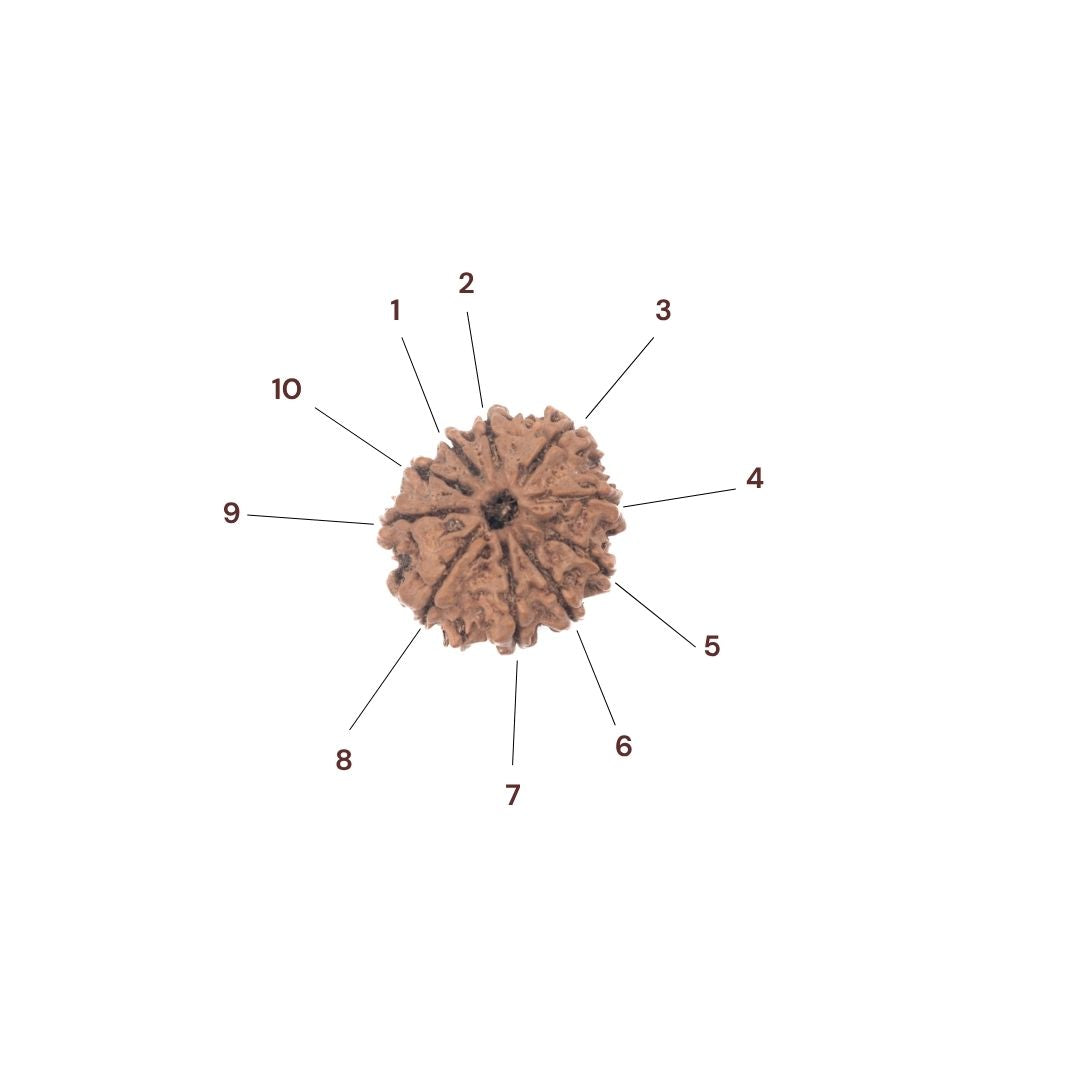
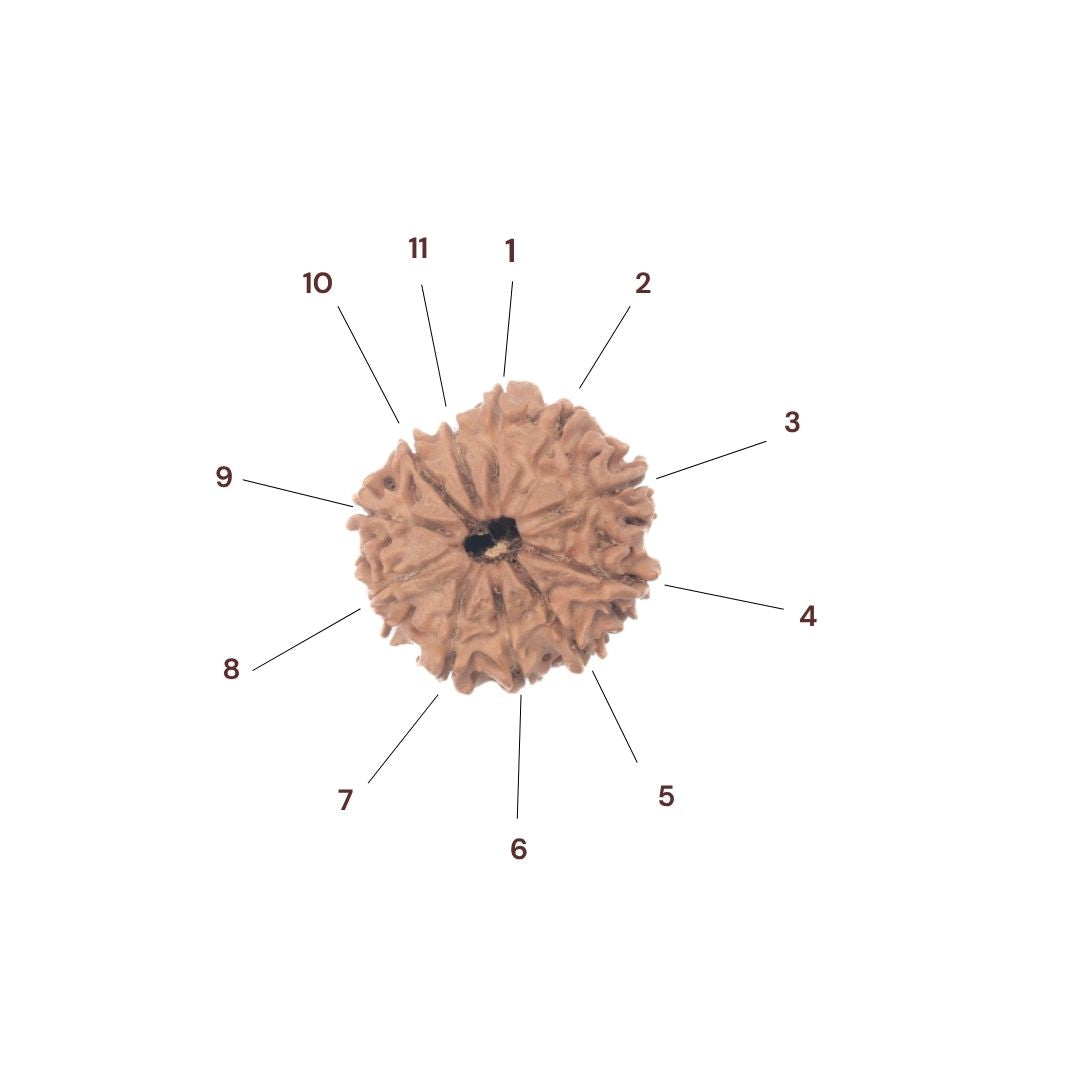
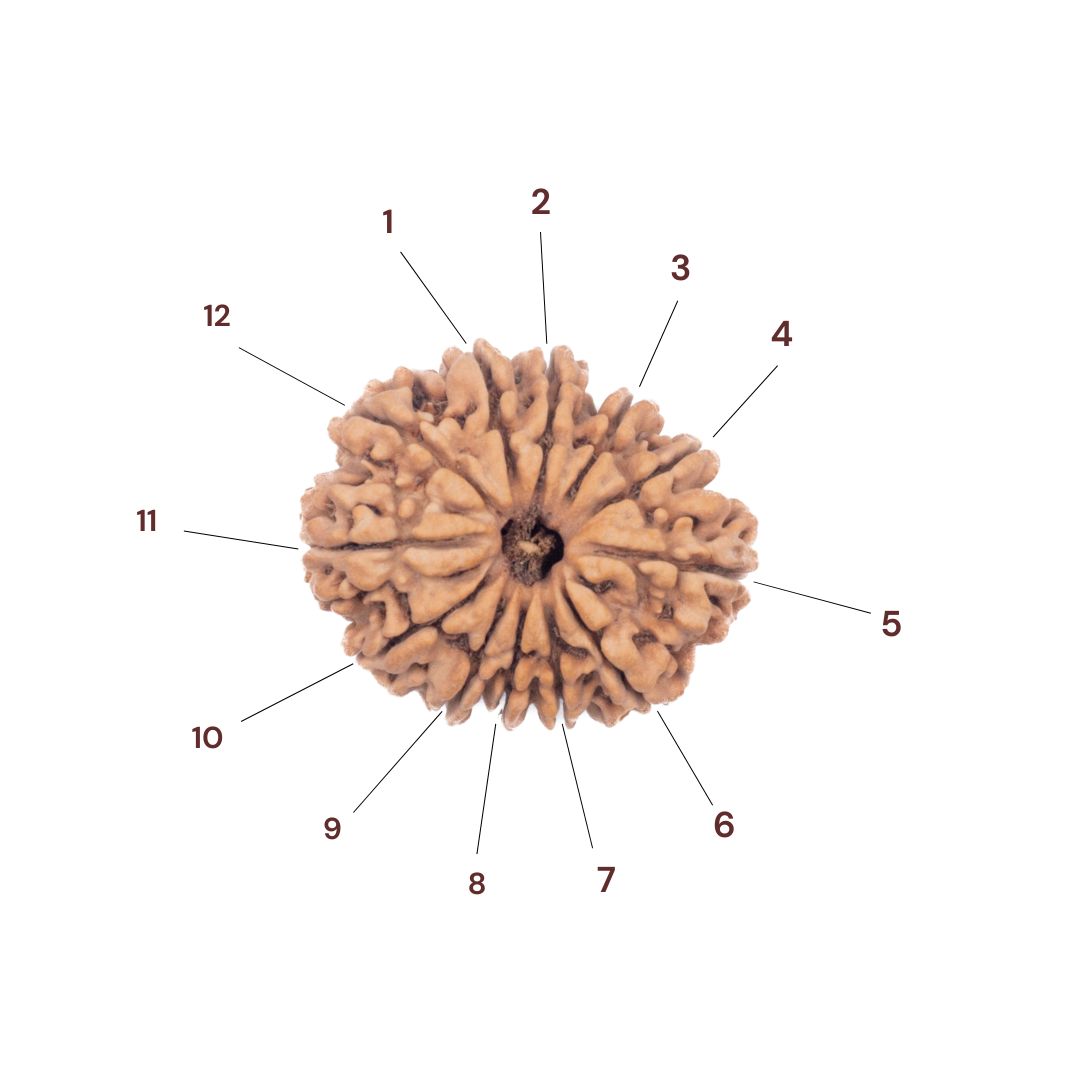
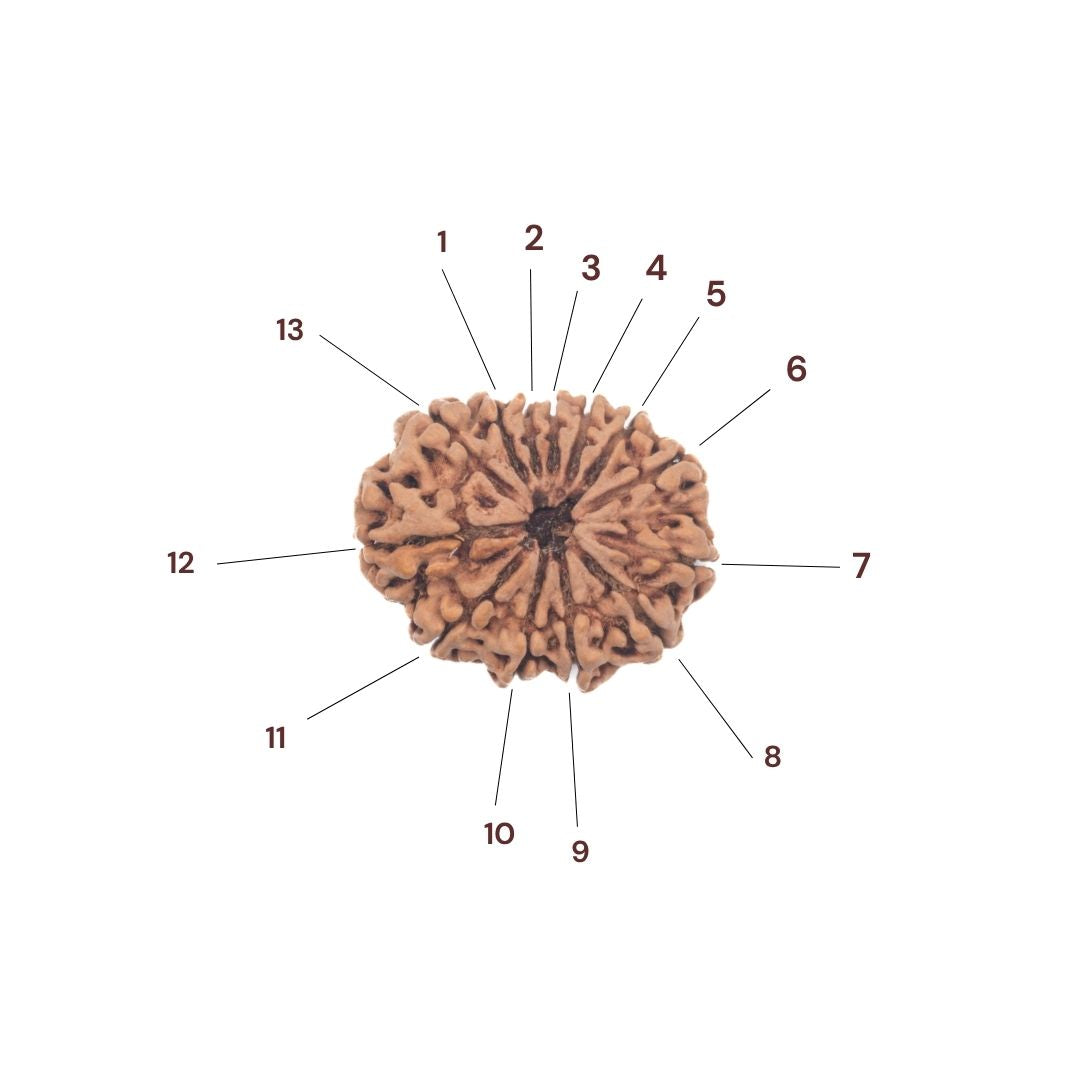
What makes each bead its own is the natural lines running down its surface. These are called mukhis, or faces, and every bead carries a set number of them. The Panchmukhi, or five-faced, is the most common and the most widely worn, while rarer beads like Ek Mukhi and Gauri Shankar are sought for their own reasons. This collection brings together genuine, energised rudraksha in the mukhis devotees ask for most.
🔥 Special Offer
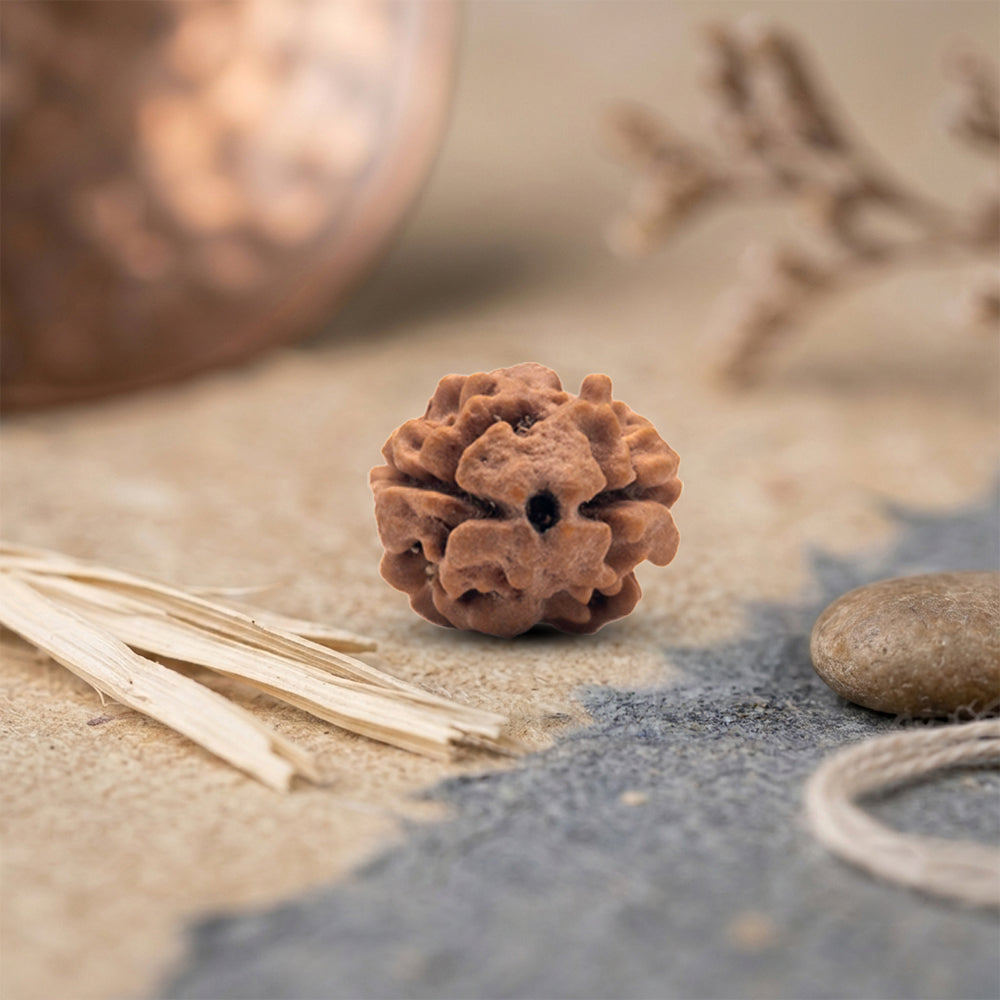
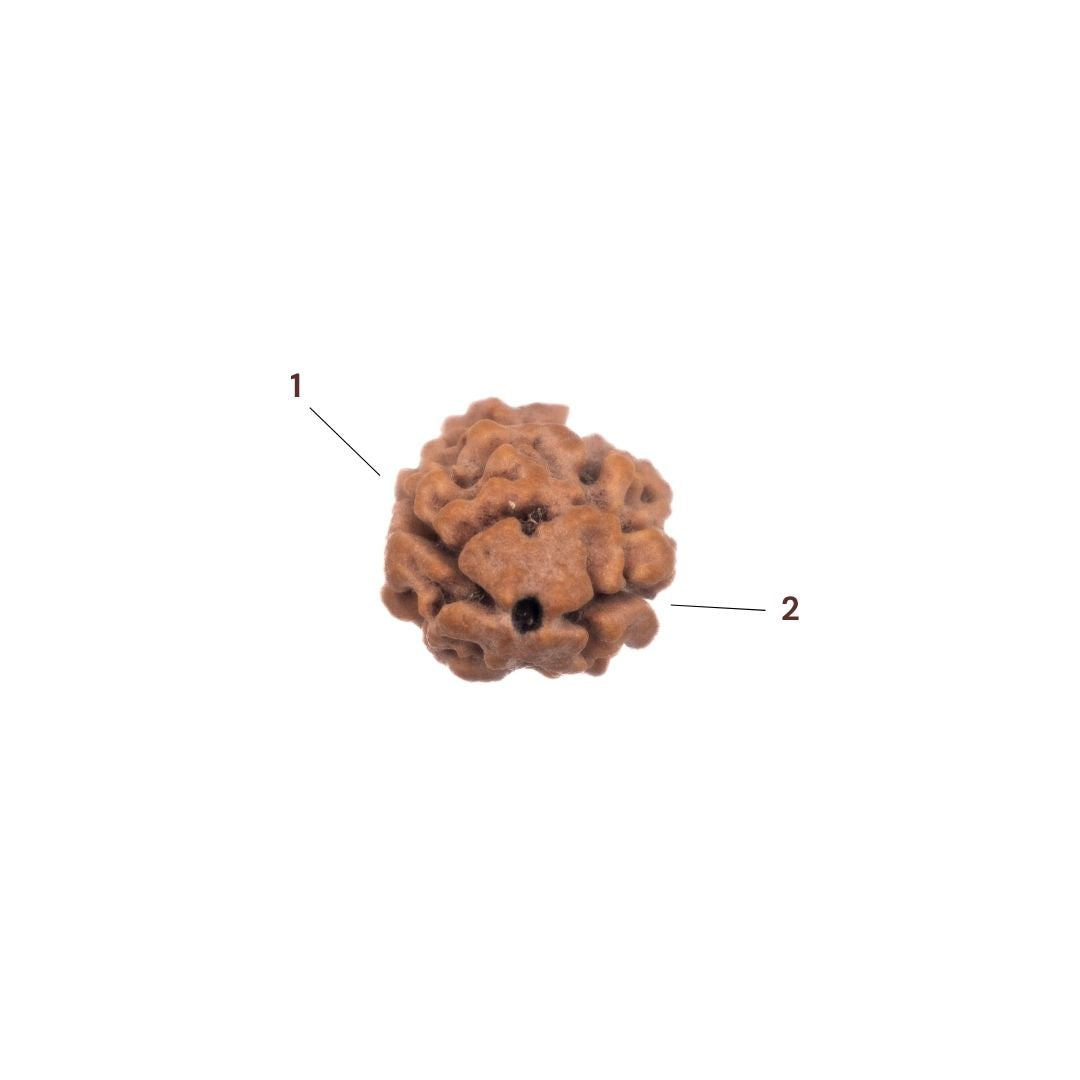
2 Mukhi Rudraksha
Sale priceFrom Rs. 24,900
Regular priceRs. 32,900
🔥 Special Offer
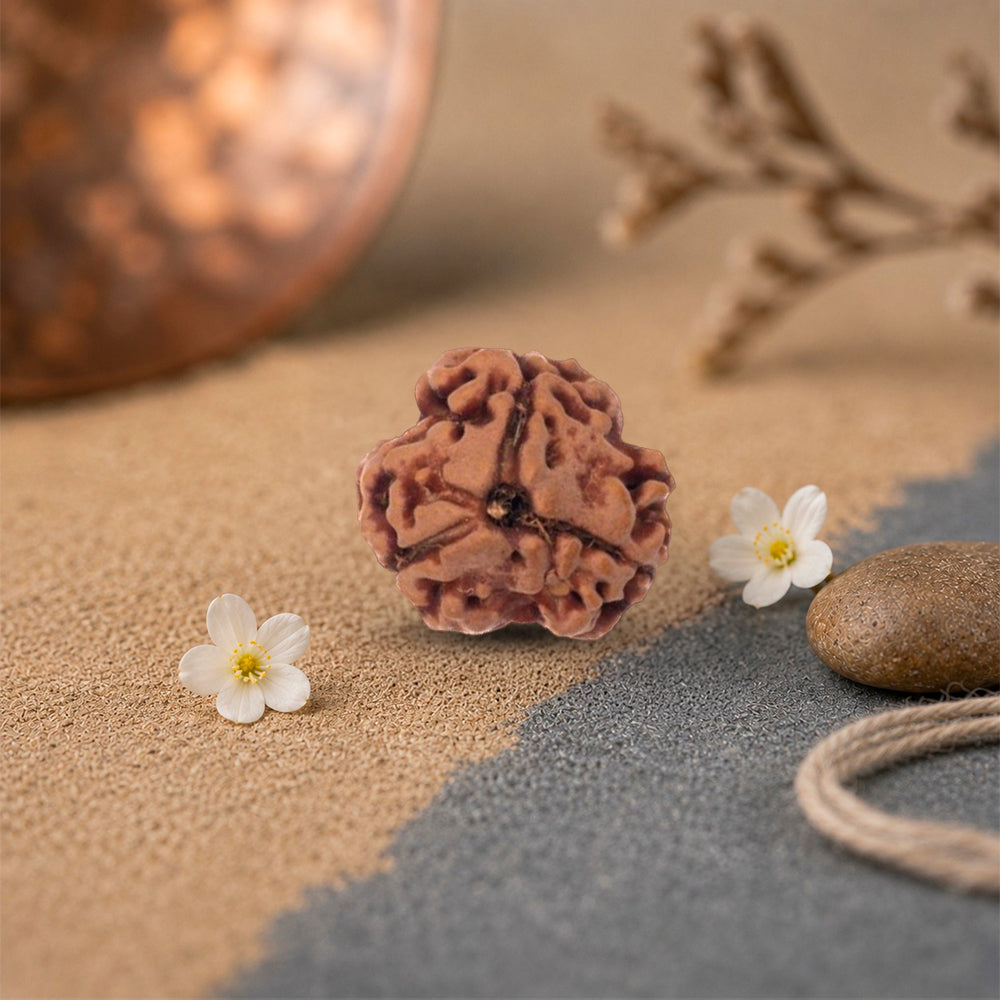
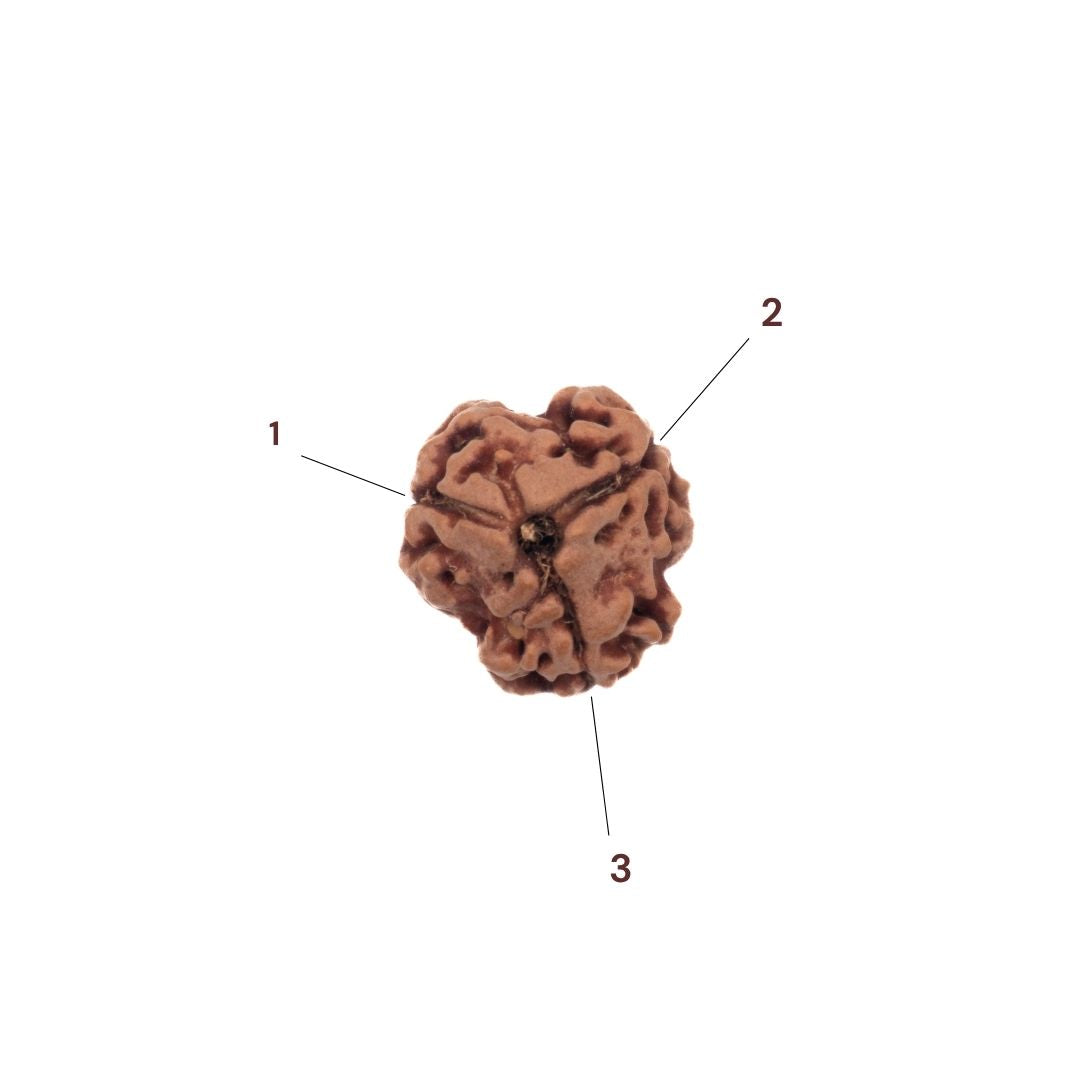
3 Mukhi Rudraksha
Sale priceFrom Rs. 1,490
Regular priceRs. 1,990
🔥 Special Offer
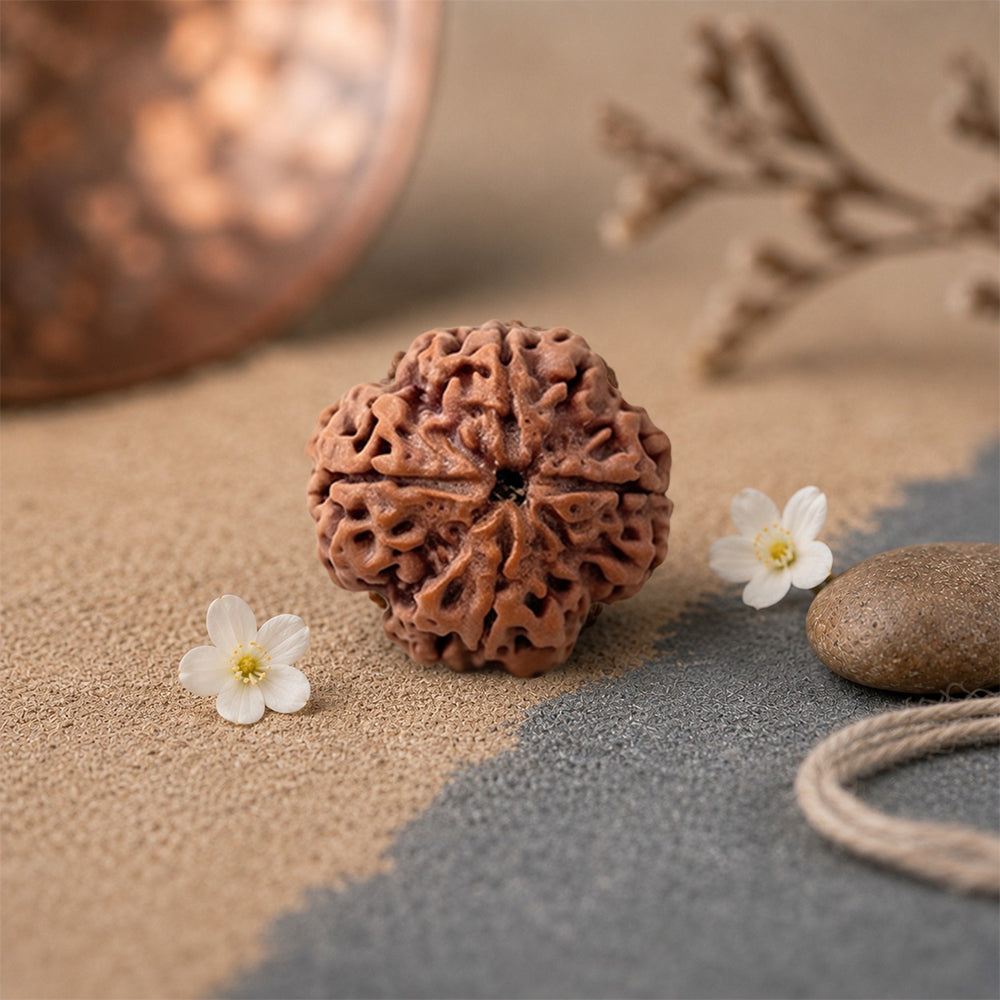
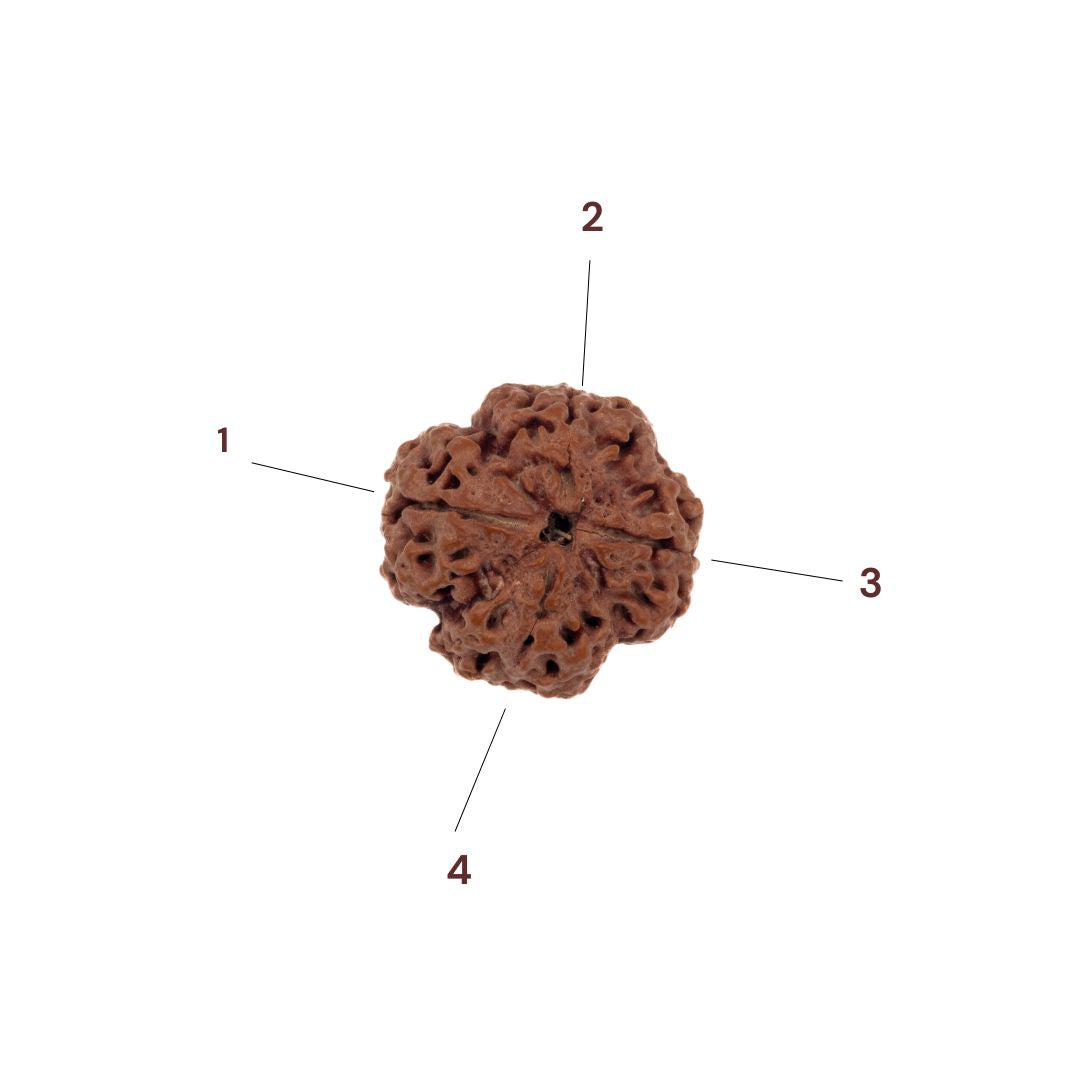
4 Mukhi Rudraksha
Sale priceFrom Rs. 1,200
Regular priceRs. 1,551
🔥 Special Offer
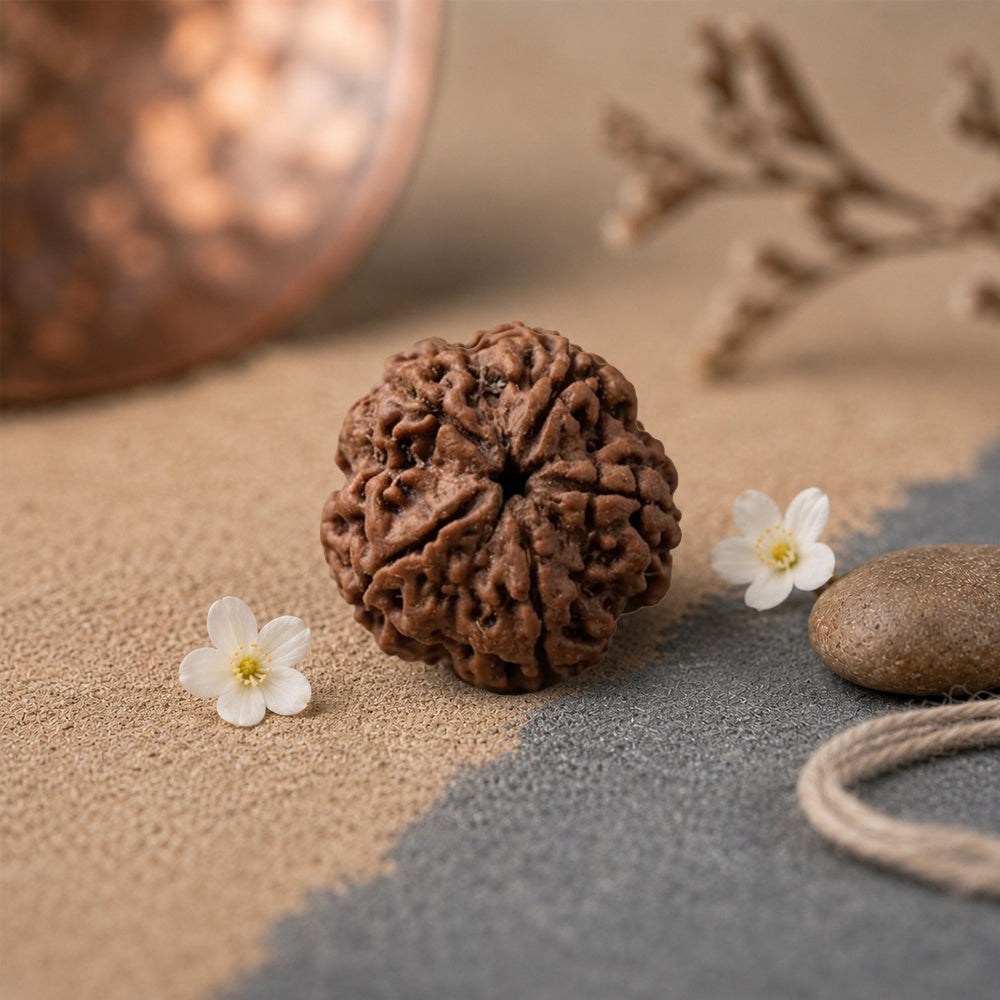
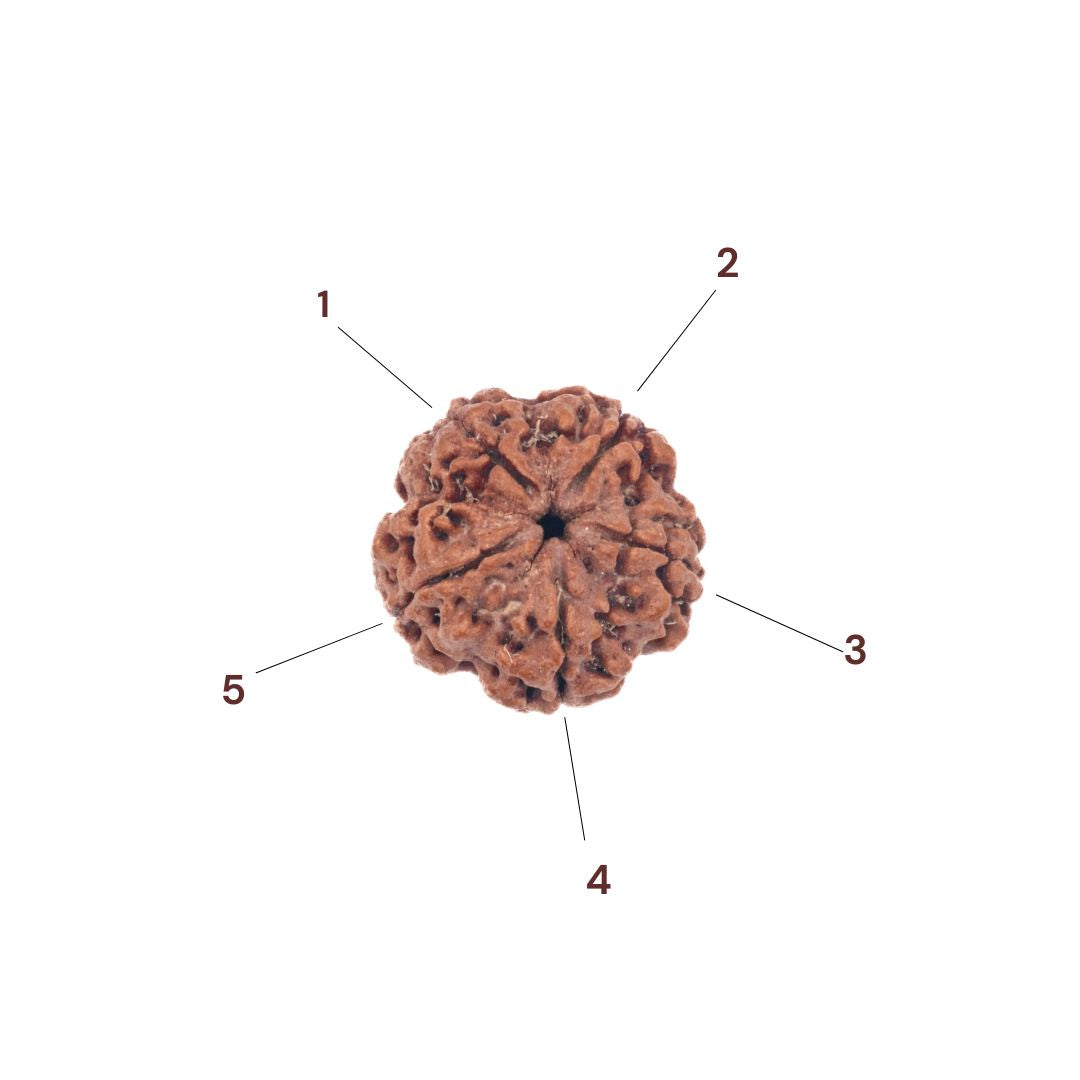
5 Mukhi Rudraksha
Sale priceFrom Rs. 1,100
Regular priceRs. 1,490
🔥 Special Offer
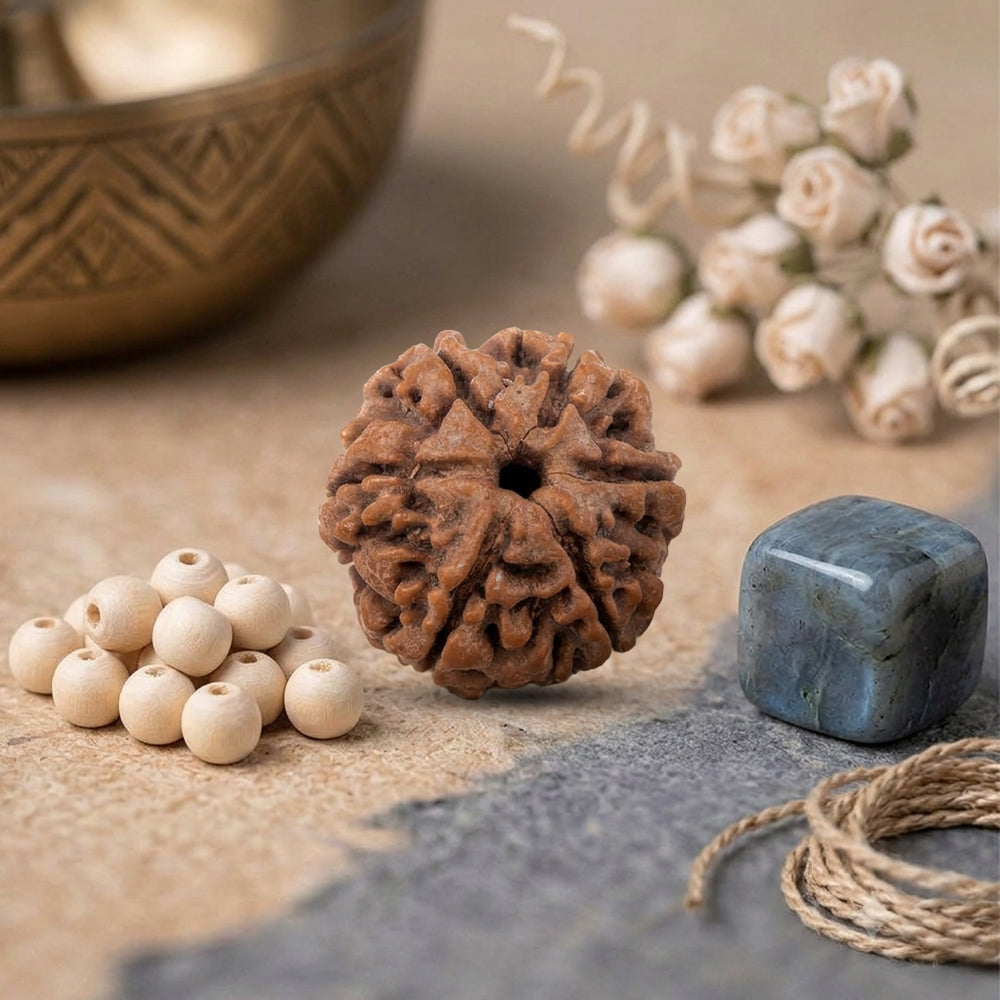
6 Mukhi Rudraksha
Sale priceFrom Rs. 1,100
Regular priceRs. 1,490
🔥 Special Offer
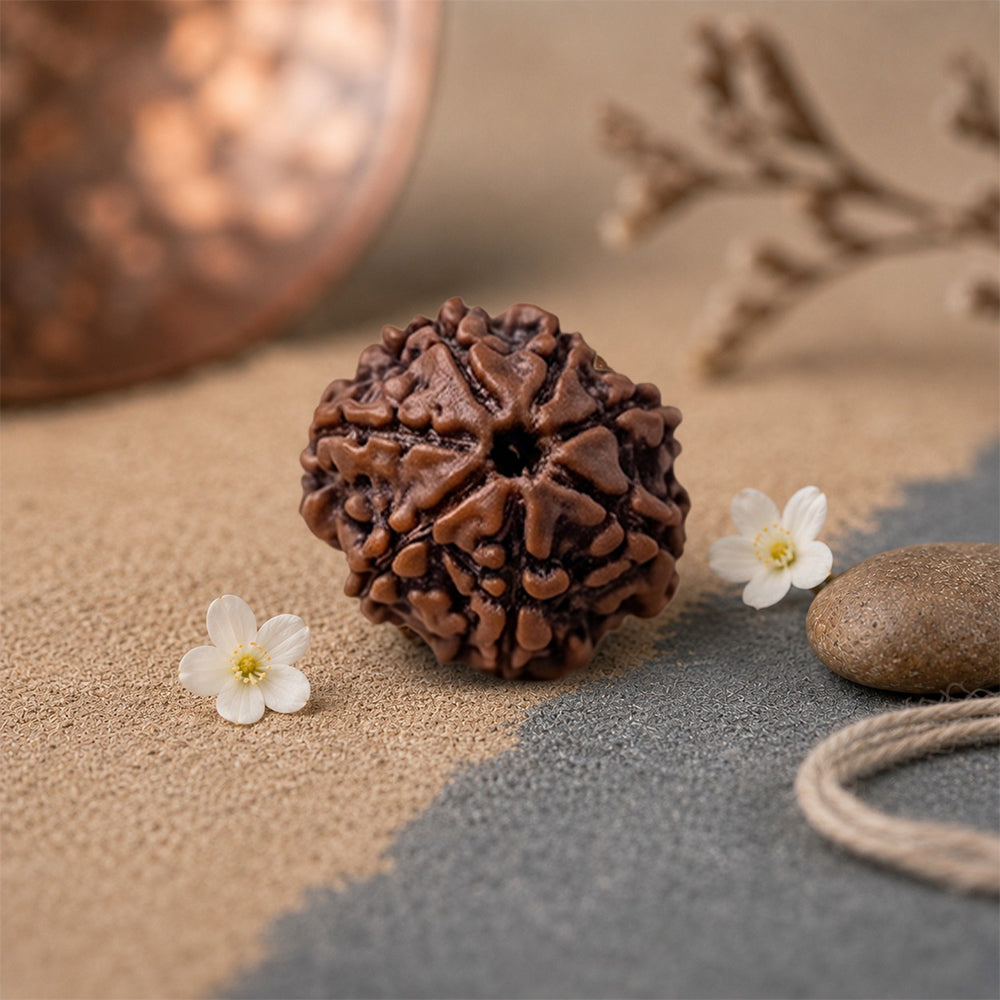
7 Mukhi Rudraksha
Sale priceFrom Rs. 5,500
Regular priceRs. 7,500
🔥 Special Offer
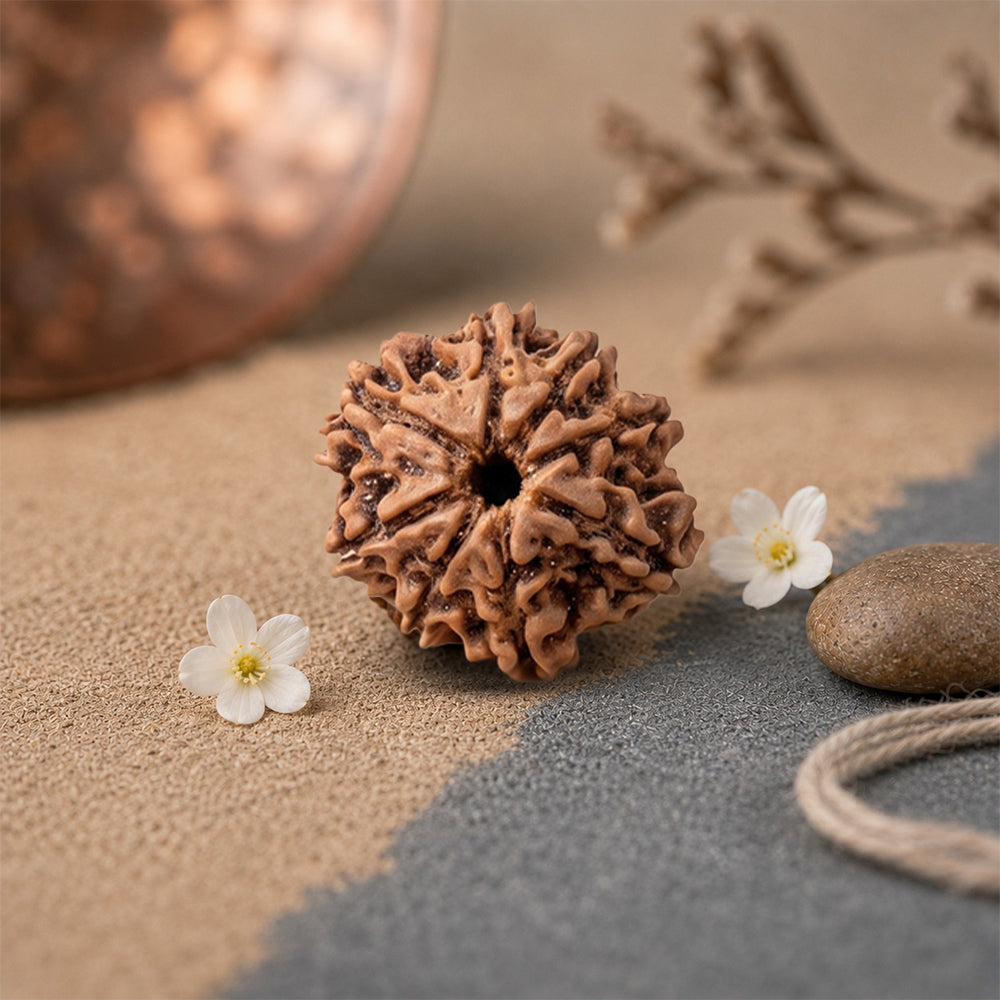
8 Mukhi Rudraksha
Sale priceFrom Rs. 7,500
Regular priceRs. 9,900
🔥 Special Offer
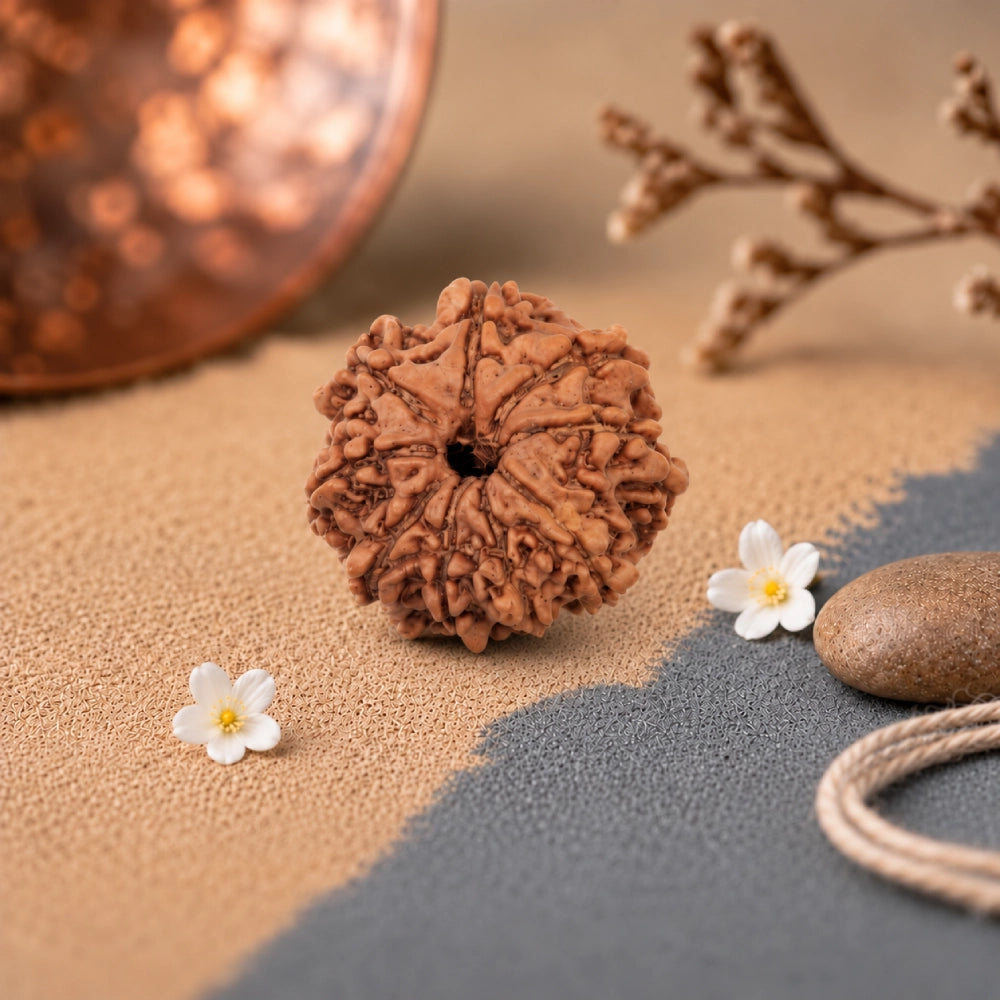
9 Mukhi Rudraksha
Sale priceFrom Rs. 13,900
Regular priceRs. 18,700
🔥 Special Offer
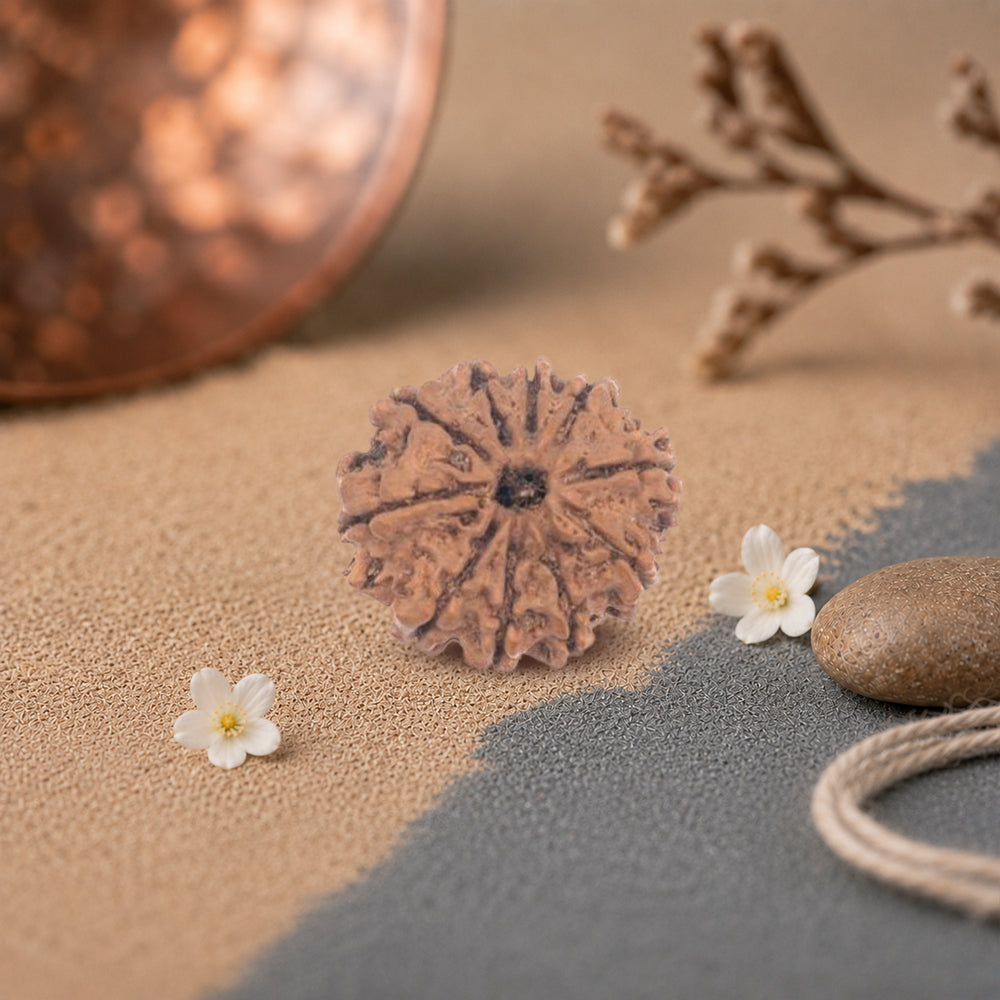
10 Mukhi Rudraksha
Sale priceFrom Rs. 11,000
Regular priceRs. 15,000
🔥 Special Offer
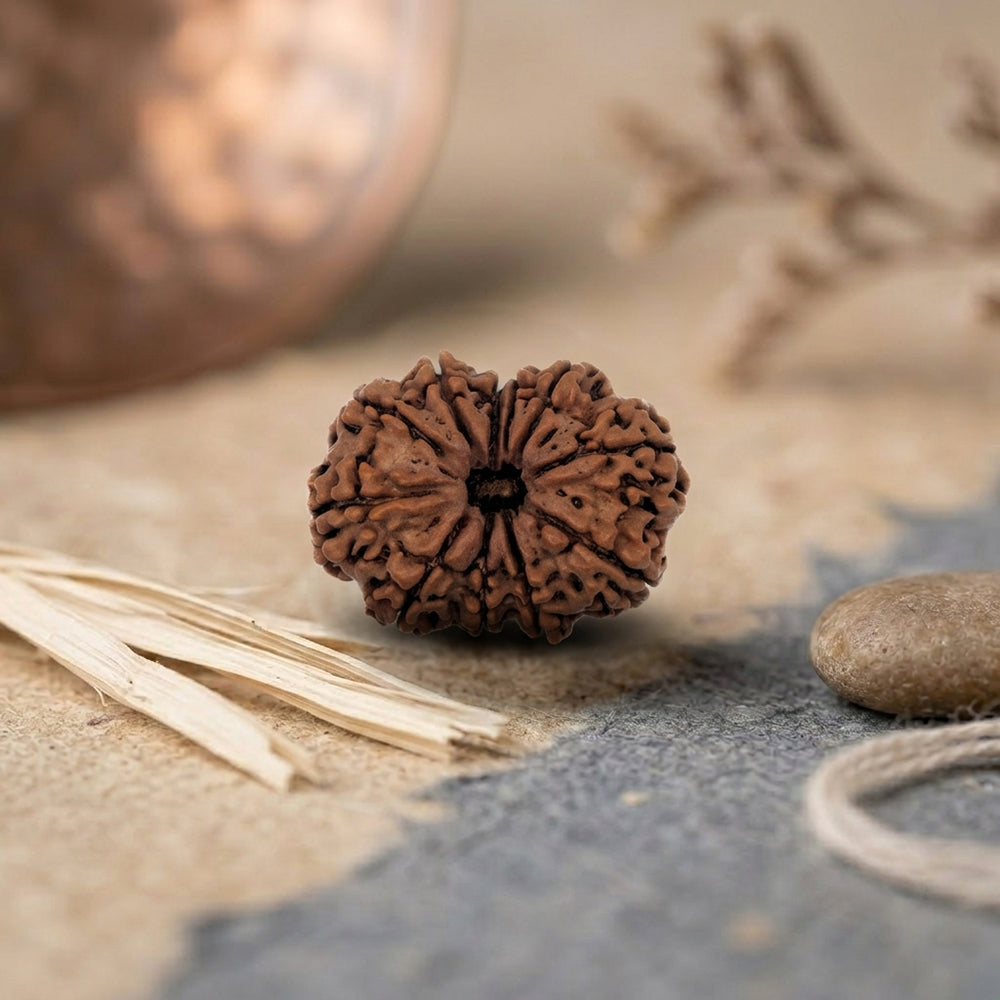
11 Mukhi Rudraksha
Sale priceFrom Rs. 14,900
Regular priceRs. 18,500
🔥 Special Offer
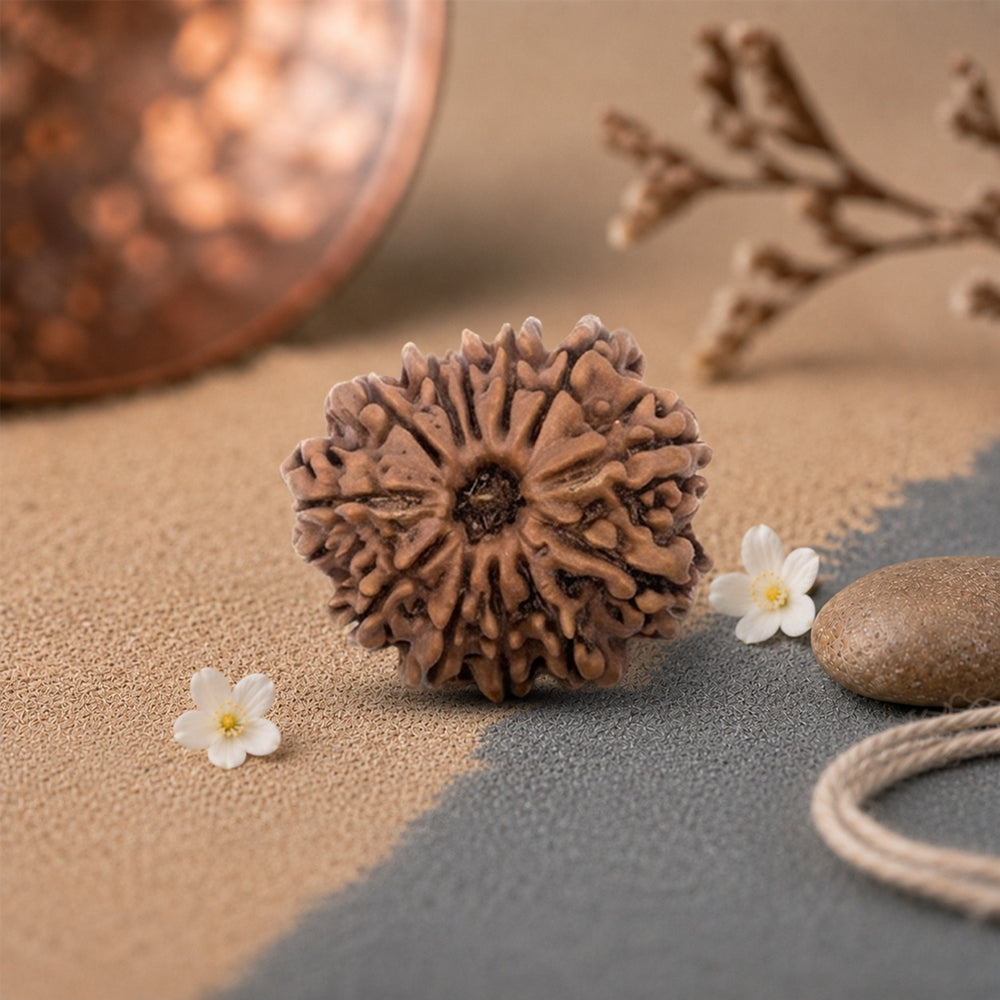
12 Mukhi Rudraksha
Sale priceFrom Rs. 11,000
Regular priceRs. 15,500
🔥 Special Offer
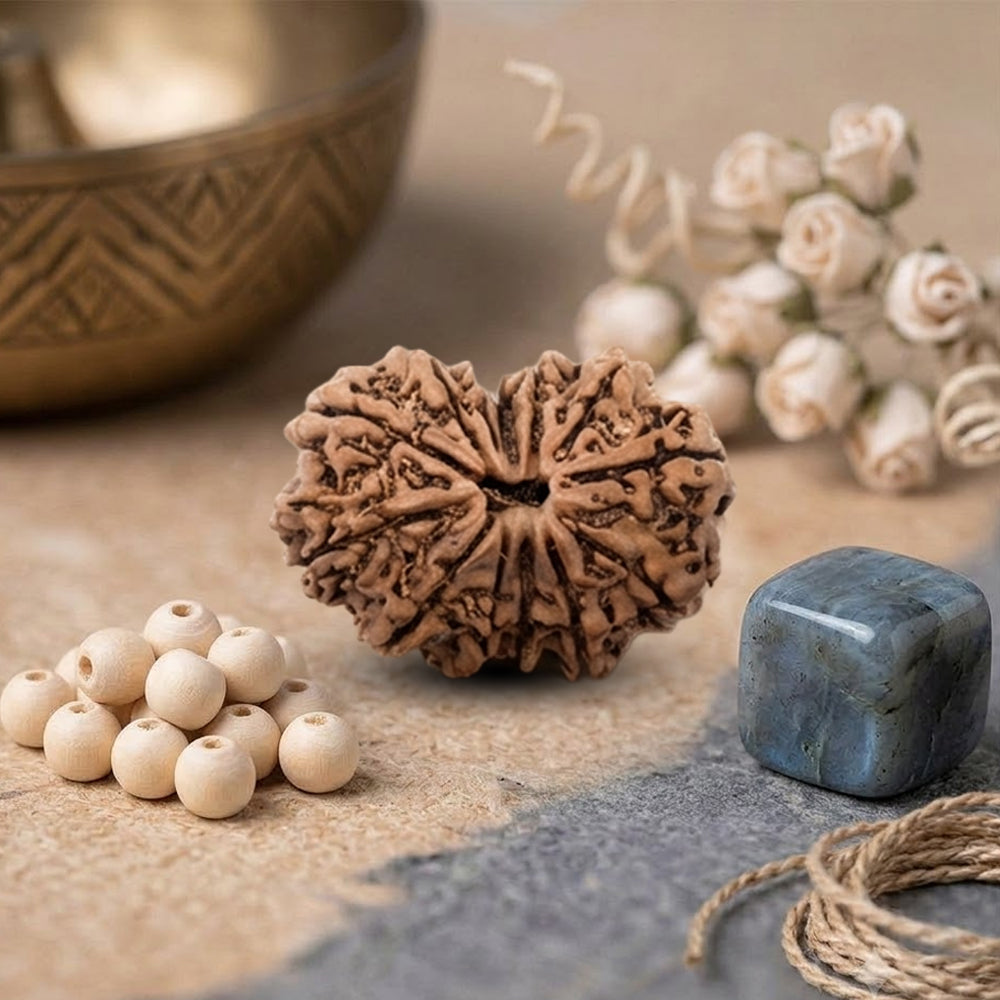
13 Mukhi Rudraksha
Sale priceFrom Rs. 19,800
Regular priceRs. 25,500
🔥 Special Offer
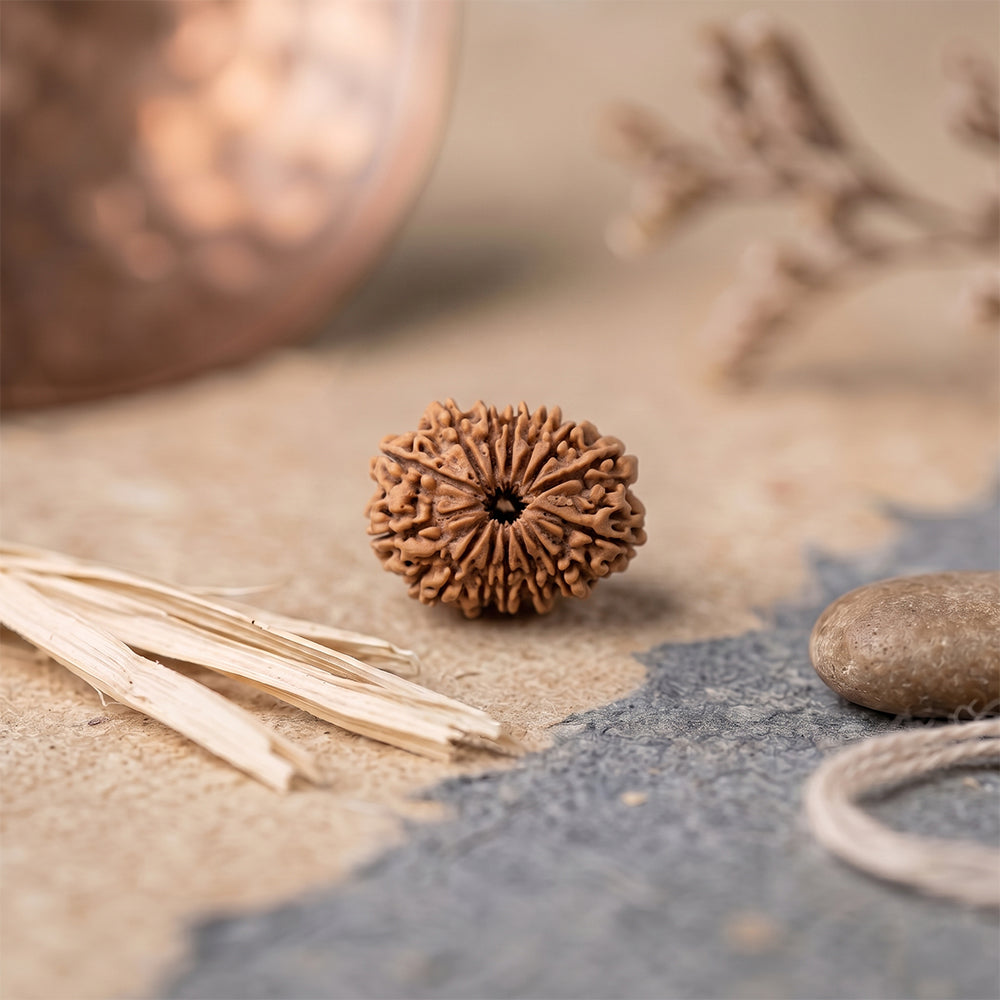
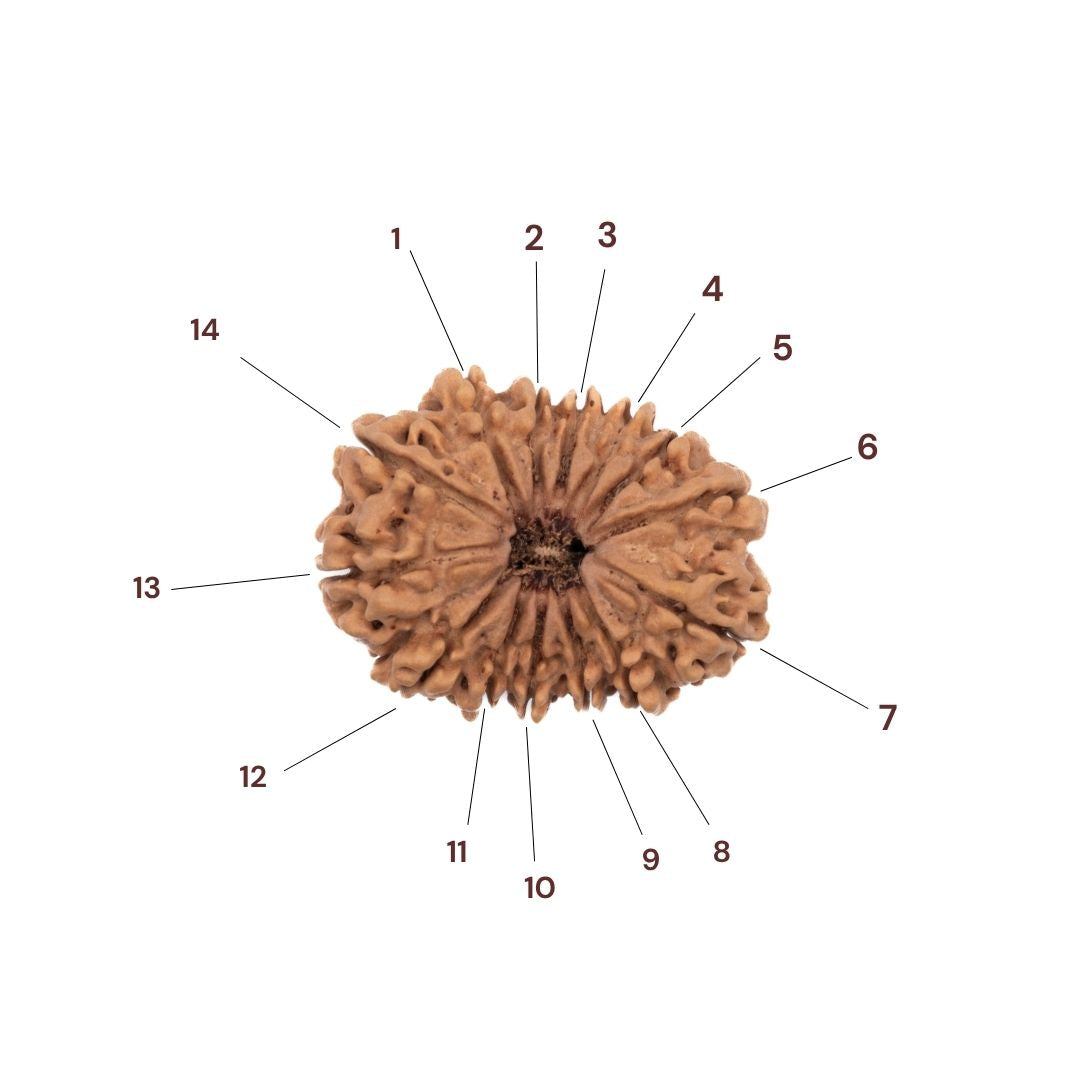
14 Mukhi Rudraksha
Sale priceFrom Rs. 57,700
Regular priceRs. 74,900
🔥 Special Offer
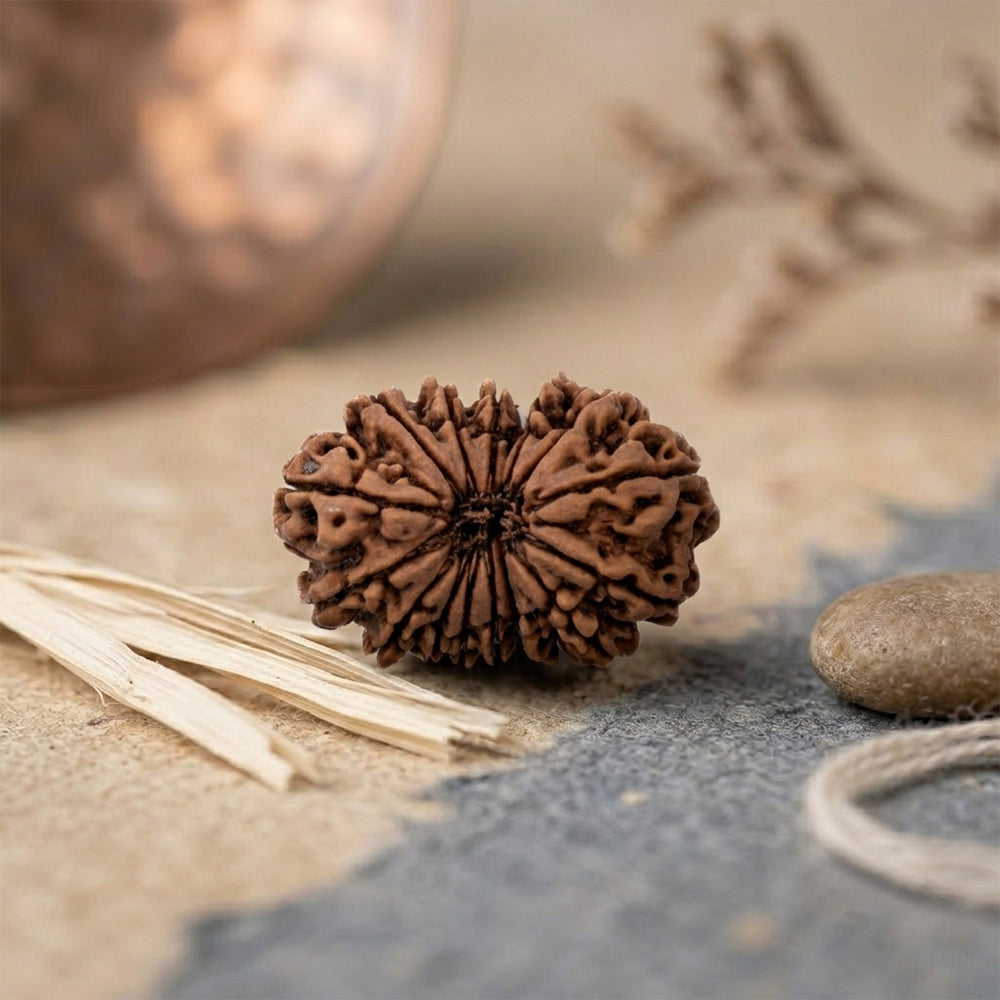
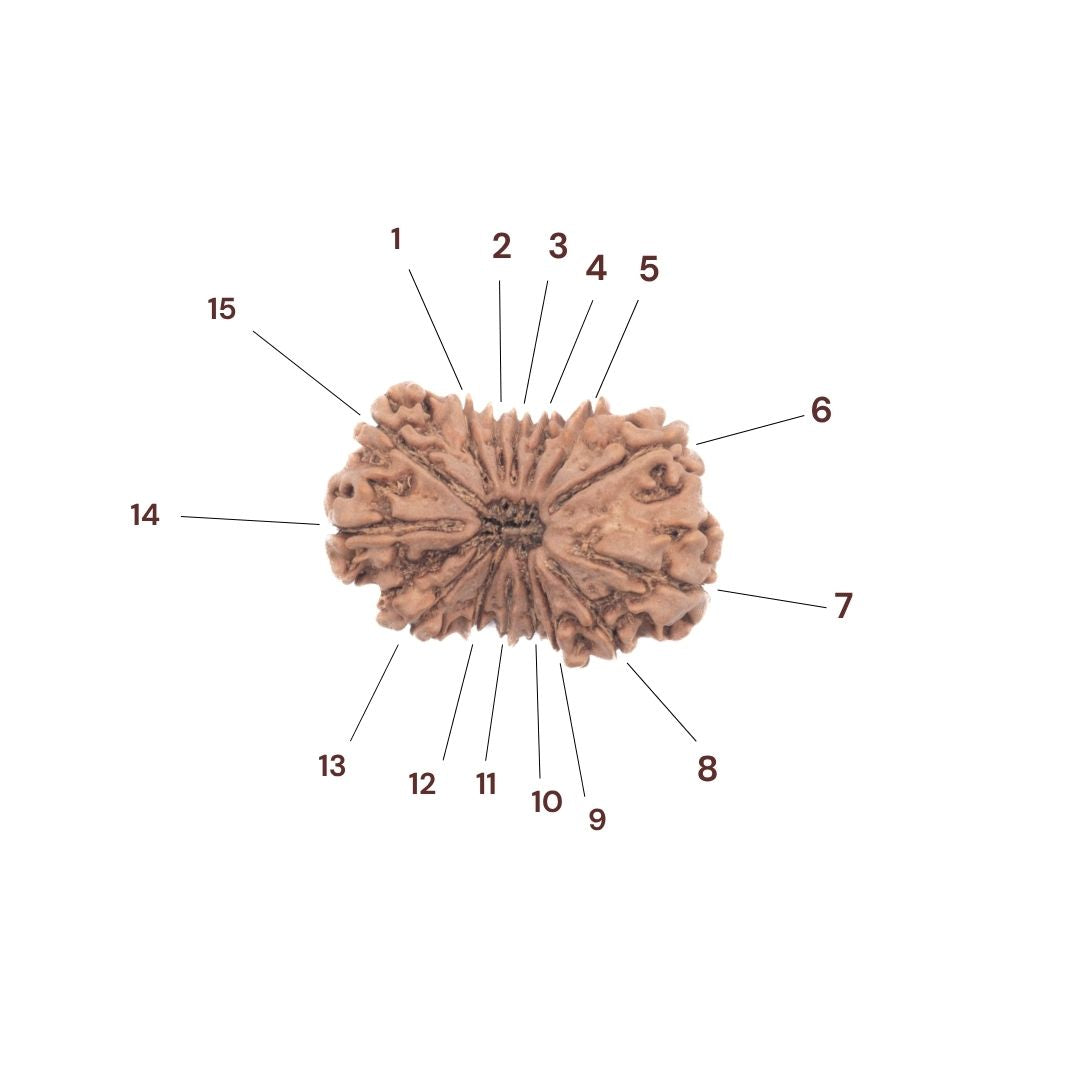
15 Mukhi Rudraksha
Sale priceFrom Rs. 49,900
Regular priceRs. 67,800
Save 8%
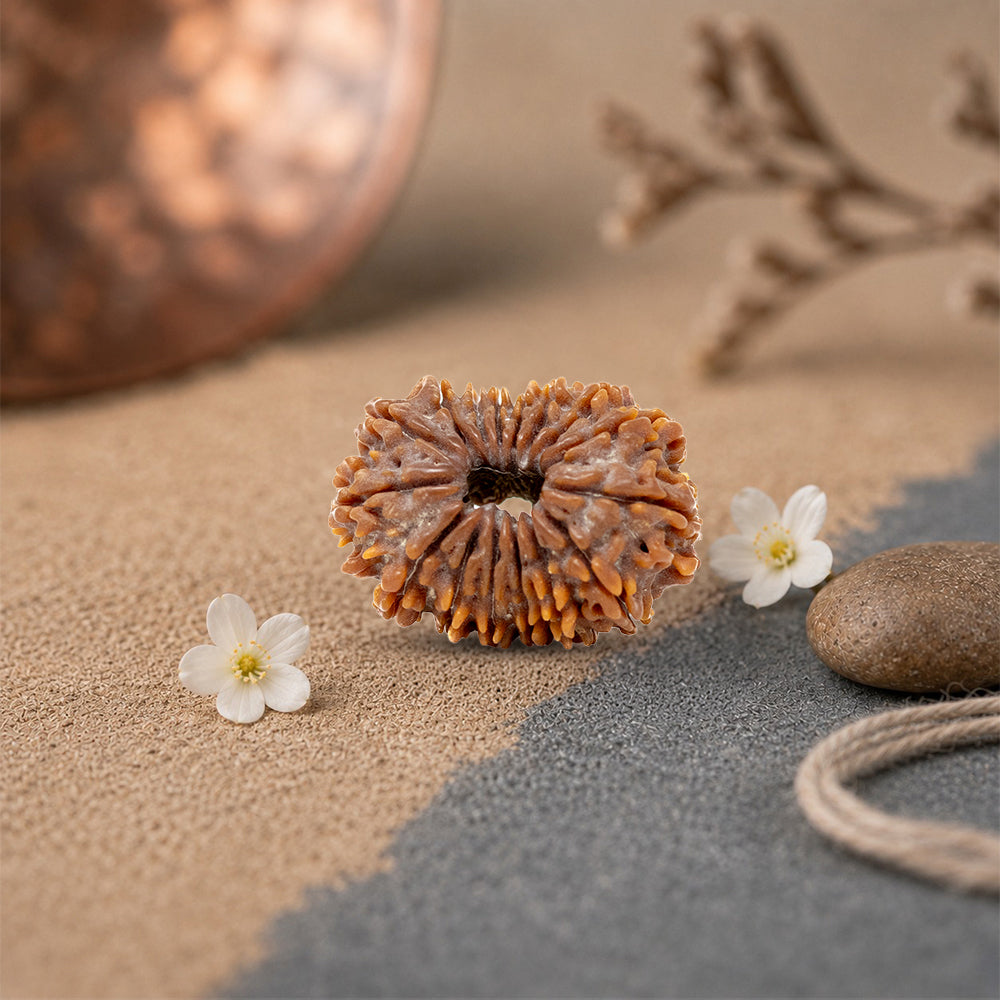
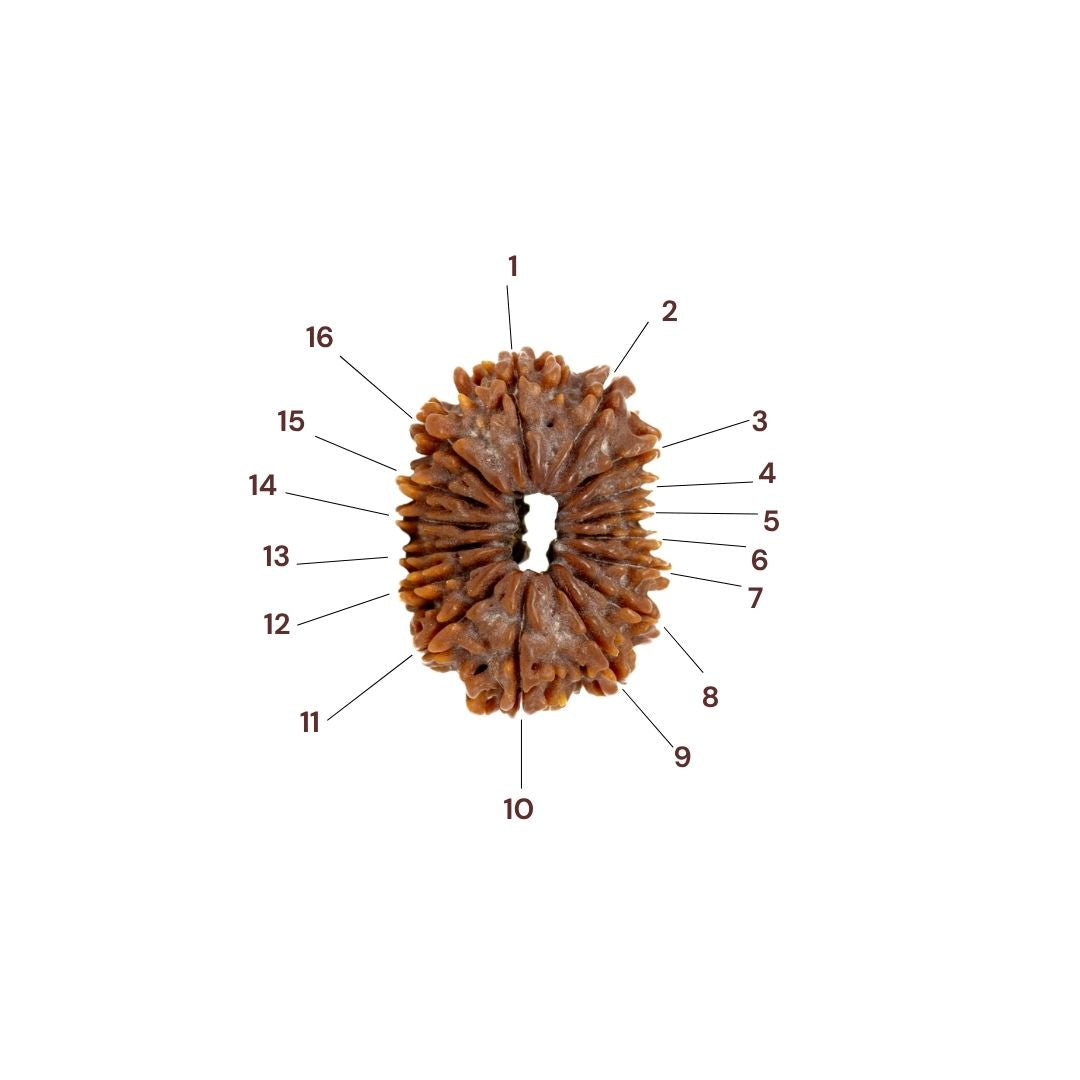
16 Mukhi Rudraksha
Sale priceRs. 280,000
Regular priceRs. 305,000
Save 7%
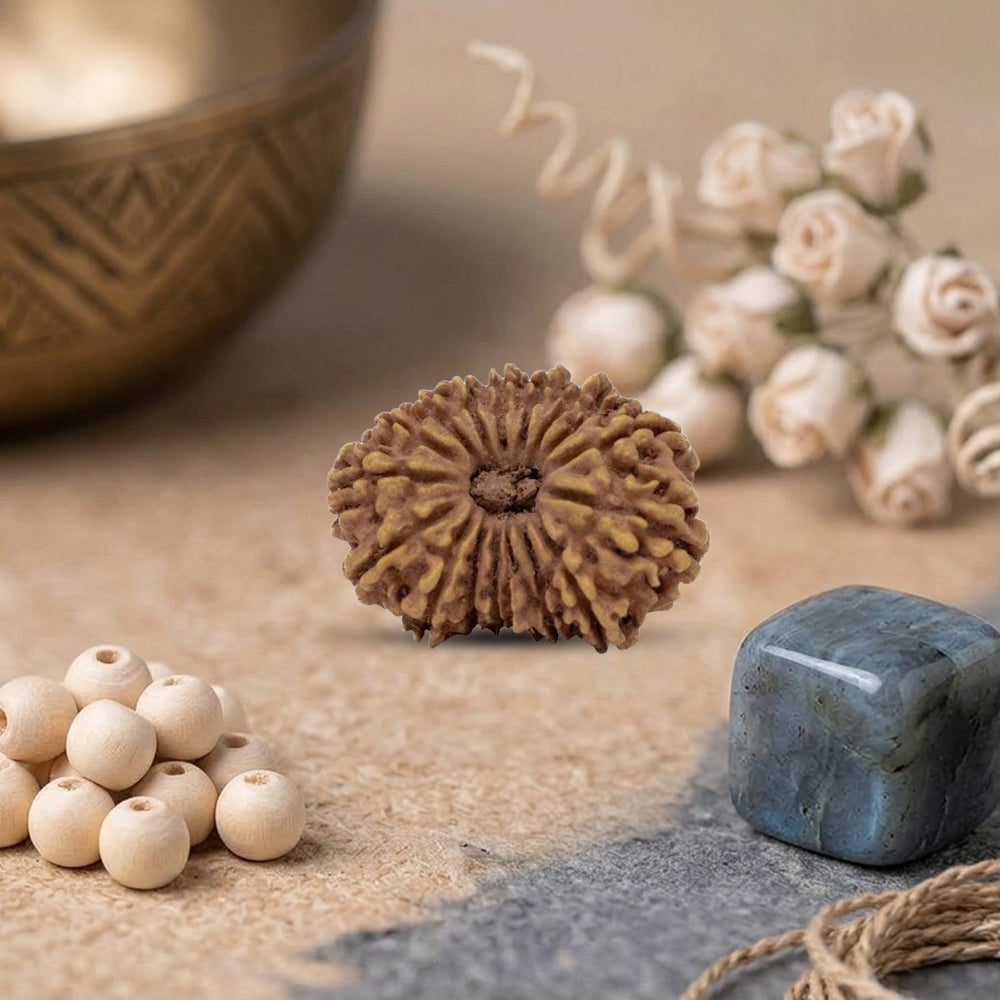
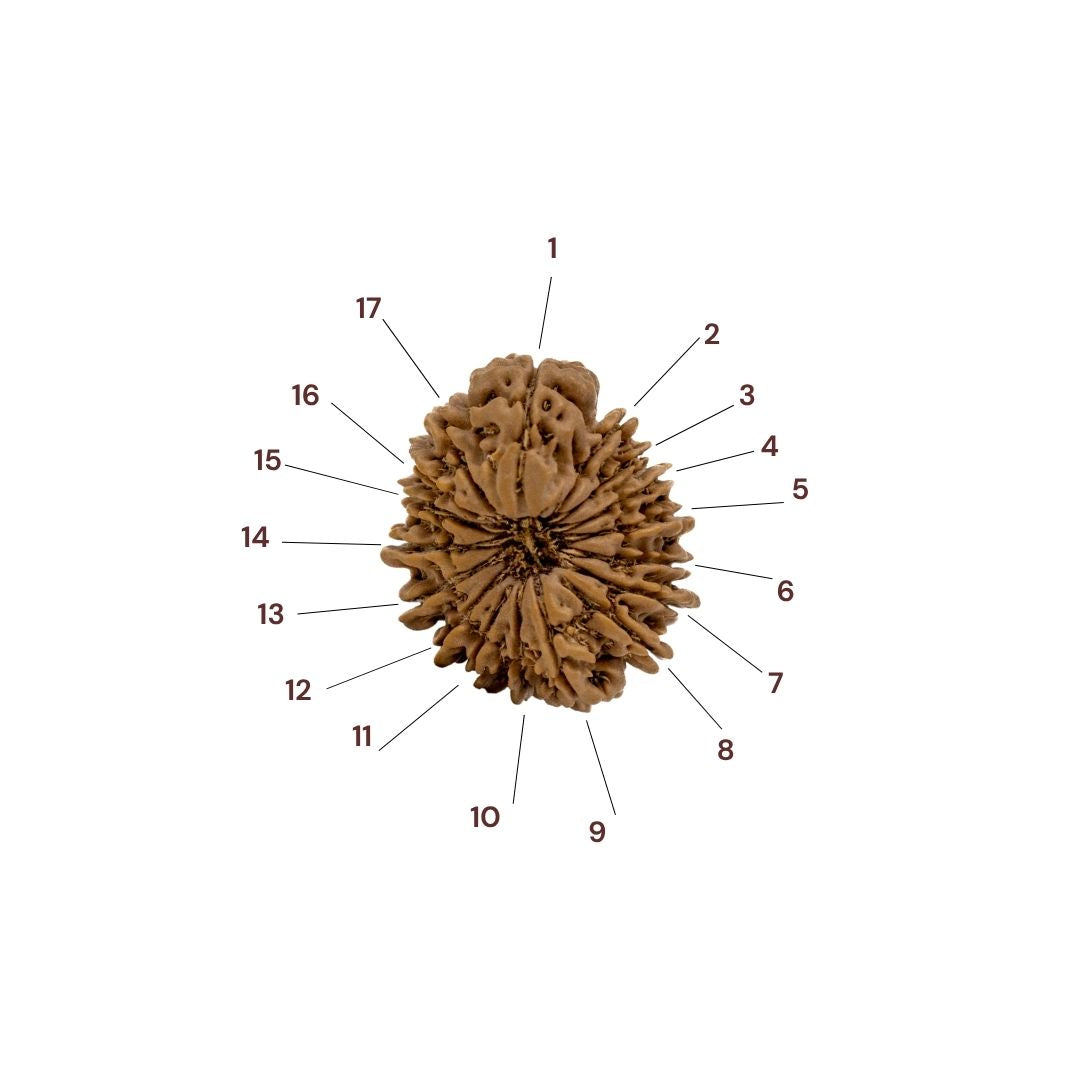
17 Mukhi Rudraksha
Sale priceRs. 645,000
Regular priceRs. 690,000
Save 19%
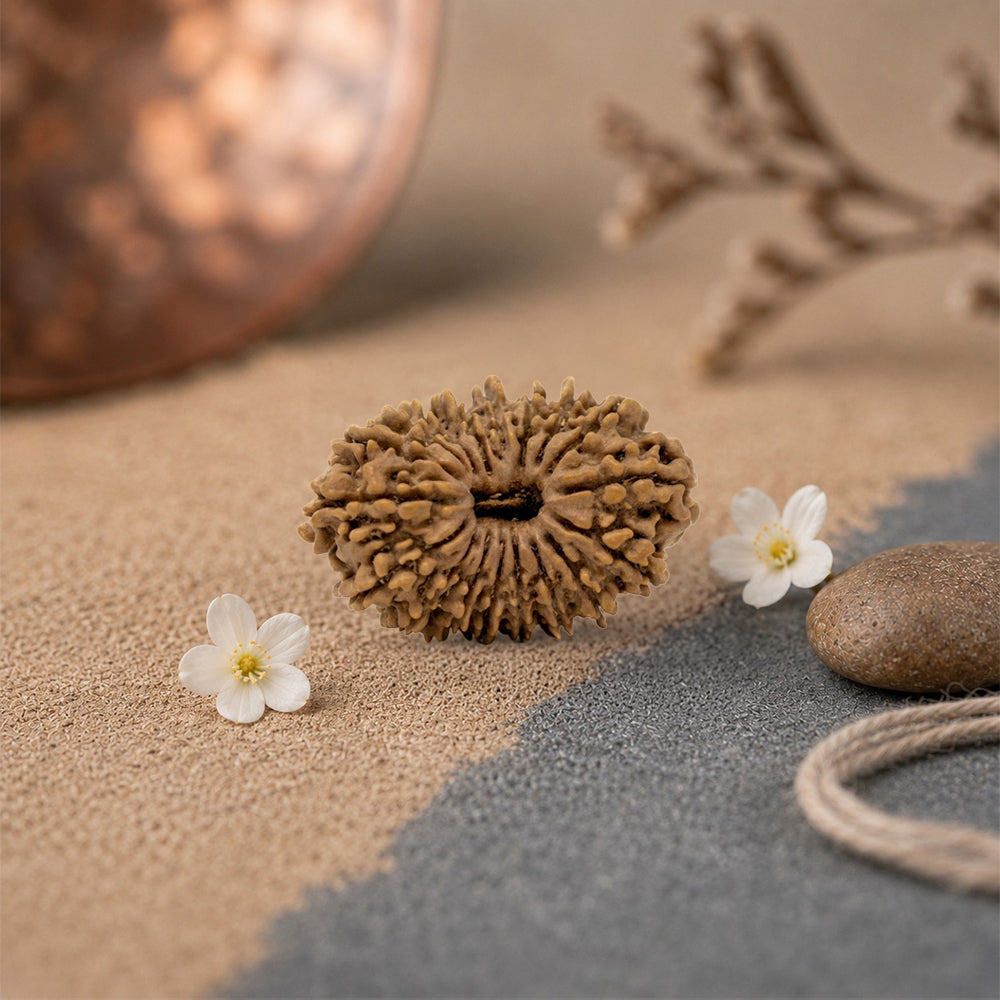
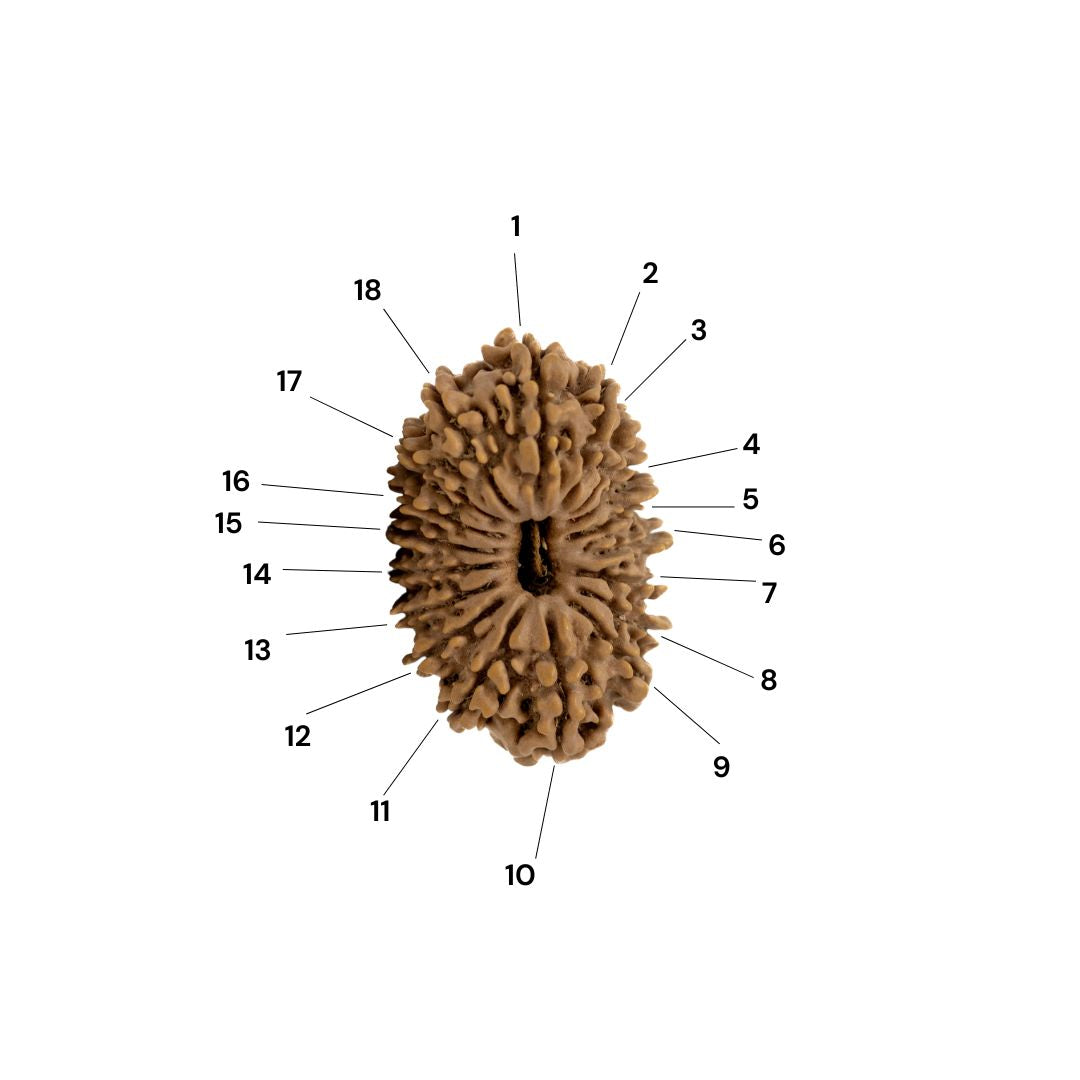
18 Mukhi Rudraksha
Sale priceRs. 890,000
Regular priceRs. 1,100,000
Save 25%
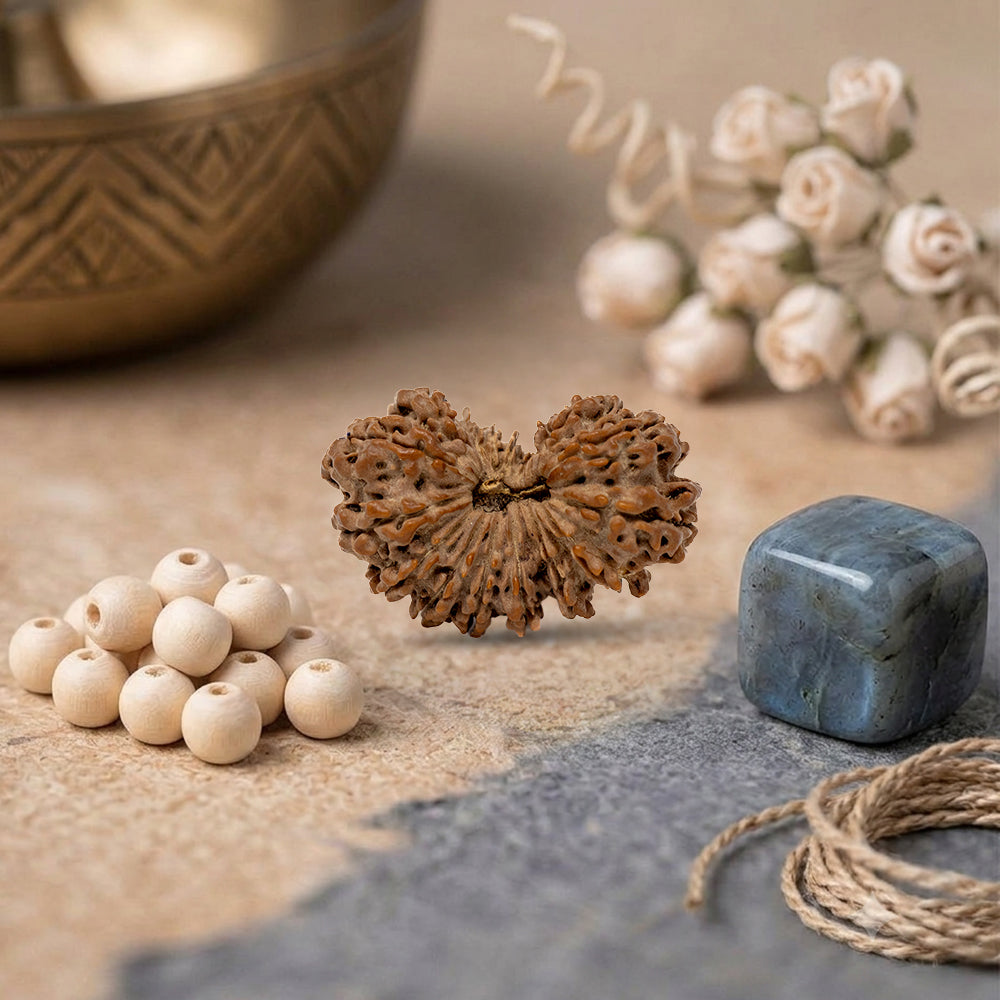
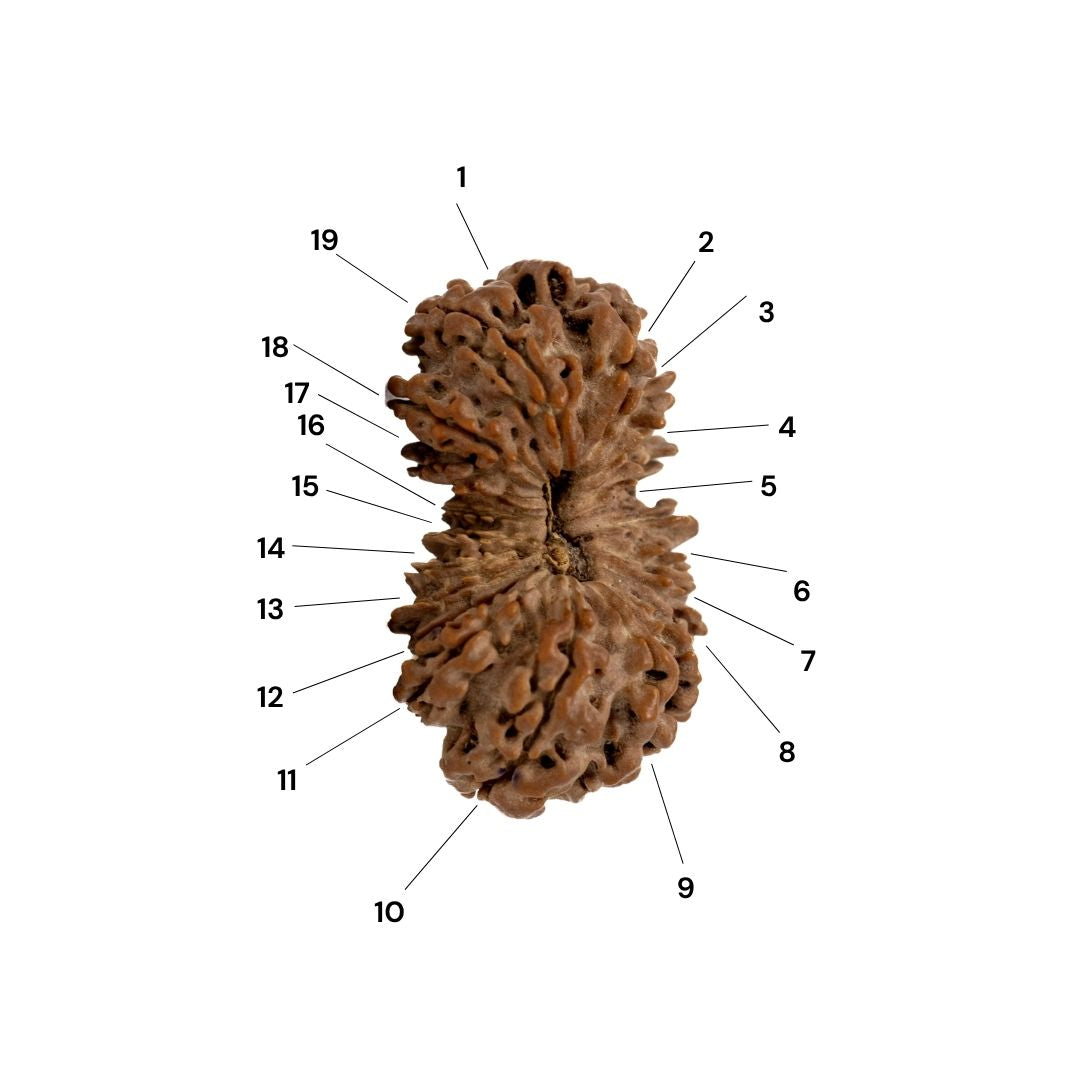
19 Mukhi Rudraksha
Sale priceRs. 590,000
Regular priceRs. 790,000
Save 12%
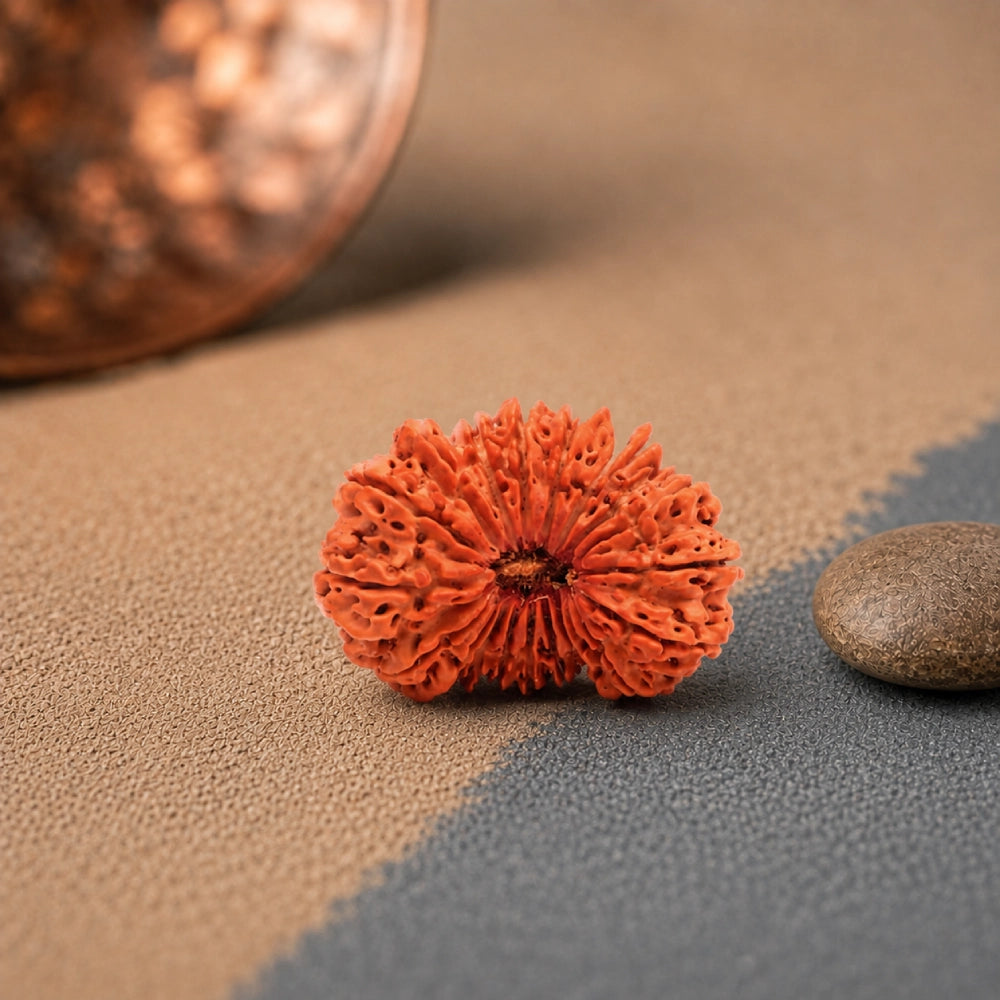
20 Mukhi Rudraksha
Sale priceRs. 2,792,000
Regular priceRs. 3,184,555
Save 7%

21 Mukhi Rudraksha
Sale priceRs. 13,000,000
Regular priceRs. 14,000,000
Save 10%

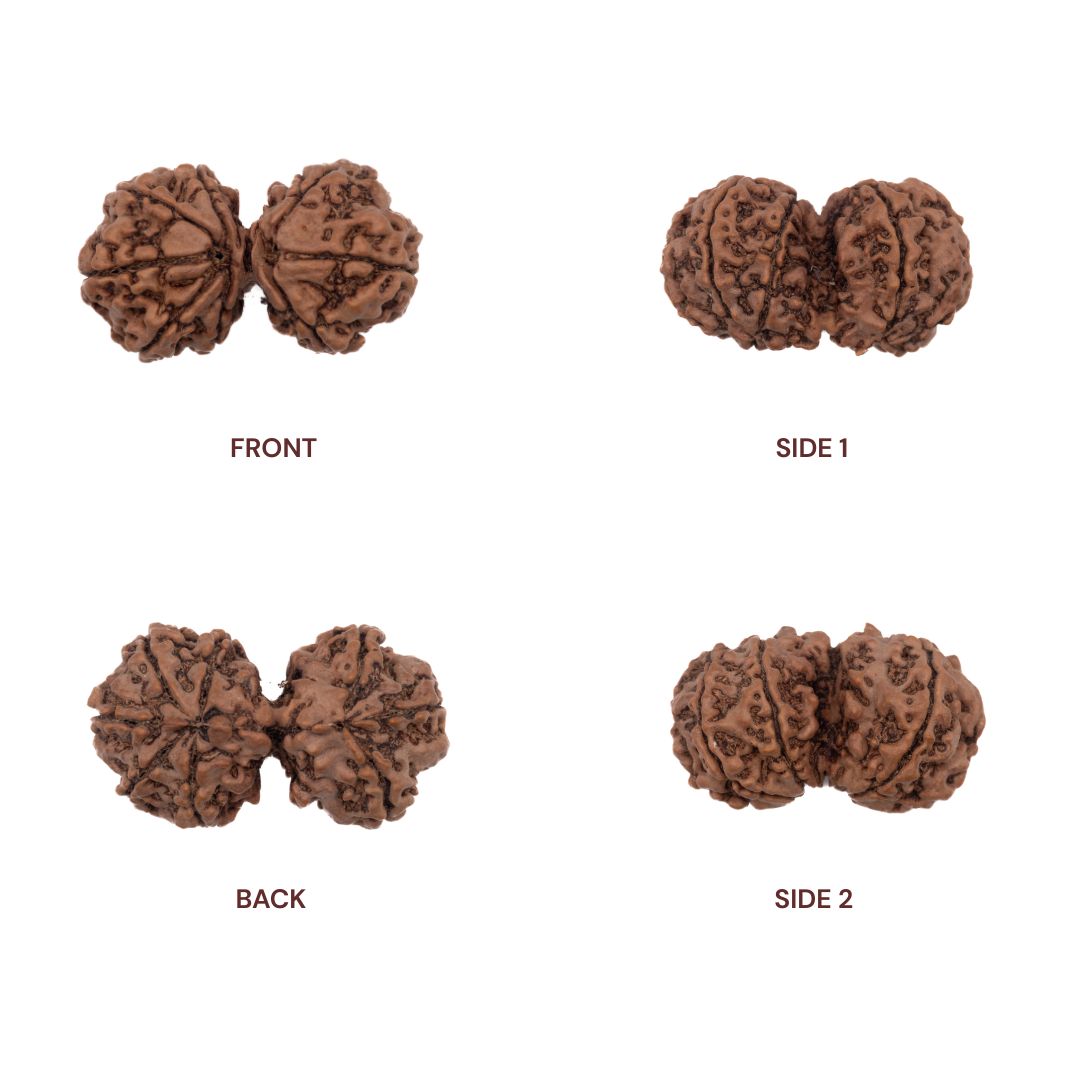
Trijuti Rudraksha
Sale priceRs. 3,800,000
Regular priceRs. 4,200,000
Save 29%

Ganesh Rudraksha
Sale priceRs. 1,490
Regular priceRs. 2,100
Save 18%
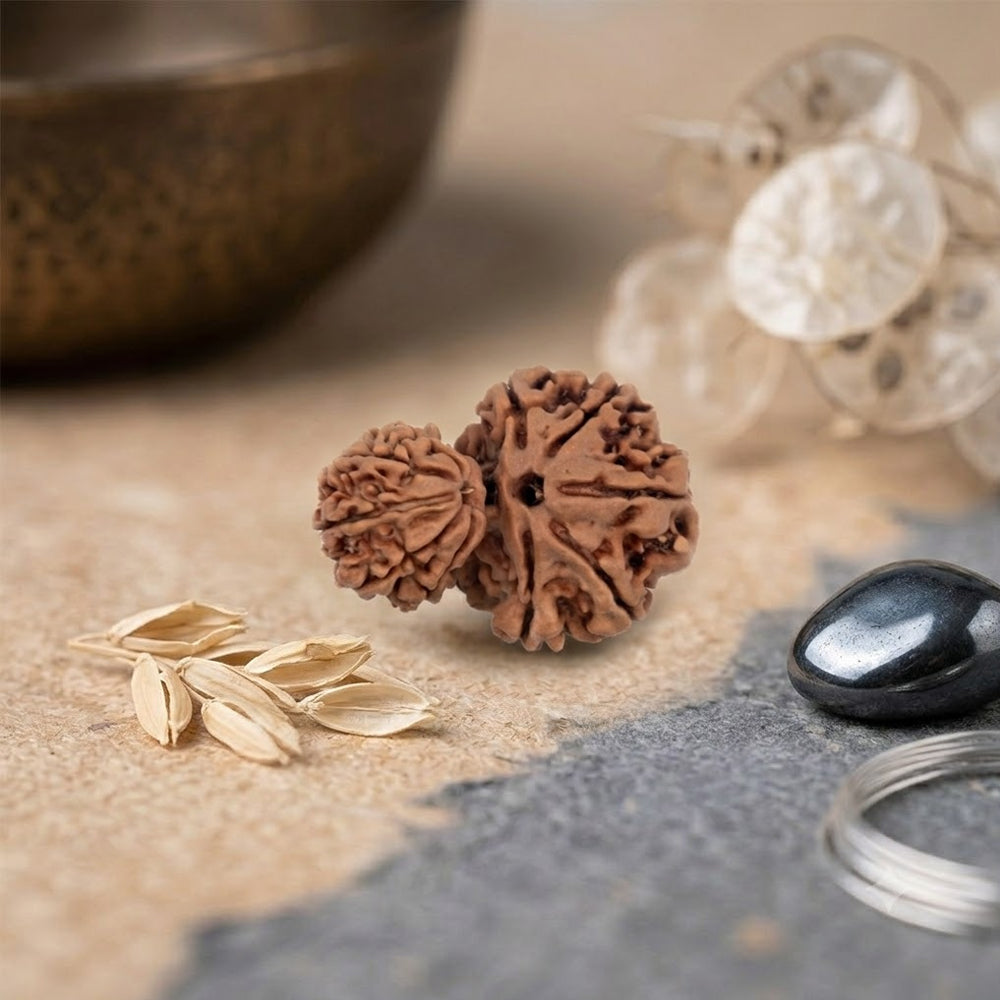
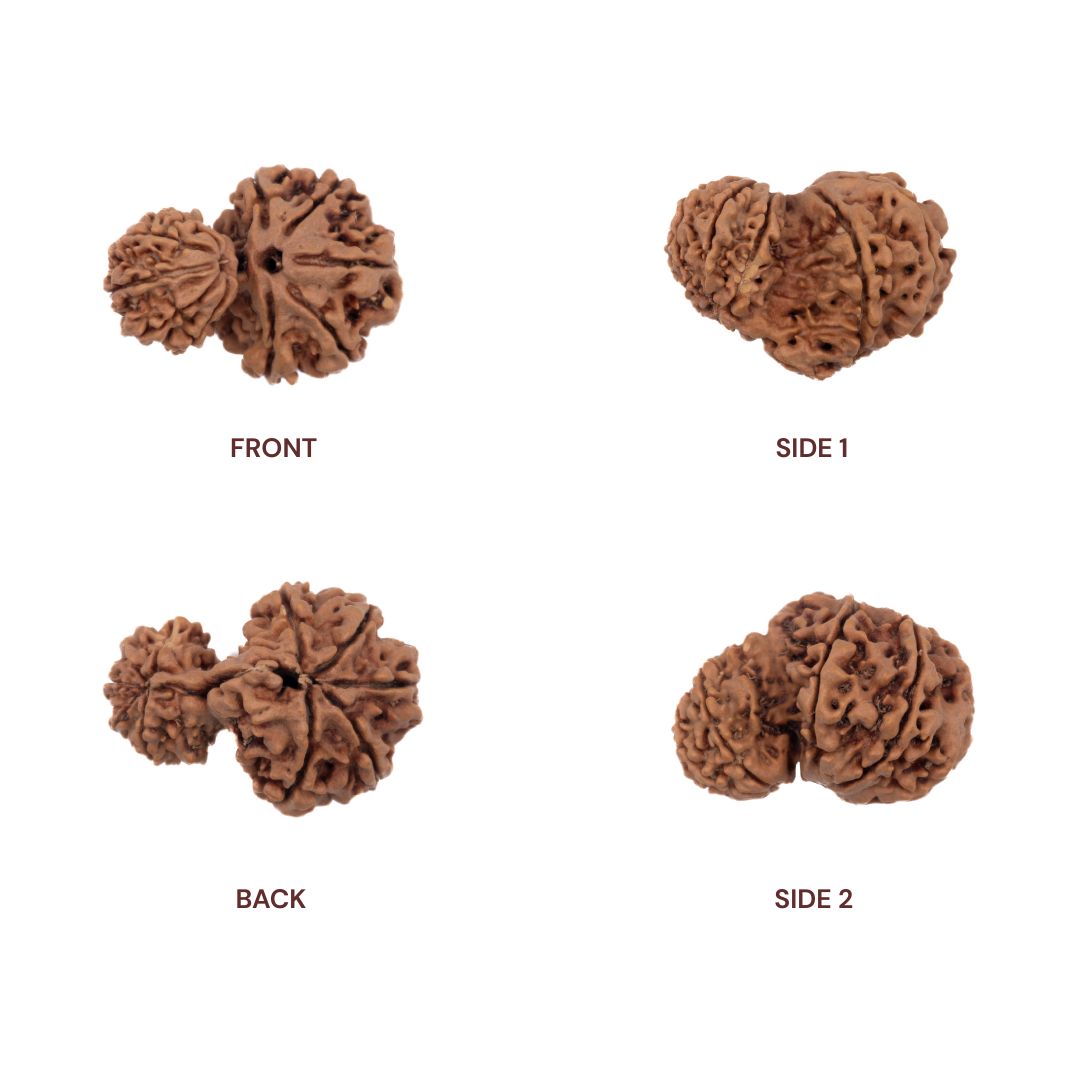
Garbh Gauri Rudraksha
Sale priceRs. 21,000
Regular priceRs. 25,500
Save 18%
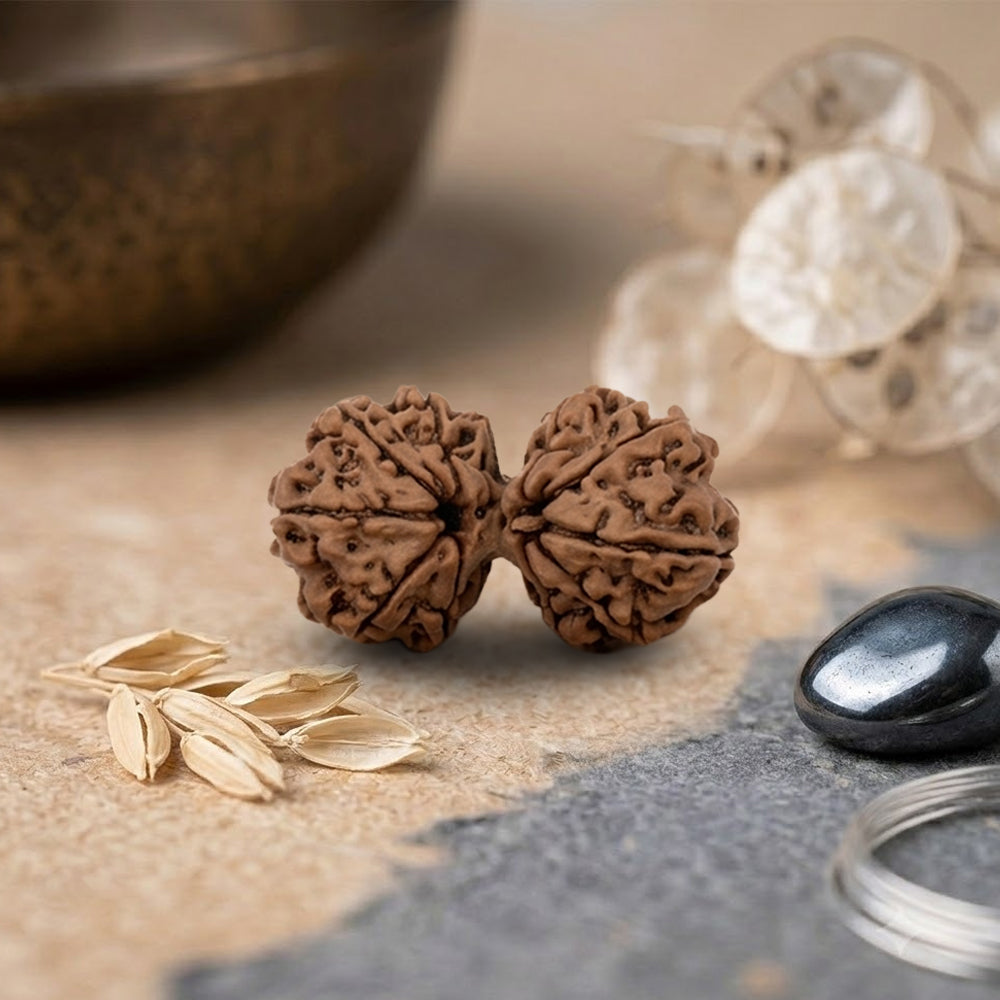
Gauri Shankar Rudraksha
Sale priceRs. 31,000
Regular priceRs. 38,000
Our Best Sellers
Save 29%
₹200 OFF
NAVRATRI200

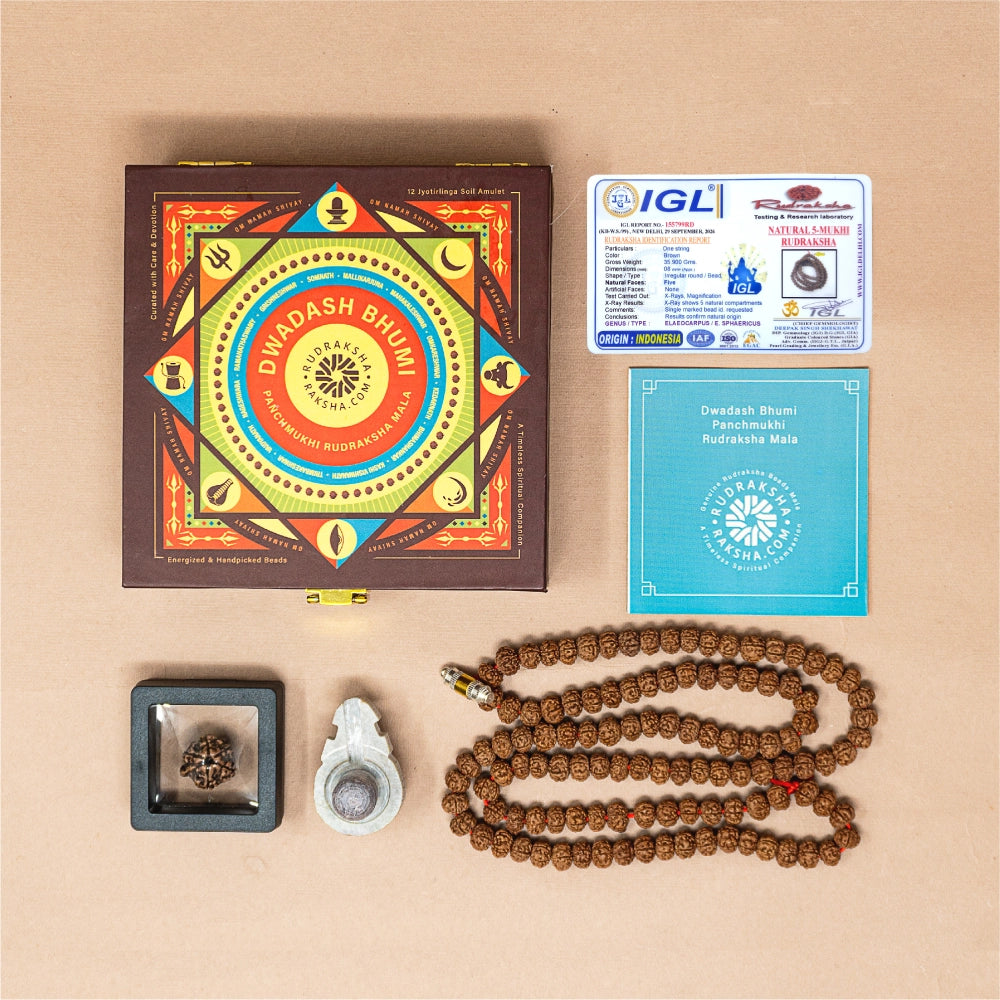
Dwadash Bhumi Panchmukhi Rudraksha Mala
Sale priceRs. 3,190
Regular priceRs. 4,500
Save 29%
₹200 OFF
NAVRATRI200

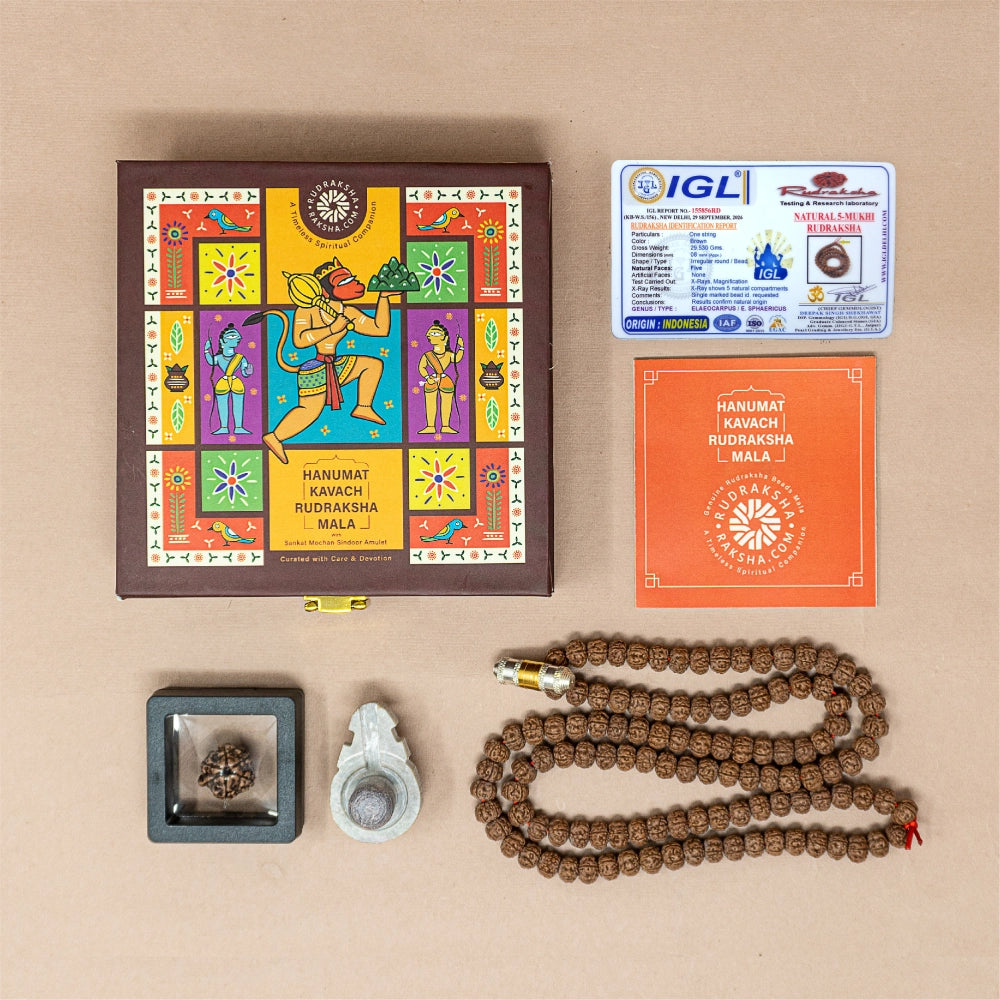
Hanumat Kavach Rudraksha Mala
Sale priceRs. 2,500
Regular priceRs. 3,500
Save 23%
₹200 OFF
NAVRATRI200

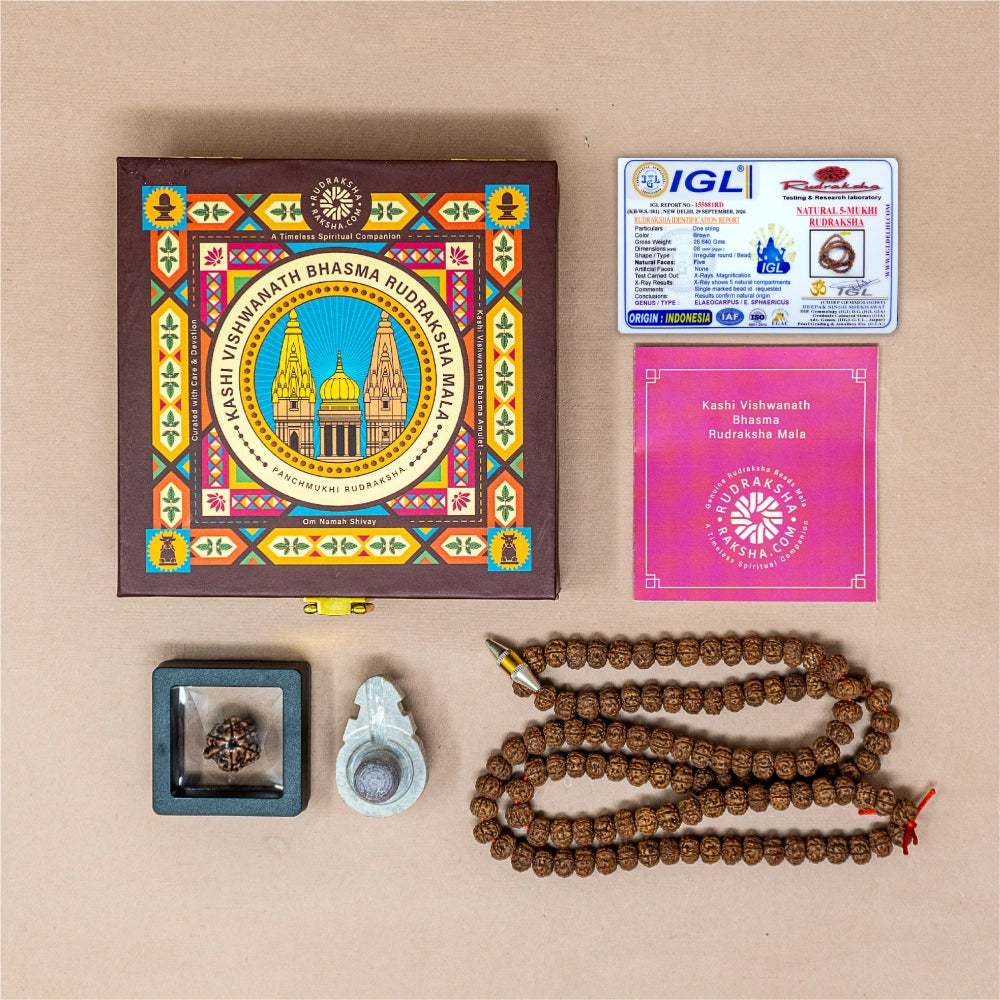
Kashi Vishwanath Bhasma Rudraksha Mala
Sale priceRs. 2,700
Regular priceRs. 3,500
Save 23%
₹200 OFF
NAVRATRI200

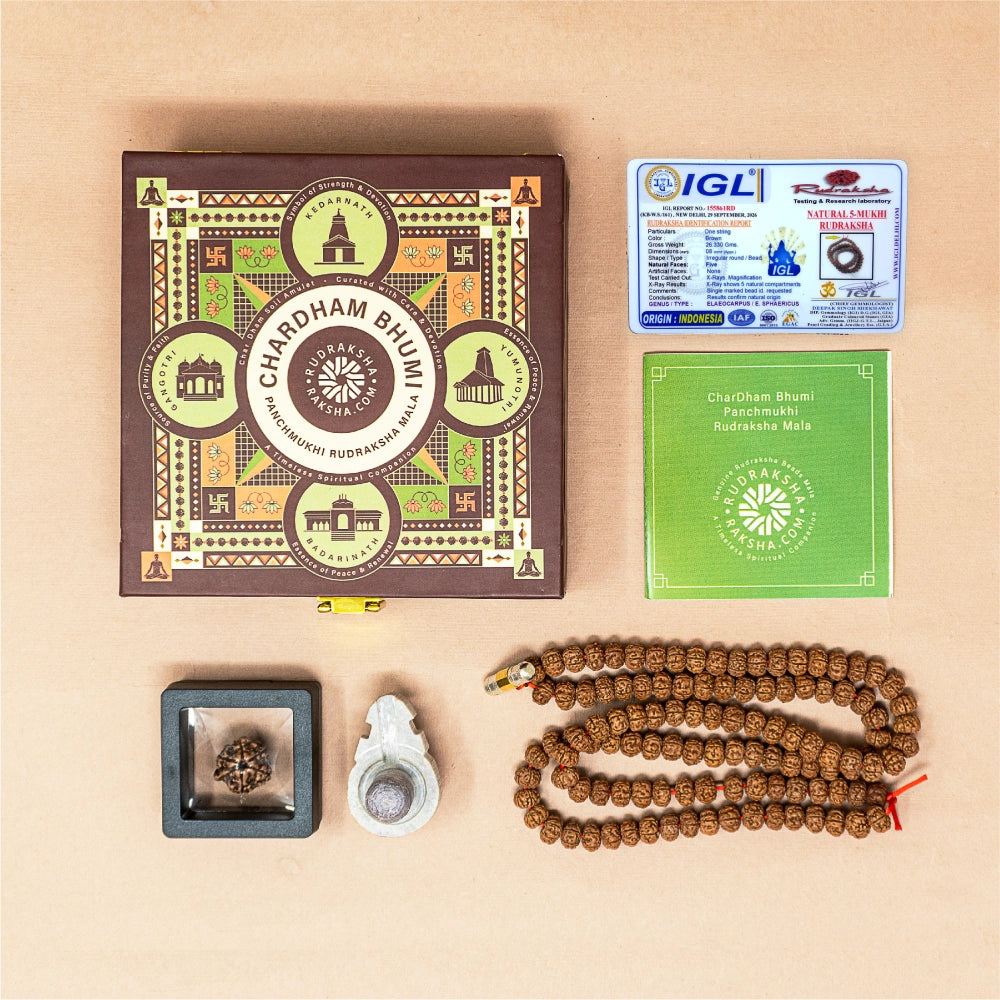
Chardham Bhumi Panchmukhi Rudraksha Mala
Sale priceRs. 2,700
Regular priceRs. 3,500
Save 22%
₹200 OFF
NAVRATRI200
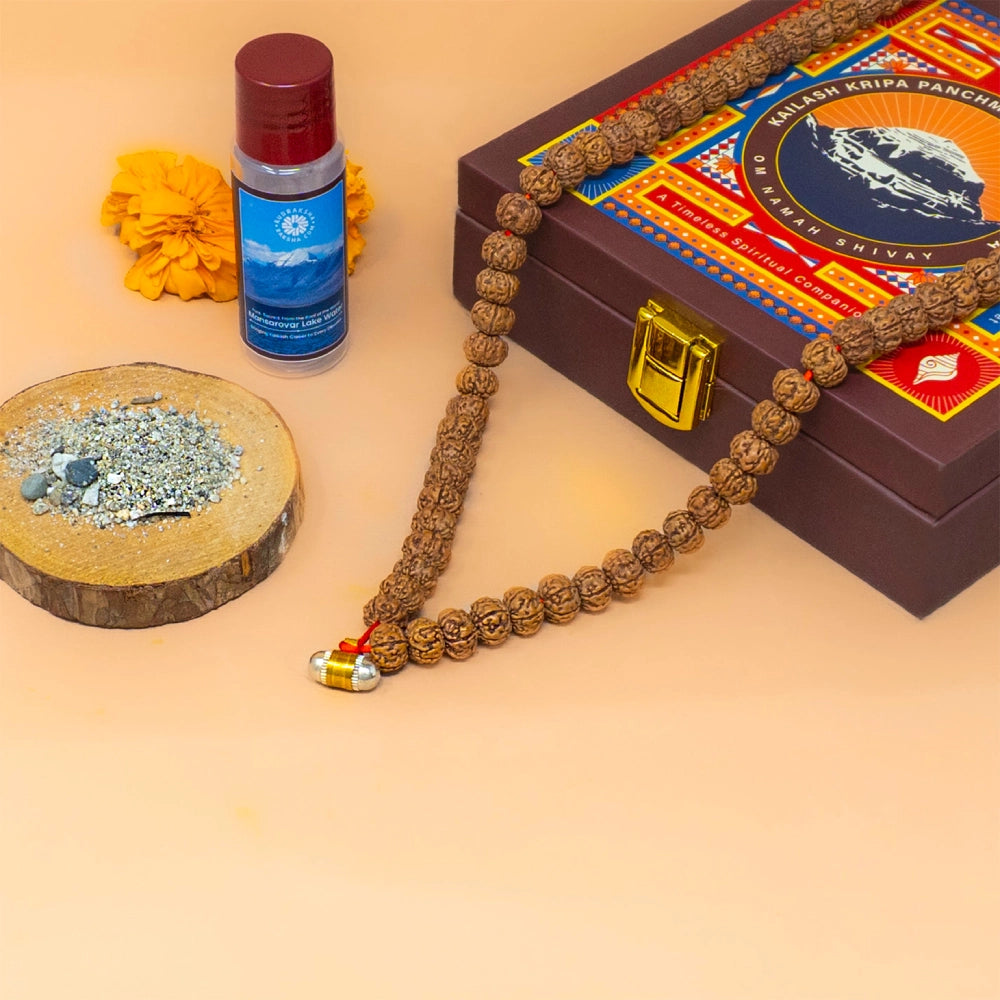
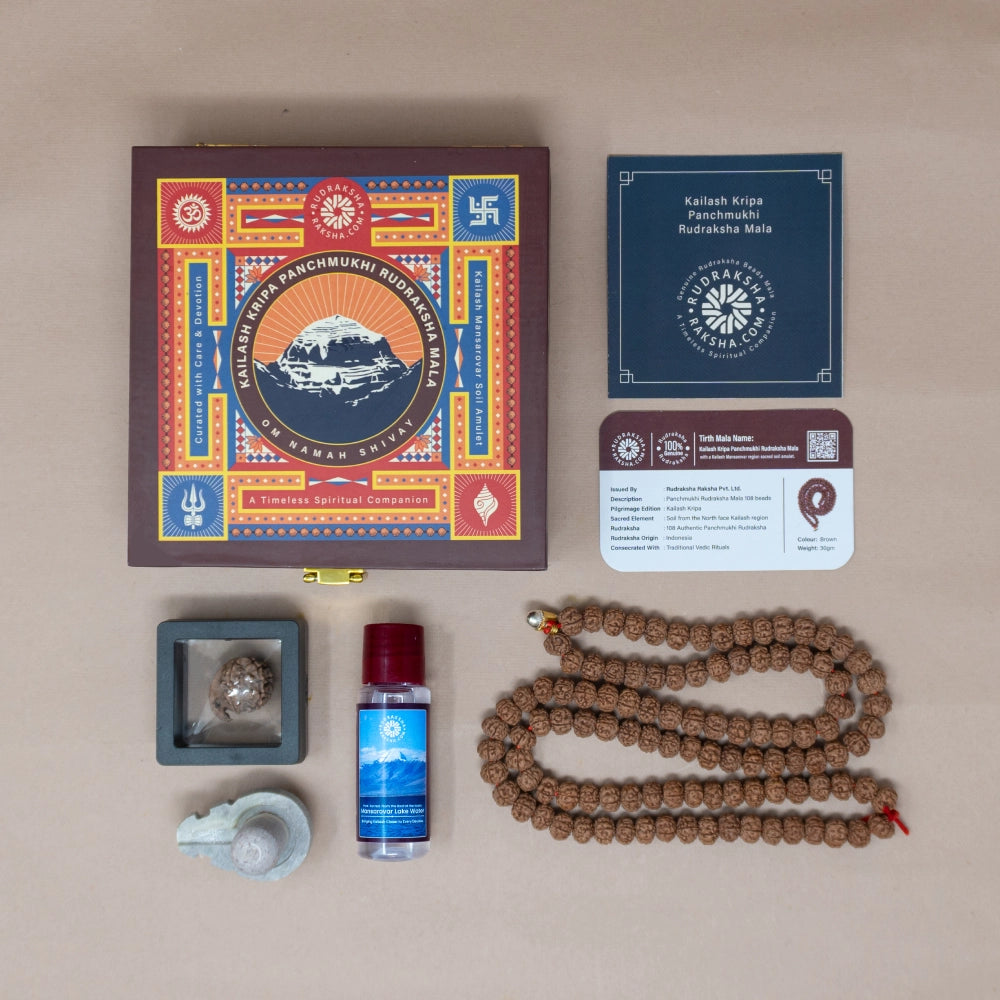
Kailash Kripa Panchmukhi Rudraksha Mala With Mansarovar Jal
Sale priceRs. 7,700
Regular priceRs. 9,900
Save 29%
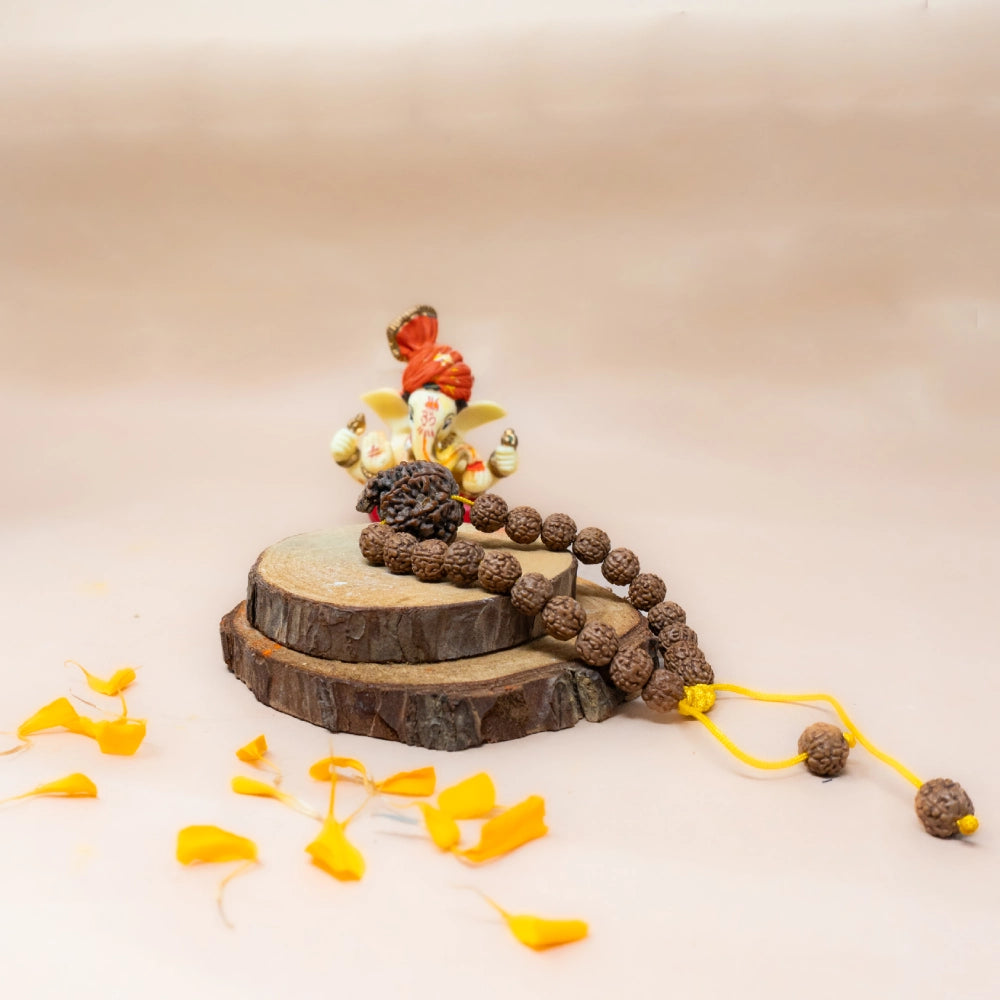
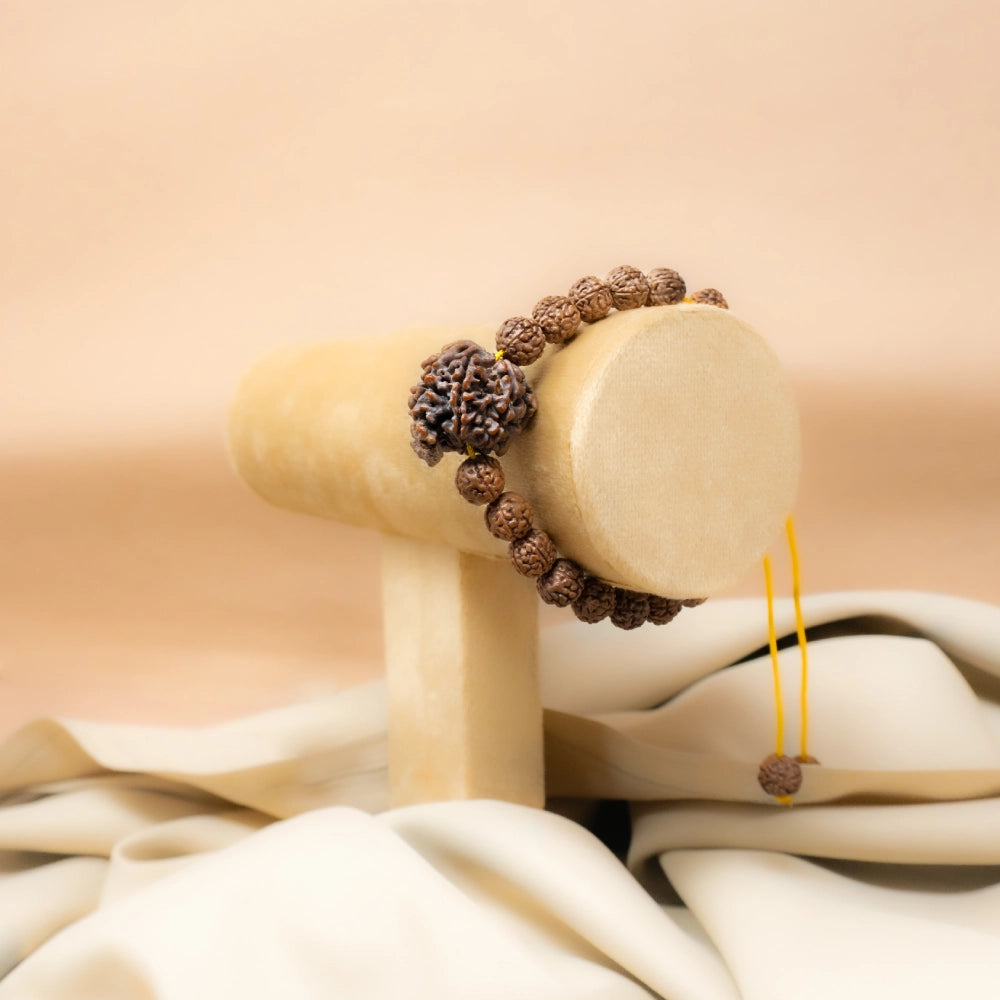
Ganesh Rudraksha Bracelet With 5 Mukhi Beads - Adjustable
Sale priceRs. 1,500
Regular priceRs. 2,100
Save 29%
Ganesh Rudraksha
Sale priceRs. 1,490
Regular priceRs. 2,100
Media mentions
In the News

Your Tirth, Your Way: A Blessing That Reminds You Of Divine Presence Wherever You Go
I remember my Dadi Maa went to Kashi once when I was a kid in 5th standard. It’s been almost 28 years now, and when I ask her about one memory that she carries in her heart, she always remembers it by the train fare and standing in the queue for nearly two or so hours, not the date.

Kashi and the Cultural Significance of Mahakaal in Hindu Tradition
4 AM, the ghats of Kashi are awake even before the sun rises. Manikarnika’s strongest pursuit is burning round the clock, liberating souls from the karma of life and death. And over hundreds of Ganga ghats, evening aartis, decorated boat rides, savoury Chat corners, malaiyyo, and Banarasi Paan are what have been attracting travellers from all across the globe.

पंचमुखी रुद्राक्ष को भगवान शिव का ही स्वरूप माना जाता है और इसे धारण करना आध्यात्मिक साधना, सकारात्मक ऊर्जा तथा मानसिक शांति का प्रतीक माना जाता है.
"काश! मुझे भी महादेव बुला लेते…काश मैं भी धाम जा पाता" यह इच्छा न जाने कितने ही अनगिनत भक्तों के मन में उमड़-घुमड़कर आती रहती है. सच तो ये है कि, तीर्थयात्रा पर जाना किसी स्वप्न के पूरे होने जैसा ही लगता है. लेकिन क्या वास्तविकता में इन तीर्थों पर जा पाना इतना आसान होता है? भगवान शिव के पवित्र कैलाश पर्वत की कठिन परिक्रमा, द्वादश ज्योतिर्लिंग, चारधाम, केदारनाथ या काशी में बाबा विश्वनाथ के दर्शन की कामना लिए, भक्तों का इन सभी पवित्र तीर्थों पर पहुंच पाना बहुत मुश्किल है. ये तो आप भी समझते हैं, कभी बढ़ती उम्र, स्वास्थ्य संबंधी चुनौतियां, पारिवारिक दायित्व, समय की कमी या आर्थिक परिस्थितियां, इनमें से कोई न कोई वजह आपके और तीर्थ के बीच दूरी बना देती है. हालांकि, आपकी आस्था और ईश्वर की कृपा किसी दूरी/वजह की मोहताज नहीं है.

Kailash Kripa Panchmukhi Rudraksha Mala: Bringing the essence of Kailash closer
Kailash may sound far from your reach. Somewhere in the remotest region of Tibet. We have all grown up listening to the stories of Kailash from our grandmas. Because, don’t we all know the story as ‘Shiv Ji to Maa Parvati ke sath Kailash Parvat par hi vaas karte hain?’ A sense of nostalgia hits us when we think of those bedtime stories of Kailash Parvat.

7-Day Easy Returns
T&C Apply

Free Shipping
Pan India

Lab Certified
Tested by IGL Delhi

Energized & Activated
for Astrological Results

Hand-Picked Beads
Bead by bead, unbroken


