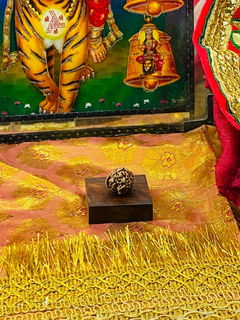


Tirth Rudraksha Mala
Upgrade Your Rudraksha with Deeper Shiva Connection
Some pilgrimages sit in our hearts for years before we ever make them. Kailash, Kedarnath, Kashi, the Chardham, we keep promising ourselves we will go, and then distance or health or plain everyday life pulls us elsewhere, and the journey waits another year.
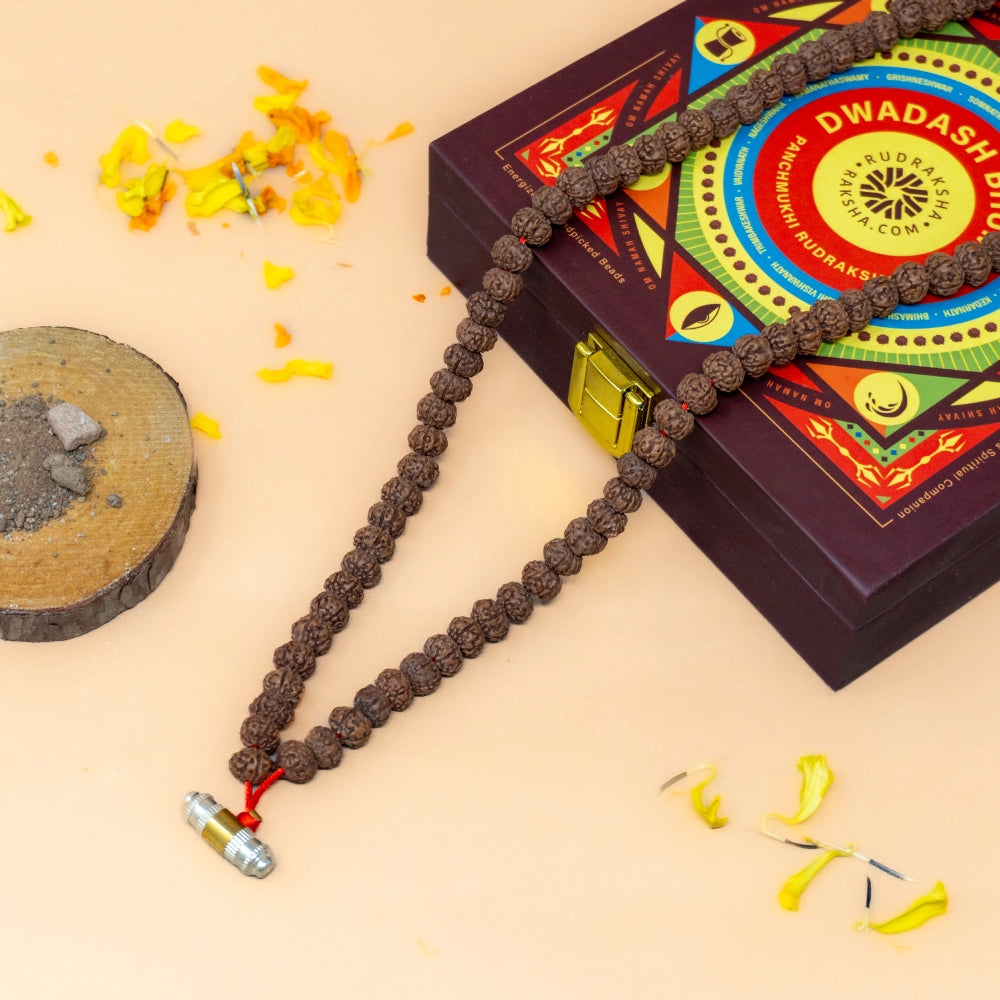
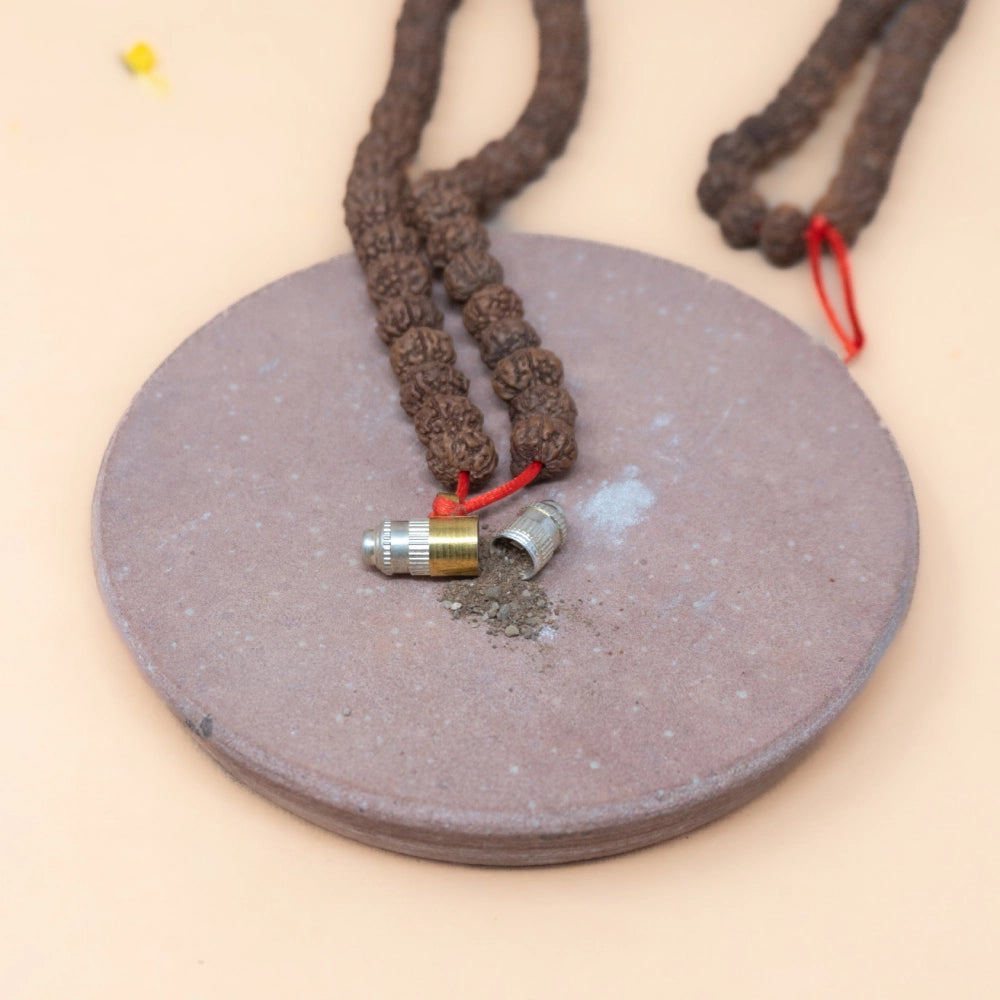
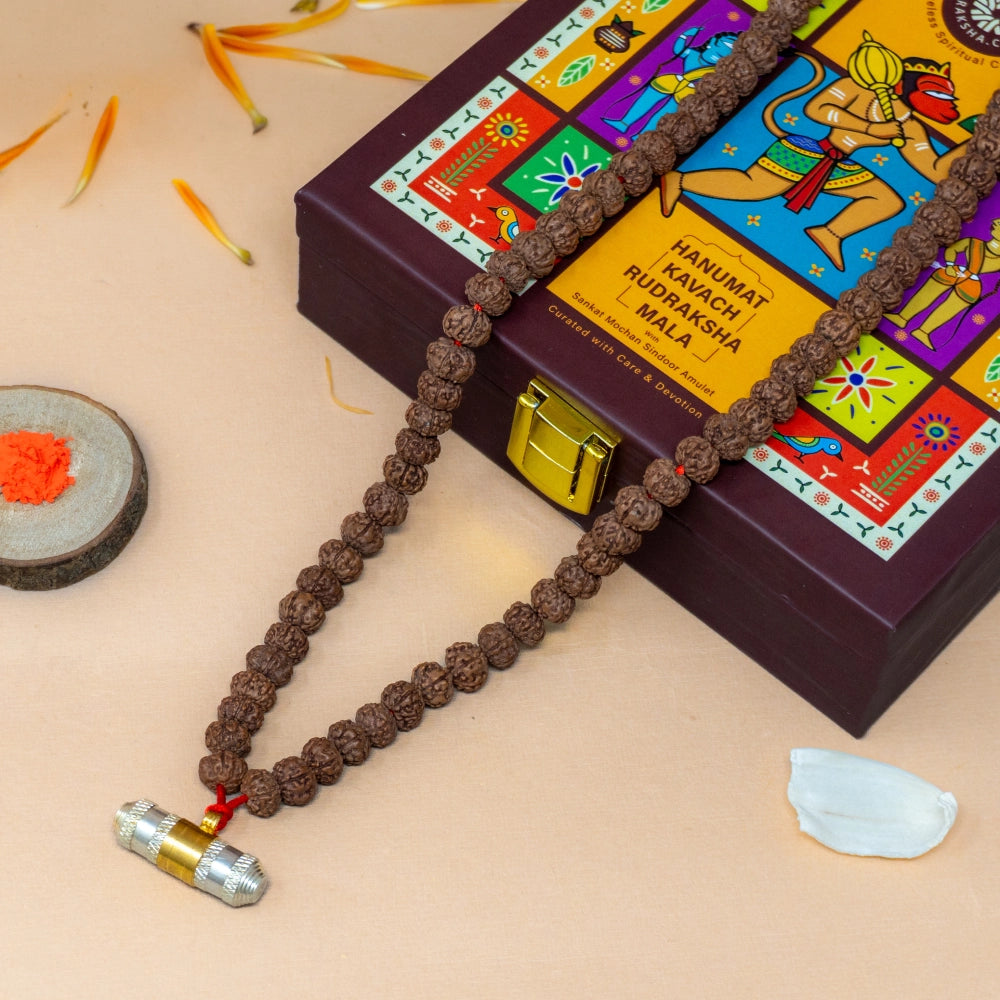
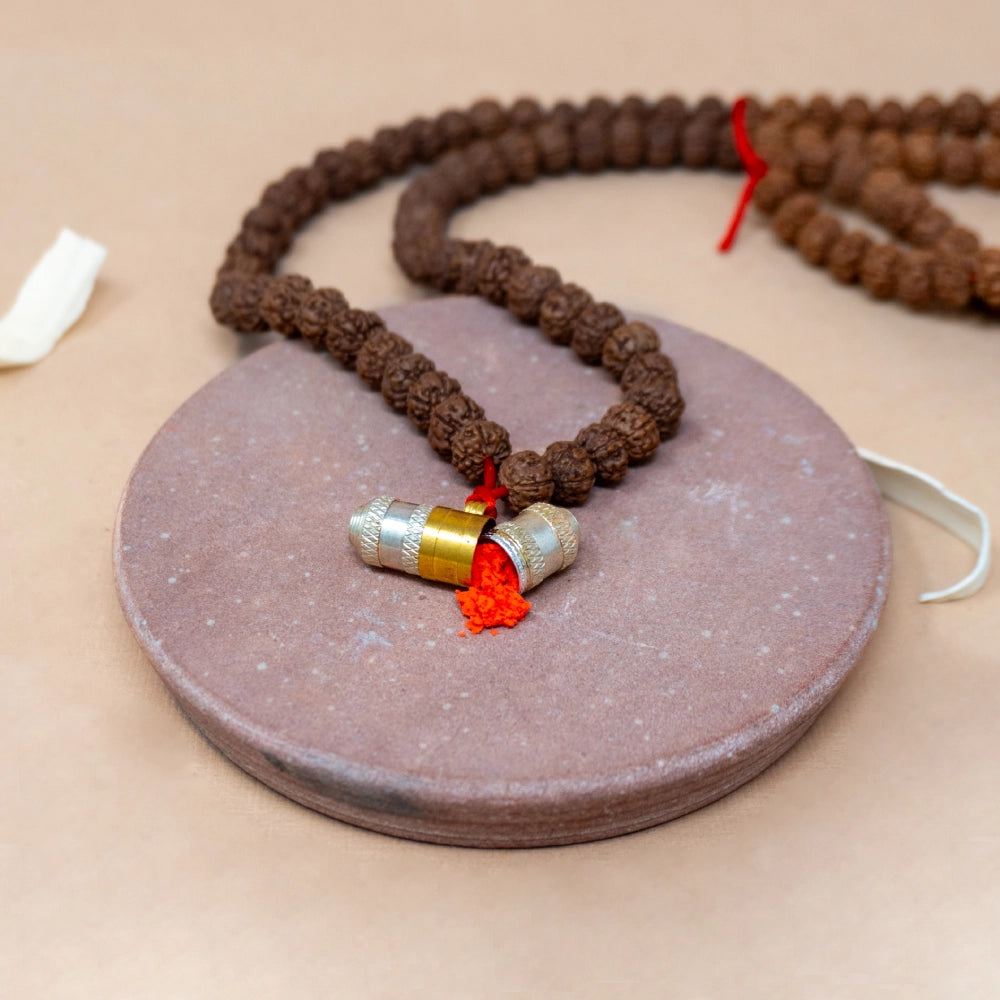
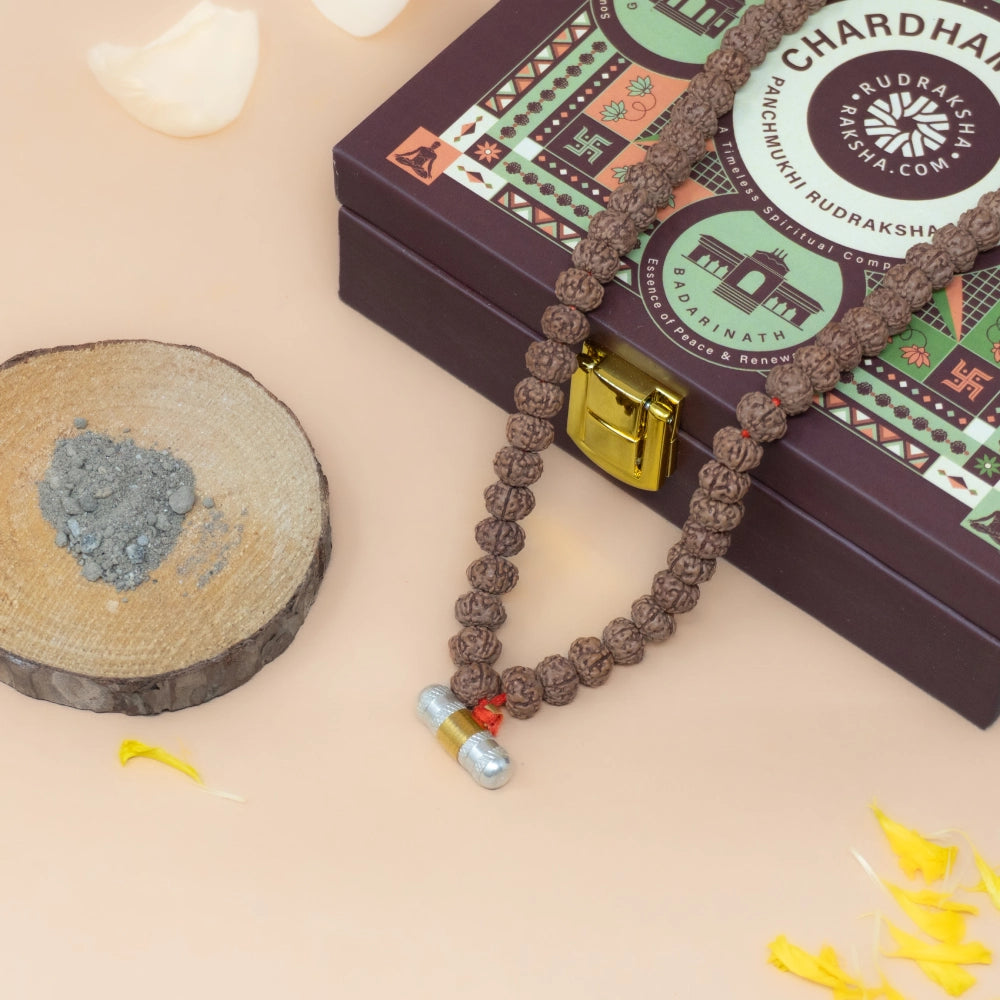
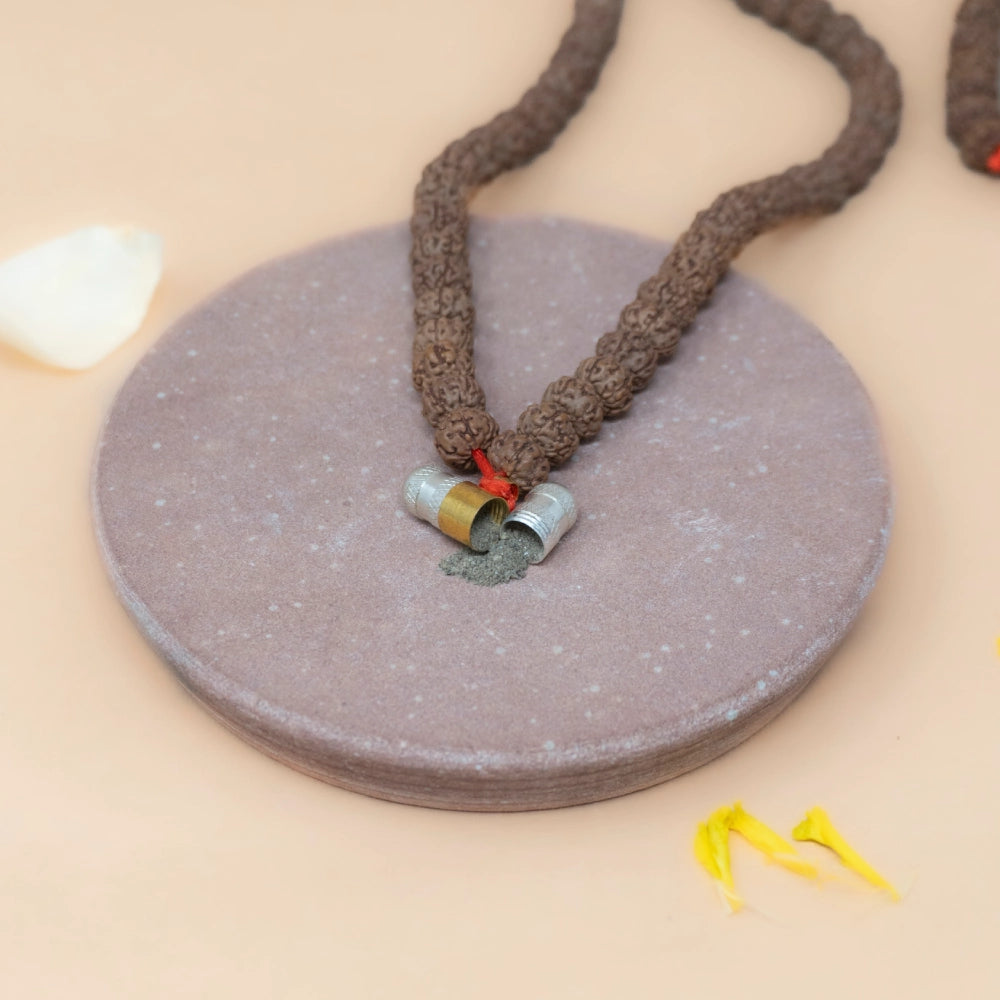
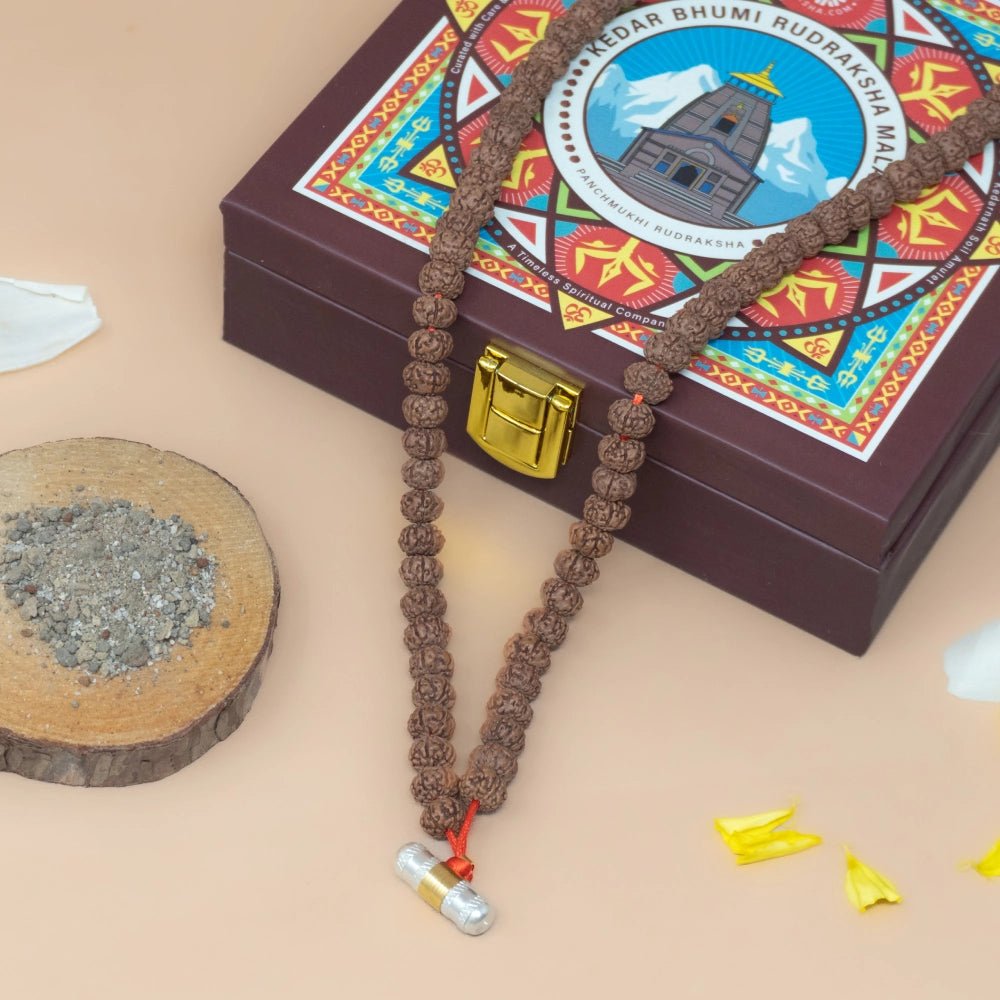
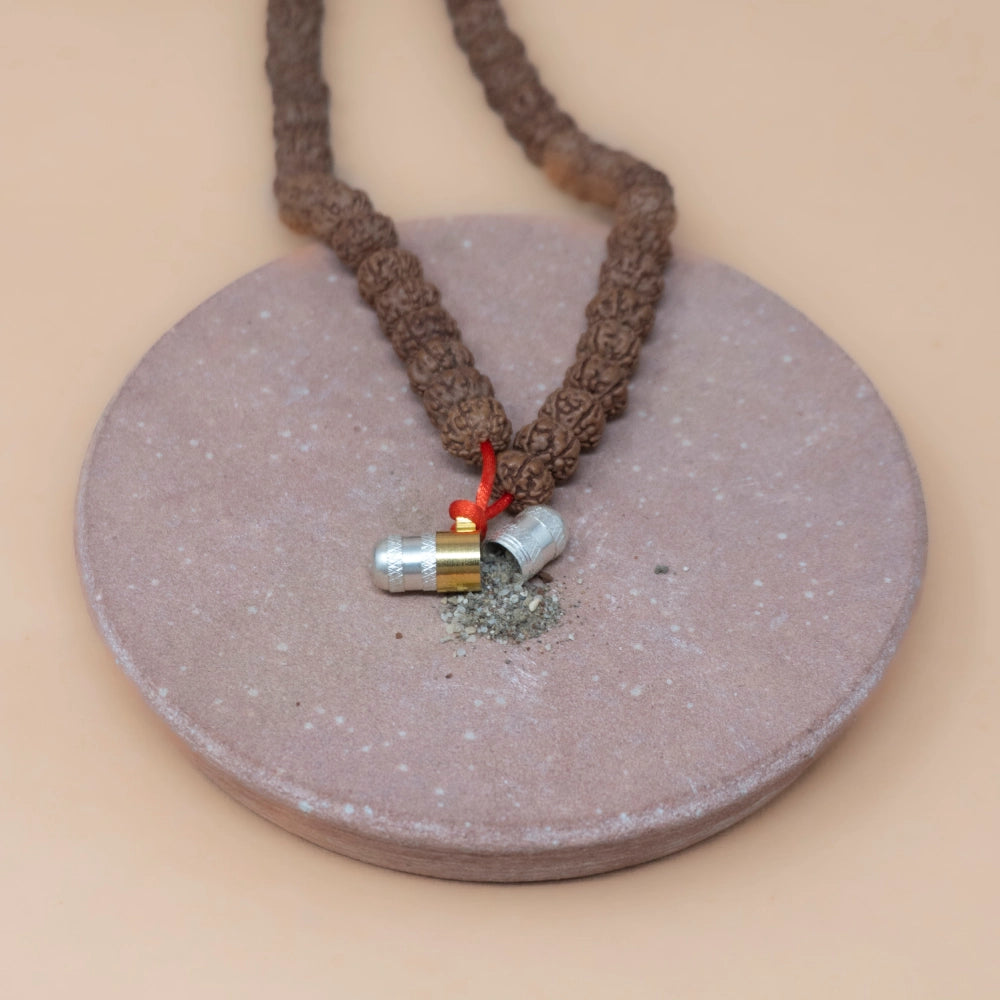
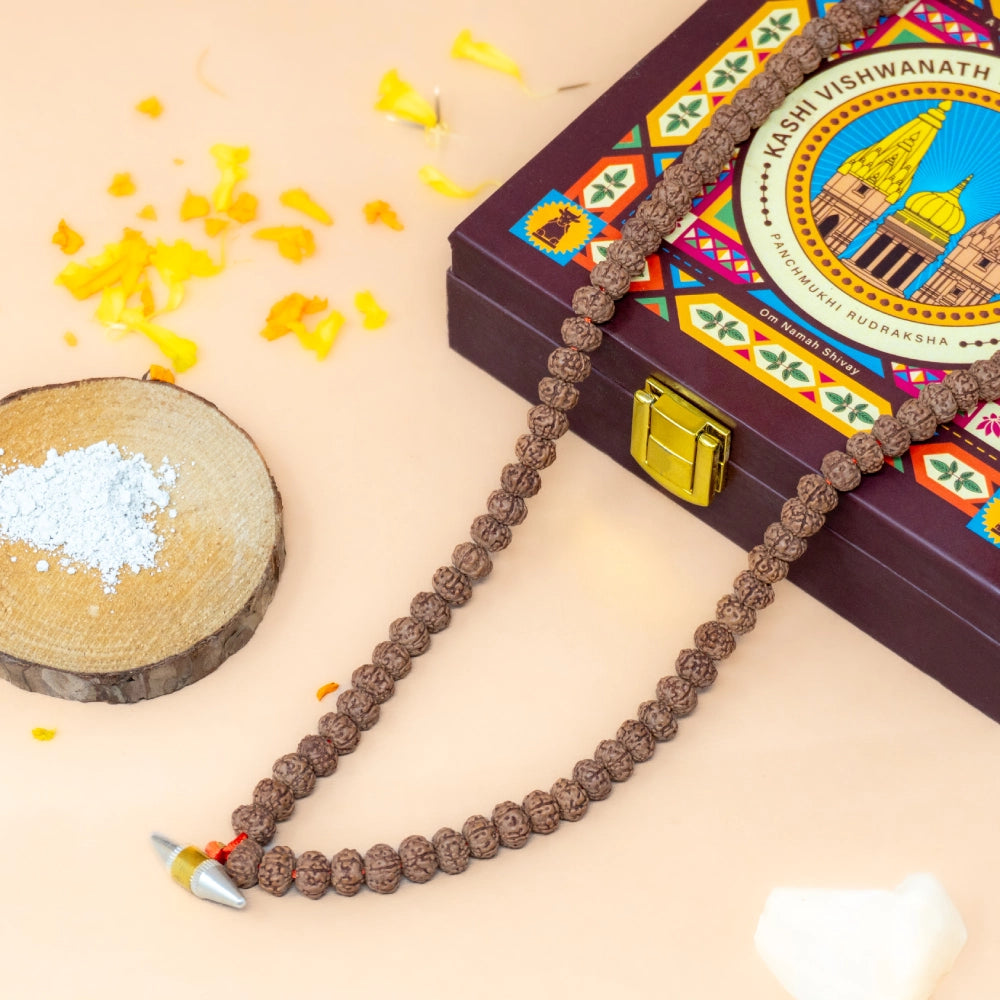
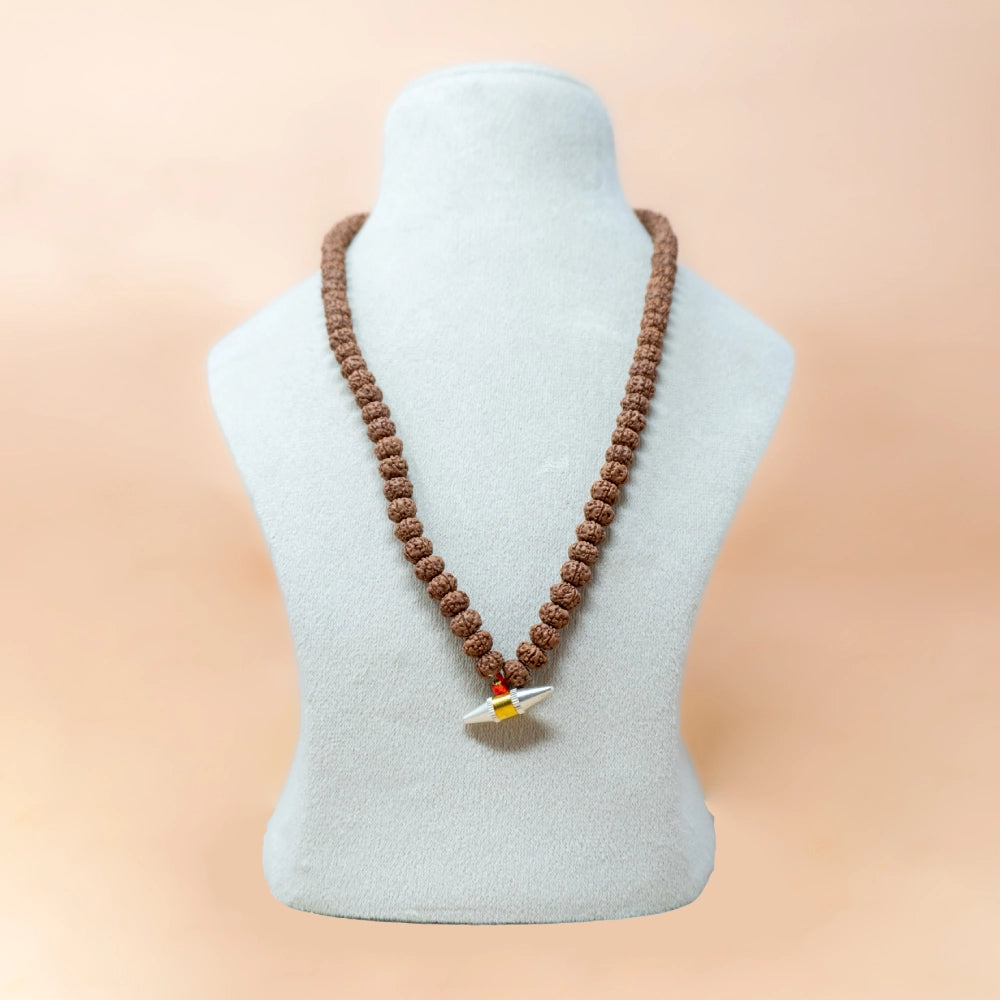
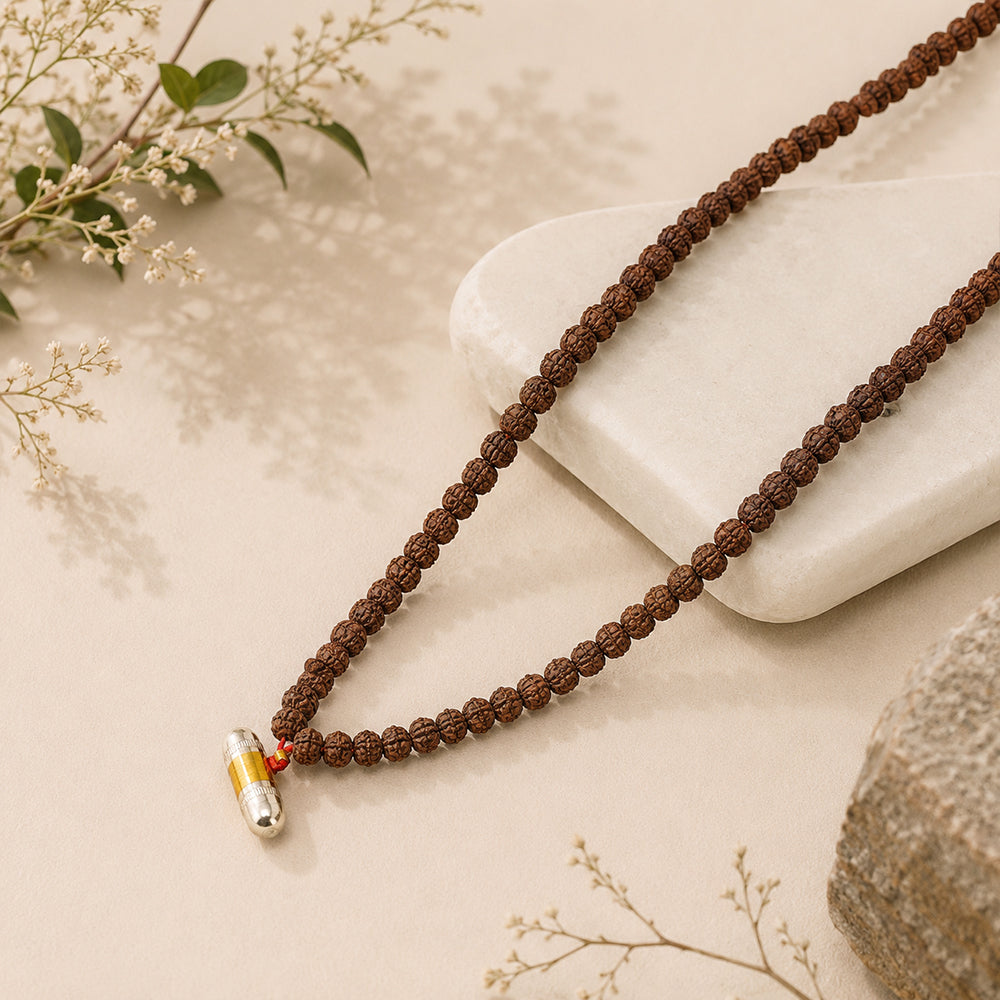
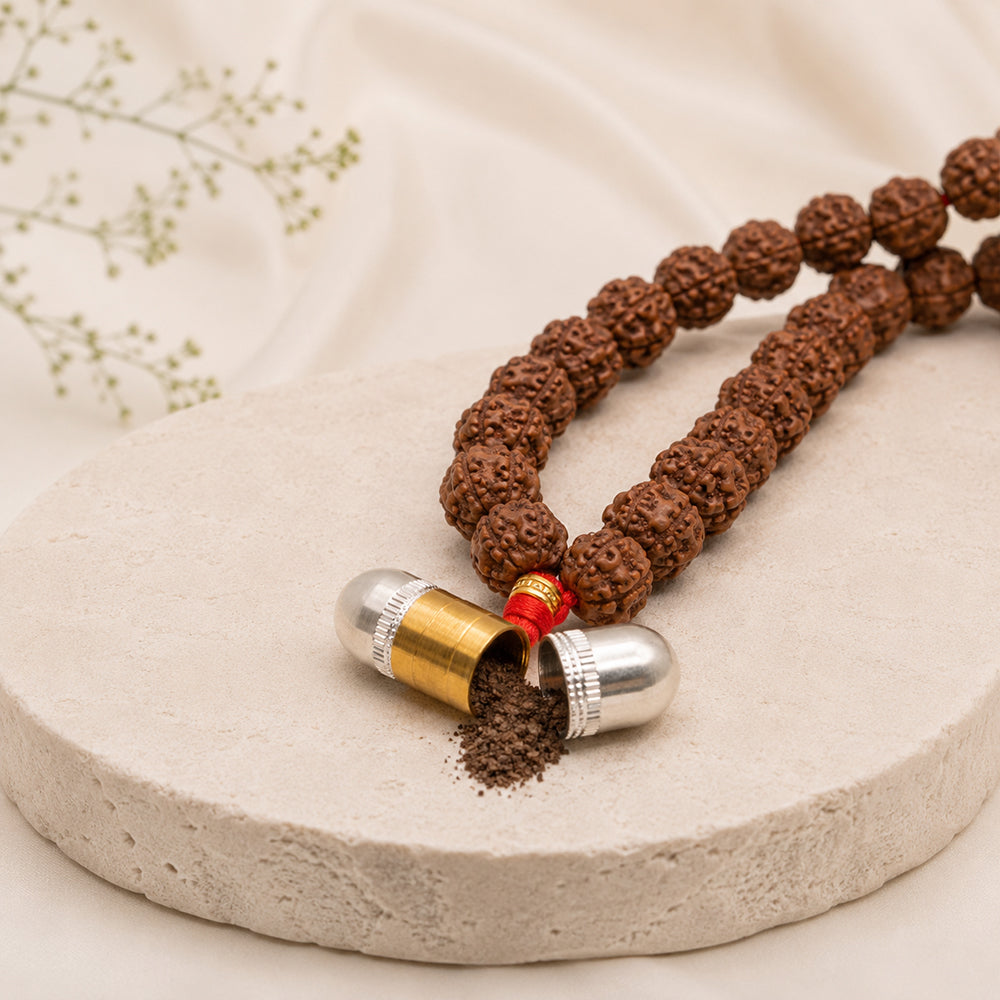
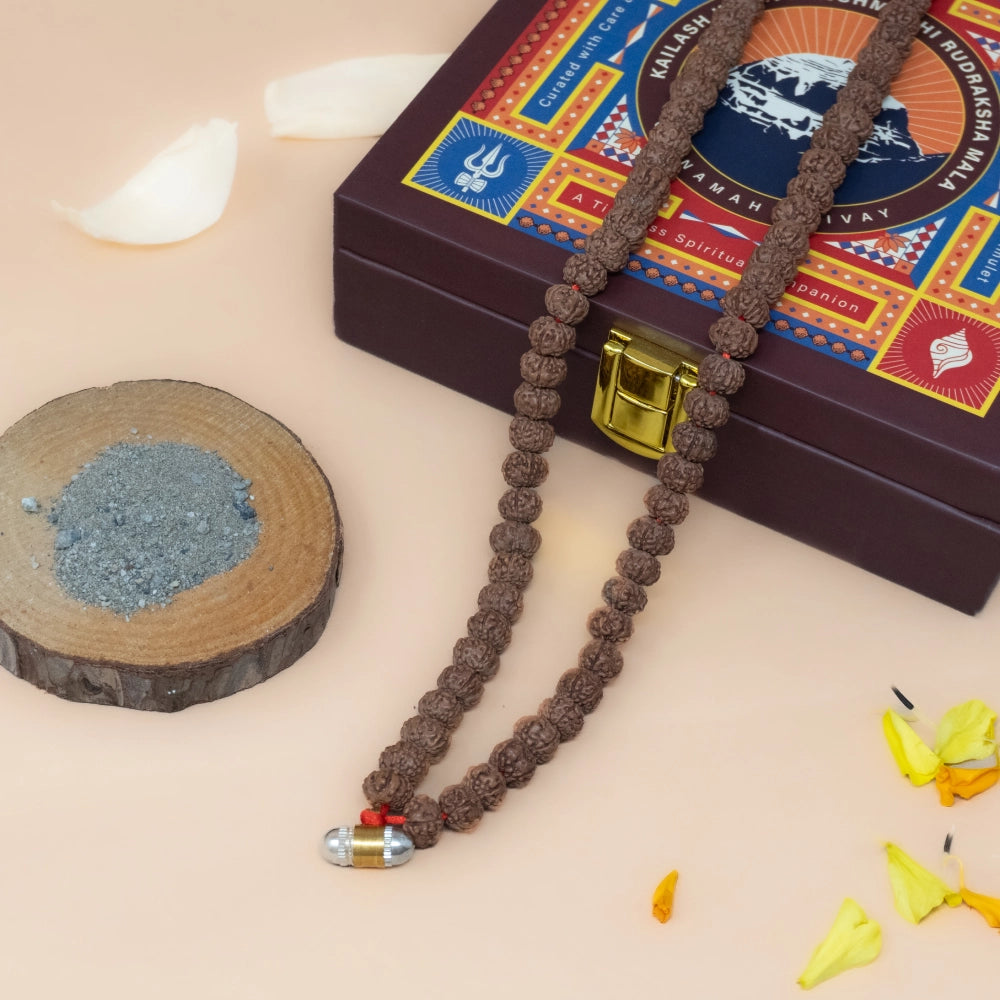
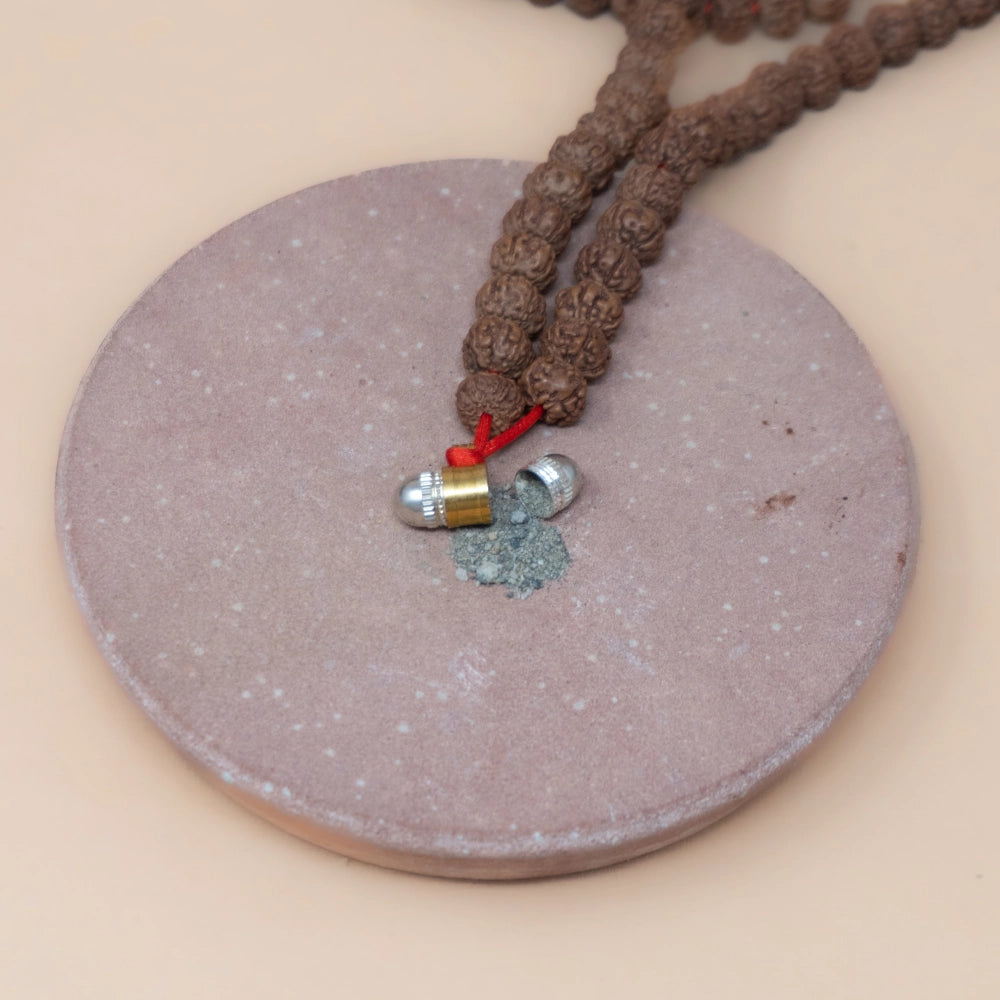
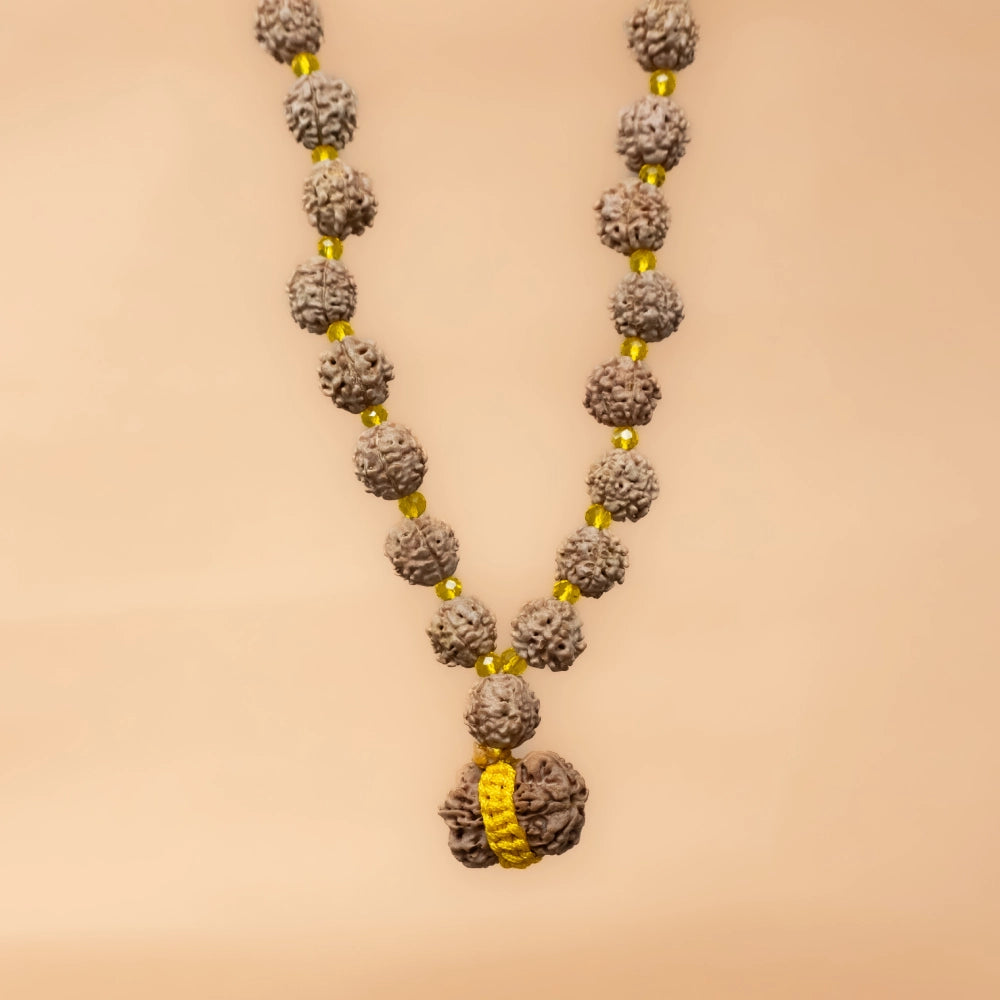
This collection grew out of that waiting. Every Tirth Rudraksha Mala is a complete Panchmukhi Rudraksha mala, and at its centre sits a small amulet holding something real from the pilgrimage it belongs to, the soil, the bhasma, or the sindoor of that place itself.
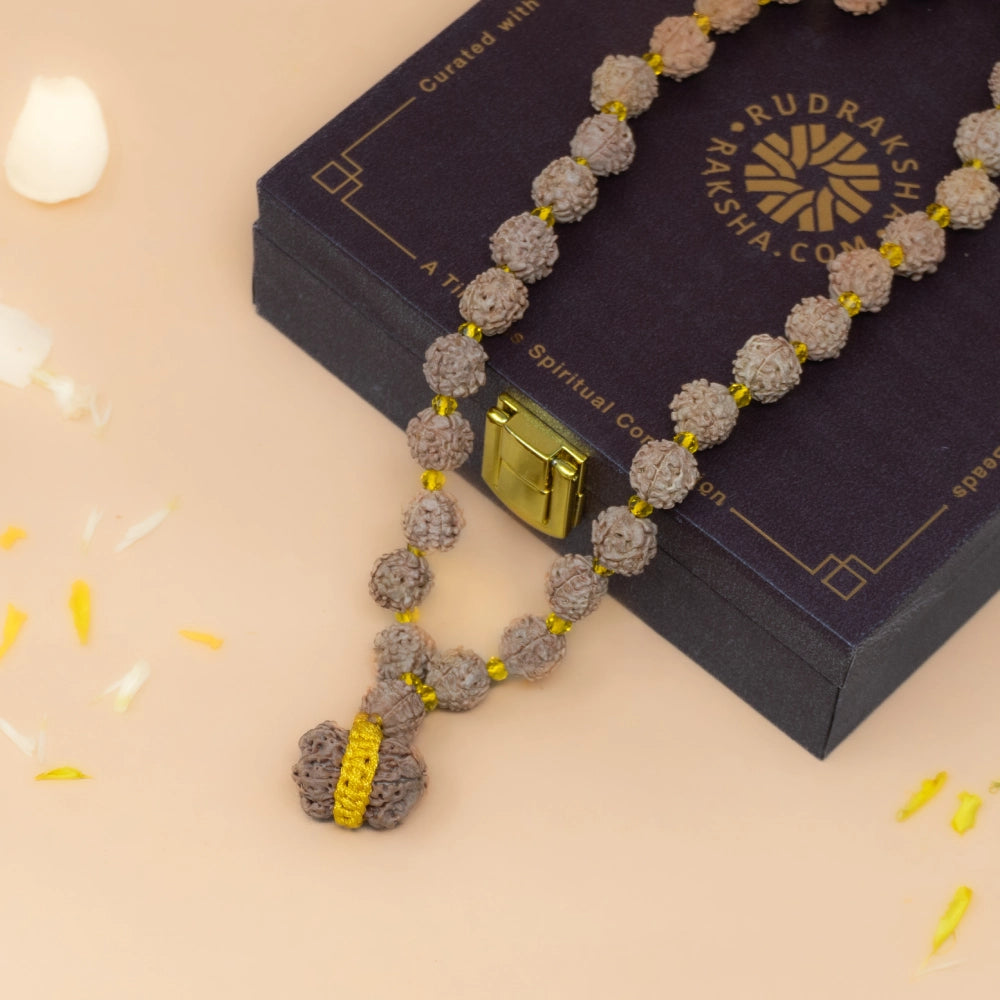
So the Kailash Kripa Panchmukhi Rudraksha Mala keeps a little of the Mount Kailash region with you through the day. The Kashi Vishwanath Bhasma Rudraksha Mala holds the sacred bhasma from the Kashi Vishwanath Temple. The twelve Jyotirlingas, the Char Dham, Kedarnath, the five Kailash peaks, each one has its own mala in this collection.
A tirtha's power and blessings stay in the land around it and that is why devotees used to carry home a handful of mitti from the tirth kshetra for generations, keeping it in the puja ghar long after the trip ended.
That is the same soil, bhasma, or sindoor resting inside your amulet, gathered from the tirtha it belongs to.
You may not reach the tirth this year, or even the next. Wear a Tirth Rudraksha Mala though, and a part of it travels with you all the same.
Our Best Sellers

7-Day Easy Returns
T&C Apply

Worldwide Shipping
Free Delivery in India

Mukhi Verified
Counted by hand

Energized & Activated
for Astrological Results

Hand-Picked Beads
Bead by bead, unbroken