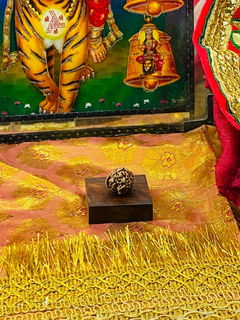


16 Mukhi Rudraksha
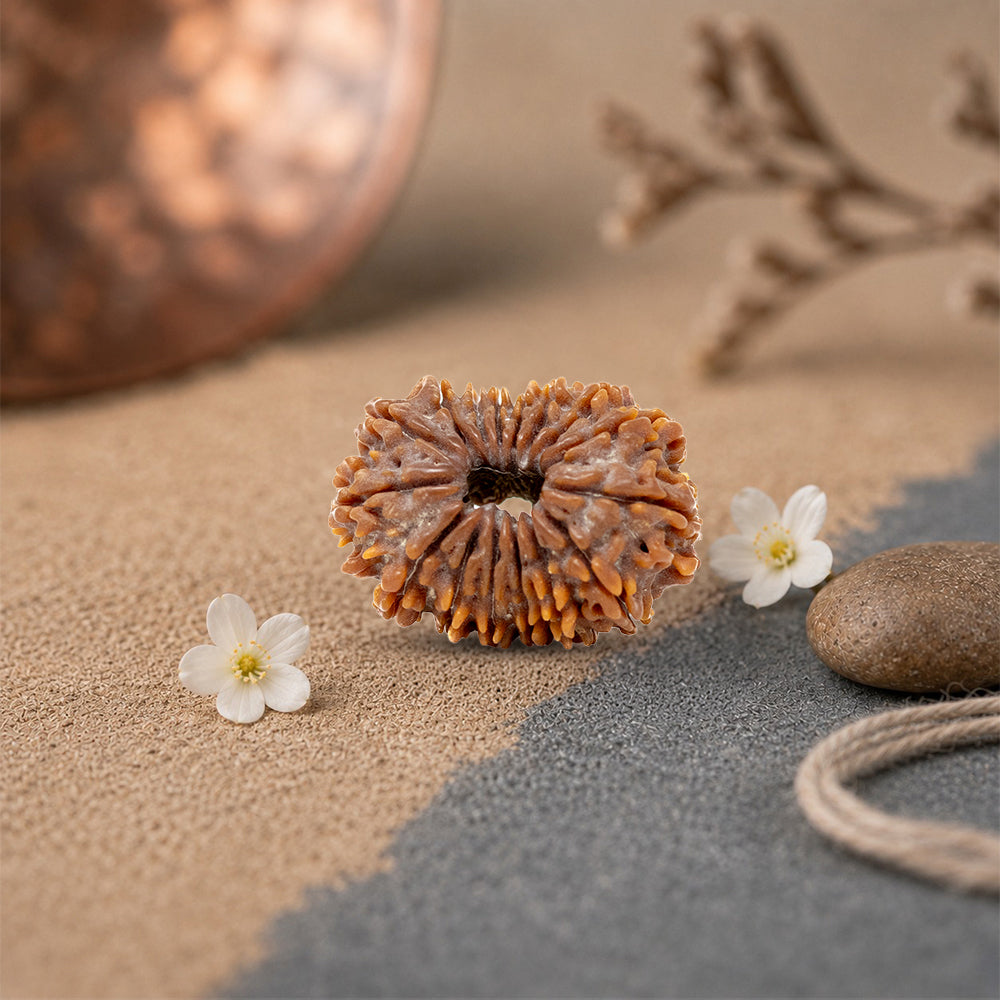
The 16 Mukhi Rudraksha is a sixteen-faced sacred bead that represents the protective and victorious energy of Lord Mahamrityunjaya Shiva.
The 16 Mukhi Rudraksha is revered as a symbol of divine protection and fearlessness. Associated with Lord Mahamrityunjaya Shiva, it is traditionally worn by those seeking strength, confidence, and protection from obstacles and negative influences.
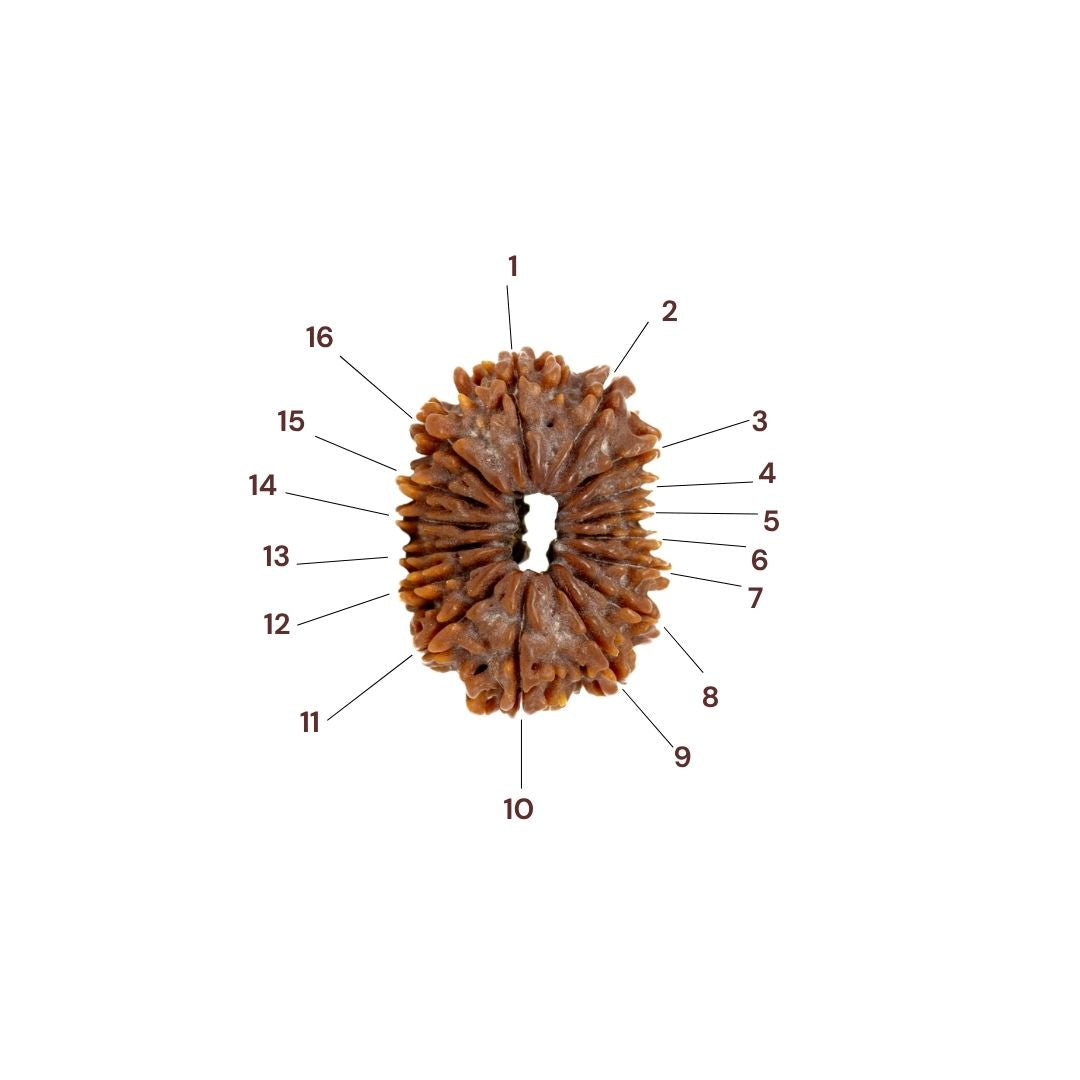
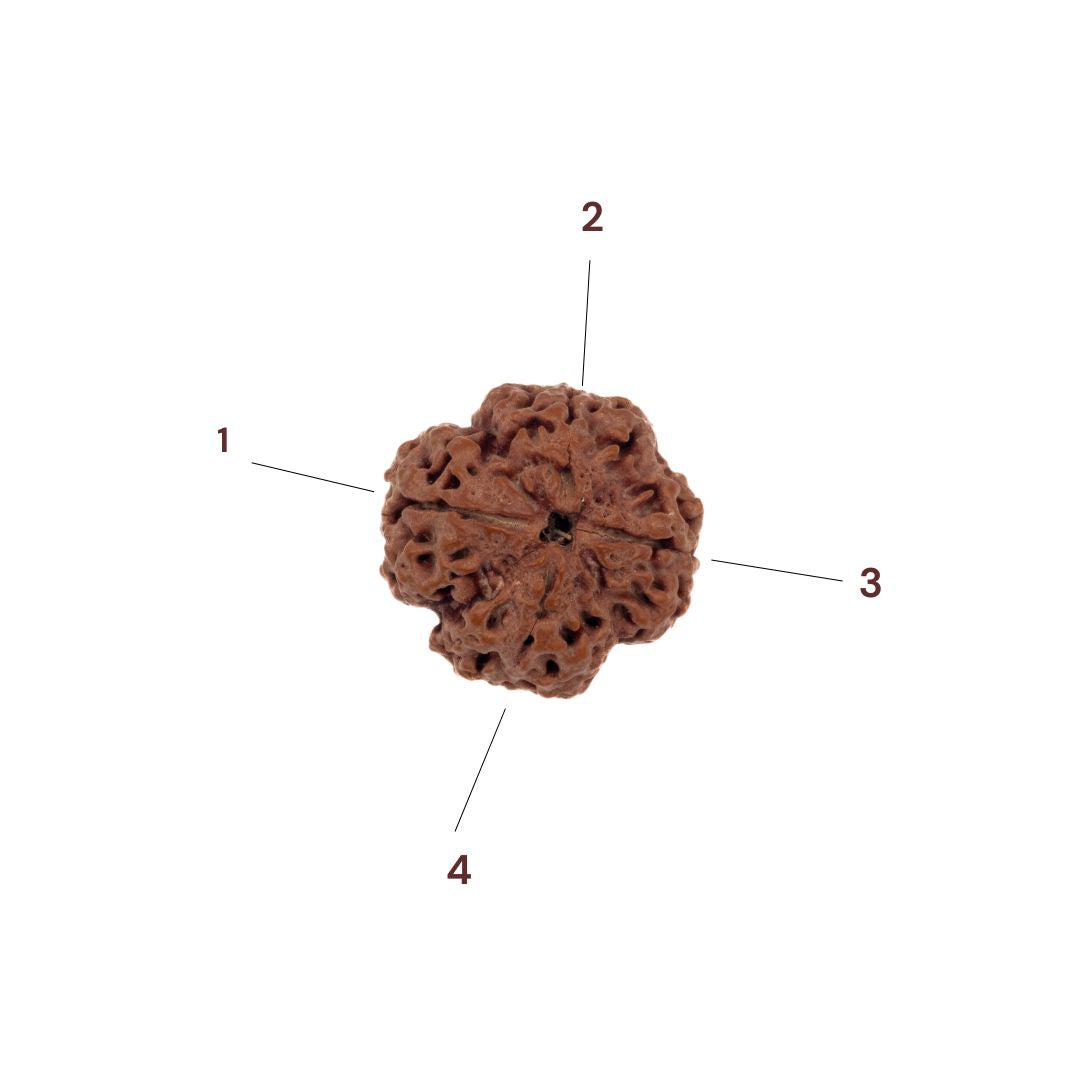
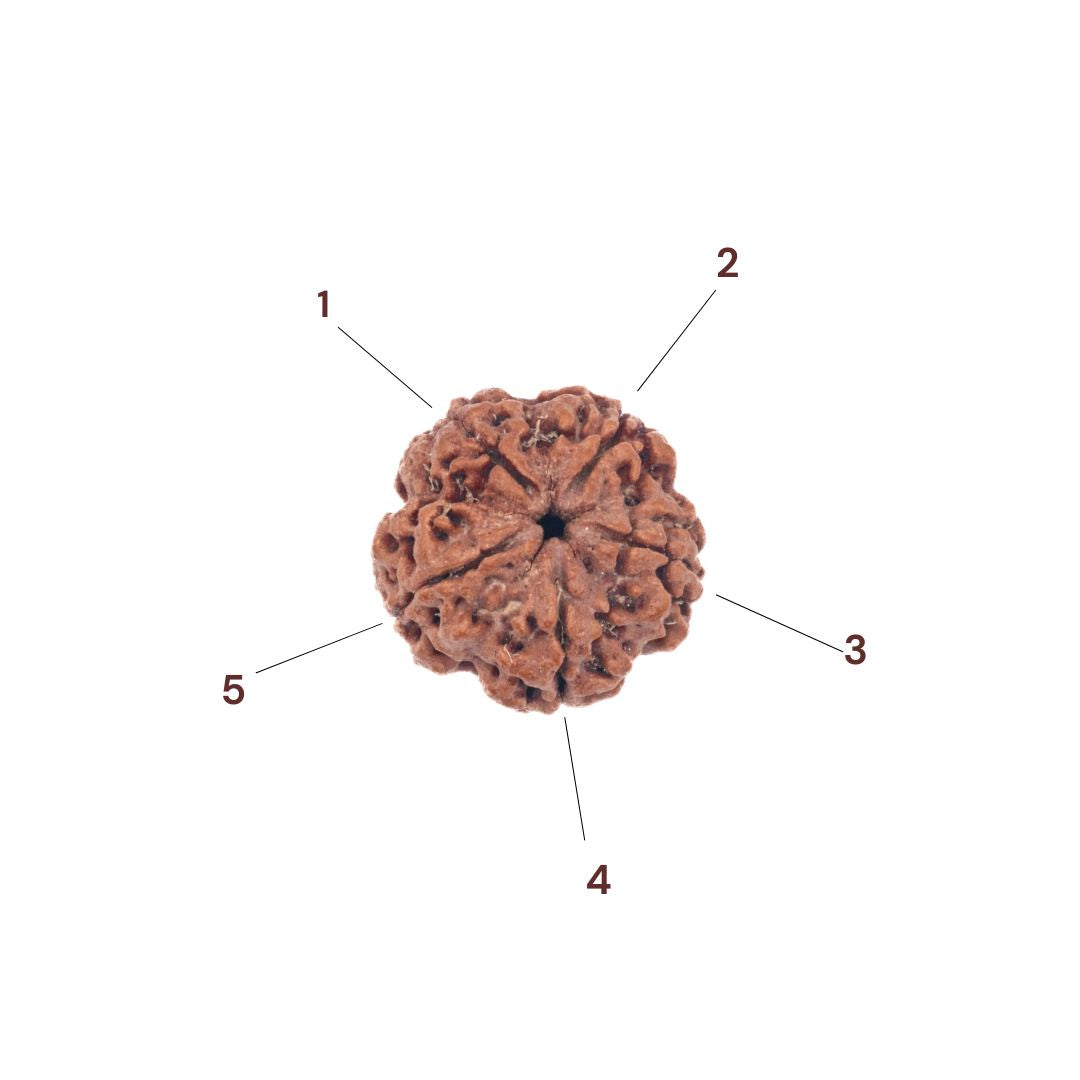
It is a seed of the Elaeocarpus ganitrus tree and naturally grows with sixteen faces, known as mukhis.
According to sacred texts, the 16 Mukhi Rudraksha represents Lord Mahamrityunjaya. It is believed to support personal growth, strengthen resolve, enhance focus, and encourage progress on both material and spiritual journeys.
The Origin of 16 Mukhi Rudraksha
The Solah Mukhi Rudraksha originates from the seeds of Elaeocarpus ganitrus and features sixteen natural lines extending from the head to the tail of the bead. It is primarily found in Nepal (rare, highly sought after, and most popularly worn), as well as in India and Indonesia. Ancient scriptures such as the Shiva Purana, Padma Purana, and Rudraksha Jabala Upanishad mention the significance of Rudraksha beads and their spiritual importance.
Revered as the Mahamrityunjaya Rudraksha, the 16 Mukhi is associated with Lord Mahamrityunjaya Shiva and is traditionally believed to embody protection, fearlessness, and victory over obstacles. Its sixteen natural mukhis are said to represent the sixteen divine kalas, making it one of the most revered beads among Shiva devotees.
The sacred Mahamrityunjaya Mantra, revealed to the great sage Rishi Markandeya, is deeply connected with this Rudraksha:
ॐ त्र्यम्बकं यजामहे सुगन्धिं पुष्टिवर्धनम्।
उर्वारुकमिव बन्धनान्मृत्योर्मुक्षीय मामृतात्।।
Om Tryambakam Yajamahe Sugandhim Pushtivardhanam,
Urvarukamiva Bandhanan Mrityor Mukshiya Maamritat.
Meaning: We worship the three-eyed Lord Shiva, who nurtures and sustains all life. Just as a ripe fruit naturally separates from its stem, may He free us from fear, suffering, and the bondage of mortality, while guiding us toward spiritual liberation and eternal bliss.
Revered as the Mahamrityunjaya Rudraksha, the 16 Mukhi serves as a sacred reminder that with Lord Shiva's grace, one can face life's challenges with courage, protection, and unwavering faith.
The Story of 16 Mukhi Rudraksha in Hinduism
According to the Shiva Purana, Lord Shiva once went into a deep meditative state for thousands of years. When he finally opened his eyes, tears of compassion and bliss fell upon the earth. Where those divine tears fell, Rudraksha trees grew. The Sanskrit name itself reveals this: Rudra (Lord Shiva) + Aksha (eyes or tears).
The Sixteen Mukhi Rudraksha is believed to embody the energy of Mahakal- literally, the one before whom even time and death are powerless. Mahakal is the most supreme and fearsome form of Lord Shiva: the master of the three realms who governs the cycle of creation, preservation, and dissolution, and who alone can dissolve karma, defeat death, and grant the fearless heart that comes from knowing the highest power holds one.
The bead also carries the blessings of Lord Ram- Marayada Purshottam, the ideal human, whose life was a living demonstration that truth, righteousness, and divine surrender bring ultimate victory and peace over adversity, loss, and injustice. Together, Mahakaal and Rama make the Solah Mukhi Rudraksha one of the most complete protective and victory-granting beads in the Rudraksha tradition.
Usually, sixteen Mukhi Rudraksha beads can be found in Nepal's Himalayas, as well as some parts of Indonesia and India. Rudraksha plants naturally bloom in these areas. Because they are larger and have clear lines, the Sixteen Mukhi Rudraksha beads from Nepal are believed to be more effective. The Indonesian Sixteen Mukhi Rudraksha beads, on the other hand, are smaller and feel smoother.
16 Mukhi Rudraksha: Ruling Deity, Ruling Planet, Associated Chakra and More
Know more about the other names, ruling planet and deity, the chakra and nakshatra associated with Solah Mukhi Rudraksha, and much more, here:
Other names: Solah Mukhi Rudraksha, Shodasha Mukhi Rudraksha, Brahma Rudraksha, sixteen-faced Rudraksha
Ruling deity: Lord Mahamrityunjaya (death-conquering form of Lord Shiva)
Ruling planet: Moon (Chandra)
Beej mantra: ॐ हुं नमः (Om Hum Namah)
Associated chakra: Vishuddha Chakra (Throat Chakra)
Associated nakshatra: Rohini, Hasta, and Shravana Nakshatras (ruled by the Moon)
Favourable day to wear: Monday
Origin: Nepal (Himalayan belt) and Indonesia (Java, Sumatra, Bali)
Benefits of Wearing Solah Mukhi Rudraksha
When life demands courage, faith seeks a companion. For countless devotees, that companion has been the Solah Mukhi Rudraksha.
Its revered place in sacred traditions stems from the many spiritual, mental, and emotional benefits it is believed to offer. Explore some of them below:
Spiritual Benefits
- Divine Protection & Fearlessness: Traditionally believed to create a protective aura around the wearer and help overcome fear and negativity.
- Spiritual Strength & Inner Stability: Supports spiritual discipline, self-awareness, and a deeper connection with one's inner self.
- Faith & Higher Consciousness: Strengthens devotion, surrender, and alignment with higher spiritual energies.
Relationship & Emotional Benefits
- Confidence & Self-Belief: Helps cultivate courage, self-worth, and the confidence to face life's challenges.
- Emotional Balance & Resilience: Supports emotional stability and the ability to navigate difficult situations with composure.
- Harmonious Relationships: Encourages trust, understanding, and healthier personal and professional relationships.
Mental and Psychological Health Benefits
- Mental Strength & Determination: Helps foster a positive mindset, resilience, and the ability to overcome obstacles.
- Clarity & Decision-Making: Supports clearer thinking, better judgment, and confidence in decision-making.
- Stress Management & Inner Calm: Traditionally associated with reducing worry, fear, and mental restlessness, promoting a sense of peace.
The mental, physical, and psychological benefits of the Solah Mukhi Rudraksha are often linked to the peace and inner strength it inspires. When the mind feels calm and protected, stress and anxiety lose their grip, allowing greater clarity, resilience, and overall well-being.
Who Should Wear a Solah Mukhi Rudraksha?
If you’ve got a malefic moon in your horoscope, or if you frequently struggle with fear, anxiety, emotional instability, insecurity, or lack of confidence, the 16 Mukhi Rudraksha may be beneficial.
Here is a list of who shall wear the 16 Mukhi Rudraksha:
- Students, scholars, researchers: To improve academic performance, concentration, and memory retention.
- Business owners, leaders, and decision-makers: Encourages self-confidence, authority, and the ability to handle challenges effectively.
- People with a weak/afflicted Moon: Traditionally believed to help balance the influence of the Moon and promote emotional stability.
- Professionals in high-risk occupations: Sought by those in defence, security, law enforcement, aviation, transportation, and other demanding professions for a sense of protection and fearlessness.
- Those born under Rohini, Hasta, or Shravana Nakshatras: These Moon-ruled Nakshatras may particularly resonate with the bead's lunar energy.
- People with timid or anxious personalities: Helps overcome shyness, builds self-confidence and creative expression.
- Those seeking spiritual knowledge: Supports meditation, devotion, inner growth, and a deeper connection with Lord Shiva.
How to Wear 16 Mukhi Rudraksha With the Vedic Method
Wearing a sixteen Mukhi Rudraksha purifies and enhances the wearer’s aura. To fully benefit from its powers, it’s important to wear it correctly with mantras. Here’s the proper method for adorning a Solah Mukhi Rudraksha Mala:
Step 1: First, sit in a state of purity after bathing and sprinkling some Gangajal throughout your body.
Step 2: Sit facing Shiva's statue or a Shivlingam (at home or inside a temple's garbhagriha). Meditate upon Lord Shiva.
Step 3: Place Solah Mukhi Rudraksha Mala in a pure, clean vessel/plate. Shower Gangajal, Panchamrita, Gandha, and Akshata while chanting ‘ॐ नमः शिवाय’. Meditate upon Lord Mahamrityunjaya (death-conquering form of Lord Shiva), Lord Shiva (ruling deity), and the Moon ( ruling planet)
Step 4: After energising the Rudraksha Mala, wear the mala around your neck.
Best day to wear: Monday
Forms: 108 bead mala, 54 bead mala, 27 bead bracelet, pendant
Thread: Silk (satvic), cotton (satvic), copper, silver, gold (pure), red thread. Avoid synthetic/plastic thread.
Nepal vs Indonesia: The Origin, Quality, and Other Specifications of 16 Mukhi Rudraksha
Nepal is a special place because of Lord Shiva. From Mount Kailash to the temple of Pashupatinath, the Himalayan region has been home to Shiva worship for longer than recorded history. This deep spiritual saturation of the land - its altitude, its rivers, its centuries of unbroken tapasya - is believed to be absorbed into every Rudraksha bead that grows there. This is why Nepal-origin Rudraksha beads are considered to carry a more concentrated and potent spiritual charge.
Nepalese Sixteen Mukhi Rudraksha beads are particularly prized for the sharpness and clarity of their sixteen mukhi lines, their dense and weighty texture, and the unmistakable sense of solidity one feels when holding a genuine bead in the hand. Historically, Nepal Rudraksha beads grew large, making daily mala wear challenging for many people.
Rudraksha beads also grow in Indonesia. The climate and environment there produce beads that are smaller and smoother than those from Nepal. These are not inferior or counterfeit beads; they simply grow differently because of the soil, humidity, and altitude of a different land. Indonesian Sixteen Mukhi Rudraksha beads carry the same spiritual identity - shaped differently by the natural conditions of their origin.
Cautions: Do's & Don’ts of Wearing 16 Mukhi Rudraksha
Wearing the sixteen Mukhi Rudraksha is considered auspicious, but it must be done properly. Also, there are some limitations on what to do and what you should not do when you’re wearing the 16 Mukhi Rudraksha mala/bracelet:
- Wear the 16 Mukhi Rudraksha on a Monday during Brahma Muhurta
- Do not wear the Rudraksha while consuming alcohol, tobacco, or intoxicating substances
- Chant "ॐ हौं जूं सः" or the Mahamrityunjaya Mantra 108 times before wearing it for the first time
- Avoid wearing it during non-vegetarian food consumption if following traditional Rudraksha practices
- Purify the bead with Gangajal and offer it to Lord Shiva before energising and wearing it
- Never wear a cracked, broken, or damaged 16 Mukhi Rudraksha
- Wear it in silver, gold, copper, or a natural silk/cotton thread
- Do not wear it in a synthetic, plastic, or artificial thread; use only natural, sattvic threads
- Maintain a sattvic lifestyle and perform regular prayers or meditation while wearing it
- Avoid wearing during non-vegetarian consumption or intake of alcohol
- Store the Rudraksha in a clean altar, puja room, or sacred cloth when not in use
- Do not let others touch or wear your Rudraksha mala; don’t wear a broken or cracked bead, as it's not considered pure
- Clean it periodically with fresh water and lightly apply sandalwood or sesame oil to preserve the bead
- Do not purchase without a lab certificate, especially for Nepali-origin beads
- Seek guidance from a Rudraksha expert or Vedic astrologer before wearing it for specific spiritual or astrological purposes
- Avoid soaking in chemical-based liquids or perfumes to elongate the bead shelf life
Origin
The Origin of 16 Mukhi Rudraksha
The Solah Mukhi Rudraksha originates from the seeds of Elaeocarpus ganitrus and features sixteen natural lines extending from the head to the tail of the bead. It is primarily found in Nepal (rare, highly sought after, and most popularly worn), as well as in India and Indonesia. Ancient scriptures such as the Shiva Purana, Padma Purana, and Rudraksha Jabala Upanishad mention the significance of Rudraksha beads and their spiritual importance.
Revered as the Mahamrityunjaya Rudraksha, the 16 Mukhi is associated with Lord Mahamrityunjaya Shiva and is traditionally believed to embody protection, fearlessness, and victory over obstacles. Its sixteen natural mukhis are said to represent the sixteen divine kalas, making it one of the most revered beads among Shiva devotees.
The sacred Mahamrityunjaya Mantra, revealed to the great sage Rishi Markandeya, is deeply connected with this Rudraksha:
ॐ त्र्यम्बकं यजामहे सुगन्धिं पुष्टिवर्धनम्।
उर्वारुकमिव बन्धनान्मृत्योर्मुक्षीय मामृतात्।।
Om Tryambakam Yajamahe Sugandhim Pushtivardhanam,
Urvarukamiva Bandhanan Mrityor Mukshiya Maamritat.
Meaning: We worship the three-eyed Lord Shiva, who nurtures and sustains all life. Just as a ripe fruit naturally separates from its stem, may He free us from fear, suffering, and the bondage of mortality, while guiding us toward spiritual liberation and eternal bliss.
Revered as the Mahamrityunjaya Rudraksha, the 16 Mukhi serves as a sacred reminder that with Lord Shiva's grace, one can face life's challenges with courage, protection, and unwavering faith.
Spiritual Significance
The Story of 16 Mukhi Rudraksha in Hinduism
According to the Shiva Purana, Lord Shiva once went into a deep meditative state for thousands of years. When he finally opened his eyes, tears of compassion and bliss fell upon the earth. Where those divine tears fell, Rudraksha trees grew. The Sanskrit name itself reveals this: Rudra (Lord Shiva) + Aksha (eyes or tears).
The Sixteen Mukhi Rudraksha is believed to embody the energy of Mahakal- literally, the one before whom even time and death are powerless. Mahakal is the most supreme and fearsome form of Lord Shiva: the master of the three realms who governs the cycle of creation, preservation, and dissolution, and who alone can dissolve karma, defeat death, and grant the fearless heart that comes from knowing the highest power holds one.
The bead also carries the blessings of Lord Ram- Marayada Purshottam, the ideal human, whose life was a living demonstration that truth, righteousness, and divine surrender bring ultimate victory and peace over adversity, loss, and injustice. Together, Mahakaal and Rama make the Solah Mukhi Rudraksha one of the most complete protective and victory-granting beads in the Rudraksha tradition.
Usually, sixteen Mukhi Rudraksha beads can be found in Nepal's Himalayas, as well as some parts of Indonesia and India. Rudraksha plants naturally bloom in these areas. Because they are larger and have clear lines, the Sixteen Mukhi Rudraksha beads from Nepal are believed to be more effective. The Indonesian Sixteen Mukhi Rudraksha beads, on the other hand, are smaller and feel smoother.
Ruling Deity & More
16 Mukhi Rudraksha: Ruling Deity, Ruling Planet, Associated Chakra and More
Know more about the other names, ruling planet and deity, the chakra and nakshatra associated with Solah Mukhi Rudraksha, and much more, here:
Other names: Solah Mukhi Rudraksha, Shodasha Mukhi Rudraksha, Brahma Rudraksha, sixteen-faced Rudraksha
Ruling deity: Lord Mahamrityunjaya (death-conquering form of Lord Shiva)
Ruling planet: Moon (Chandra)
Beej mantra: ॐ हुं नमः (Om Hum Namah)
Associated chakra: Vishuddha Chakra (Throat Chakra)
Associated nakshatra: Rohini, Hasta, and Shravana Nakshatras (ruled by the Moon)
Favourable day to wear: Monday
Origin: Nepal (Himalayan belt) and Indonesia (Java, Sumatra, Bali)
Benefits
Benefits of Wearing Solah Mukhi Rudraksha
When life demands courage, faith seeks a companion. For countless devotees, that companion has been the Solah Mukhi Rudraksha.
Its revered place in sacred traditions stems from the many spiritual, mental, and emotional benefits it is believed to offer. Explore some of them below:
Spiritual Benefits
- Divine Protection & Fearlessness: Traditionally believed to create a protective aura around the wearer and help overcome fear and negativity.
- Spiritual Strength & Inner Stability: Supports spiritual discipline, self-awareness, and a deeper connection with one's inner self.
- Faith & Higher Consciousness: Strengthens devotion, surrender, and alignment with higher spiritual energies.
Relationship & Emotional Benefits
- Confidence & Self-Belief: Helps cultivate courage, self-worth, and the confidence to face life's challenges.
- Emotional Balance & Resilience: Supports emotional stability and the ability to navigate difficult situations with composure.
- Harmonious Relationships: Encourages trust, understanding, and healthier personal and professional relationships.
Mental and Psychological Health Benefits
- Mental Strength & Determination: Helps foster a positive mindset, resilience, and the ability to overcome obstacles.
- Clarity & Decision-Making: Supports clearer thinking, better judgment, and confidence in decision-making.
- Stress Management & Inner Calm: Traditionally associated with reducing worry, fear, and mental restlessness, promoting a sense of peace.
The mental, physical, and psychological benefits of the Solah Mukhi Rudraksha are often linked to the peace and inner strength it inspires. When the mind feels calm and protected, stress and anxiety lose their grip, allowing greater clarity, resilience, and overall well-being.
Who Should Wear
Who Should Wear a Solah Mukhi Rudraksha?
If you’ve got a malefic moon in your horoscope, or if you frequently struggle with fear, anxiety, emotional instability, insecurity, or lack of confidence, the 16 Mukhi Rudraksha may be beneficial.
Here is a list of who shall wear the 16 Mukhi Rudraksha:
- Students, scholars, researchers: To improve academic performance, concentration, and memory retention.
- Business owners, leaders, and decision-makers: Encourages self-confidence, authority, and the ability to handle challenges effectively.
- People with a weak/afflicted Moon: Traditionally believed to help balance the influence of the Moon and promote emotional stability.
- Professionals in high-risk occupations: Sought by those in defence, security, law enforcement, aviation, transportation, and other demanding professions for a sense of protection and fearlessness.
- Those born under Rohini, Hasta, or Shravana Nakshatras: These Moon-ruled Nakshatras may particularly resonate with the bead's lunar energy.
- People with timid or anxious personalities: Helps overcome shyness, builds self-confidence and creative expression.
- Those seeking spiritual knowledge: Supports meditation, devotion, inner growth, and a deeper connection with Lord Shiva.
How To Wear
How to Wear 16 Mukhi Rudraksha With the Vedic Method
Wearing a sixteen Mukhi Rudraksha purifies and enhances the wearer’s aura. To fully benefit from its powers, it’s important to wear it correctly with mantras. Here’s the proper method for adorning a Solah Mukhi Rudraksha Mala:
Step 1: First, sit in a state of purity after bathing and sprinkling some Gangajal throughout your body.
Step 2: Sit facing Shiva's statue or a Shivlingam (at home or inside a temple's garbhagriha). Meditate upon Lord Shiva.
Step 3: Place Solah Mukhi Rudraksha Mala in a pure, clean vessel/plate. Shower Gangajal, Panchamrita, Gandha, and Akshata while chanting ‘ॐ नमः शिवाय’. Meditate upon Lord Mahamrityunjaya (death-conquering form of Lord Shiva), Lord Shiva (ruling deity), and the Moon ( ruling planet)
Step 4: After energising the Rudraksha Mala, wear the mala around your neck.
Best day to wear: Monday
Forms: 108 bead mala, 54 bead mala, 27 bead bracelet, pendant
Thread: Silk (satvic), cotton (satvic), copper, silver, gold (pure), red thread. Avoid synthetic/plastic thread.
Nepali vs Indonesian
Nepal vs Indonesia: The Origin, Quality, and Other Specifications of 16 Mukhi Rudraksha
Nepal is a special place because of Lord Shiva. From Mount Kailash to the temple of Pashupatinath, the Himalayan region has been home to Shiva worship for longer than recorded history. This deep spiritual saturation of the land - its altitude, its rivers, its centuries of unbroken tapasya - is believed to be absorbed into every Rudraksha bead that grows there. This is why Nepal-origin Rudraksha beads are considered to carry a more concentrated and potent spiritual charge.
Nepalese Sixteen Mukhi Rudraksha beads are particularly prized for the sharpness and clarity of their sixteen mukhi lines, their dense and weighty texture, and the unmistakable sense of solidity one feels when holding a genuine bead in the hand. Historically, Nepal Rudraksha beads grew large, making daily mala wear challenging for many people.
Rudraksha beads also grow in Indonesia. The climate and environment there produce beads that are smaller and smoother than those from Nepal. These are not inferior or counterfeit beads; they simply grow differently because of the soil, humidity, and altitude of a different land. Indonesian Sixteen Mukhi Rudraksha beads carry the same spiritual identity - shaped differently by the natural conditions of their origin.
Dos & Don'ts
Cautions: Do's & Don’ts of Wearing 16 Mukhi Rudraksha
Wearing the sixteen Mukhi Rudraksha is considered auspicious, but it must be done properly. Also, there are some limitations on what to do and what you should not do when you’re wearing the 16 Mukhi Rudraksha mala/bracelet:
- Wear the 16 Mukhi Rudraksha on a Monday during Brahma Muhurta
- Do not wear the Rudraksha while consuming alcohol, tobacco, or intoxicating substances
- Chant "ॐ हौं जूं सः" or the Mahamrityunjaya Mantra 108 times before wearing it for the first time
- Avoid wearing it during non-vegetarian food consumption if following traditional Rudraksha practices
- Purify the bead with Gangajal and offer it to Lord Shiva before energising and wearing it
- Never wear a cracked, broken, or damaged 16 Mukhi Rudraksha
- Wear it in silver, gold, copper, or a natural silk/cotton thread
- Do not wear it in a synthetic, plastic, or artificial thread; use only natural, sattvic threads
- Maintain a sattvic lifestyle and perform regular prayers or meditation while wearing it
- Avoid wearing during non-vegetarian consumption or intake of alcohol
- Store the Rudraksha in a clean altar, puja room, or sacred cloth when not in use
- Do not let others touch or wear your Rudraksha mala; don’t wear a broken or cracked bead, as it's not considered pure
- Clean it periodically with fresh water and lightly apply sandalwood or sesame oil to preserve the bead
- Do not purchase without a lab certificate, especially for Nepali-origin beads
- Seek guidance from a Rudraksha expert or Vedic astrologer before wearing it for specific spiritual or astrological purposes
- Avoid soaking in chemical-based liquids or perfumes to elongate the bead shelf life
Sort by
1 product
Our Best Sellers
Recently viewed products
Subscribe to Our Newsletter
Be the first to know about new Rudraksha collections, special offers, and spiritual insights.

7-Day Easy Returns
T&C Apply

Worldwide Shipping
Free Delivery in India

Mukhi Verified
Counted by hand

Energized & Activated
for Astrological Results
Hand-Picked Beads
Bead by bead, unbroken