
Nepali vs Indonesian Rudraksha: Size, Price, and Real Differences
Rudraksha heals, balances, and supports spiritual growth. It has captivated people across the globe due to its mystical properties. Identifying genuine Rudraksha is not difficult; however, accurate information is required to detect the manipulations often employed by traders or sellers driven by the lure of quick profit. Many people are unsure about buying Nepali and Indonesian rudraksha, and one common question that always comes up is, What is the difference between the two? Which one is worth buying? And where can they get it?
We have curated this blog to provide a clear insight into Nepali and Indonesian rudraksha, including the differences in their size, appearance, and price. So, let’s get started:
|
Feature |
Nepali Rudraksha |
Indonesian Rudraksha |
|
Size |
15-25 mm |
5-10 mm |
|
Weight |
Heavy |
Lighter |
|
Surface |
Bold grooves |
Fine grooves |
|
Mukhi lines |
Clearly visible |
Thin lines |
|
Color |
Reddish or darker brown |
Light brown |
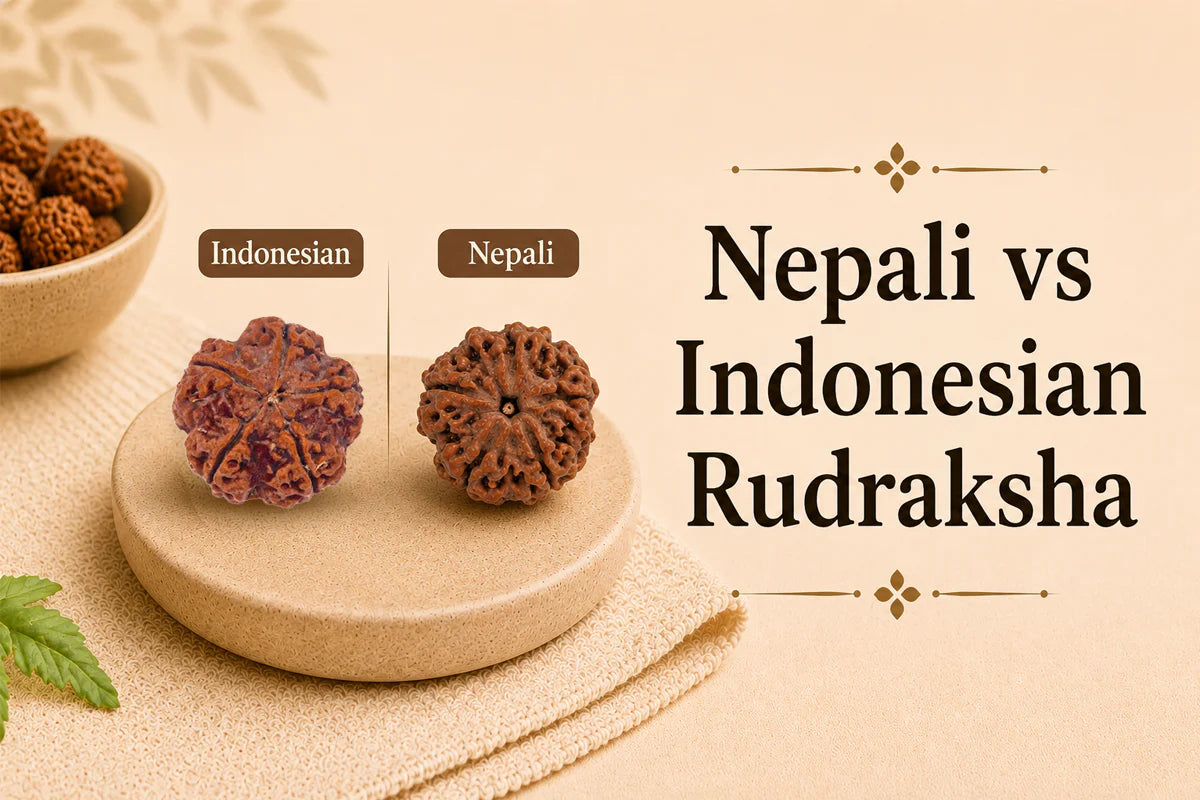
Nepali vs Indonesian Rudraksha (Size, Price, and Real Differences)
Let us understand the real differences between the two in detail:
The majority of people wear Nepali and Indonesian rudraksha. Both come from the Elaeocarpus ganitrus tree but differ in appearance, pricing, suitability, and origin. If you understand the difference clearly, you can make informed choices and buy the one that fits your beliefs. Let’s understand the key differences between Nepali and Indonesian rudraksha in detail:
Difference in Rudraksha Effectiveness
Many consider Nepali rudraksh to be the most effective. Why? Nepali rudraksh is larger, and the lines (mukhs) are clearly visible. Hence, the energy field seems stronger. Nepali rudraksh has deep cuts too. Spiritual healing is 10x more effective with it. Indonesian rudraksh, on the other hand, is smaller with shallow lines (mukhs). We cannot deny its power, but the results may take time. Beginners in spiritual practice can buy Indonesian rudraksh.
Difference in Suitability
Practicality is a crucial point for people who wear rudraksh daily. Nepali rudraksh beads are heavier; therefore, you can use them in a mala form. Some wear it on special occasions. However, their bigger size can create a bulky feeling for the wearer, and you might not want to wear it continuously.
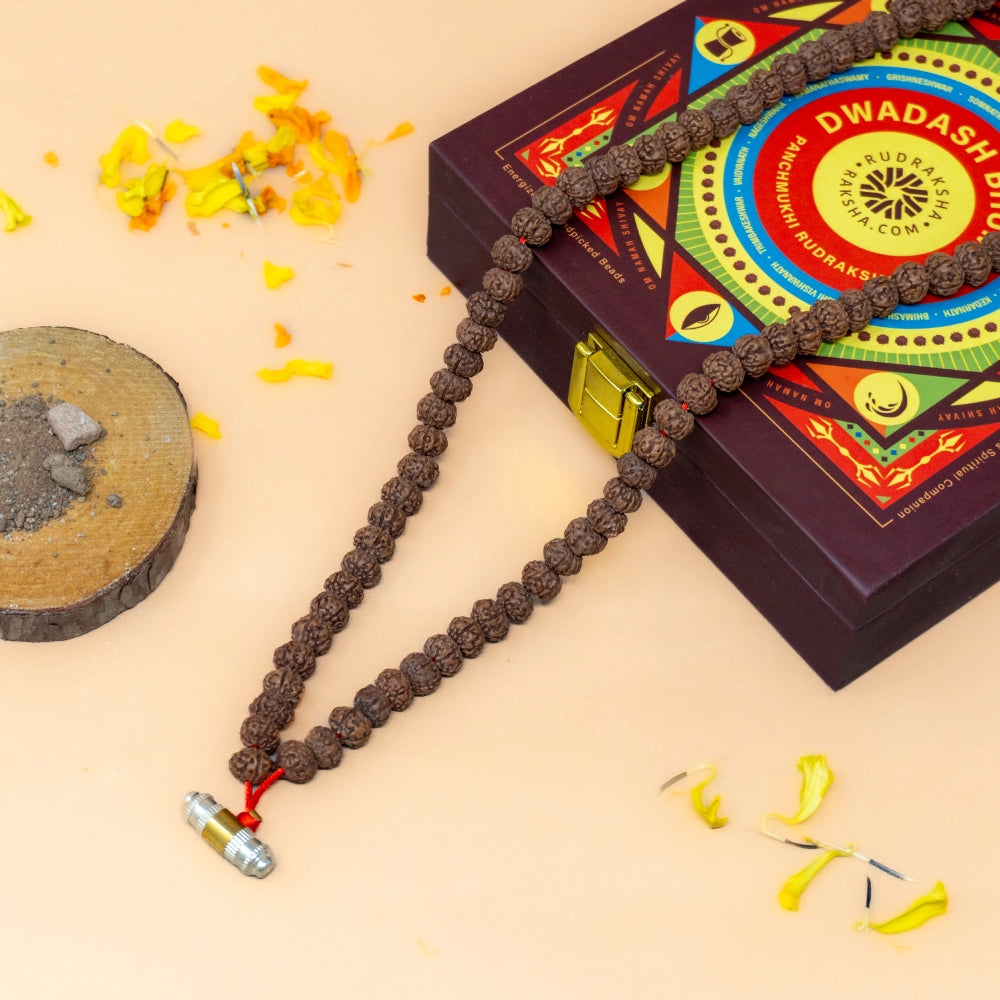
Indonesian rudraksh are lighter and smaller. You can easily wear it daily as a bracelet, a mala, or a pendant. Very light, very comfortable!
Difference According to Sacred Texts
Shiva Purana, Devi Bhagavatam, and Padma Purana tell the unique characteristics of rudraksha. But you will not find any specific country name; they provide a vivid description of rudraksha features such as energy, mukhi lines, origin, etc.
The descriptions mentioned in these books show that Nepali rudraksha has been used for ages. The deep lines and large size of the Nepali beads match well with traditional guidelines. You may find astrologers, saints, and spiritual teachers wearing Nepali rudraksh.
Indonesian rudraksh does not match the scriptures. Therefore, it is not considered a better option than Nepali rudraksh.
Difference in Physical Attributes (Size, Mukhi, and Surface)
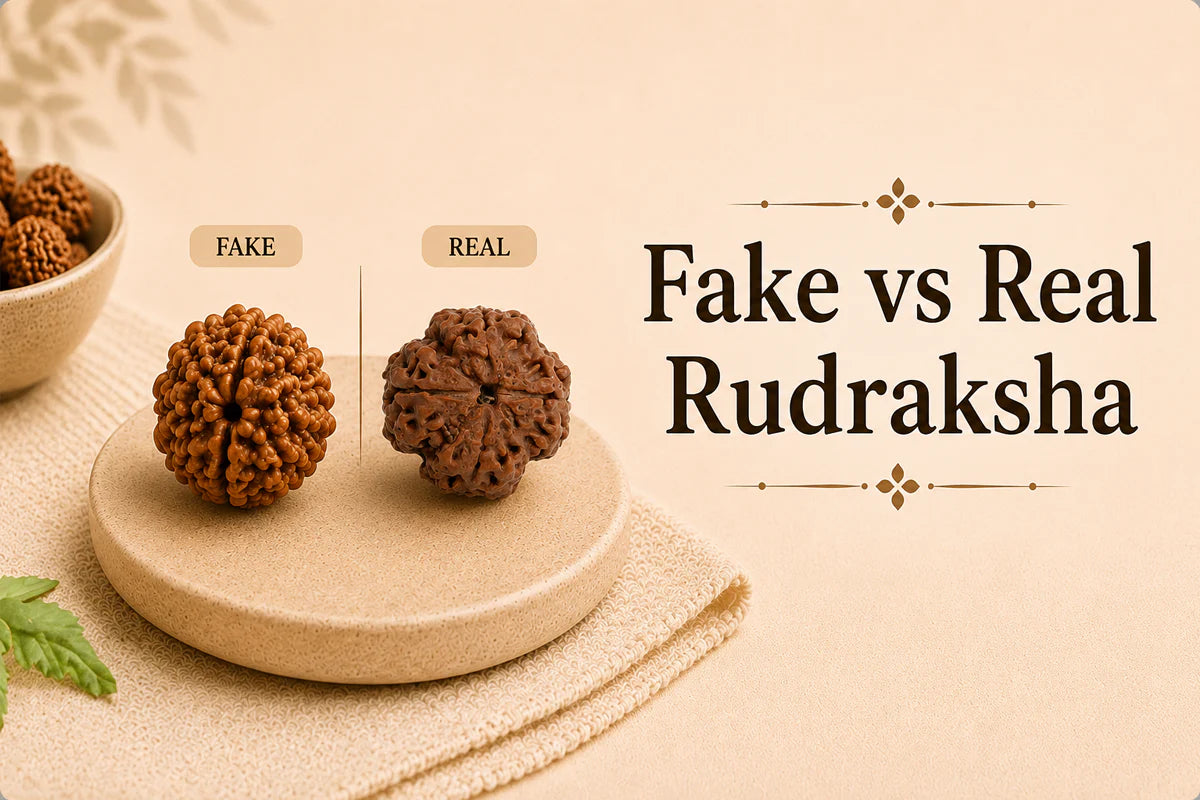
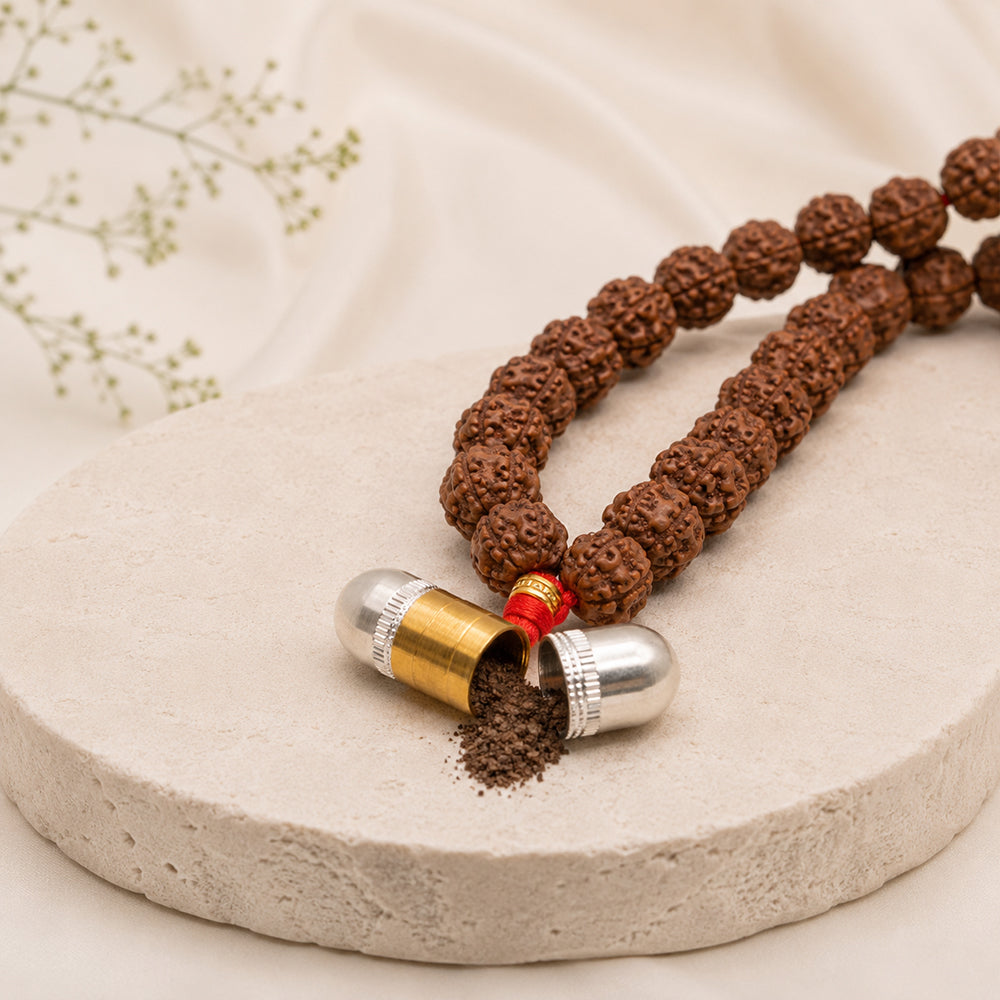
Physical differences between the two Rudraksha are quite noticeable. Nepali rudraksha is heavier, bigger, and has deep lines. Each segment is clearly visible, making it in high demand by buyers.
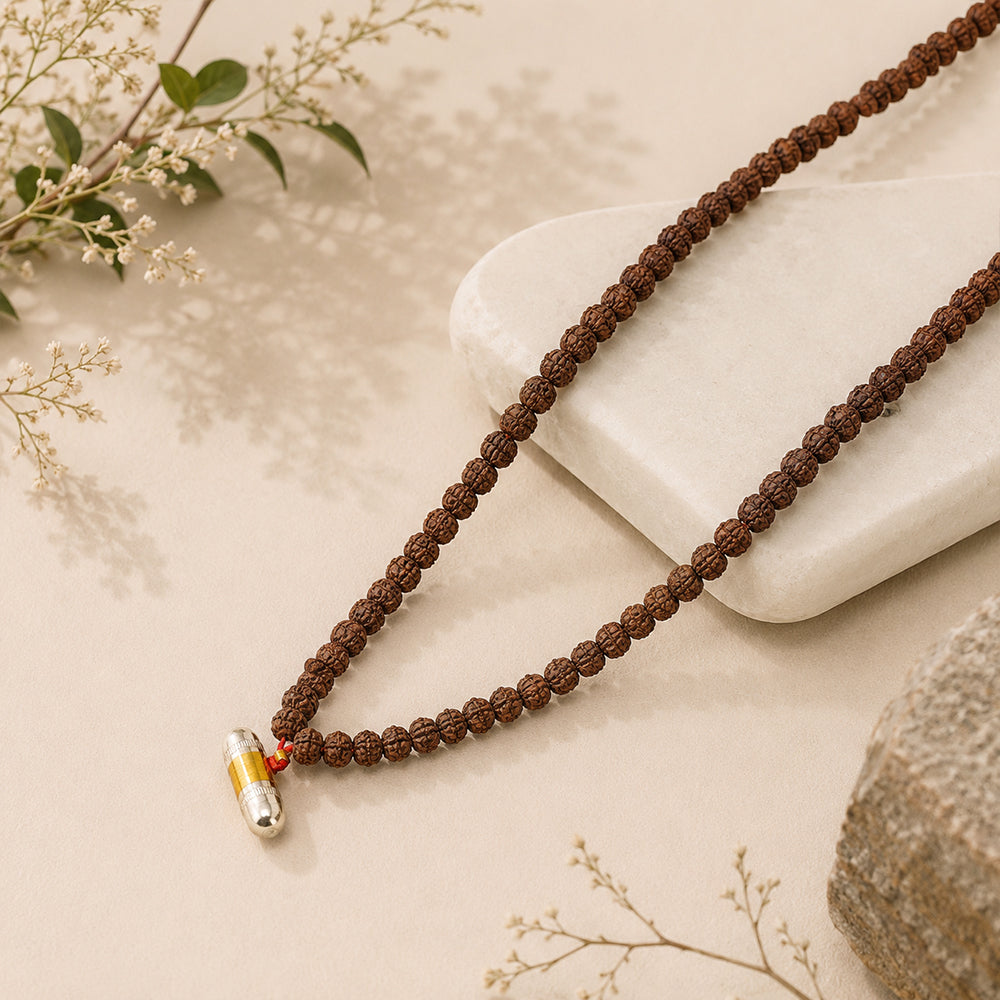
Indonesian rudraksha is smaller with a smoother surface. The lines are often not clear, making it challenging to count. Therefore, it may face backlash over its authenticity.
Availability in the Market
Indonesian rudraksha enjoys large-scale production. Easily sourced, these beads are produced in bulk and usually used in malas, bracelets, and accessories. Nepali rudraksha, on the other hand, is grown in limited forest areas. Low yields make harvesting restricted. 1 mukhi and 14 mukhi are challenging to find. Nepali rudraksha is available in smaller numbers in the global market.
Difference in Pricing and Cost
Many buyers struggle with the pricing of Nepali and Indonesian rudraksha. The cost depends on size, rarity, number of beads, and spiritual importance.
Nepali rudraksha is expensive because it is larger, has clear mukhis (lines), is not easily available, and radiates a strong vibration/energy. As a 1-mukhi Nepali rudraksha is rare, it is a bit more expensive than others.
Indonesian rudraksh is cheaper as it is easily available in the local market. The price is lower due to its small size. Beginners or those who want to wear it daily can buy an Indonesian rudraksha without making a hefty investment.
Nepali vs. Indonesian Rudraksha: Which one is best for you?
Choosing between the two rudrakshas depends on what the wearer wants; for example, if you seek quick results, you should go for Nepali rudraksha. It is best for mantra chanting, deep meditation, and spiritual practices.
Indonesian rudraksha can be worn daily and is suitable for beginners. Though its energy is subtler, Indonesian rudraksha has great spiritual significance.