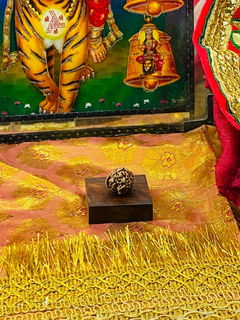


8 Mukhi Rudraksha
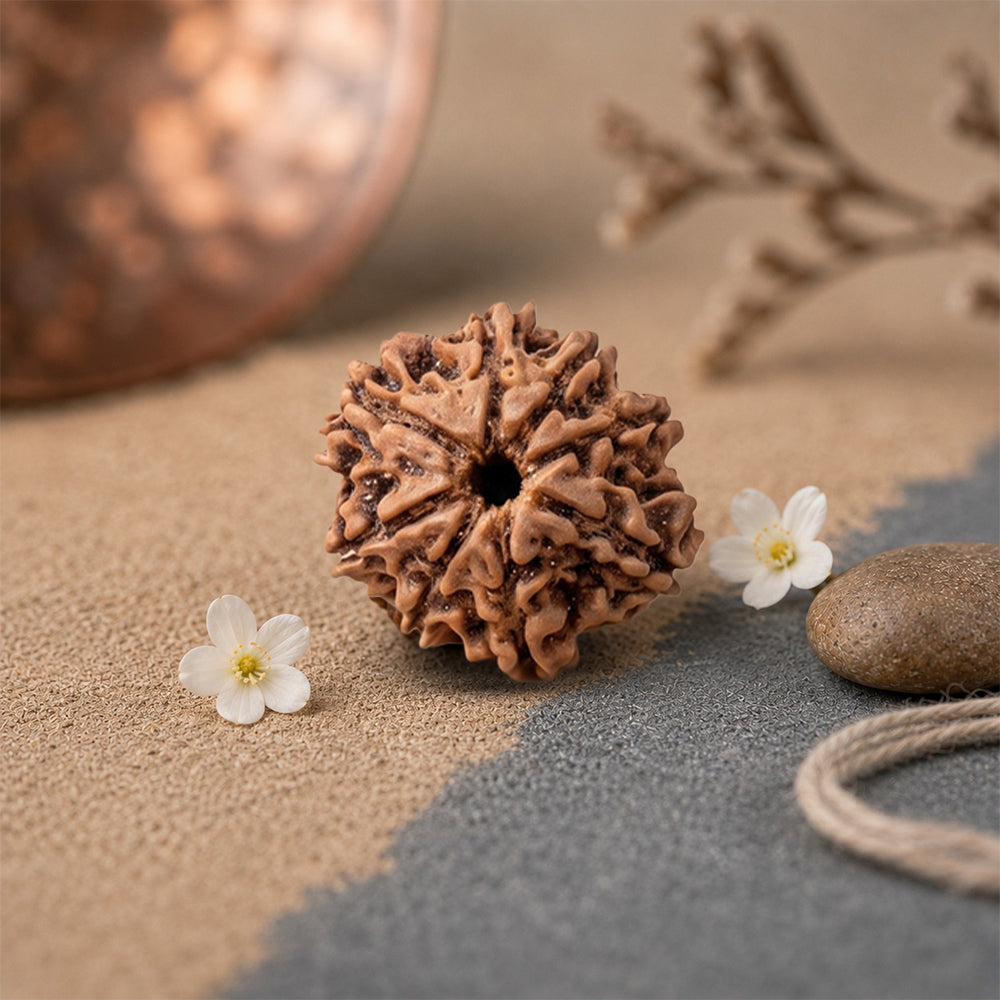
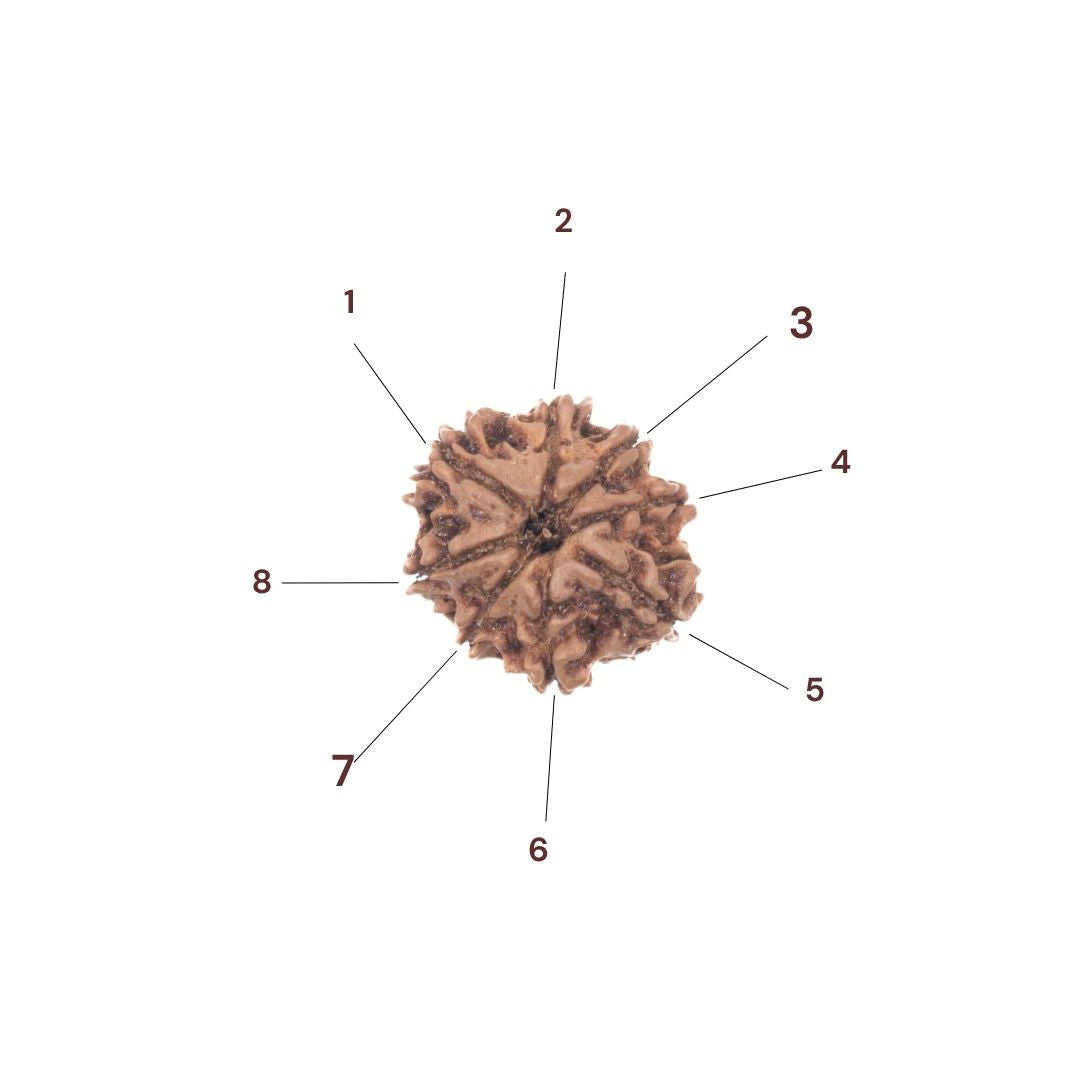
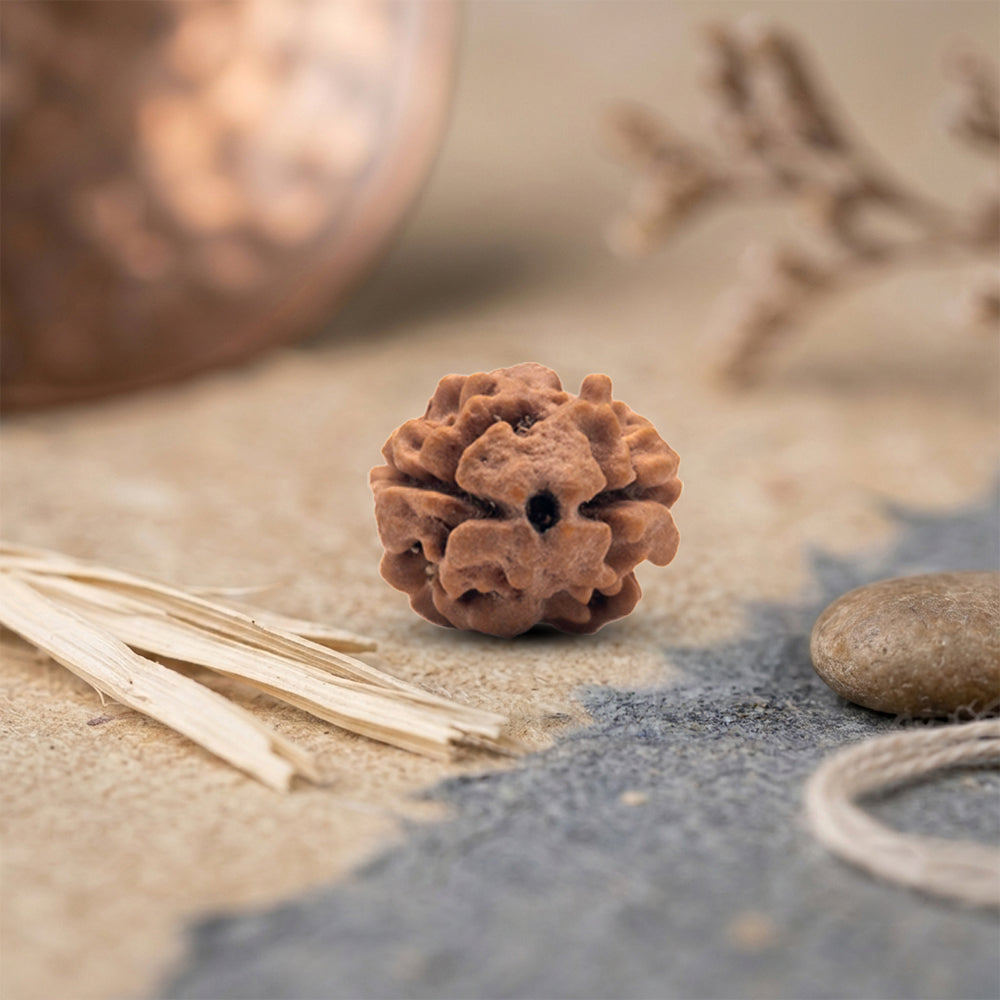
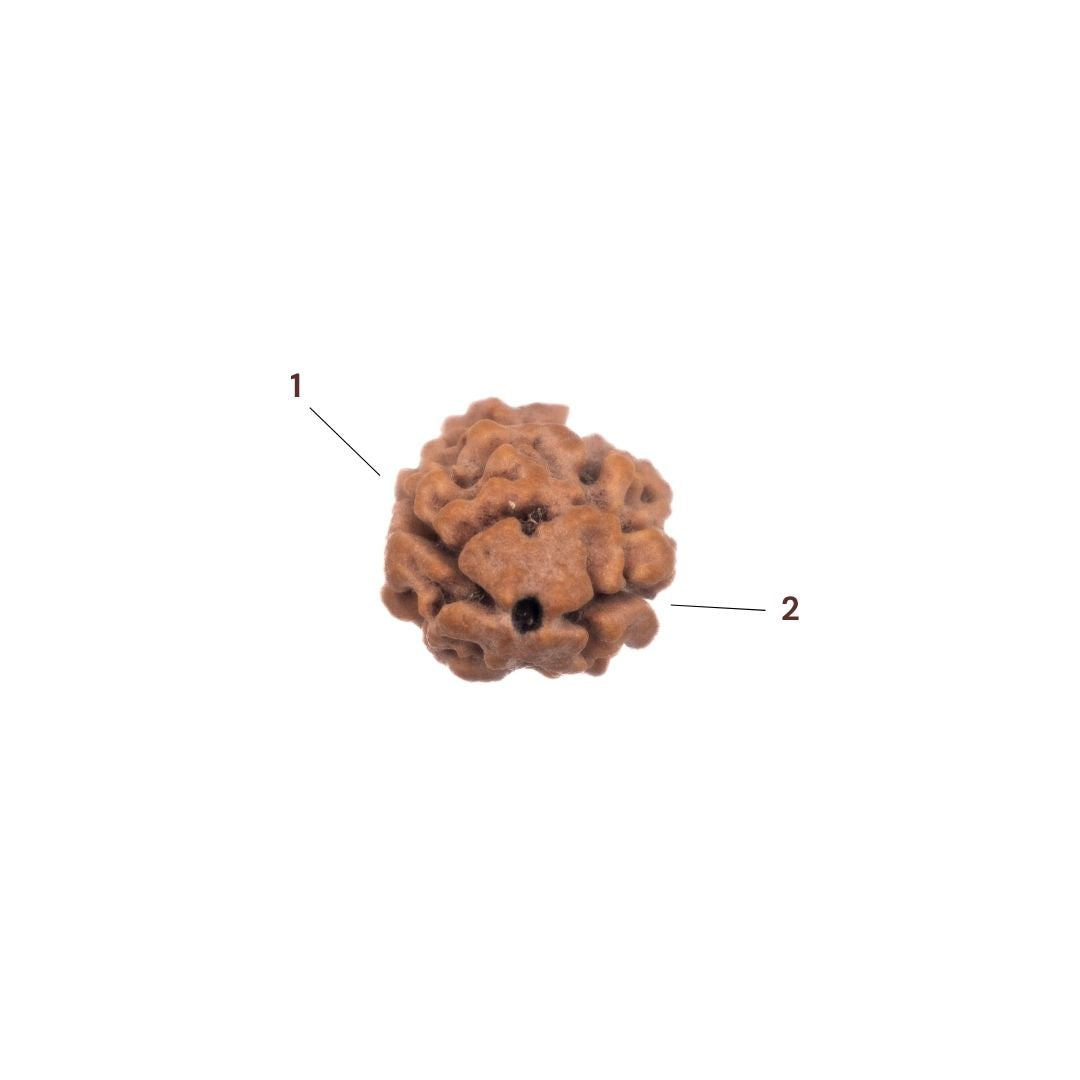
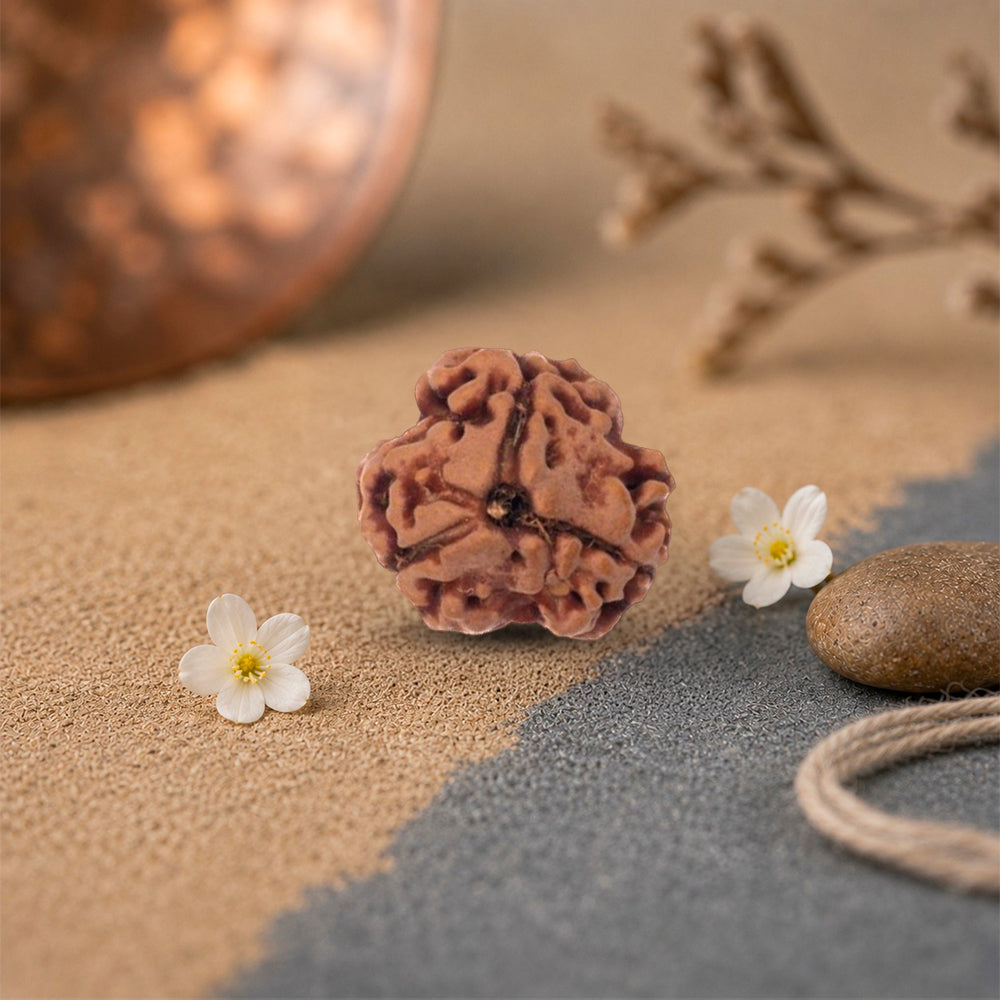
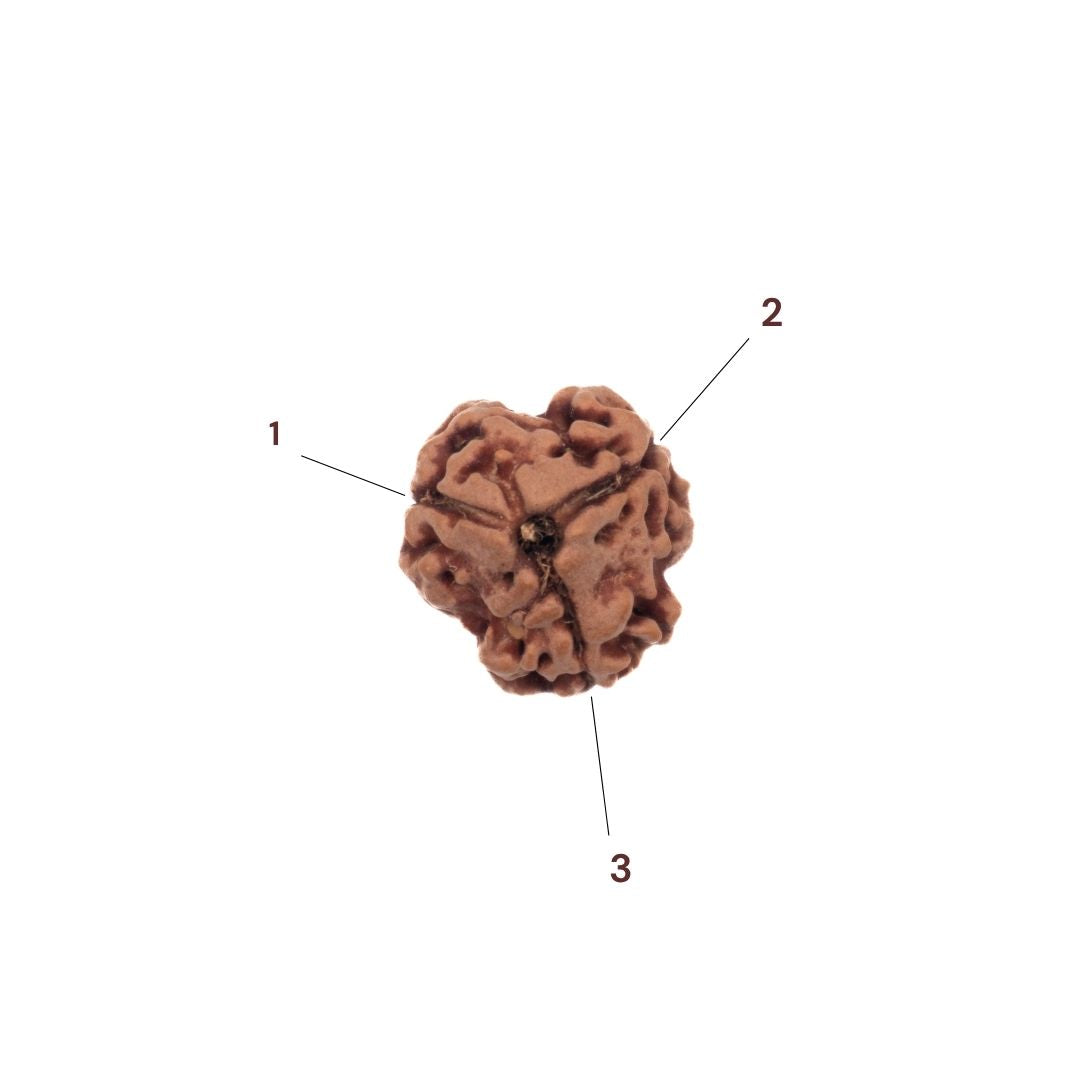
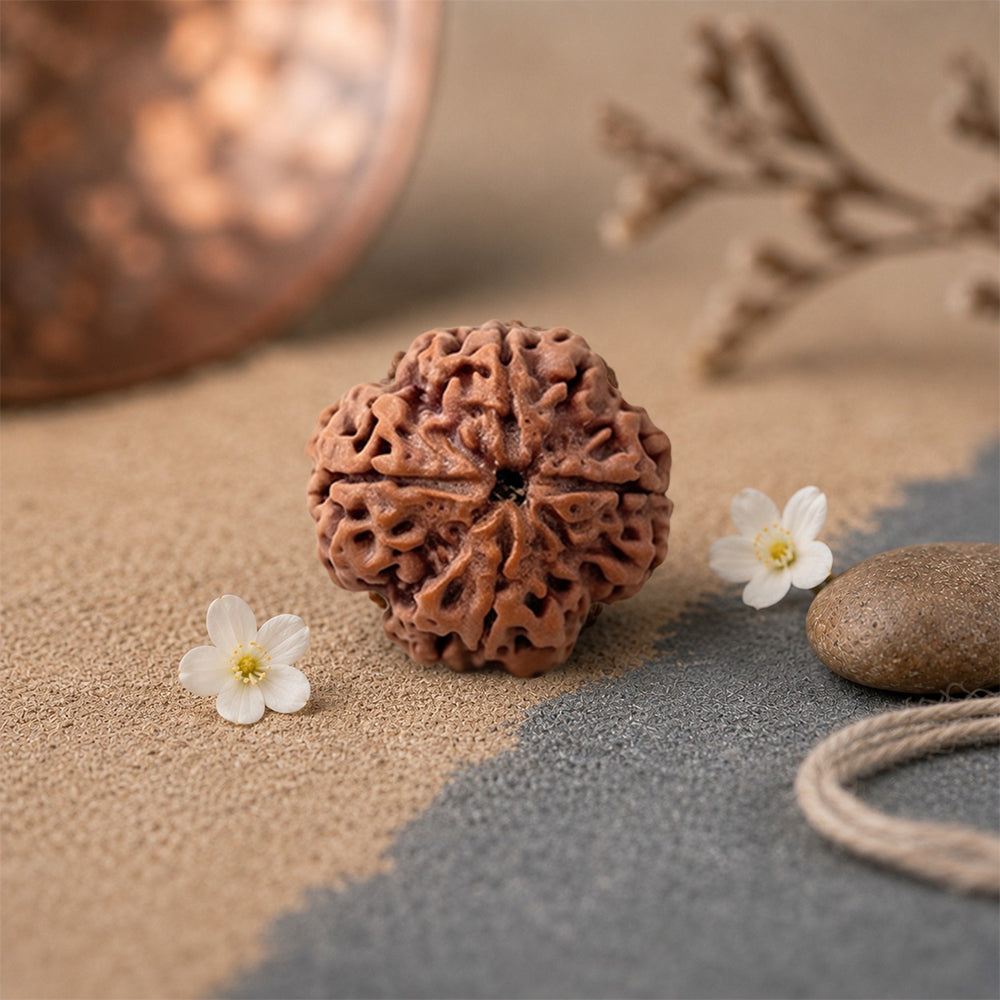
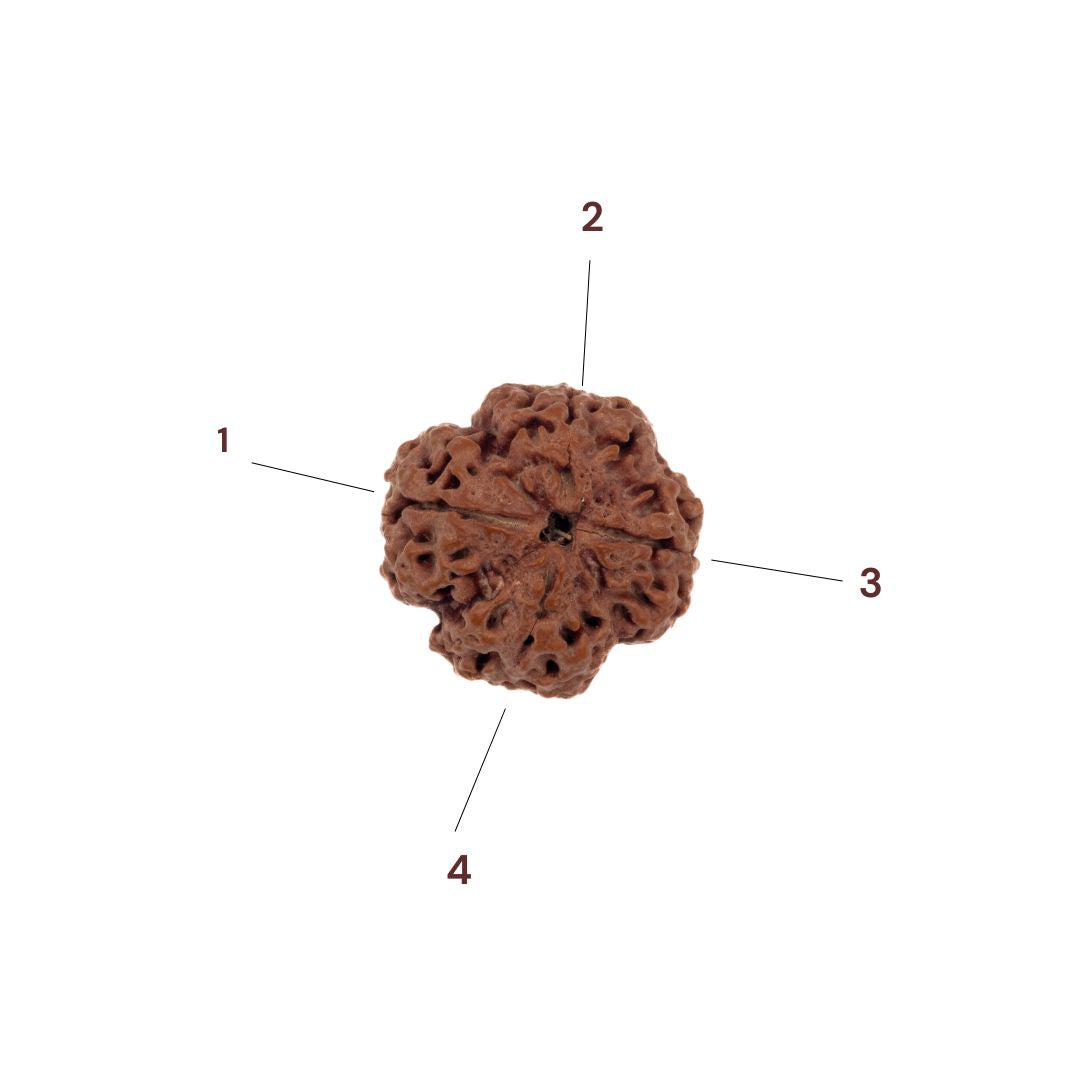
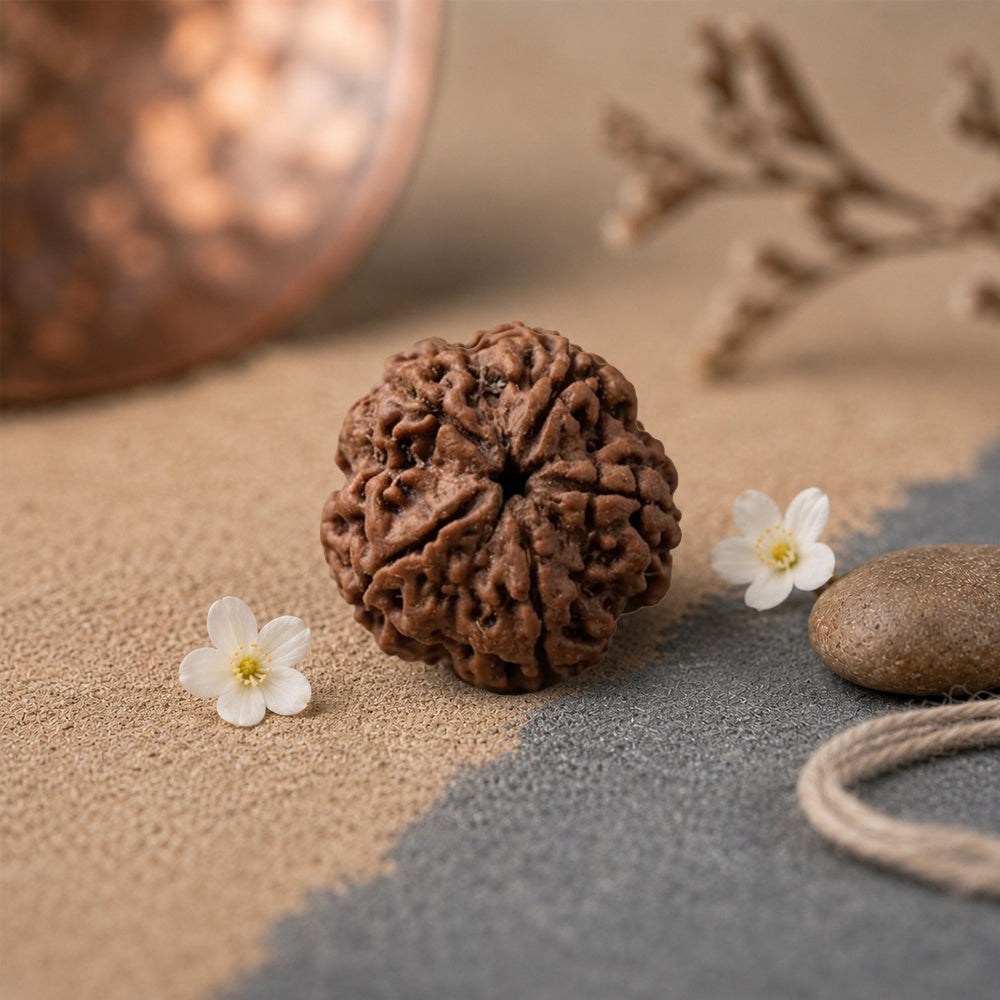
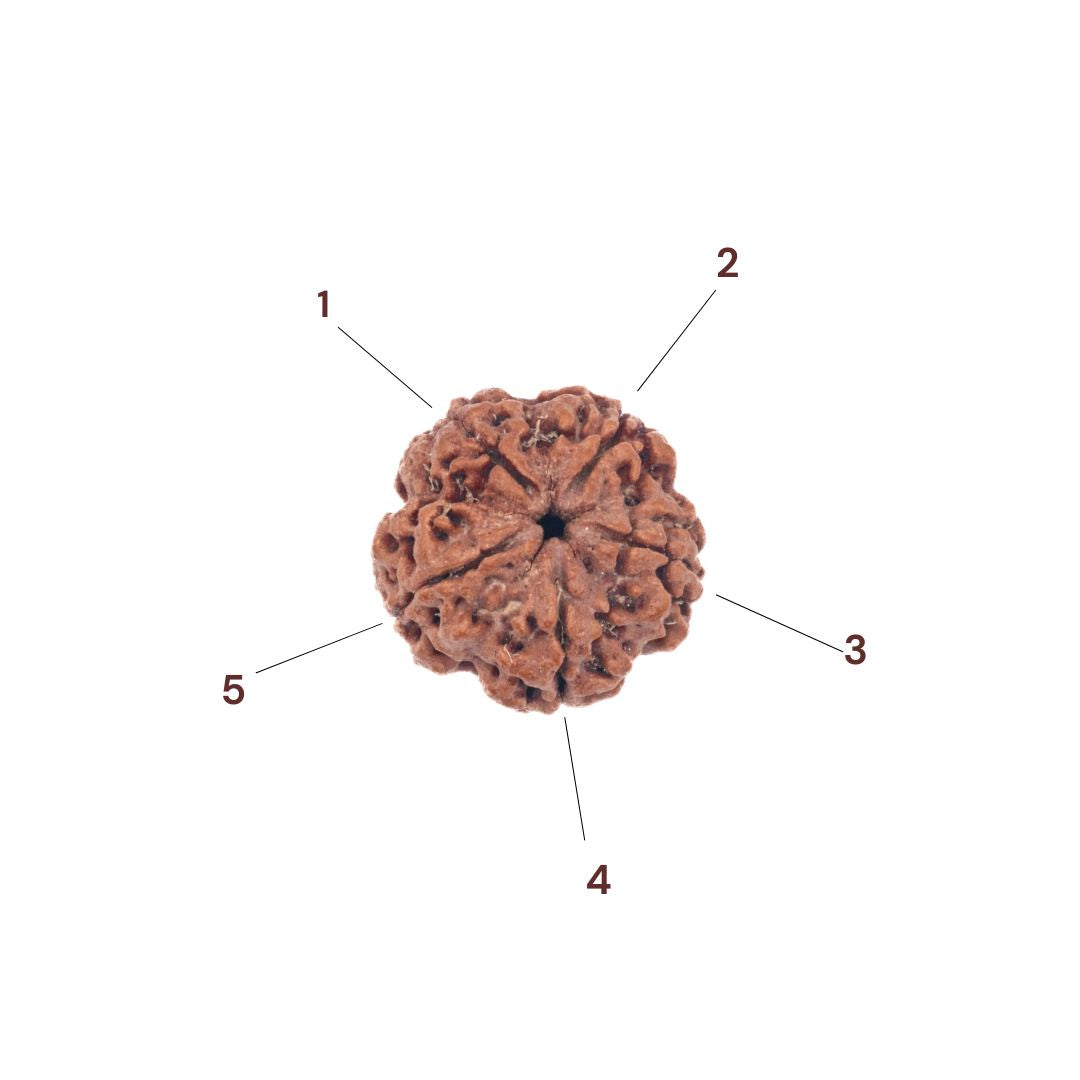
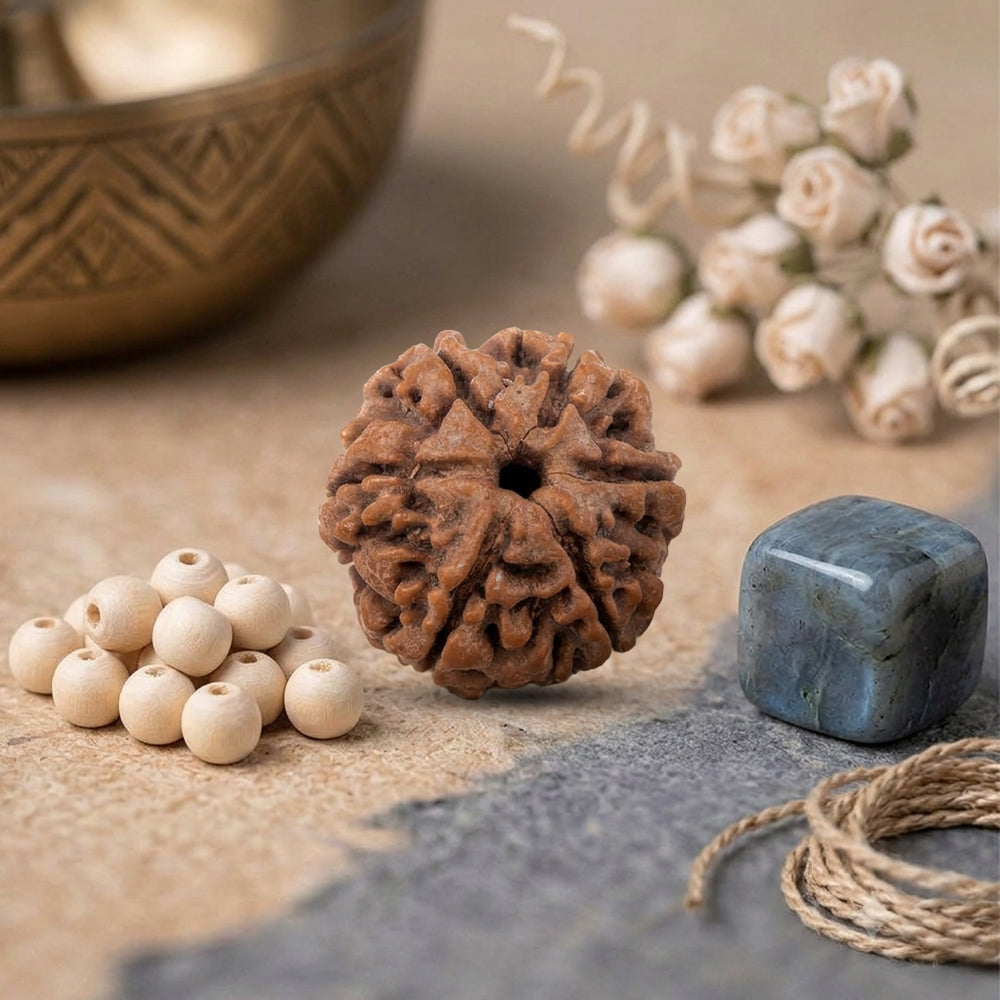
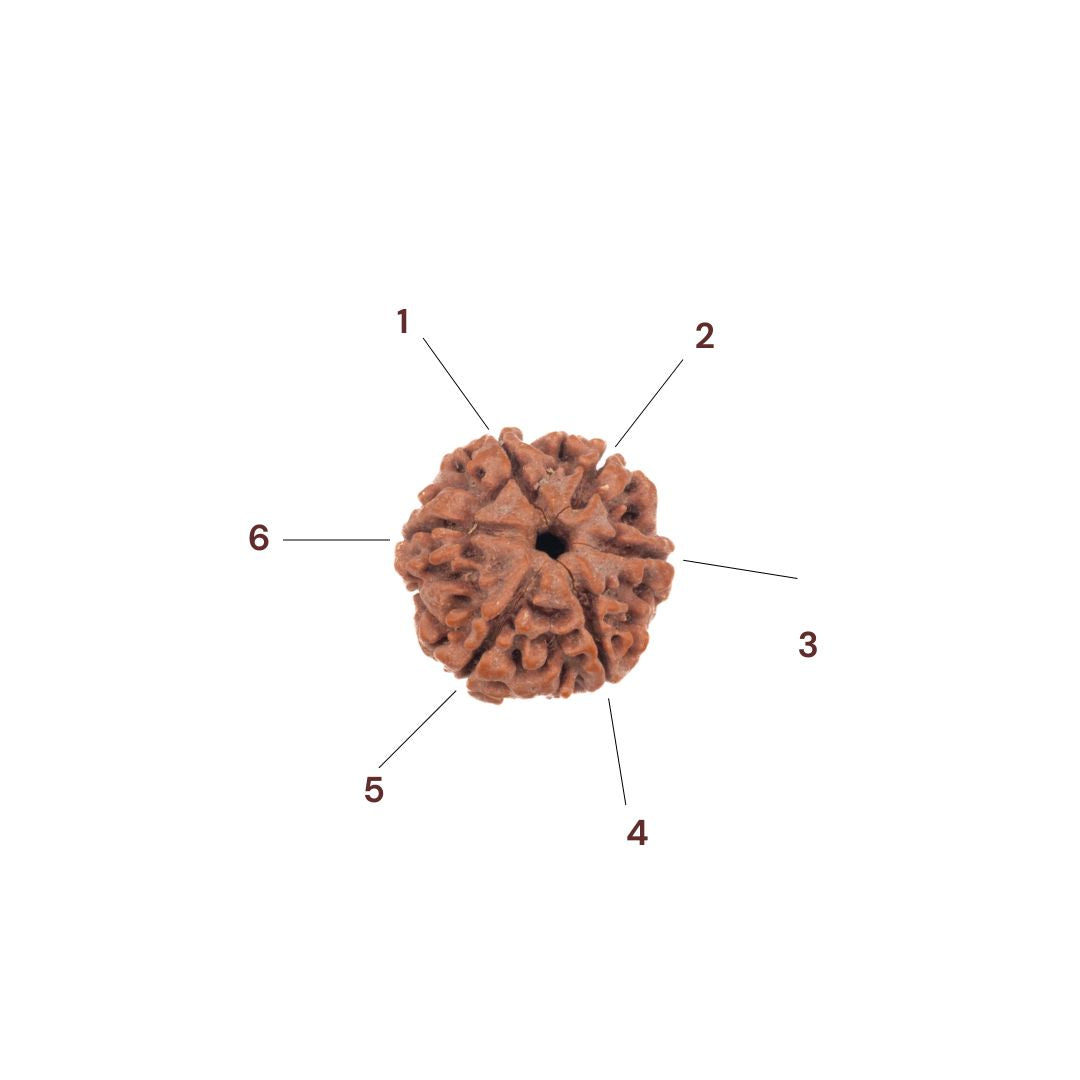
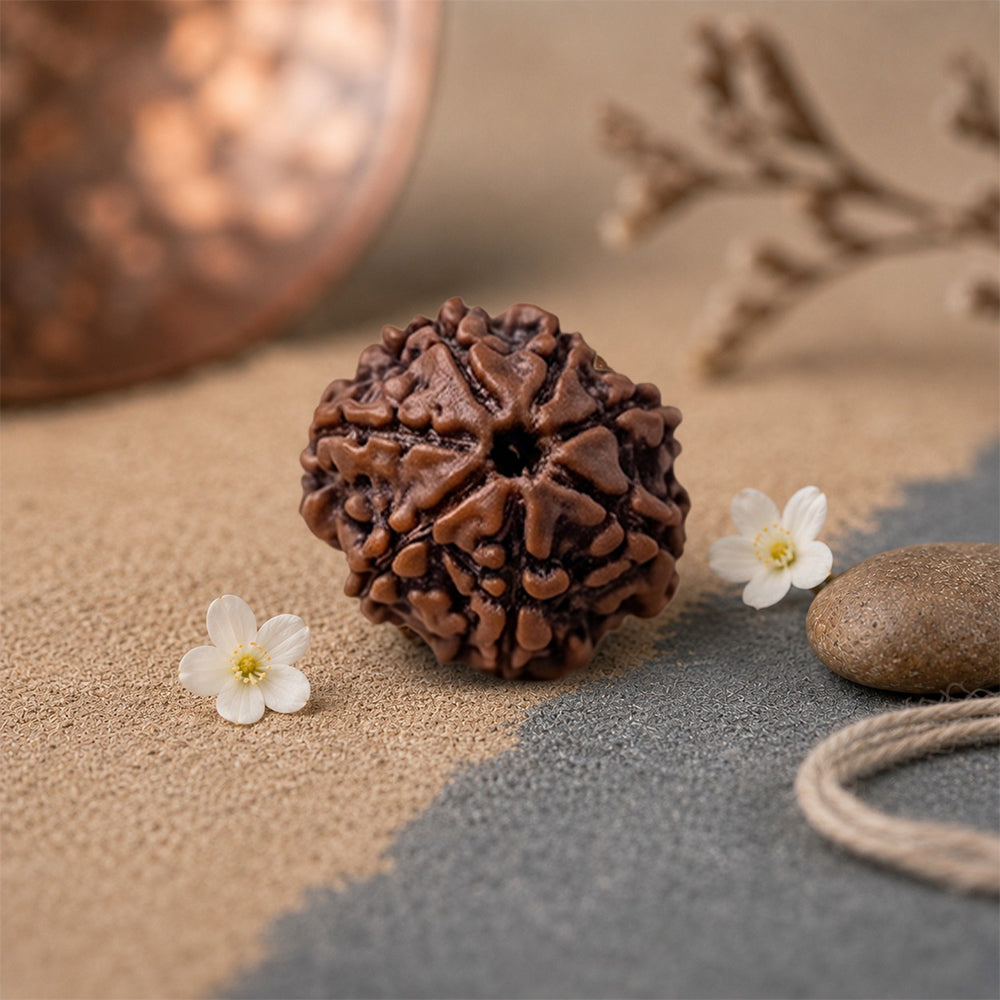
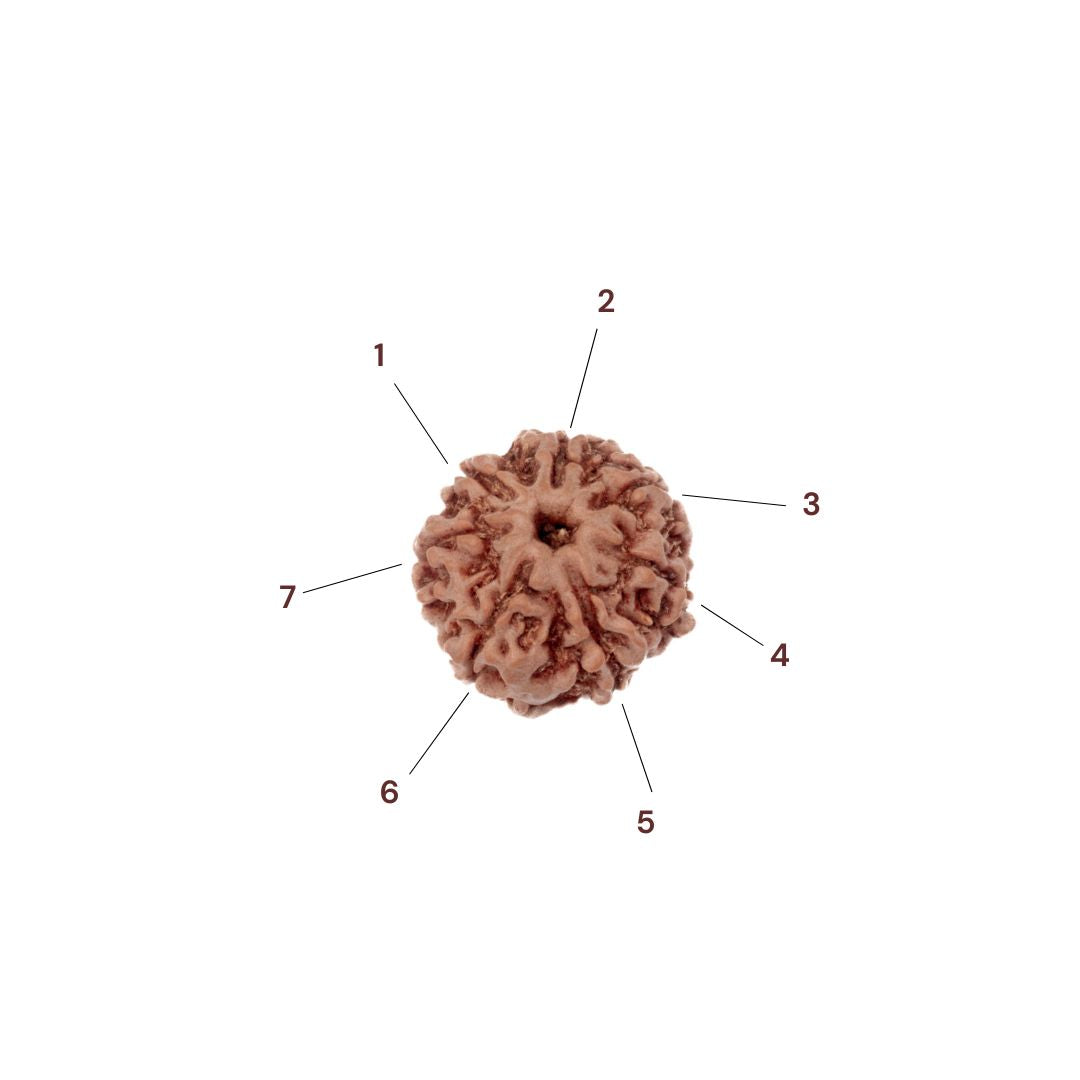
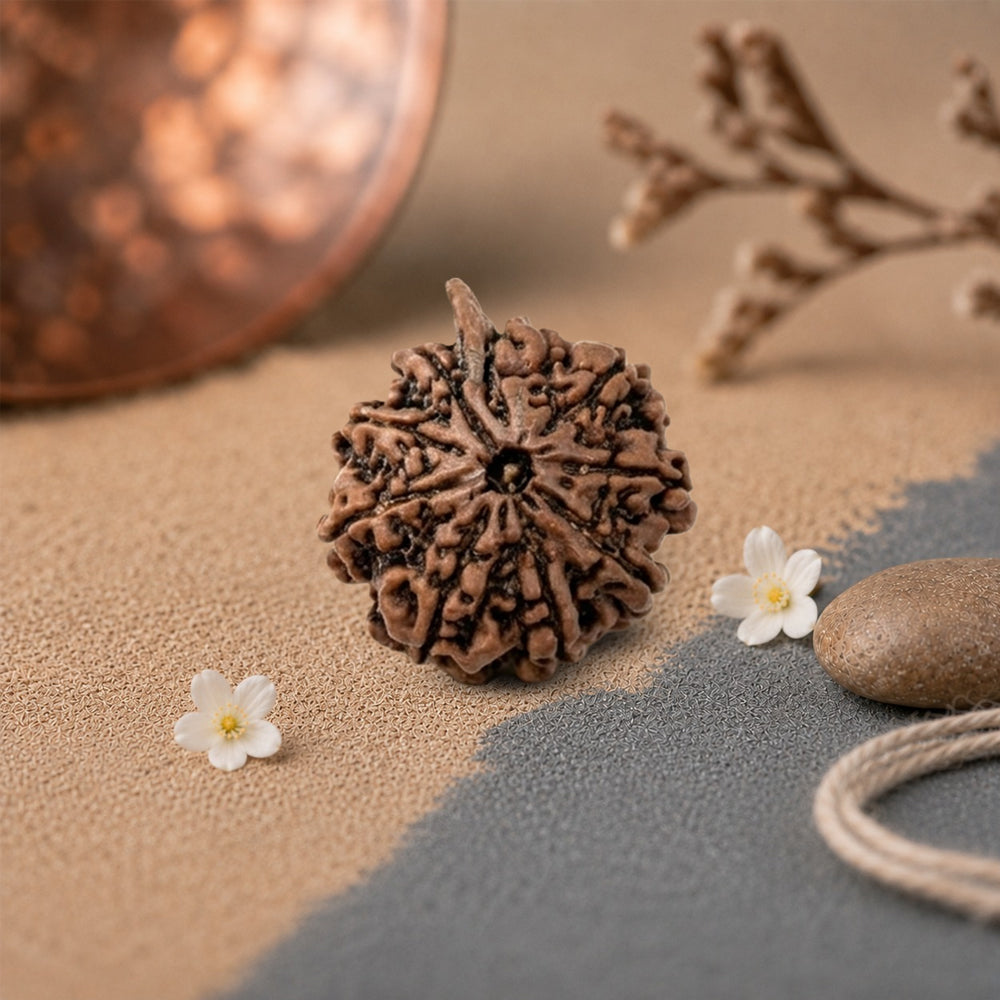
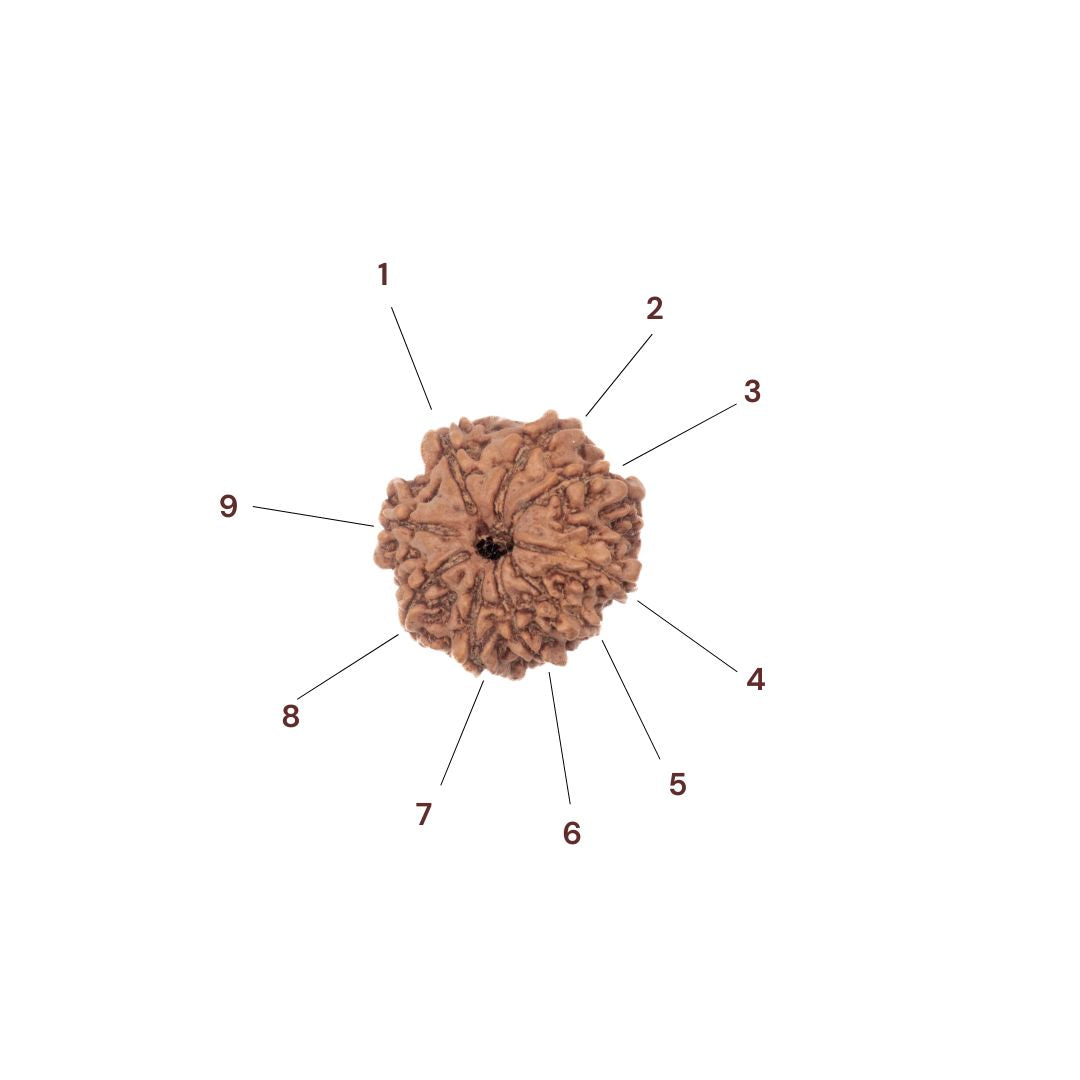
The eight Mukhi Rudraksha is a sacred bead with immense cosmic energy. It is distinguished by eight natural lines (mukhis) that run from one end of the bead to the other. It is believed to be a living representation of Lord Ganesha, the remover of obstacles, and the deity worshipped before every good beginning.
The ruling planet of the eight Mukhi Rudraksha is Rahu. According to Vedic traditions, wearing this bead helps the wearer overcome obstacles and promotes clarity, wisdom, and confidence. It is also believed that the eight mukhi Rudraksha helps achieve success in new ventures and remove obstacles from one's path.
It symbolises intelligence and spiritual advancement. By invoking the blessings of Lord Ganesha, the eight Mukhi Rudraksha is believed to support prosperity, inner stability and growth while helping the wearer navigate life's challenges with greater ease.
The Origin of 8 Mukhi Rudraksha
According to the Shiva Purana, Lord Shiva once went into a deep meditative trance for thousands of years. When he finally opened his eyes, tears of compassion and bliss fell upon the earth. Where those divine tears fell, Rudraksha trees grew. The Sanskrit name itself reveals this: Rudra (Lord Shiva) + Aksha (eyes or tears).
The Eight Mukhi Rudraksha is believed to have originated from the eight forms of Lord Ganesha - the Ashtavinayaka - the divine eight-faced manifestations of the elephant-headed god. It is also associated with the eight Vasus (celestial beings), the eight divine mother goddesses, and the sacred river Ganga, all of whom are said to bless this bead. Because of this multidimensional sacred origin, the bead carries the power to remove every category of obstacles - material, mental, and spiritual - and open the way for Riddhi (prosperity) and Siddhi (divine attainment).
Divine Association & Significance
Lord Ganesha: Removes obstacles and grants success
Eight Vasus: Prosperity and divine support
Ashta Matrikas: Offer Protection
Maa Ganga: Purifies the mind, body and karma
Ashta Siddhis: Symbolise spiritual and cosmic energy
Traditionally, 8 Mukhi Rudraksha beads are primarily found in the Himalayan regions of Nepal and certain parts of Indonesia and India, where Rudraksha trees naturally grow in spiritually significant environments. Indonesian beads have a smaller and smoother texture, whereas Nepal-origin beads are often considered more effective due to their deeper mukhi lines.
Eight Mukhi Rudraksha in Hinduism
In Hindu tradition, the number eight holds deep spiritual significance. It is associated with the Ashta Dikpalas, the divine guardians of the eight directions, and the Ashta Siddhis, the eight extraordinary spiritual powers attained by highly evolved seekers through sadhana.
The Eight Mukhi (Ashtamukhi) Rudraksha is closely connected with the Ashtavinayaka, the eight revered manifestations of Lord Ganesha worshipped across India. Each form of Ganesha embodies a unique divine blessing - bestowing wisdom, success, protection, courage, prosperity, and ultimately guiding devotees toward moksha.
By carrying the grace of these eight sacred forms, the Ashtamukhi Rudraksha is believed to help remove obstacles, strengthen inner wisdom, and create a protective spiritual shield around the wearer. It serves as a reminder that with Lord Ganesha's blessings, every challenge can become a stepping stone toward growth and fulfilment.
What Ancient Scriptures Reveal About 8 Mukhi Rudraksha
These are not folk traditions or word-of-mouth beliefs. Every major claim about the Ashtamukhi Rudraksha rests on the scriptures that are thousands of years old.
रुद्राक्षश्चाष्टवक्त्रश्च वसुमूर्तिश्च भैरवः |
धारणात्तस्य पूर्णायुमृतो भवति शूलभृत || (शि.पु.)
Rudraakshashcha Ashtavaktrashcha Vasumoortishcha Bhairavah|
Dhaaranaat Tasya Poornaayur Mruto Bhavati Shoolabhrit ||
The Eight Mukhi Rudraksha is the form of Bhairava and the embodiment of the Vasus. By wearing it, a person attains a full lifespan, and after death attains the state of Lord Shiva.
अष्टवक्त्रो महासेन साक्षाद्देवो विनायकः |
अन्नकूटं तूलकूटम् स्वर्णकूटं तथैव च || (दे.भा.)
Ashtavaktro Mahaasena Saakshaad Devo Vinaayakah |
Annakootam Toolakootam Swarnakootam Tathaiva Cha |
The Eight Mukhi Rudraksha is alternatively a form of Lord Vinayaka (Ganesha). By wearing it, one receives an abundance of food, clothing, gold, and prosperity.
Mantra to chant while wearing the Ashtamukhi Rudraksha:
ॐ गणानां त्वा गणपतिं हवामहे कविं कवीनामुपमश्रवस्तमम् ।
ज्येष्ठराजं ब्रह्मणां ब्राह्मणस्पत आ नः शृण्वन्नूतिभिः सीद सादनम् ॥
Om Ganaanaam Tvaa Ganapatim Havaamahe Kavim Kaveenaam Upamashravastamam |
Jyeshtharaajam Brahmanaam Brahmanaspata Aa Nah Shrunvannootibhih Seeda Saadanam ||
We invoke Lord Ganesha, the lord of all ganas, the wisest among the wise, the most renowned and supreme king of divine knowledge. O Lord, hear our prayers and bless us with your presence and protection.
8 Mukhi Rudraksha: Ruling Deity, Ruling Planet, Associated Chakra, and More
Lord Ganesha, the Vighnaharta, master of all hardships, is the Adishthatri Devata of Eight Mukhi Rudraksha. Ganesha is much more than just an optimistic deity in spiritual beliefs; he has a divine energy that guides, clears confusion, and provides access to both spiritual insight and prosperity in life. For this reason, it is believed that the Aath Mukhi bead can assist people in overcoming obstacles that have stood in the way of their professional, artistic, and spiritual goals.
Rahu, the shadow planet linked to confusion, sudden disruptions, disbelief, and unexpected delays, is its ruling planet. Frequent setbacks, unhealthy obsessions, and loss of clarity might result from Rahu's negative horoscope placement. It is usually believed to neutralise negative influence and transform its energy into focus and drive.
Other names: Aath Mukhi Rudraksha, Ashta Mukhi Rudraksha, Ashtavinayak Rudraksha
Ruling deity: Lord Ganesha (Vighnaharta); also associated with Lord Kartikeya, the eight Vasus, and the eight divine mother Goddesses
Ruling planet: Rahu
Beeja Mantra: "ॐ हुं नमः" / ॐ नमः शिवाय
Associated Chakra: Muladhara Chakra (Root Chakra)
Favourable day to wear: Monday (Somvar), Ganesh Chaturthi, Pradosh, Maha Shivratri
Origin: Nepal (Himalayan belt), India (Haridwar, Assam), Indonesia (Java, Bali)
Associated Nakshatras: Ashwini, Magha, Moola (traditionally linked with Rahu-Ketu)
Benefits of Wearing Eight Mukhi Rudraksha
Wearing the eight -faced beads of Rudraksha has multiple spiritual, mental and emotional balance benefits; read in detail below:
Spiritual Benefits
- Removal of all obstacles: Eight Mukhi Rudraksha is associated with Lord Ganesha, the remover of obstacles, and it is believed to help remove difficulties and unseen blockages from both spiritual and worldly paths.
- Protection from negative forces: This bead is regarded as a protective shield against negative energies and harmful instances, helping the wearer feel balanced.
- Riddhi and Siddhi: It is believed to attract the blessings of both Riddhi and Siddhi, symbolising prosperity, wisdom, and success in spiritual as well as material pursuits.
Emotional Benefits
- Reduce fear and confusion: Helps in calming down emotional instability, self-doubt, and unnecessary fear, bringing a great sense of clarity.
- Promotes emotional balance: It improves the individual's patience and control over impulsive reactions.
- Encourages positive thinking: It is usually believed that the energy helps in overcoming negativity and mental blocks.
Mental and Physical Health Benefits
- Improves focus: Eight Mukhi Rudraksha is believed to support concentration, mental sharpness, and practical thinking, especially during challenging situations.
- Helps manage stress and anxiety: Traditionally, it is associated with a calmer mind, reduced mental pressure, and better emotional resilience.
- Supports overall well- being: In spiritual traditions, the bead helps in generating energy and promoting stability and overall vitality, which helps in proper lifestyle and medical care.
(Disclaimer: Benefits are based on traditional Vedic beliefs and individual experiences. We do not claim any guaranteed results or cures.)
Who Should Wear an 8 Mukhi Rudraksha
The truthful answer is everyone. No scripture restricts the Eight Mukhi Rudraksha by age, gender, caste, or gotra. However, some people need it more urgently than others, as shown in the table below:
Students and learners: Enhances concentration, memory, and intellectual sharpness
Entrepreneurs and business people: Removes obstacles from new ventures
People facing repeated failures: Helps in breaking the setback and clears the path forward
Those under Rahu Mahadasha: Effective scriptural remedies for Rahu Dosh
Writers, artists, and intellectuals: Stimulates creativity, thinking, and expression
Spiritual seekers: Supports grounding and removal of spiritual obstacles
People facing stress or anxiety: Restores calm and courage to act
Pilgrims and Shiv devotees: Considered deeply auspicious for those devoted to Lord Shiva and Ganesha
Children and young adults: Traditionally considered safe and supportive for focus, confidence, and learning
How Should You Wear 8 Mukhi Rudraksha
Wearing Rudraksha without a mantra is a grave mistake. According to the Shiva Mahapurana, wearing it requires mantra chanting. And we’re here listing the step-by-step guide to wearing 8 Mukhi Rudraksha the right way:
Step 1: Shuddhi (Purification)
Wash the bead in Gangajal or clean water. Raw milk works too, and wait for it to dry naturally.
Step 2: Sankalp (Intention)
Hold the bead in both hands, close your eyes, and state your intention with pure devotion.
Step 3: Mantra
Chant the beeja mantra of Ashtmukhi Rudraksha 108 times:
ॐ हुं नमः
This mantra energises the Rudraksha and helps the wearer connect with the divine blessings of Lord Shiva. Chant it with devotion and focus to enhance its spiritual benefits.
Step 4: Wear it
Wear it close to your heart chakra for a more effective results.
Best Day: Monday (Somvar), Ganesh Chaturthi, Pradosh, Maha Shivaratri, and Shravan Somvar are considered especially auspicious for wearing the Aathmukhi Rudraksha
Forms: 108-bead mala, 54-bead mala, 27-bead bracelet, single Aathmukhi pendant
Thread: Silk or cotton thread is traditionally preferred for its sattvic nature. The bead can also be capped in copper, silver, or gold
Difference Between Nepali and Indonesian 8 Mukhi Rudraksha
Lord Shiva is the reason Nepal is unique. From Mount Kailash to the sacred site of Pashupatinath, the Himalayan region has been connected to Lord Shiva and his son Ganesha for a very long time. Rudraksha beads from Nepal are said to have a deeper spiritual significance. As the bead grows, it absorbs the energy of the land, the altitude, and the centuries of devotion in those mountains.
Nepalese Aathmukhi Rudraksha beads are especially valued for their size, solid, wood-like texture, and the clarity of their eight mukhi lines. Many individuals found it difficult to wear a mala daily in the past because the majority of Rudraksha beads from Nepal were very large.
Now in 2026, it is easier to find smaller Nepalese Eight Mukhi Rudraksha beads in sizes like 9 mm, 10 mm, and 11 mm. This means devotees who love the spiritual depth of Nepal-origin beads can now wear them comfortably every day, as a mala around the neck or a bracelet on the wrist.
People who believe in the power of Rudraksha understand that wearing it close to the body is the key to receiving its benefits to the fullest. A mala worn around the neck, resting against the skin, is considered the most effective. The availability of smaller Nepal beads has made this possible for the Eight Mukhi as well.
Rudraksha beads also grow in Indonesia. The climate and environment there produce beads that are smaller and smoother compared to those from Nepal. These beads are not fake; they simply reflect the different growing conditions of a different land. Indonesian Eight Mukhi Rudraksha beads carry the same spiritual essence - shaped differently by the soil, climate, and altitude of Indonesia.
Eight Mukhi Rudraksha: Dos and Don’ts
Dos
- Wear it after proper cleansing
- Do not wear a cracked or damaged Rudraksha bead
- Wear it with faith and prosperity
- Do not expose it to shampoo, soap or chemical perfumes
- Wear it preferably on Monday morning or during Brahma Muhurat
- Do not share it with anyone
- Oil lightly with mustard or sandalwood oil once a week
Don'ts
- Avoid wearing it during funerals or highly impure environments
- Store it in a clean, sacred place when not in use
- Do not place the Rudraksha directly on the floor or treat it casually
- Keep the Rudraksha clean and dry
- Avoid tamasic food if serious about sadhana
- Chant "ॐ हुं नमः" regularly while wearing it
- Avoid wearing over-thick fabrics that rub against the skin
Origin
The Origin of 8 Mukhi Rudraksha
According to the Shiva Purana, Lord Shiva once went into a deep meditative trance for thousands of years. When he finally opened his eyes, tears of compassion and bliss fell upon the earth. Where those divine tears fell, Rudraksha trees grew. The Sanskrit name itself reveals this: Rudra (Lord Shiva) + Aksha (eyes or tears).
The Eight Mukhi Rudraksha is believed to have originated from the eight forms of Lord Ganesha - the Ashtavinayaka - the divine eight-faced manifestations of the elephant-headed god. It is also associated with the eight Vasus (celestial beings), the eight divine mother goddesses, and the sacred river Ganga, all of whom are said to bless this bead. Because of this multidimensional sacred origin, the bead carries the power to remove every category of obstacles - material, mental, and spiritual - and open the way for Riddhi (prosperity) and Siddhi (divine attainment).
Divine Association & Significance
Lord Ganesha: Removes obstacles and grants success
Eight Vasus: Prosperity and divine support
Ashta Matrikas: Offer Protection
Maa Ganga: Purifies the mind, body and karma
Ashta Siddhis: Symbolise spiritual and cosmic energy
Traditionally, 8 Mukhi Rudraksha beads are primarily found in the Himalayan regions of Nepal and certain parts of Indonesia and India, where Rudraksha trees naturally grow in spiritually significant environments. Indonesian beads have a smaller and smoother texture, whereas Nepal-origin beads are often considered more effective due to their deeper mukhi lines.
Spiritual Significance
Eight Mukhi Rudraksha in Hinduism
In Hindu tradition, the number eight holds deep spiritual significance. It is associated with the Ashta Dikpalas, the divine guardians of the eight directions, and the Ashta Siddhis, the eight extraordinary spiritual powers attained by highly evolved seekers through sadhana.
The Eight Mukhi (Ashtamukhi) Rudraksha is closely connected with the Ashtavinayaka, the eight revered manifestations of Lord Ganesha worshipped across India. Each form of Ganesha embodies a unique divine blessing - bestowing wisdom, success, protection, courage, prosperity, and ultimately guiding devotees toward moksha.
By carrying the grace of these eight sacred forms, the Ashtamukhi Rudraksha is believed to help remove obstacles, strengthen inner wisdom, and create a protective spiritual shield around the wearer. It serves as a reminder that with Lord Ganesha's blessings, every challenge can become a stepping stone toward growth and fulfilment.
What Ancient Scriptures Reveal About 8 Mukhi Rudraksha
These are not folk traditions or word-of-mouth beliefs. Every major claim about the Ashtamukhi Rudraksha rests on the scriptures that are thousands of years old.
रुद्राक्षश्चाष्टवक्त्रश्च वसुमूर्तिश्च भैरवः |
धारणात्तस्य पूर्णायुमृतो भवति शूलभृत || (शि.पु.)
Rudraakshashcha Ashtavaktrashcha Vasumoortishcha Bhairavah|
Dhaaranaat Tasya Poornaayur Mruto Bhavati Shoolabhrit ||
The Eight Mukhi Rudraksha is the form of Bhairava and the embodiment of the Vasus. By wearing it, a person attains a full lifespan, and after death attains the state of Lord Shiva.
अष्टवक्त्रो महासेन साक्षाद्देवो विनायकः |
अन्नकूटं तूलकूटम् स्वर्णकूटं तथैव च || (दे.भा.)
Ashtavaktro Mahaasena Saakshaad Devo Vinaayakah |
Annakootam Toolakootam Swarnakootam Tathaiva Cha |
The Eight Mukhi Rudraksha is alternatively a form of Lord Vinayaka (Ganesha). By wearing it, one receives an abundance of food, clothing, gold, and prosperity.
Mantra to chant while wearing the Ashtamukhi Rudraksha:
ॐ गणानां त्वा गणपतिं हवामहे कविं कवीनामुपमश्रवस्तमम् ।
ज्येष्ठराजं ब्रह्मणां ब्राह्मणस्पत आ नः शृण्वन्नूतिभिः सीद सादनम् ॥
Om Ganaanaam Tvaa Ganapatim Havaamahe Kavim Kaveenaam Upamashravastamam |
Jyeshtharaajam Brahmanaam Brahmanaspata Aa Nah Shrunvannootibhih Seeda Saadanam ||
We invoke Lord Ganesha, the lord of all ganas, the wisest among the wise, the most renowned and supreme king of divine knowledge. O Lord, hear our prayers and bless us with your presence and protection.
Ruling Deity & More
8 Mukhi Rudraksha: Ruling Deity, Ruling Planet, Associated Chakra, and More
Lord Ganesha, the Vighnaharta, master of all hardships, is the Adishthatri Devata of Eight Mukhi Rudraksha. Ganesha is much more than just an optimistic deity in spiritual beliefs; he has a divine energy that guides, clears confusion, and provides access to both spiritual insight and prosperity in life. For this reason, it is believed that the Aath Mukhi bead can assist people in overcoming obstacles that have stood in the way of their professional, artistic, and spiritual goals.
Rahu, the shadow planet linked to confusion, sudden disruptions, disbelief, and unexpected delays, is its ruling planet. Frequent setbacks, unhealthy obsessions, and loss of clarity might result from Rahu's negative horoscope placement. It is usually believed to neutralise negative influence and transform its energy into focus and drive.
Other names: Aath Mukhi Rudraksha, Ashta Mukhi Rudraksha, Ashtavinayak Rudraksha
Ruling deity: Lord Ganesha (Vighnaharta); also associated with Lord Kartikeya, the eight Vasus, and the eight divine mother Goddesses
Ruling planet: Rahu
Beeja Mantra: "ॐ हुं नमः" / ॐ नमः शिवाय
Associated Chakra: Muladhara Chakra (Root Chakra)
Favourable day to wear: Monday (Somvar), Ganesh Chaturthi, Pradosh, Maha Shivratri
Origin: Nepal (Himalayan belt), India (Haridwar, Assam), Indonesia (Java, Bali)
Associated Nakshatras: Ashwini, Magha, Moola (traditionally linked with Rahu-Ketu)
Benefits
Benefits of Wearing Eight Mukhi Rudraksha
Wearing the eight -faced beads of Rudraksha has multiple spiritual, mental and emotional balance benefits; read in detail below:
Spiritual Benefits
- Removal of all obstacles: Eight Mukhi Rudraksha is associated with Lord Ganesha, the remover of obstacles, and it is believed to help remove difficulties and unseen blockages from both spiritual and worldly paths.
- Protection from negative forces: This bead is regarded as a protective shield against negative energies and harmful instances, helping the wearer feel balanced.
- Riddhi and Siddhi: It is believed to attract the blessings of both Riddhi and Siddhi, symbolising prosperity, wisdom, and success in spiritual as well as material pursuits.
Emotional Benefits
- Reduce fear and confusion: Helps in calming down emotional instability, self-doubt, and unnecessary fear, bringing a great sense of clarity.
- Promotes emotional balance: It improves the individual's patience and control over impulsive reactions.
- Encourages positive thinking: It is usually believed that the energy helps in overcoming negativity and mental blocks.
Mental and Physical Health Benefits
- Improves focus: Eight Mukhi Rudraksha is believed to support concentration, mental sharpness, and practical thinking, especially during challenging situations.
- Helps manage stress and anxiety: Traditionally, it is associated with a calmer mind, reduced mental pressure, and better emotional resilience.
- Supports overall well- being: In spiritual traditions, the bead helps in generating energy and promoting stability and overall vitality, which helps in proper lifestyle and medical care.
(Disclaimer: Benefits are based on traditional Vedic beliefs and individual experiences. We do not claim any guaranteed results or cures.)
Who Should Wear
Who Should Wear an 8 Mukhi Rudraksha
The truthful answer is everyone. No scripture restricts the Eight Mukhi Rudraksha by age, gender, caste, or gotra. However, some people need it more urgently than others, as shown in the table below:
Students and learners: Enhances concentration, memory, and intellectual sharpness
Entrepreneurs and business people: Removes obstacles from new ventures
People facing repeated failures: Helps in breaking the setback and clears the path forward
Those under Rahu Mahadasha: Effective scriptural remedies for Rahu Dosh
Writers, artists, and intellectuals: Stimulates creativity, thinking, and expression
Spiritual seekers: Supports grounding and removal of spiritual obstacles
People facing stress or anxiety: Restores calm and courage to act
Pilgrims and Shiv devotees: Considered deeply auspicious for those devoted to Lord Shiva and Ganesha
Children and young adults: Traditionally considered safe and supportive for focus, confidence, and learning
How To Wear
How Should You Wear 8 Mukhi Rudraksha
Wearing Rudraksha without a mantra is a grave mistake. According to the Shiva Mahapurana, wearing it requires mantra chanting. And we’re here listing the step-by-step guide to wearing 8 Mukhi Rudraksha the right way:
Step 1: Shuddhi (Purification)
Wash the bead in Gangajal or clean water. Raw milk works too, and wait for it to dry naturally.
Step 2: Sankalp (Intention)
Hold the bead in both hands, close your eyes, and state your intention with pure devotion.
Step 3: Mantra
Chant the beeja mantra of Ashtmukhi Rudraksha 108 times:
ॐ हुं नमः
This mantra energises the Rudraksha and helps the wearer connect with the divine blessings of Lord Shiva. Chant it with devotion and focus to enhance its spiritual benefits.
Step 4: Wear it
Wear it close to your heart chakra for a more effective results.
Best Day: Monday (Somvar), Ganesh Chaturthi, Pradosh, Maha Shivaratri, and Shravan Somvar are considered especially auspicious for wearing the Aathmukhi Rudraksha
Forms: 108-bead mala, 54-bead mala, 27-bead bracelet, single Aathmukhi pendant
Thread: Silk or cotton thread is traditionally preferred for its sattvic nature. The bead can also be capped in copper, silver, or gold
Nepali vs Indonesian
Difference Between Nepali and Indonesian 8 Mukhi Rudraksha
Lord Shiva is the reason Nepal is unique. From Mount Kailash to the sacred site of Pashupatinath, the Himalayan region has been connected to Lord Shiva and his son Ganesha for a very long time. Rudraksha beads from Nepal are said to have a deeper spiritual significance. As the bead grows, it absorbs the energy of the land, the altitude, and the centuries of devotion in those mountains.
Nepalese Aathmukhi Rudraksha beads are especially valued for their size, solid, wood-like texture, and the clarity of their eight mukhi lines. Many individuals found it difficult to wear a mala daily in the past because the majority of Rudraksha beads from Nepal were very large.
Now in 2026, it is easier to find smaller Nepalese Eight Mukhi Rudraksha beads in sizes like 9 mm, 10 mm, and 11 mm. This means devotees who love the spiritual depth of Nepal-origin beads can now wear them comfortably every day, as a mala around the neck or a bracelet on the wrist.
People who believe in the power of Rudraksha understand that wearing it close to the body is the key to receiving its benefits to the fullest. A mala worn around the neck, resting against the skin, is considered the most effective. The availability of smaller Nepal beads has made this possible for the Eight Mukhi as well.
Rudraksha beads also grow in Indonesia. The climate and environment there produce beads that are smaller and smoother compared to those from Nepal. These beads are not fake; they simply reflect the different growing conditions of a different land. Indonesian Eight Mukhi Rudraksha beads carry the same spiritual essence - shaped differently by the soil, climate, and altitude of Indonesia.
Dos & Don'ts
Eight Mukhi Rudraksha: Dos and Don’ts
Dos
- Wear it after proper cleansing
- Do not wear a cracked or damaged Rudraksha bead
- Wear it with faith and prosperity
- Do not expose it to shampoo, soap or chemical perfumes
- Wear it preferably on Monday morning or during Brahma Muhurat
- Do not share it with anyone
- Oil lightly with mustard or sandalwood oil once a week
Don'ts
- Avoid wearing it during funerals or highly impure environments
- Store it in a clean, sacred place when not in use
- Do not place the Rudraksha directly on the floor or treat it casually
- Keep the Rudraksha clean and dry
- Avoid tamasic food if serious about sadhana
- Chant "ॐ हुं नमः" regularly while wearing it
- Avoid wearing over-thick fabrics that rub against the skin
Sort by
1 product
Our Best Sellers
Recently viewed products
Subscribe to Our Newsletter
Be the first to know about new Rudraksha collections, special offers, and spiritual insights.

7-Day Easy Returns
T&C Apply

Worldwide Shipping
Free Delivery in India

Mukhi Verified
Counted by hand

Energized & Activated
for Astrological Results
Hand-Picked Beads
Bead by bead, unbroken