
What Is Rudraksha? Meaning, Origin and Significance
‘रुद्राक्ष धारणाद् रुद्रो भवत्येव न संशयः’
A person who wears rudraksha becomes worthy of Shiva’s grace; this is an eternal belief.
Rudraksha is considered a direct blessing from Lord Shiva.
Undoubtedly, it is sacred, powerful, and useful to the wearer. However, few are aware of what Rudraksha is or how it originated. Its story traces back to the Shiva Purana, which recounts its origin. People have been wearing Rudraksha for thousands of years.
Let us first understand exactly what a Rudraksha is, how it came into existence, and its significance for the world.
What is Rudraksha?
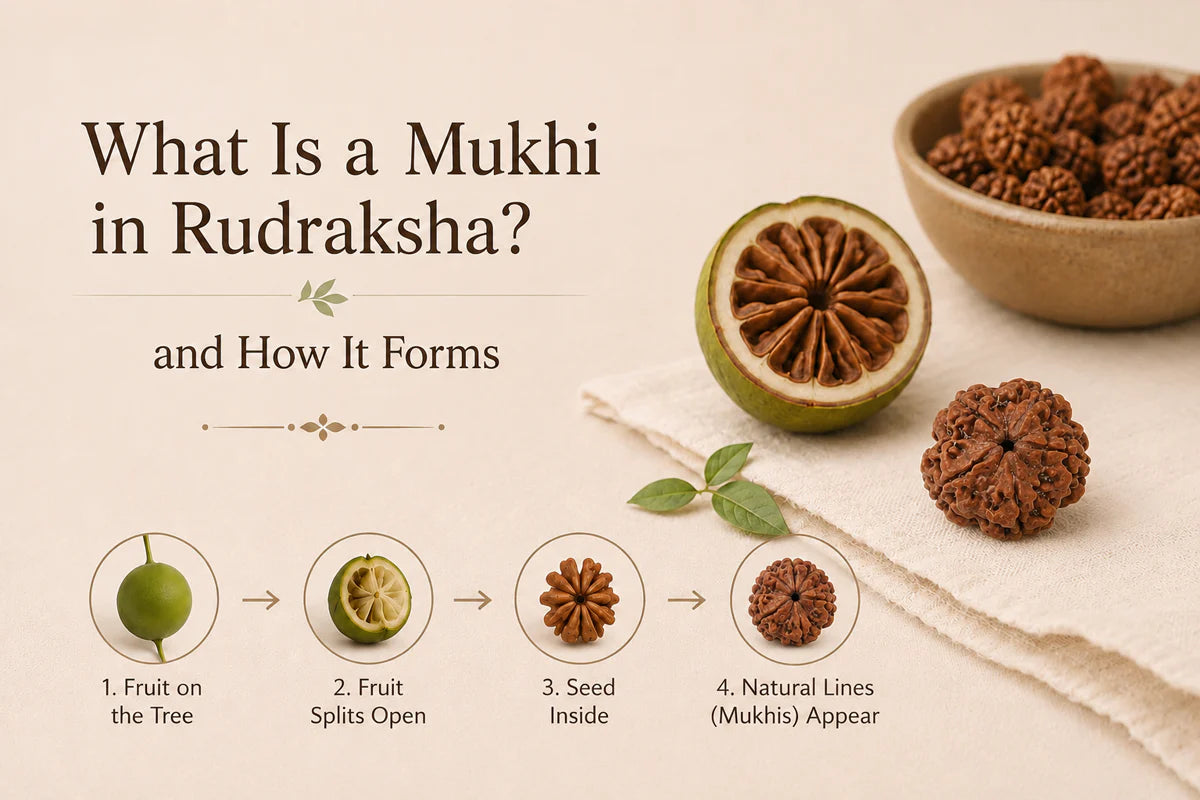
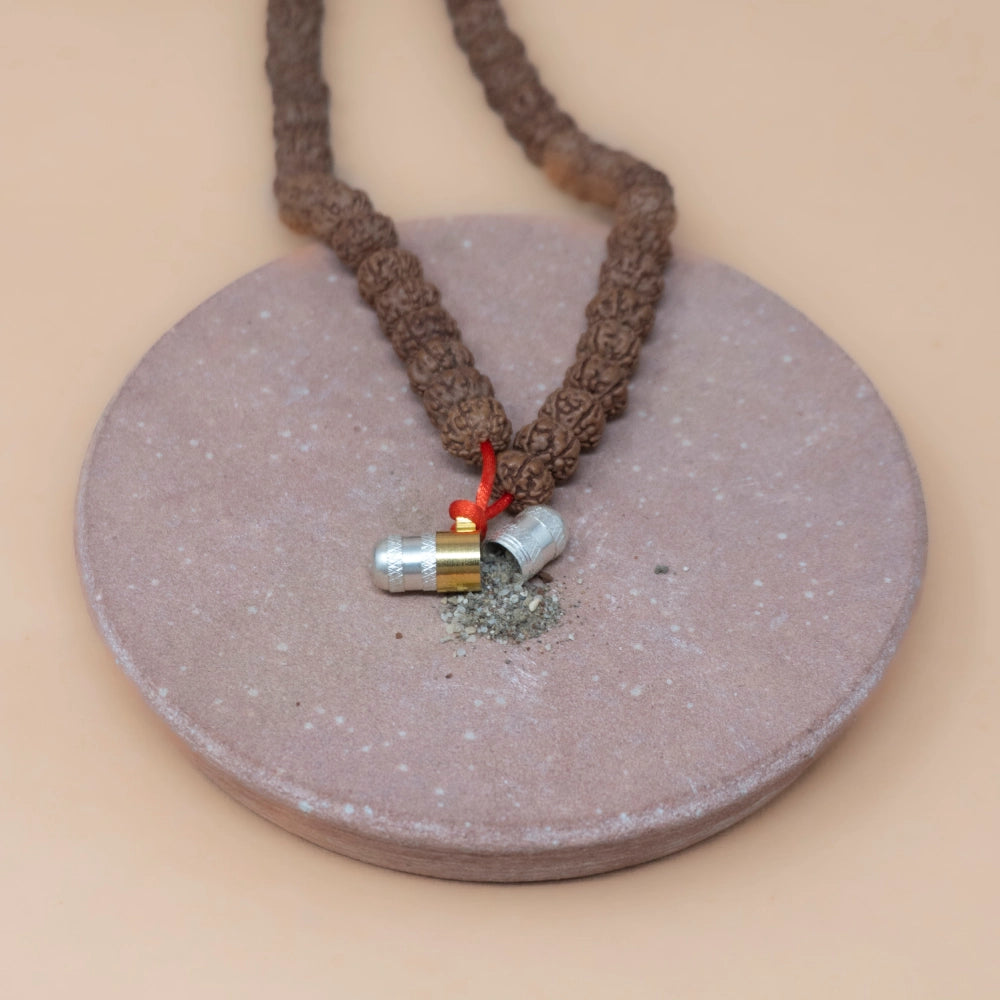
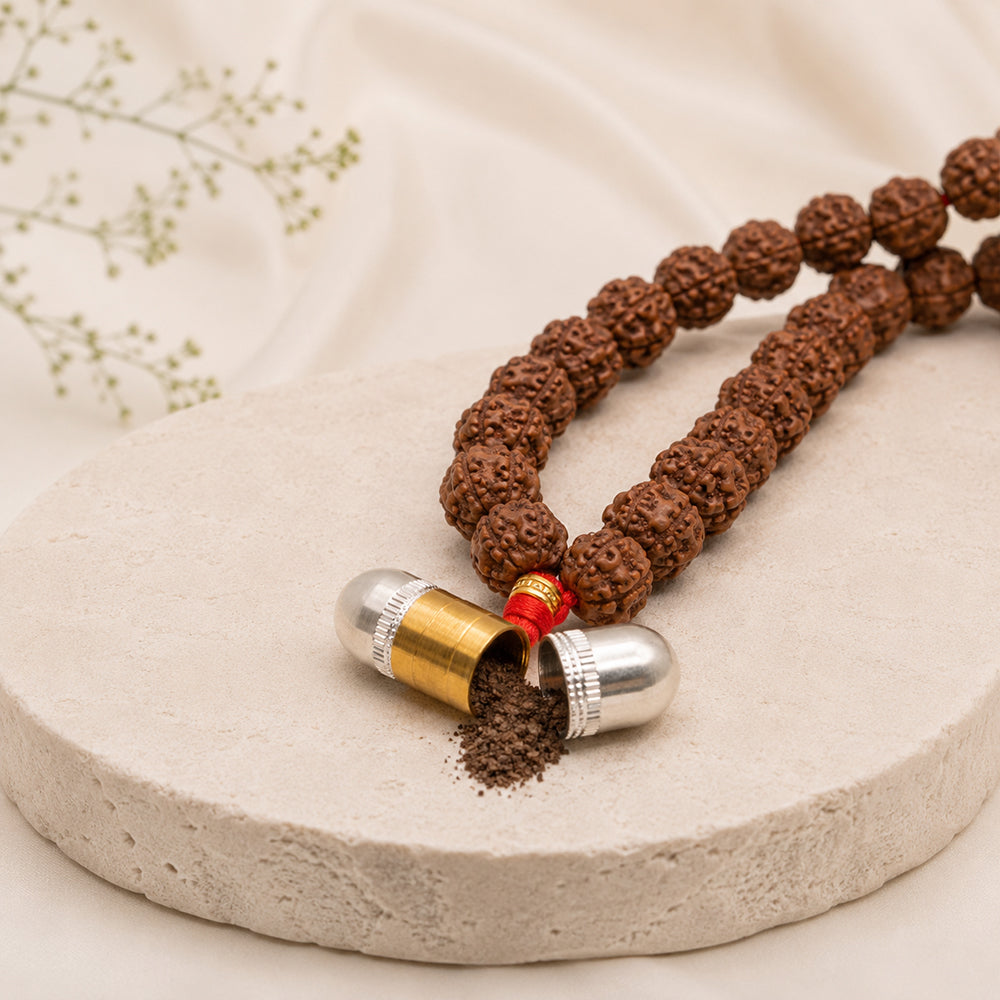
The word 'Rudraksha' is formed by combining 'Rudra' and 'Aksha.' "Rudra" signifies Shiva, while "Aksha" refers to seed, blood, or tear.
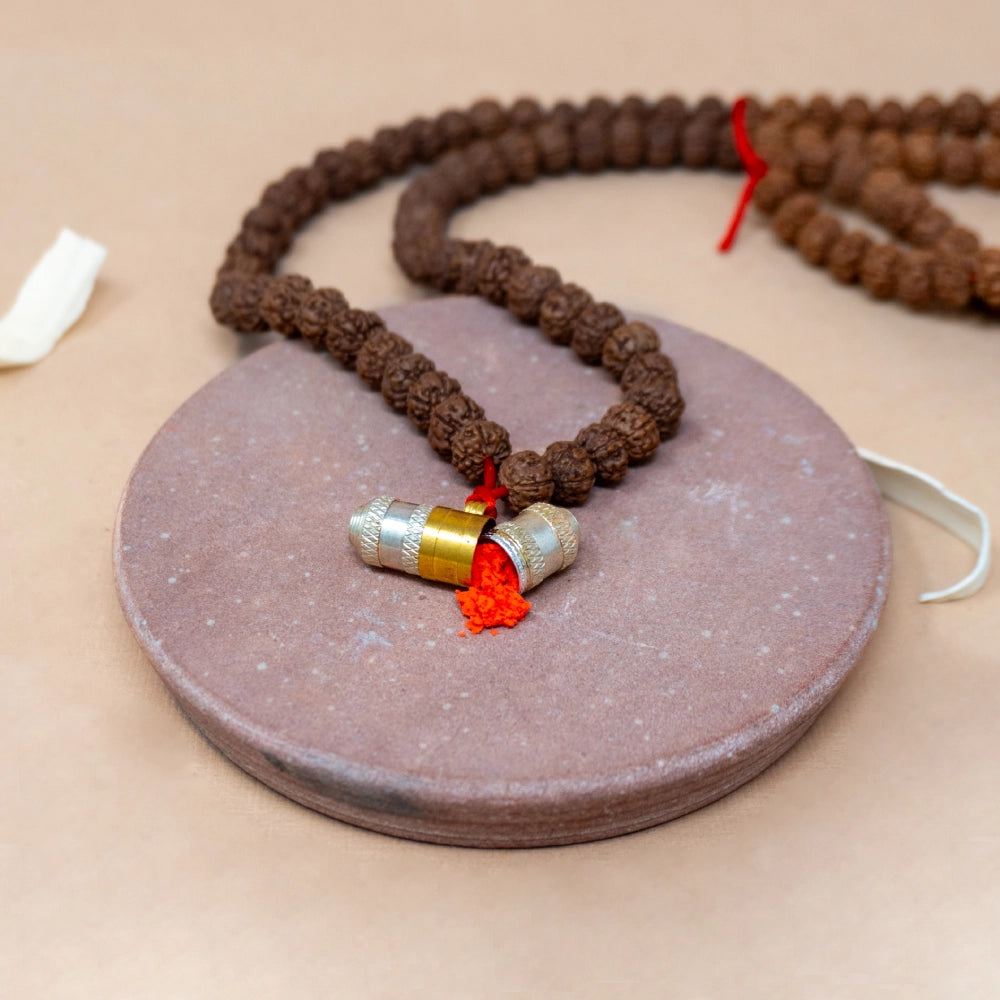
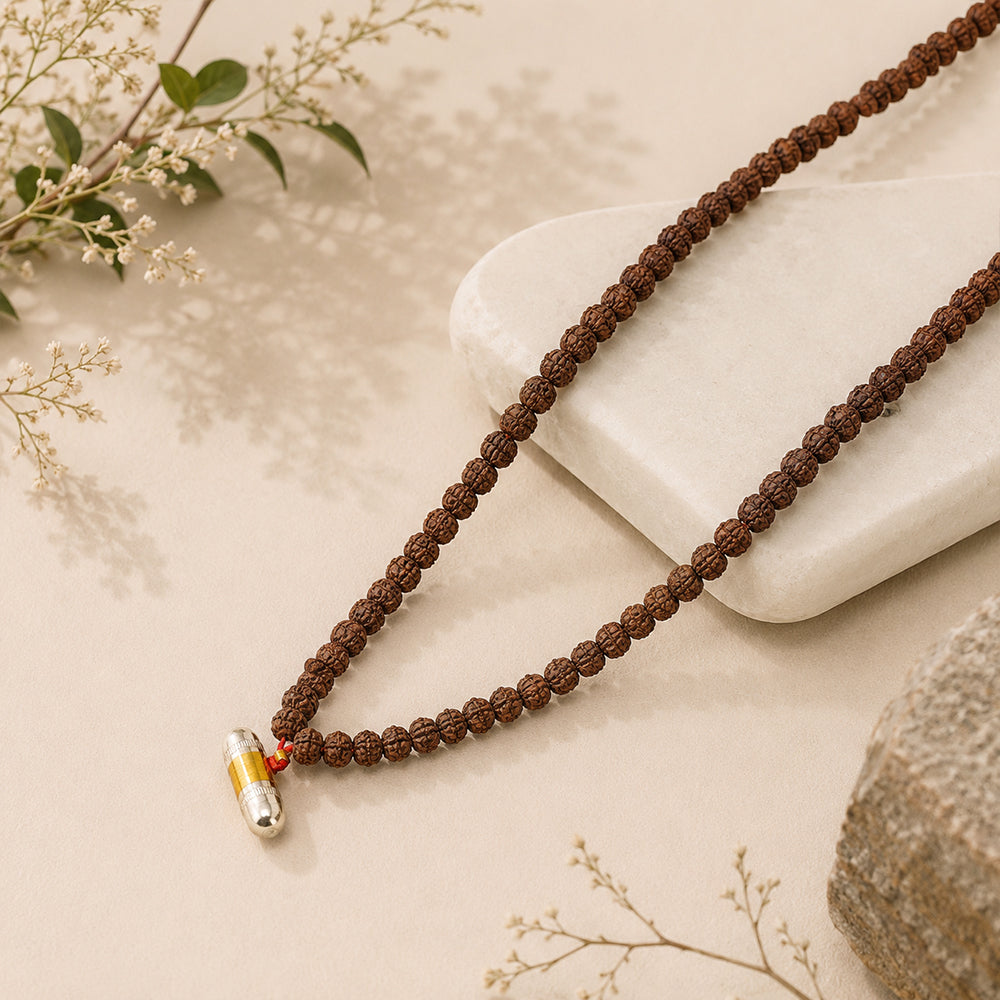
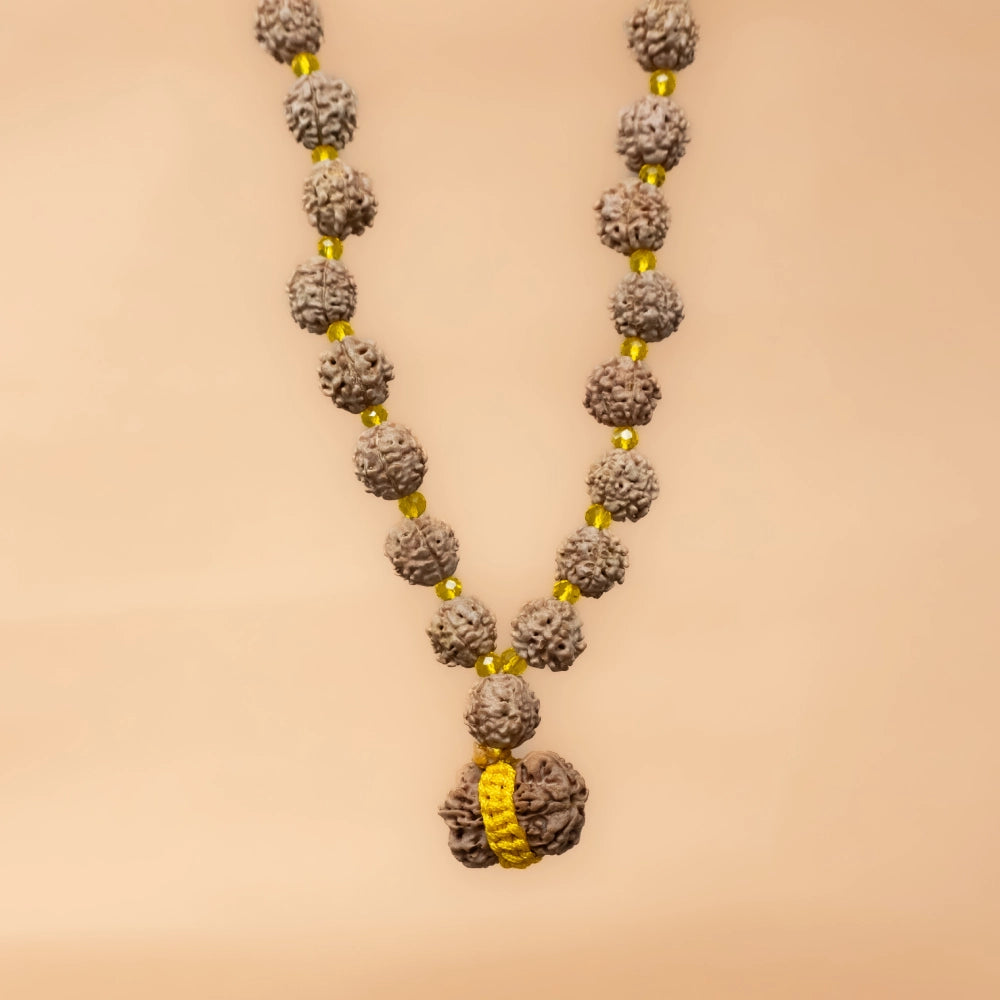
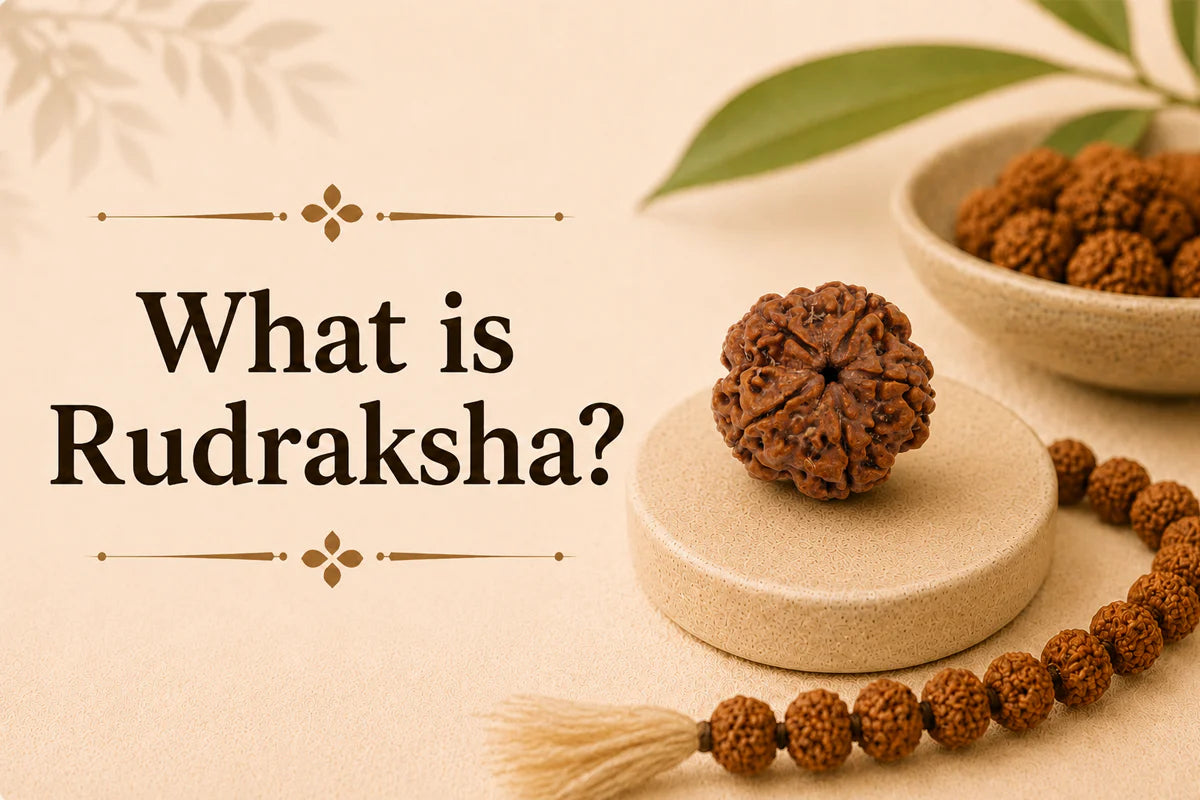
This natural seed is roughly the size of a jujube (ber) or a pea and grows on the Elaeocarpus ganitrus tree. This tree can be found across the Himalayan foothills of Nepal, the island of Java in Indonesia, and several parts of South Asia. When the fruit falls, its seed is collected and dried to be further used as a bead.
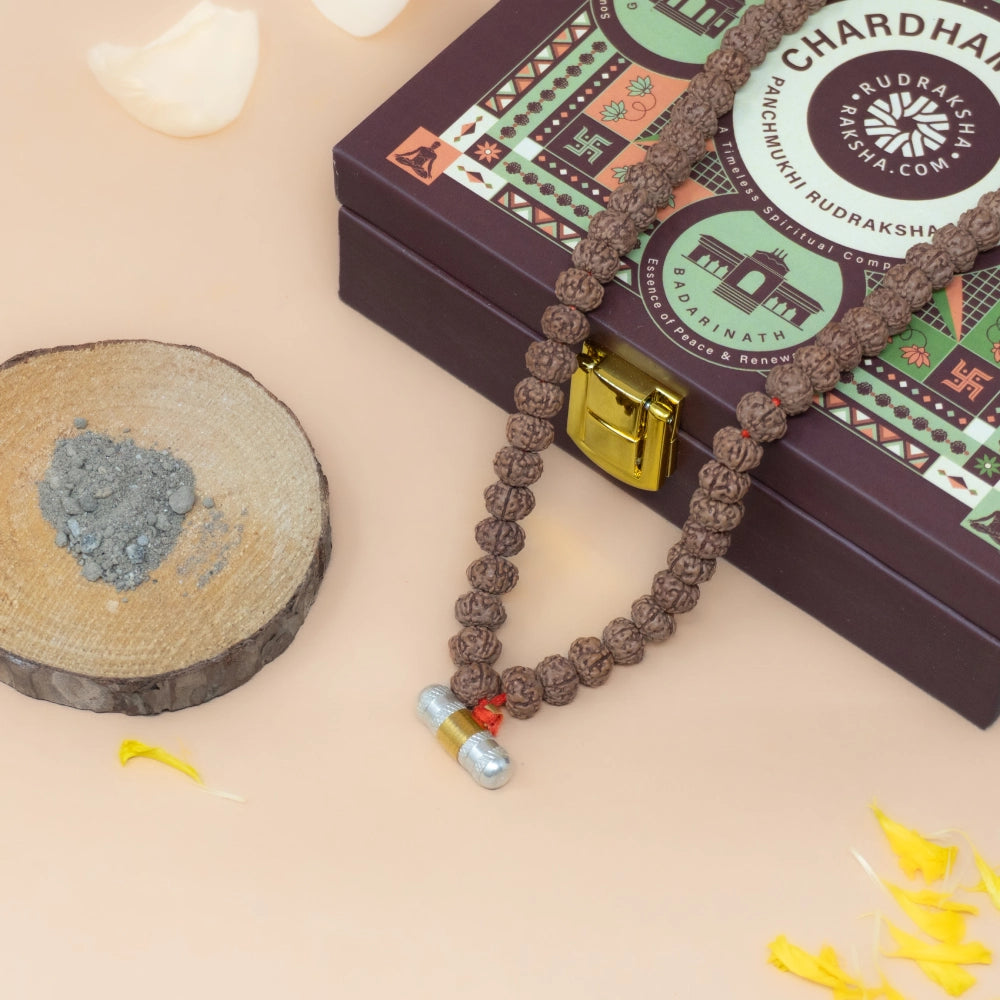
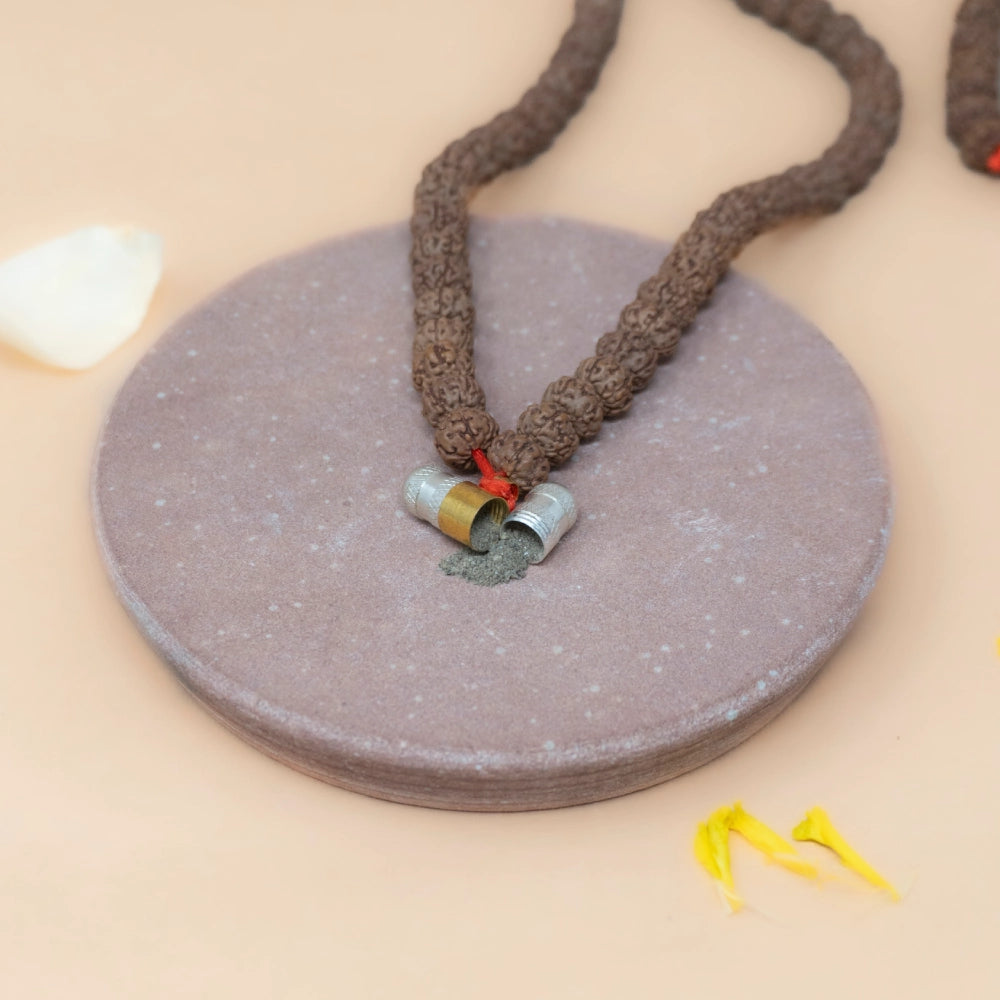
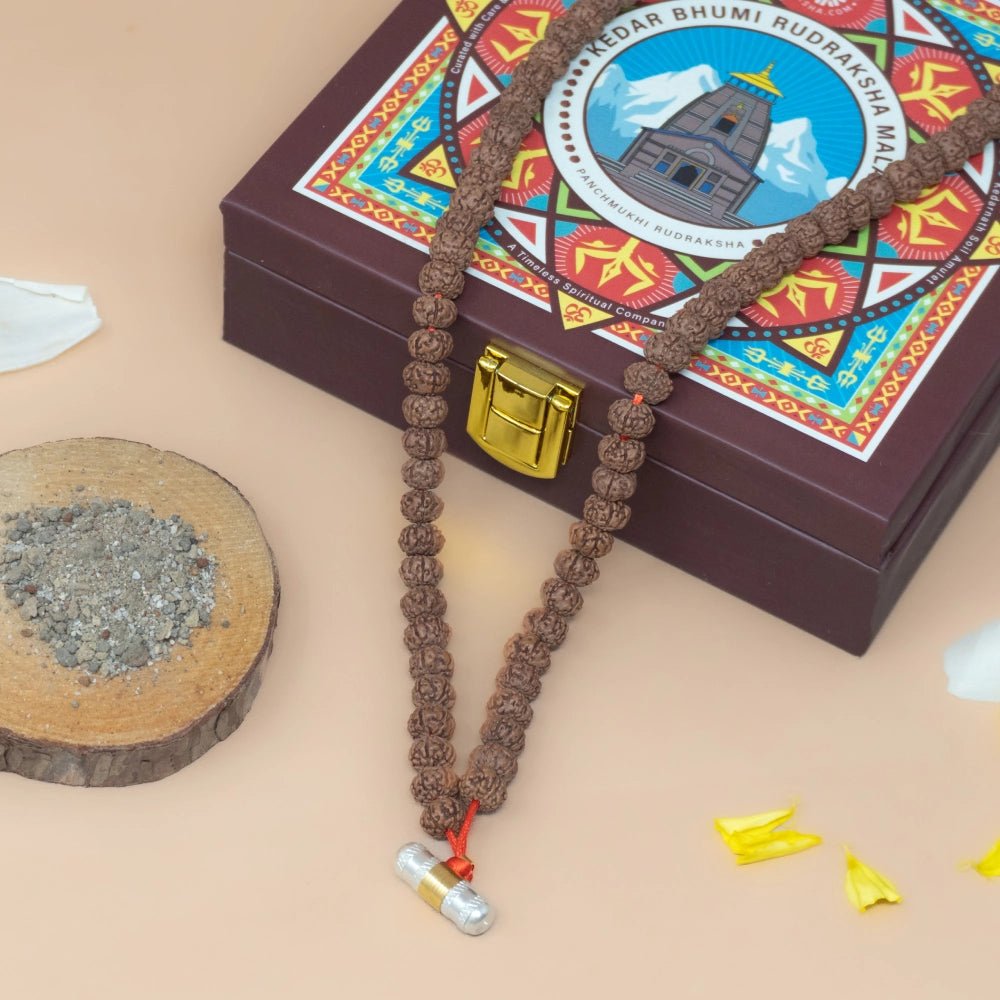
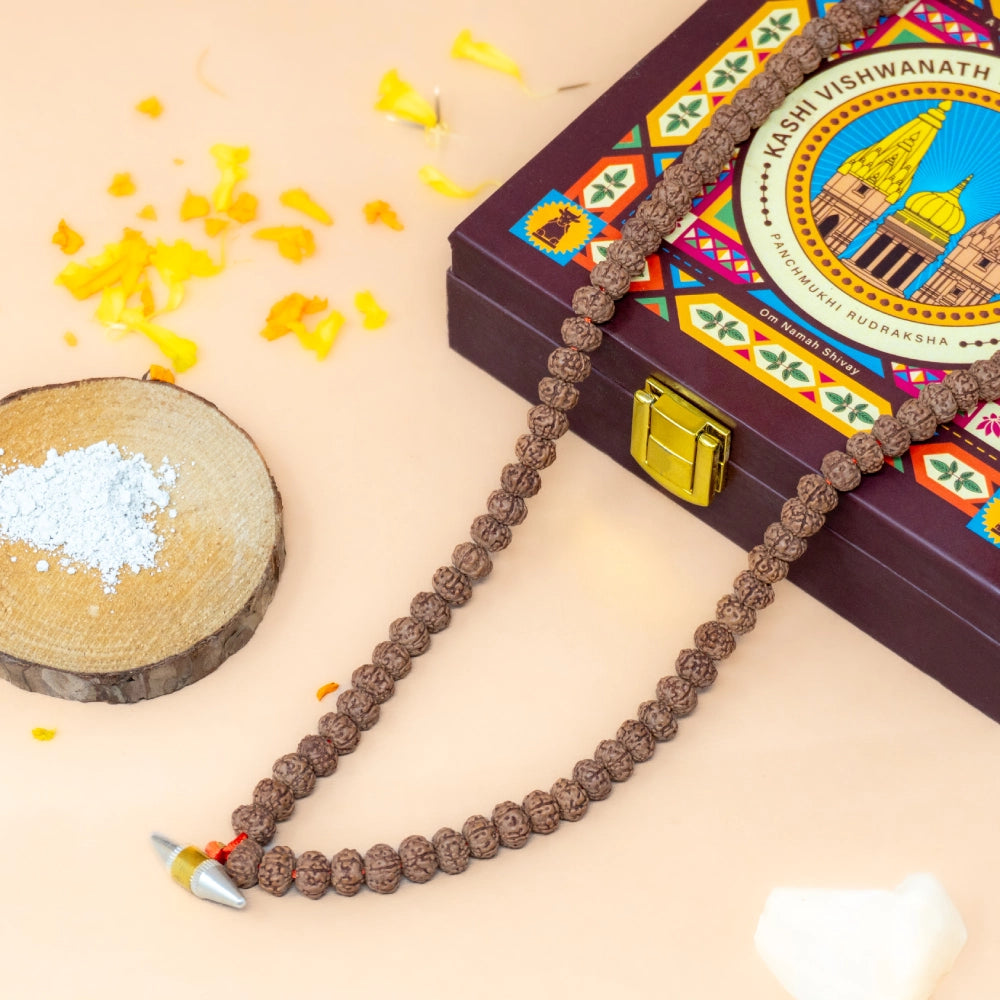
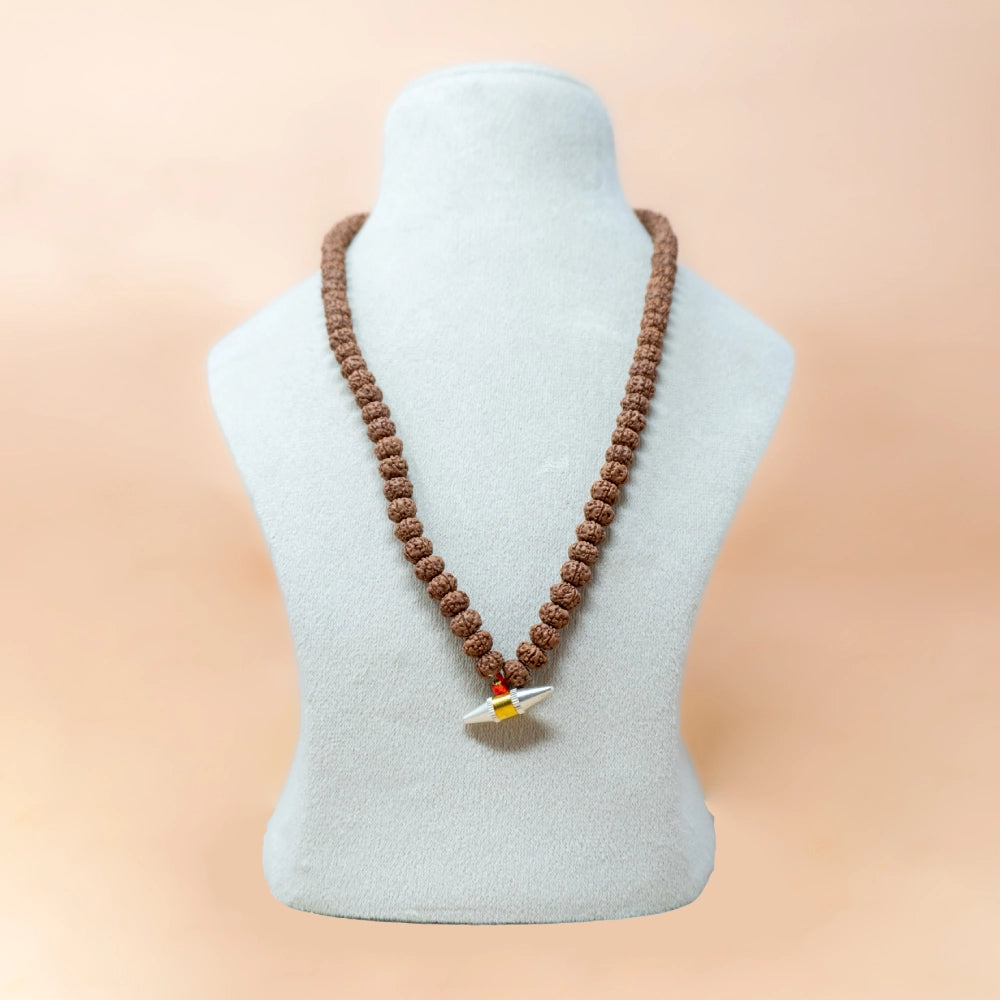
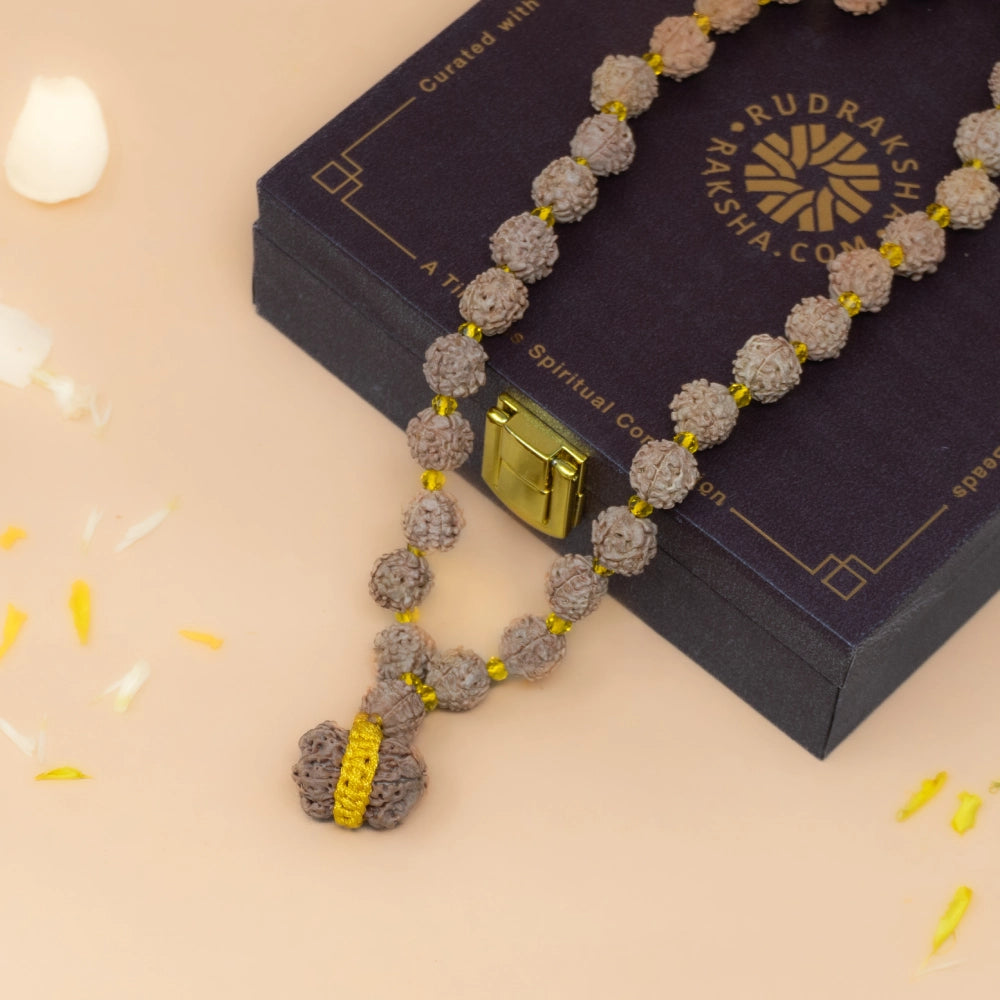
Ever wondered what the vertical lines in rudraksha mean? Rudrakshas feature ridges or grooves, which are referred to as 'mukhs' (faces). The number of these ridges ranges from one to fourteen. Generally, the five-ridged variety, also known as 'Panchmukhi’, is the most abundant.
Rudraksha is worn for mental, physical, and emotional well-being. Knowing just about the bead isn't enough. There is a divine story hidden behind the origin that directly links it to Lord Shiva.
Origin of Rudraksha
‘रुद्राक्षा मम नेत्रेभ्यः समुत्पन्ना महीतले’
Rudraksha originated on Earth from my eyes.
Once, when Lord Shiva, who embodies divine play, opened his eyes, a few drops of water fell from them, and from these drops, the tree known as Rudraksha emerged.
The Shiva Purana provides the following account regarding the origin of the Rudraksha:
Lord Shiva had to wage a fierce, years-long war against the mighty demon king Tripurasura, who roamed freely in the Himalayas. Due to the intensity of this battle, Shiva experienced severe pain in his eyes. Tears flowed from His eyes, caused by both rage and redness. Brahma then decreed that these tears should manifest as a tree. The fruits that grew on that tree came to be known as "Rudraksha."
Rudrakshas appeared on Earth in four distinct varieties. Brahmins, Kshatriyas, Vaishyas, and Shudras attain the grace of Shiva and Parvati by wearing Rudrakshas of white, red, yellow, and black hues, respectively. Rudrakshas the size of an amla (Indian gooseberry) are considered superior. Ones in the size of a ber (jujube fruit) are considered of medium quality. And chickpea-sized ones belong to the lowest grade.
Spiritual Significance of Rudraksha
Bhushund Muni once said to Lord Kalagni Rudra, "Lord! You have not explained the greatness of Rudraksh." Lord Kalagni Rudra said:
भक्तानां धारणात्पापं दिवारांत्रिकृतं हरेत्,
लक्षं तु दर्शनात्पुण्यं कोटिस्तद्धारणाद् भवेत्।
तस्य कोटिशतं पुण्यं लभते धारणान्नरः,
लक्षकोटिसहस्राणि लक्षकोटिशतानि च ।।
तज्जपाल्लभते पुण्यं नरो रुद्राक्षधारणात् ।।
Bhushund! When worn by devotees, Rudraksha takes away the sins committed day and night. By having darshan, the virtue is a hundred thousand times greater, and by wearing it, the virtue is a hundred million times greater. Not just a hundred million, but a hundred times greater even than that is the virtue achieved by the person who wears it continuously. If chanting is done after wearing, then one gets a hundred thousand crores of times greater and even a hundred times more than that.
The 'Shiv Purana' says:
शिवप्रियतमो ज्ञेयो रुद्राक्षः परमपावन ।
दर्शनात्स्पर्शनात्सर्वपापहरः स्मृतः ।।
Rudraksha is very sacred, very dear to Lord Shiva, and destroys all sins through darshan, touch, and chanting. It is further said that those who desire worldly pleasures should wear it. One definitely attains salvation and also receives the blessings of Lord Shiva.
Rudraksha has the power to destroy innumerable sorrows. Through this, many wishes are easily fulfilled. Overcome fear, sorrow, the enemy, etc.
Do you know that an Amla-sized rudraksha destroys all misfortunes? Likewise, a Rudraksha the size of a ber yields excellent worldly results and enhances happiness and good fortune. A very small Rudraksha, comparable in size to a Gunja berry, grants the fulfillment of all desires; in other words, the smaller the Rudraksha, the greater the benefits it bestows.
Who Can Wear Rudraksha?
A question often asked!! The myth is that rudraksha can be worn only by adults. That's not true. People of all age groups can wear rudraksha. Whether you are a man or a woman, young or old, religious or not, wearing a rudraksha is beneficial for everyone. No saint or monk, or even people from different walks of life, i.e., engineers, doctors, students, and business people, can wear it.
Conclusion
Rudraksha is a sacred bead that enlightens its wearers and provides clarity of mind. Claiming that it relieves one from stress and soothes the soul would not be wrong. The power it provides to the wearer is unmatched. They feel safe and divinely protected everywhere they go. For peace and inner strength, wear a rudraksha and witness a massive growth in your life.
Om Namah Shivay.