
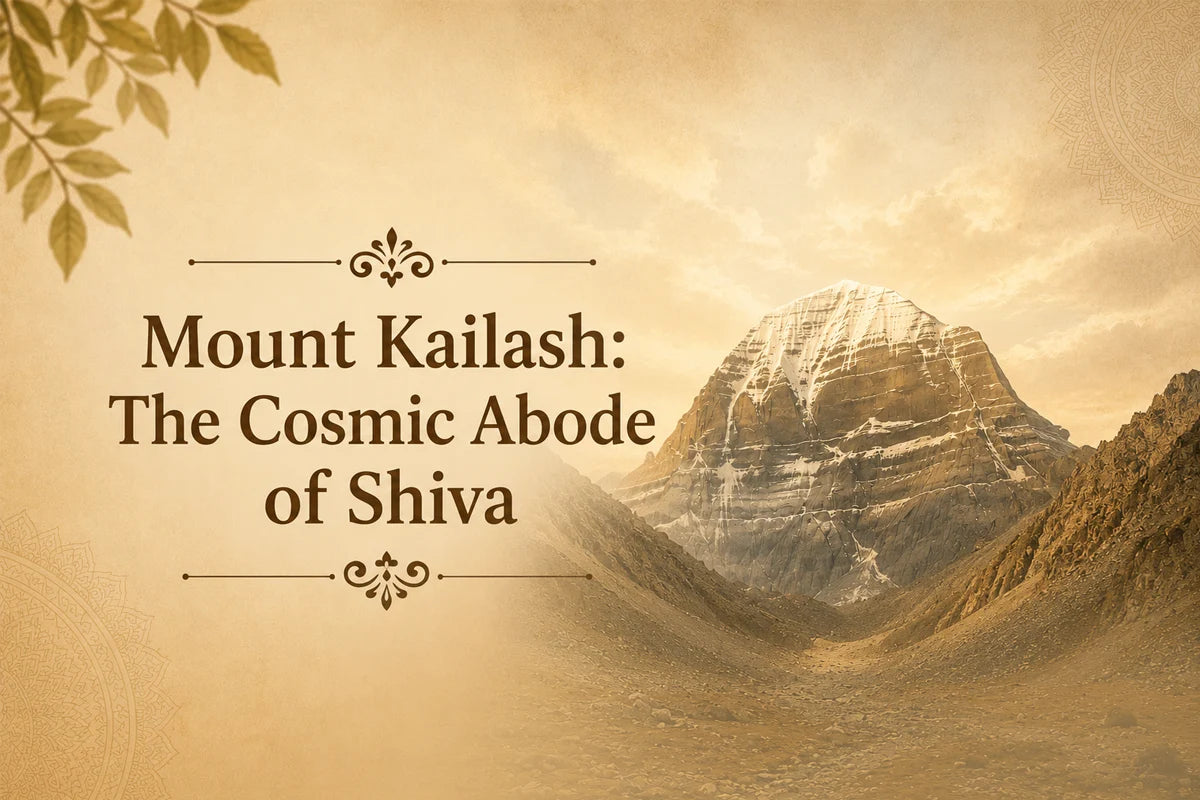
Located far in the remote region of western Tibet, with no crowds, no proper roads, only a high-rising mountain that stands still, and no human being has ever reached it. There’s not even been a climbing expedition or a mountain summit to Kailash Parvat.
Not just this, Mount Kailash is also revered in several religions that connect millions of people’s faith, as it’s the centre of the universe. Mount Kailash is 6638 meters high in altitude, in the Ngari Prefecture of Tibet; there are two lakes- Lake Mansarovar and Lake Rakshastal, also called the Twin Lakes of Tibet which are located side by side with the mountain Kailash. This page has it all about Kailash Parvat, its significance in different religions, mysteries, the idea of pilgrimage to the Kailash Mansarovar, and an alternative if you cannot make it to the Kailash region.
A Mountain Sacred to Four Faiths; Especially in Hinduism
There are very few places on the Earth that carry the spiritual essence of nature and have the ultimate blessings of the divine. Kailash Parvat, for instance, carries the reverence which is followed by multiple ancient religions like Hinduism, Jainism, Buddhism, and Bon.
In Hinduism, Mount Kailash is so sacred and is believed to be the eternal abode of Lord Shiva, where he lives with his family and Ganas. It’s the highest seat of Shiva where he meditates perpetually with his consort, Parvati. The presence of Kailash is also significant because the cosmic axis is the physical manifestation of Lord Shiva, called Mount Meru, a pillar that connects heaven with the earth.
Similarly, Tibetan Buddhism knows the mountain in association with Demchok (Chakrasamvara), a tantric deity in the Buddhist religion who showers devotees with spiritual liberation. And for the Jain religion, Mount Ashtapada near Kailash Parvat is considered the holiest, where their first Tirthankara, Rishabhanatha, attained moksha (got liberated from the life-death cycle).
Bon is the indigenous, pre-Buddhist Tibetan religion that believes Kailash as a divine seat of the Sky Goddess- Sipaimen and the symmetrical form of the mountain and its surroundings is treated as the Mandala.
All four faiths, with four different cosmologies and a single revered mountain, make it very rare to witness Kailash as the most significant spiritual centre.
The Mystery of the Unclimbed Peak of Mount Kailash
Nearly all mountain peaks have been climbed on this earth, but Mount Kailash remains the only unclimbed mountain peak. No mountaineering lessons, modern training programs, and several expeditions have tried to work; climbing the Kailash peak remains impossible. It isn’t even that fascinating to note, but for almost two decades, the Chinese government has been denying the permit to climb the peak. To even de-escalate the climbing, many mountaineers have been reported missing, strangely disoriented, overwhelmed by fear, or at least became inexplicably reluctant to continue climbing.
The Kailash Mansarovar Yatra: Sacred Pilgrimage Practice For Hindus
The entire concept of Kora, Parikrama, or circumambulation is centered to how pilgrims would move through 52 kilometres around the Kailash mountain’s base beyond 5,000 meters. Nearly a many thousands of pilgrims from across Hinduism, Jainism, Buddhism, and Bon undertake the Kailash Kora often over three days with a belief of cleansing their lifetime of sins.
Although the physical toll is insanely harsh with thin, freezing wind and rugged terrain, the Kailash Yatra is consistently demanding. Be it the psychological trial or physical hard work, yet many pilgrims experience a profound stillness, a sense of touching timelessness and dissolution of their egos after the Kailash Yatra.
Kailash as a Symbol Beyond Just a Mountain
Even for people unable to make it to Tibet for the Kailash Mansarovar Yatra, due to multiple challenges coming up, they can feel the presence of Lord Shiva around them. Meditating on Mount Kailash quiets the mind in a way that anchors them to the eternal power of Shiva. This is one of the reasons why devotees and pilgrims for centuries have just been thinking to undertake this journey, as they didn’t have an option to see after a way to carry a piece of Kailash’s energy with them.
However, this is the 21st century, and keeping a part of Kailash close to your heart is possible with our Kailash Kripa Mala. Learn more about it ahead.
Carry Kailash With You, Carry Mahadev’s Blessings With You
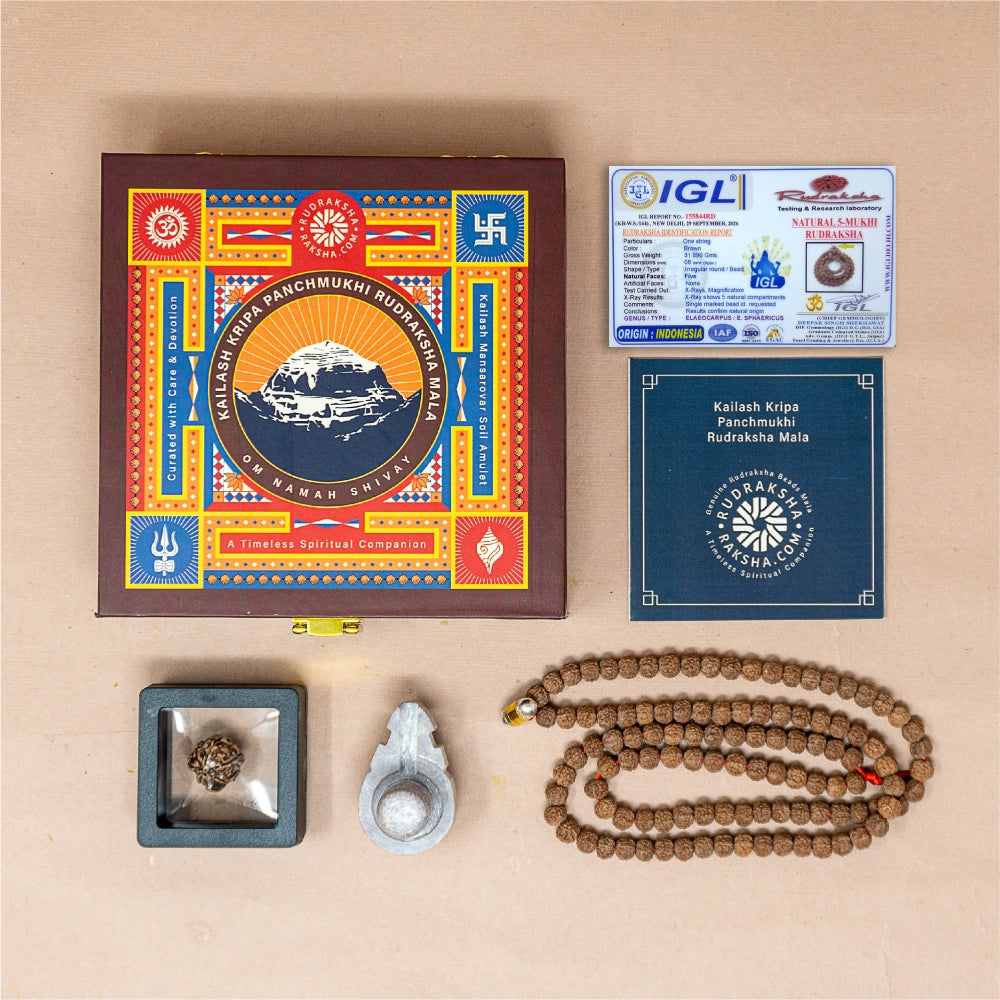
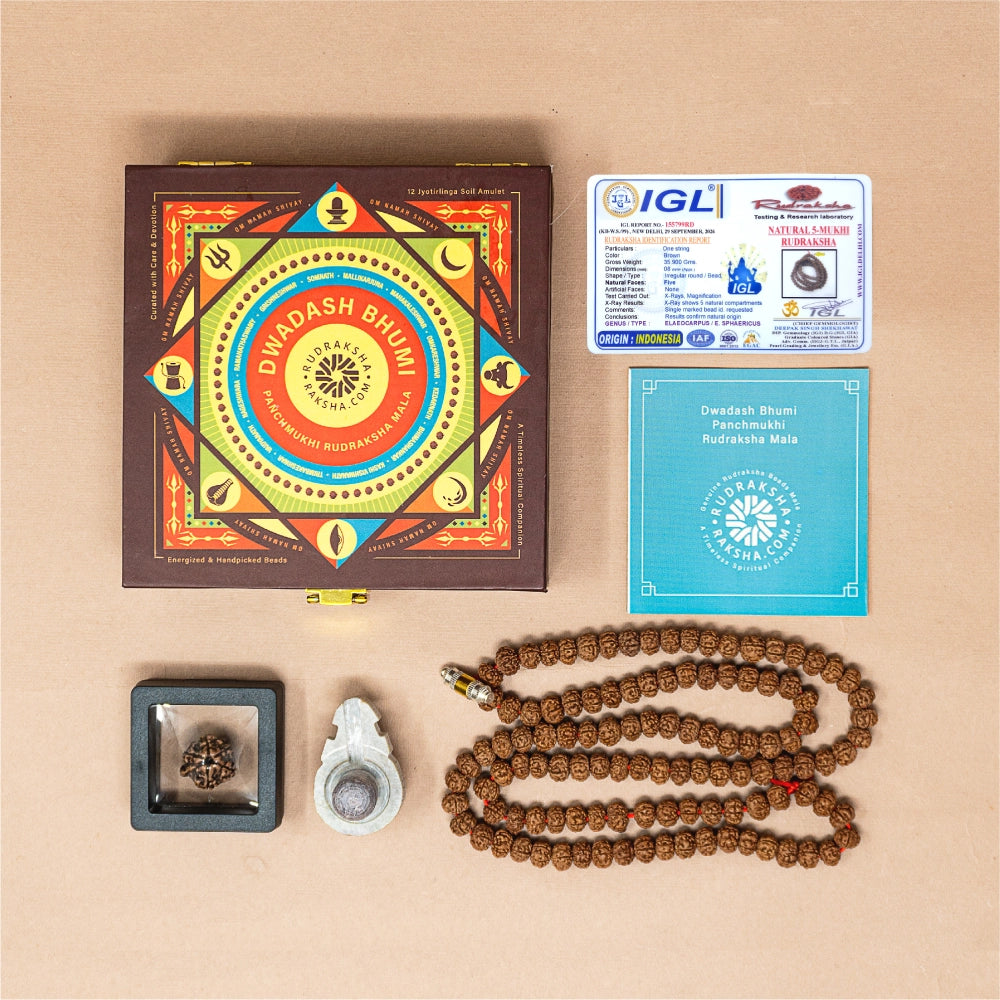
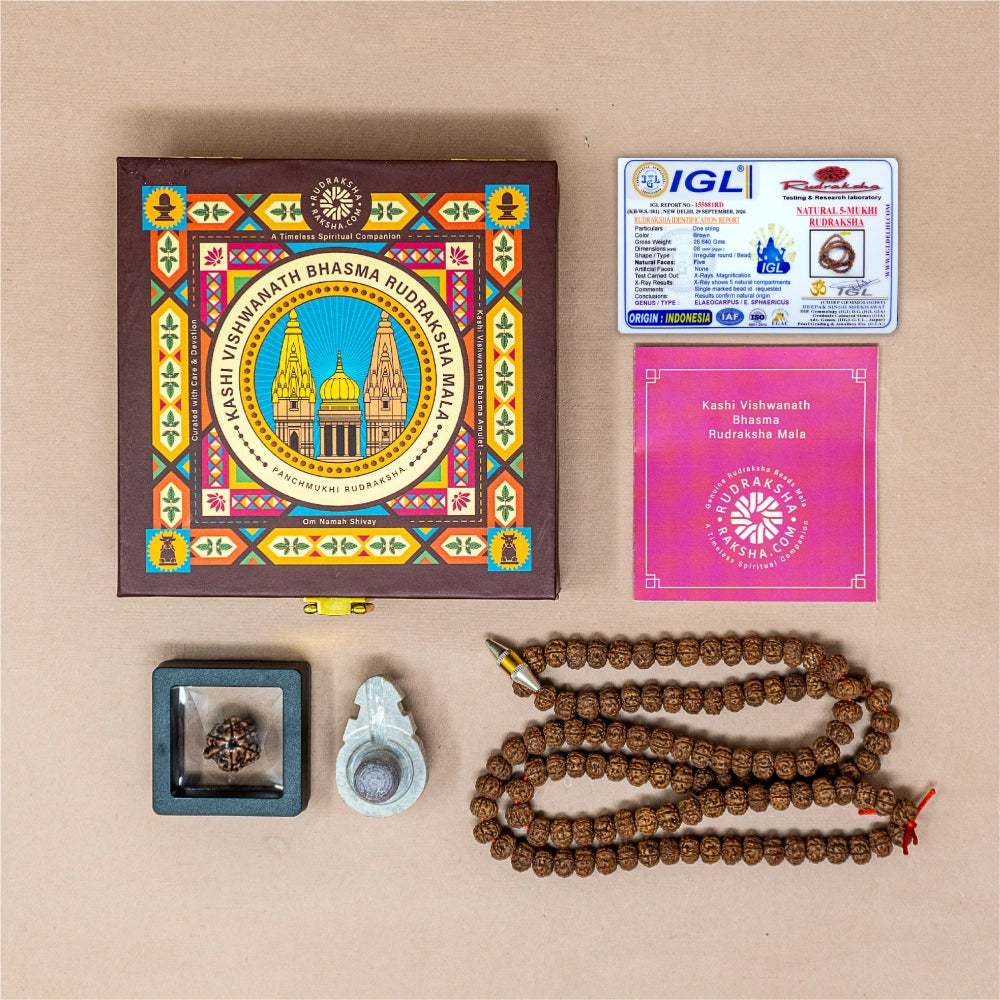
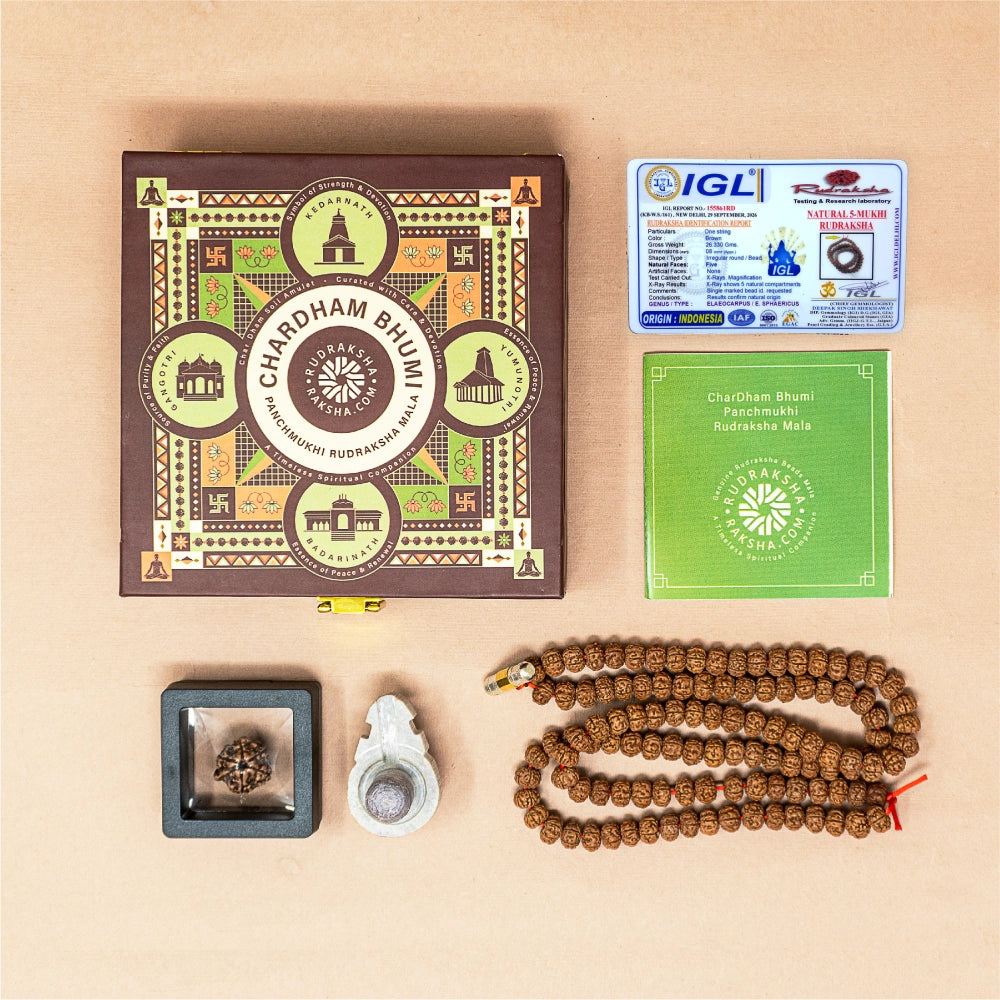
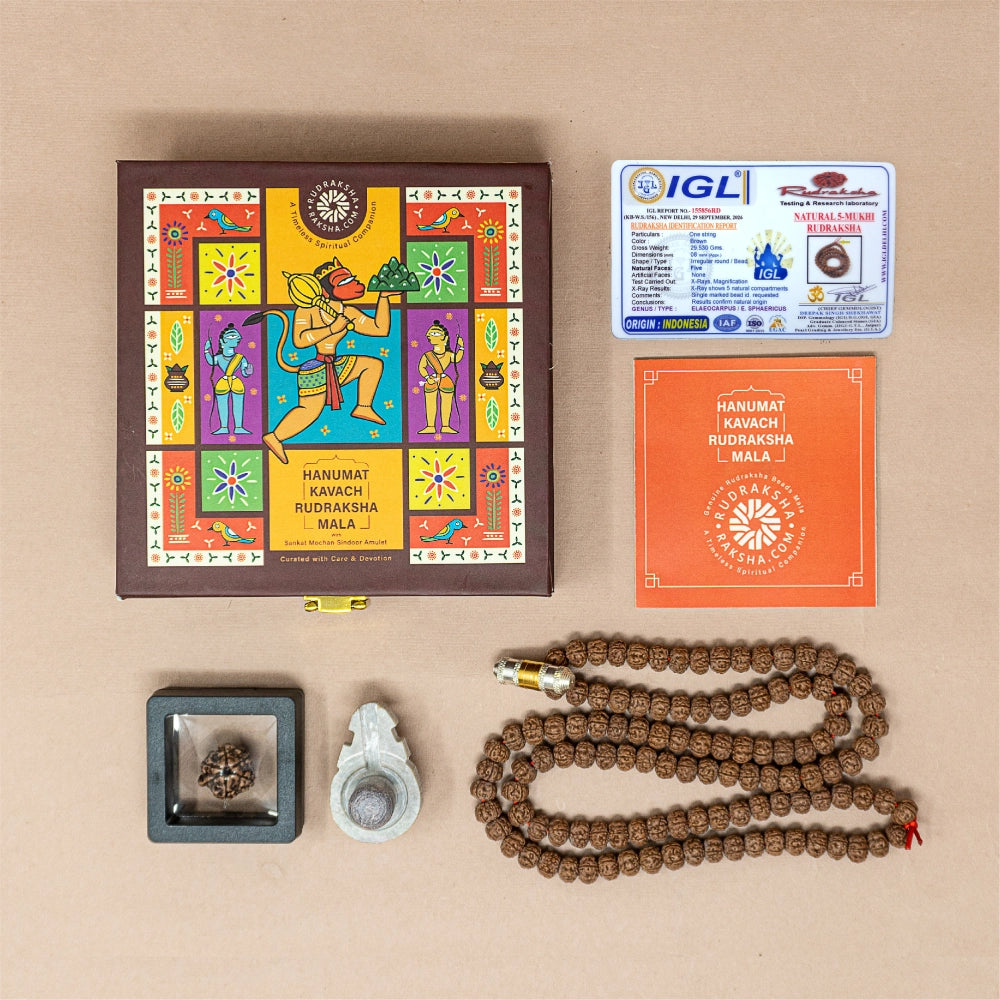
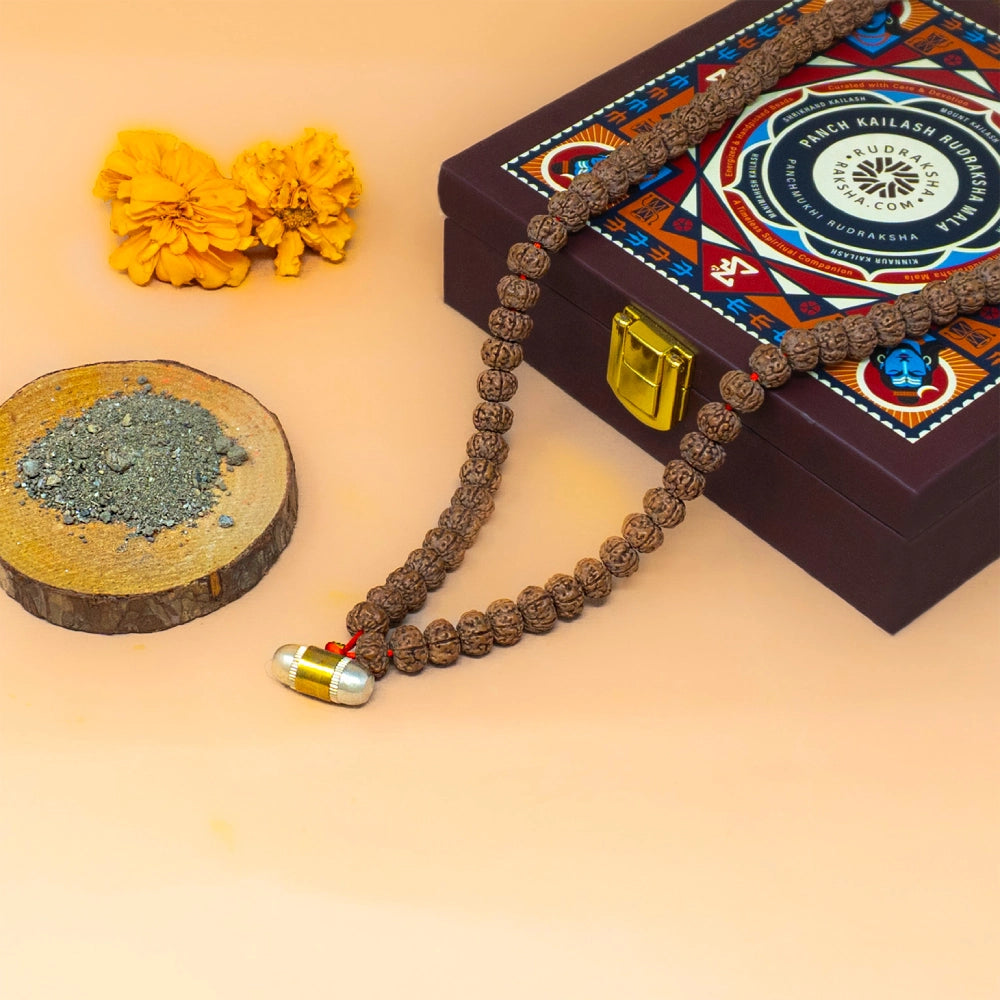
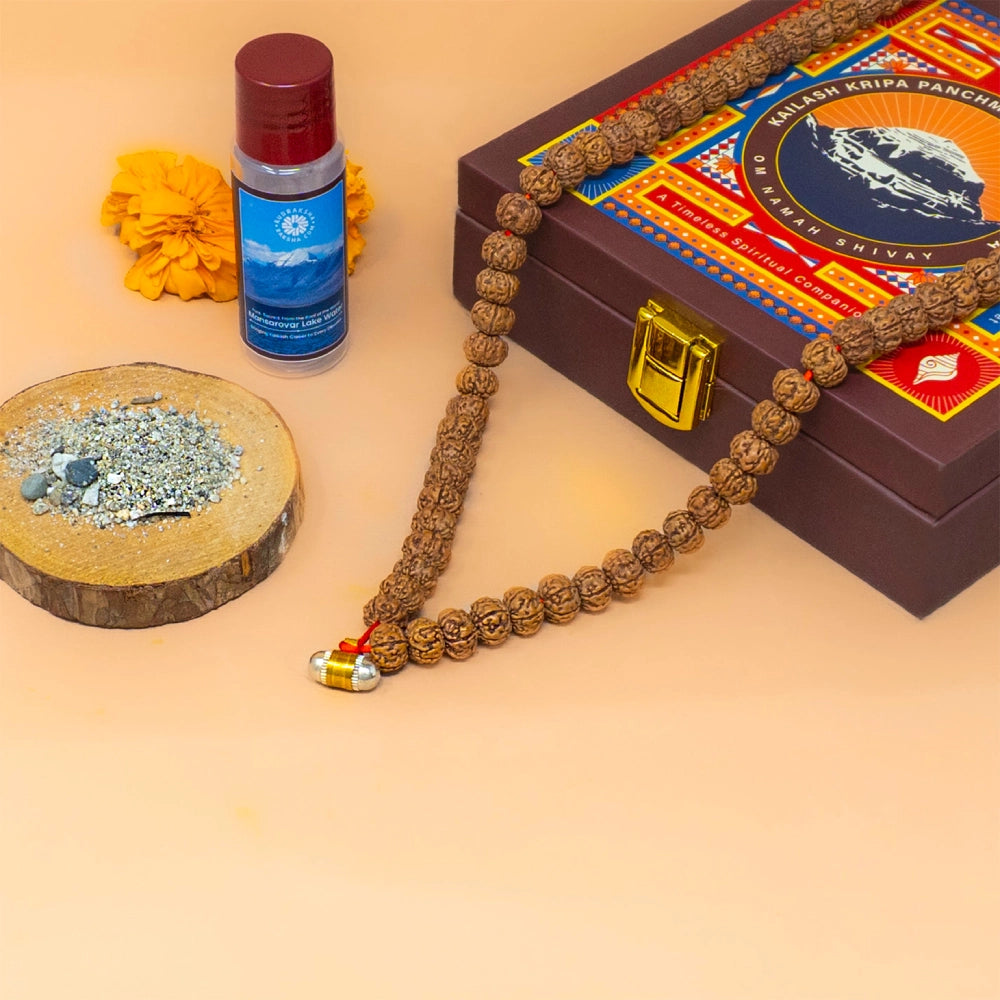
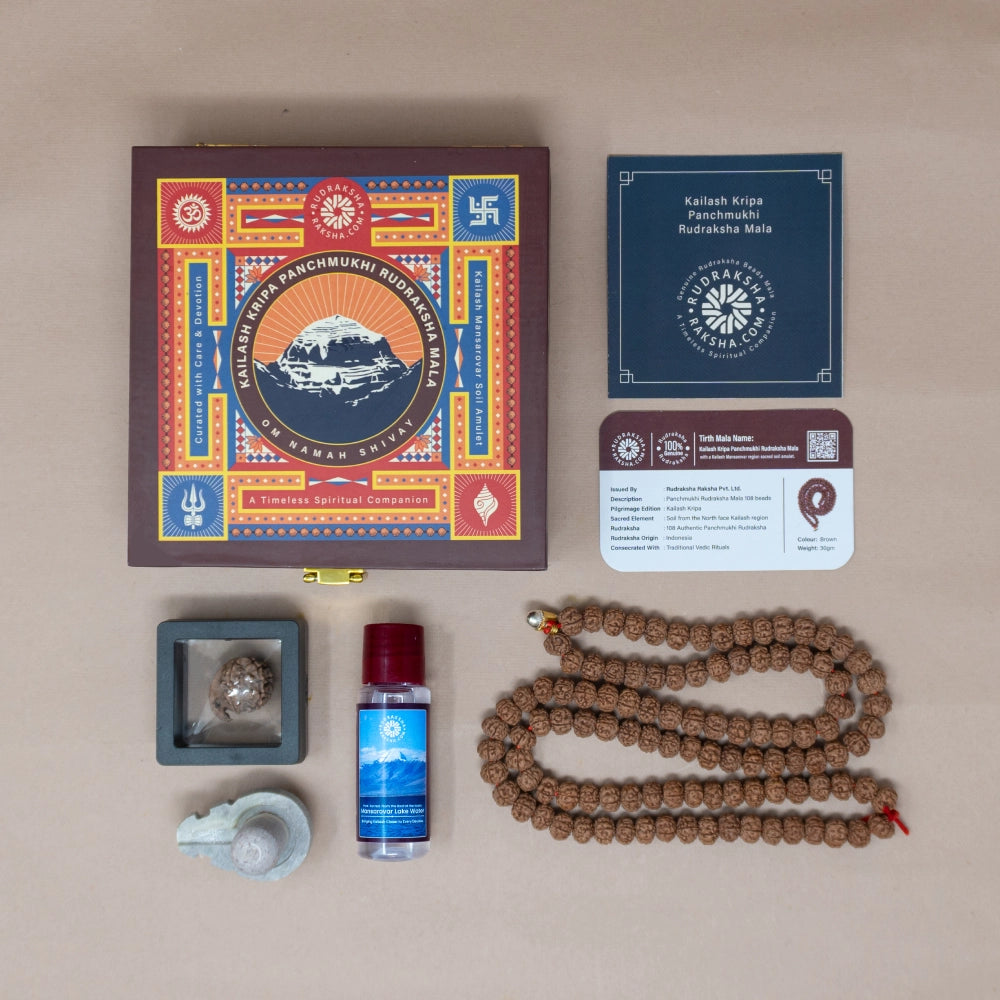
An ordinary Panchmukhi Mala carries the grace of Lord Shiva in its five faces. Kailash Kripa carries something more: a fragment of his own abode. Kailash Kripa Mala is dispatched only after being energised through an amulet that holds within it actual soil from Mount Kailash, the seat where Mahadev is believed to reside in eternal meditation. This is not a decorative addition. It is the difference between wearing Shiva's blessing and wearing a piece of Kailash itself. A Kailash Kripa Amulet holding consecrated Kailash ki mitti. A dedicated Kailash Mantra invoking the mountain as Shiva's eternal seat, with 108 hand-strung, certified Panchmukhi Rudraksha beads.
Not everyone can walk the Kora around Kailash. But everyone can carry a little of its stillness with them.
If the journey to Kailash isn't possible right now, let its powerful energy accompany you instead. Get your Kailash Kripa Mala, which is designed to infuse your everyday life with sacred stillness and blessings. It’s more than just an accessory, the Kailash Kripa Mala serves as a reminder of the peaceful essence of Mount Kailash, helping you connect with Shiva’s divine spirit anywhere.
How to Wear ‘Kailash Kripa Mala’ Correctly?
The mala is usually worn because Rudraksha must touch your body, and the mala sticks near the heart chakra (Anahata chakra) of the wearer. Steps:
-
Step 1: First, sit in a state of purity after bathing and sprinkling some Gangajal throughout your body.
-
Step 2: Sit facing Shiva's statue or a Shivlingam (at home or inside a temple's garbhgriha). Meditate upon Lord Shiva.
ॐ वन्दे देव उमापतिं सुरगुरुं, वन्दे जगत्कारणम् ।
वन्दे पन्नगभूषणं मृगधरं, वन्दे पशूनां पतिम् ॥
वन्दे सूर्य शशांक वह्नि नयनं, वन्दे मुकुन्दप्रियम् ।
वन्दे भक्त जनाश्रयं च वरदं, वन्दे शिवंशंकरम् ॥
-
Step 3: Place Kailash Kripa Rudraksha Mala in a pure, clean vessel/plate. Shower Gangajal, Panchamrita, Gandha, and Akshata while chanting ‘ॐ नमः शिवाय’
-
Step 4: After energising the Mala, wear it around your neck.
Best days to wear: Monday (Somvar), Thursday (Brihaspativar), Pradosh, Maha Shivaratri & Masik Shivratri, any day of the Shravan month, Somwar of any month of the year.
We provide an energised (before dispatching the product) Kailash Kripa Panchmukhi Rudraksha Mala, so you don't have to DIY. Genuinely sourced and graded, all rudraksha beads are hand-strung. Emphasis on authentic Kailash mitti amulet that contains the sacred soil from the Mount Kailash region.
Bring home ‘‘the blessings of Shiva and Kailash ki Kripa.’’










Leave a comment
This site is protected by hCaptcha and the hCaptcha Privacy Policy and Terms of Service apply.