
Article: Kedar Bhumi Rudraksha Mala: Meaning, Significance & Kedarnath Connection
Kedar Bhumi Rudraksha Mala: Meaning, Significance & Kedarnath Connection
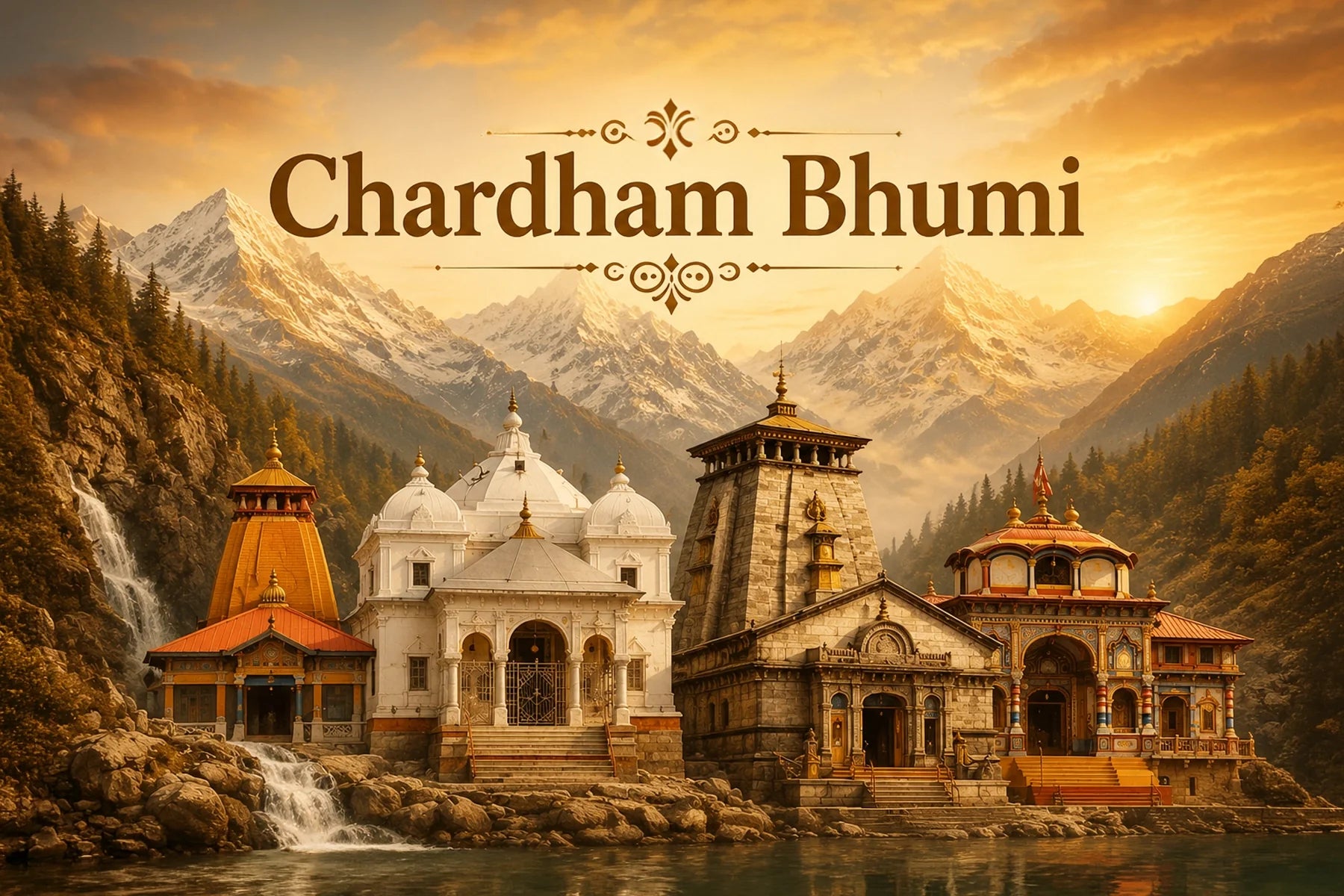
Kedarnath Dham is one of the most sacred places dedicated to Lord Shiva, nestled in the beautiful Himalayas, surrounded by towering mountains and the peaceful yet comforting vibes of nature.
The pilgrimage to Kedarnath is not a trip but a journey of faith, devotion, and inner connection with Mahadev for thousands of devotees. Devotees walk the treacherous paths of the Himalayas to this ancient temple, their hearts filled with prayers and hope.
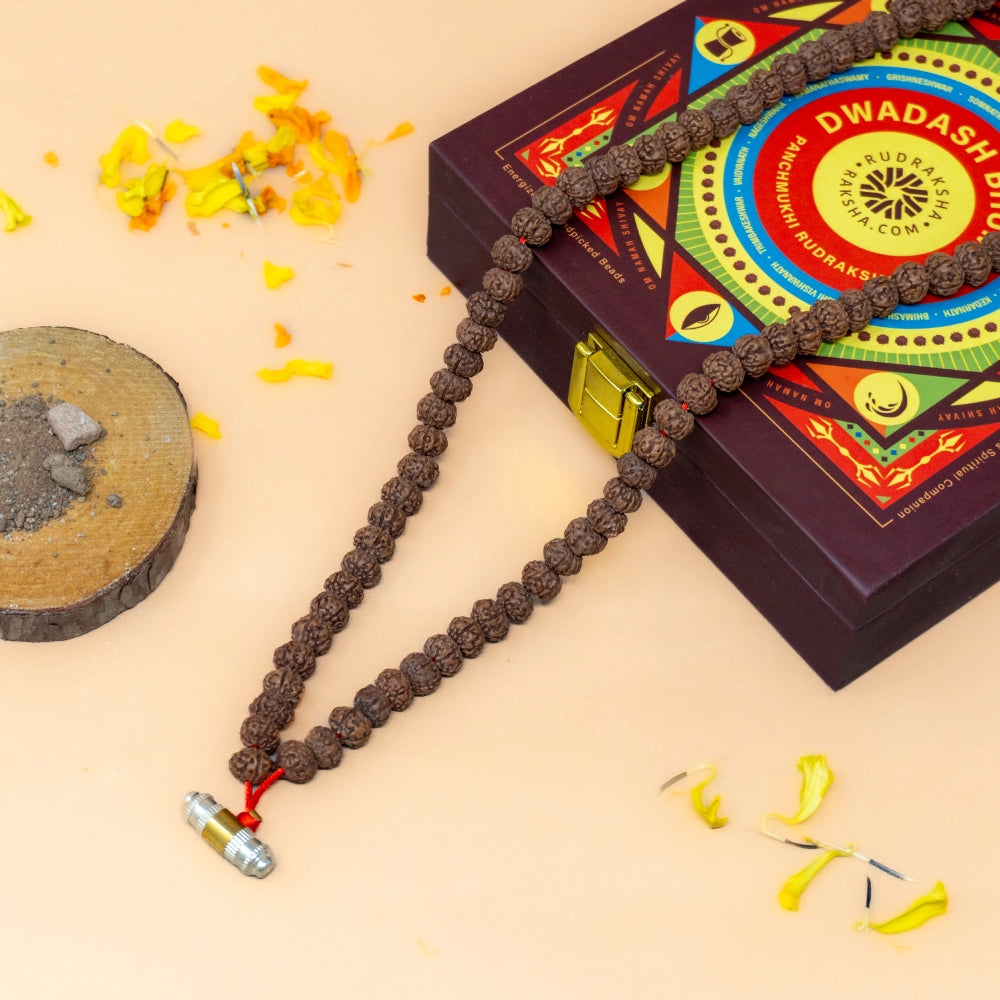
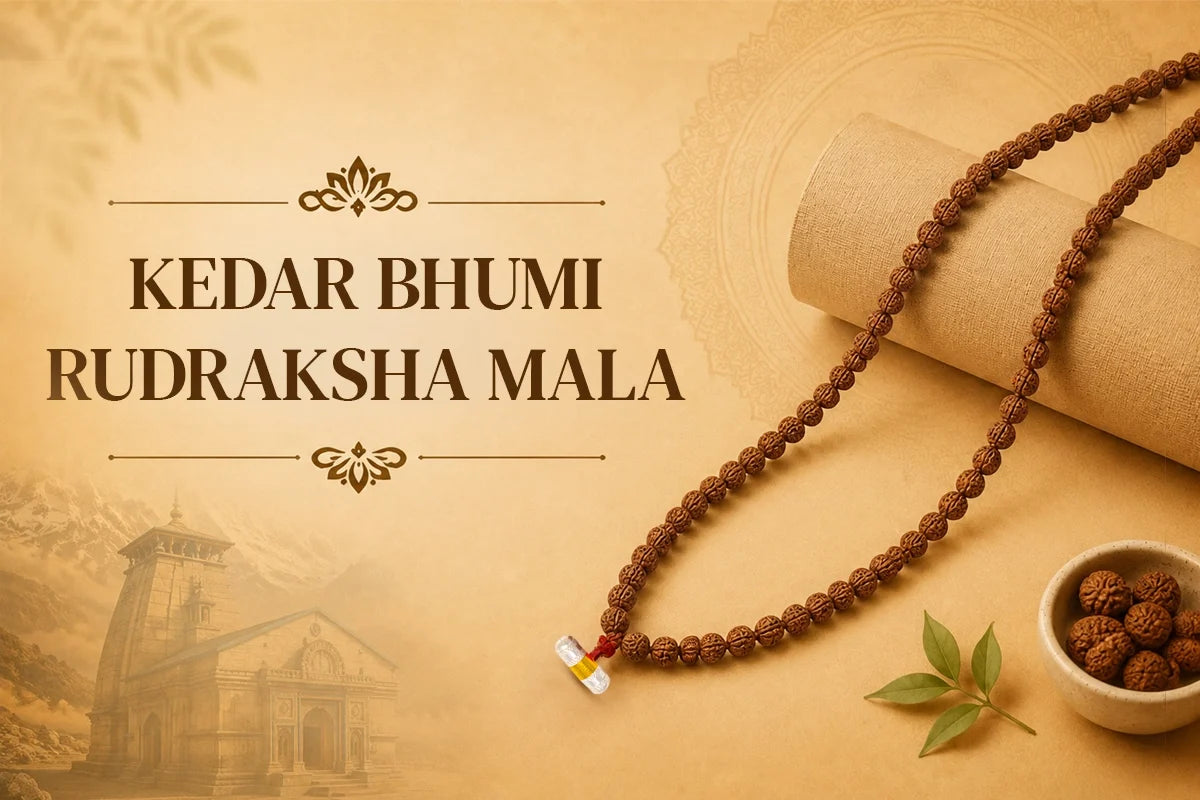
The spiritual connection people feel with Kedarnath has inspired many traditions, including the belief of carrying a reminder of this sacred land with them. Kedar Bhumi Rudraksha Mala represents this divine connection- a symbol of devotion, faith, and the blessings associated with the holy land of Kedarnath.
Before understanding the significance of Kedar Bhumi Rudraksha Mala, let us explore the divine story and spiritual significance of Kedarnath itself.
Kedarnath: The Eternal Adobe of Lord Shiva
 Located in Rudraprayag, the divine bhumi of Uttarakhand. Kedarnath temple is among the 12 Jyotirilingas of Lord Shiva and one of the most important pilgrimage sites for Shiva devotees.
Situated at an altitude of approximately 3,583 metres in the Garhwal Himalayas, the temple is surrounded by breathtaking mountains and the Mandakini River flowing nearby.
The word “Kedarnath” itself holds deep spiritual meaning;” Kedar” refers to a sacred field or land, while “Nath” means lord or master. Thus, Kedarnath represents the divine abode of Lord Shiva.
Unlike many temples located in easily accessible places, Kedarnath’s remote location in the Himalayas makes the journey itself a symbol of devotion. Every step taken towards the temple reflects faith, patience, and dedication towards Mahadev.
The Mythological Story Behind Kedarnath Jyotirlinga
The origin of Kedarnath is deeply connected with the story of the Pandavas from the Mahabharata. After the great battle of Kurukshetra, the Pandavas were filled with guilt for the destruction caused during the war. Seeking forgiveness and spiritual purification, they wanted to meet Lord Shiva.
However, Shiva did not immediately appear before them and hid himself in the Himalayas in the form of a bull(Nandi). When the Pandavas recognized him, Lord Shiva tried to disappear into the ground.
According to tradition, Bhima, one of the Pandavas, caught hold of the bull’s back. The body parts of Shiva appeared at different locations in the Himalayas, which became known as the Panch Kedar temples.
The hump of the divine bull appeared at Kedarnath, making it one of the most sacred places of Shiva worship. This story conveys an important spiritual message that real devotion and perseverance can lead one closer to the divine.
Kedarnath: More Than Just a Temple
Kedarnath is more than a place of worship; it stands as a symbol of resilience, faith, and unwavering devotion.
The ancient temple, thought to have been built across various historical periods, has seen centuries of devotion. Constructed from enormous stone blocks, the temple serves as a testament to India’s profound spiritual legacy.
The imposing presence of the Himalayas fosters an atmosphere in which many devotees feel inner tranquility and a stronger bond with Lord Shiva.
For many pilgrims, visiting Kedarnath transcends merely arriving at a destination. It involves undergoing a spiritual transformation, releasing earthly concerns, and drawing nearer to faith.
The Spiritual Connection Between Rudraksha and Lord Shiva
 Rudraksha has always held an immense place in Shiva devotion. According to old scriptures and puranas (Shiva Purana), Rudraksha is associated with Lord Shiva and is considered a sacred symbol of devotion and spiritual connection.
The word Rudraksaha is derived from “Rudra” (a form of Lord Shiva) and “Aksha”(tears). According to spiritual rituals, Rudraksha originated from the divine tears of Lord Shiva and has been worn by devotees from various generations as a symbol of faith and meditation.
Kedar Bhumi Rudraksha Mala: A Sacred Connection with Kedarnath
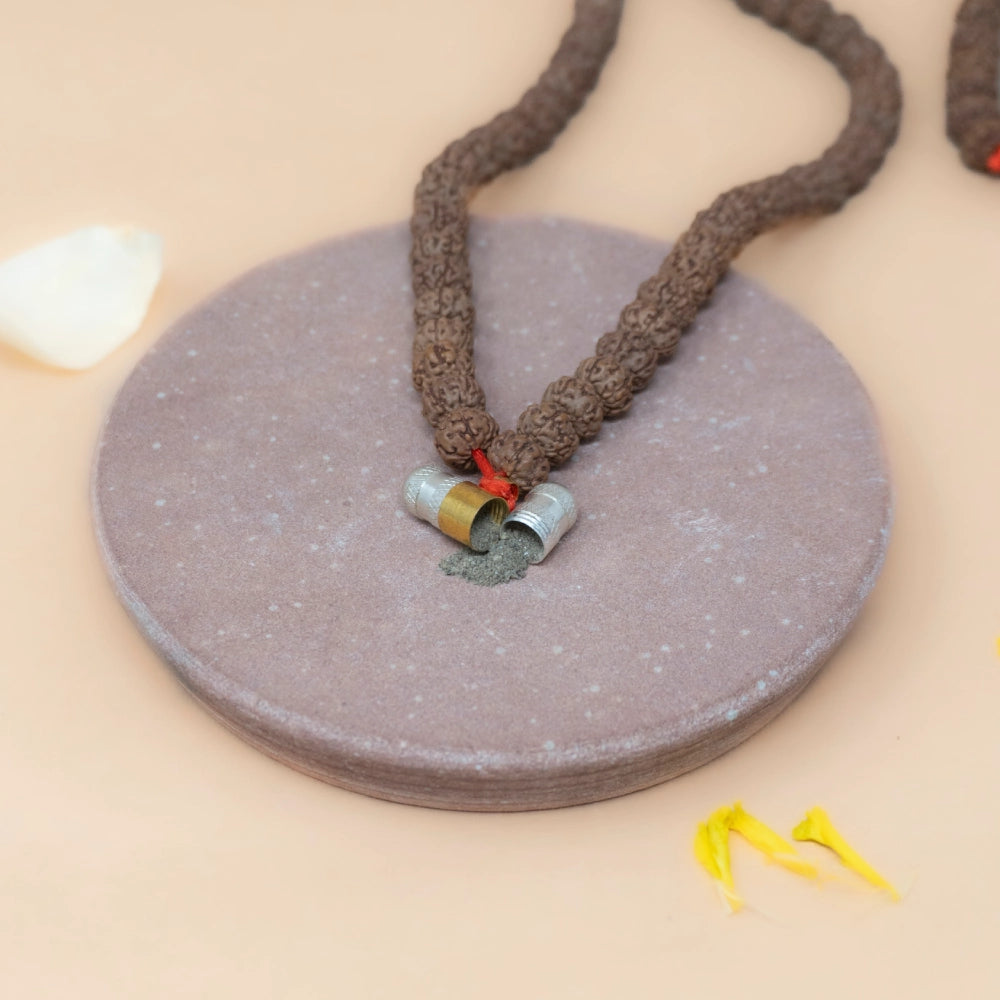
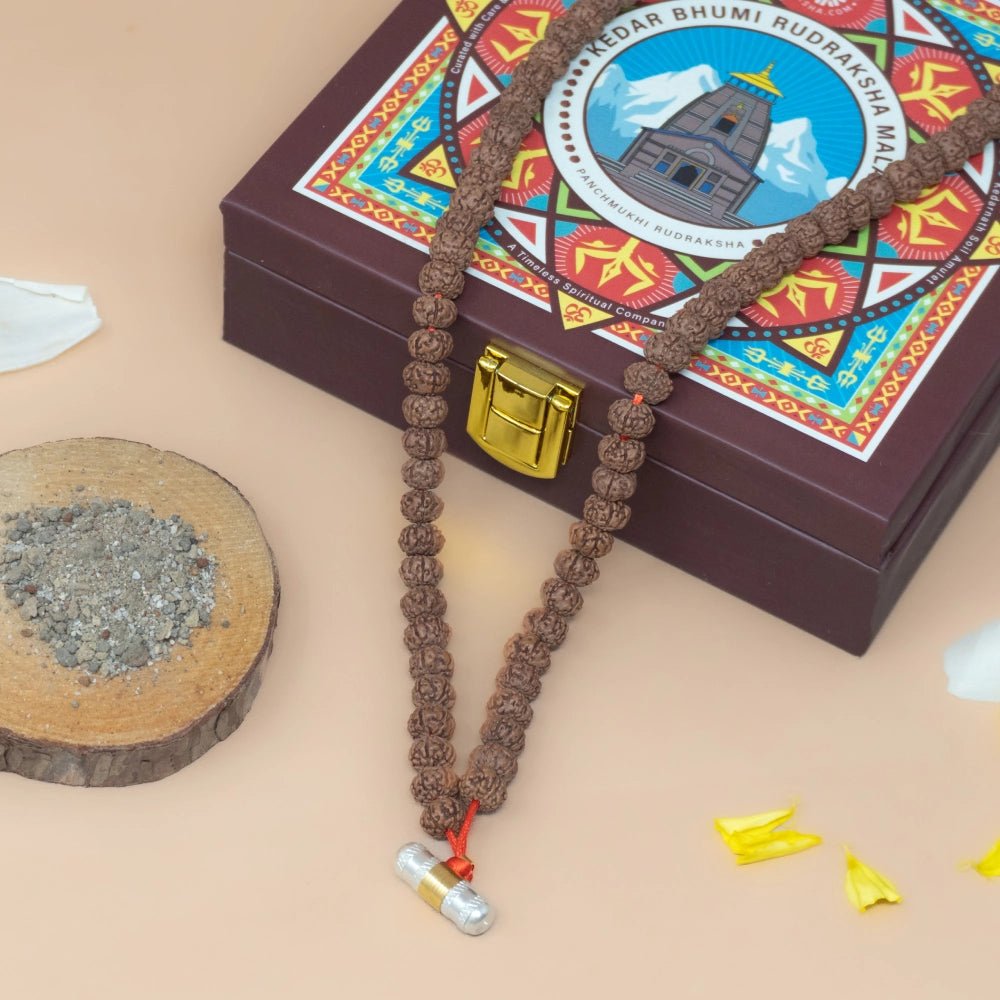
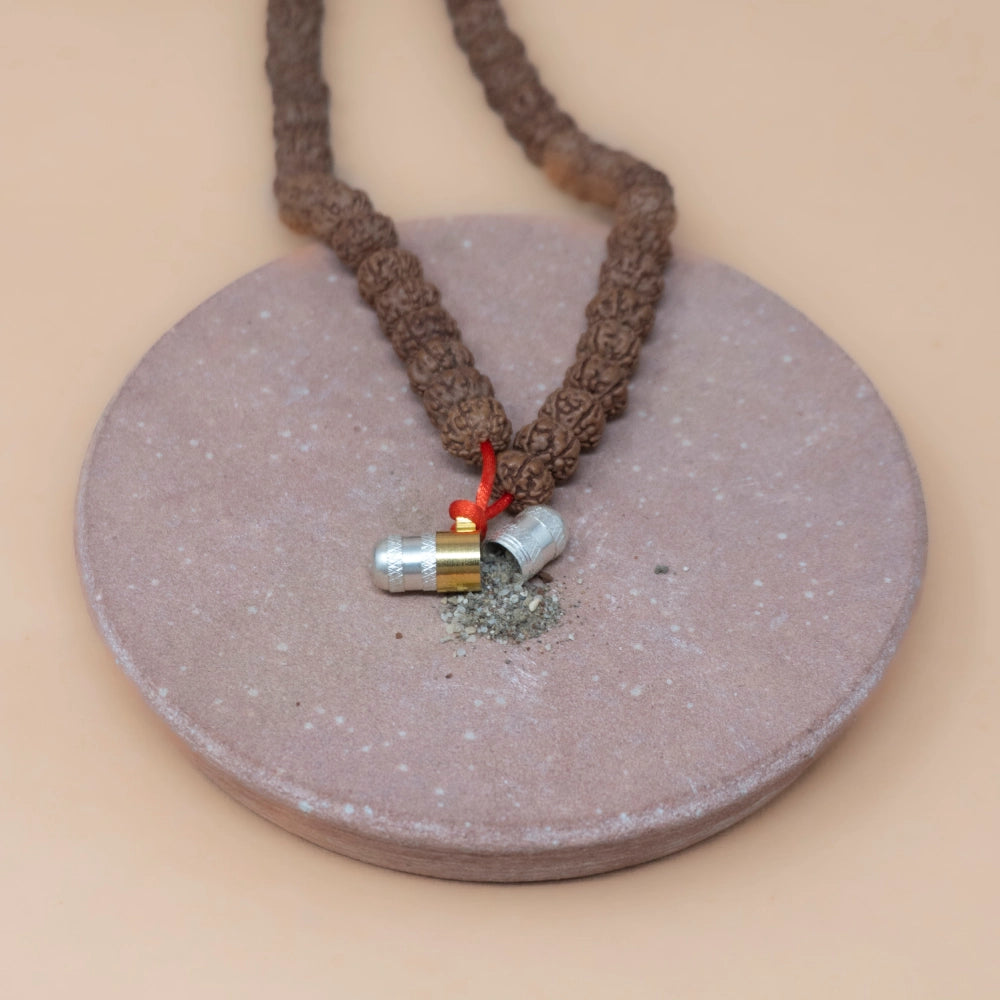
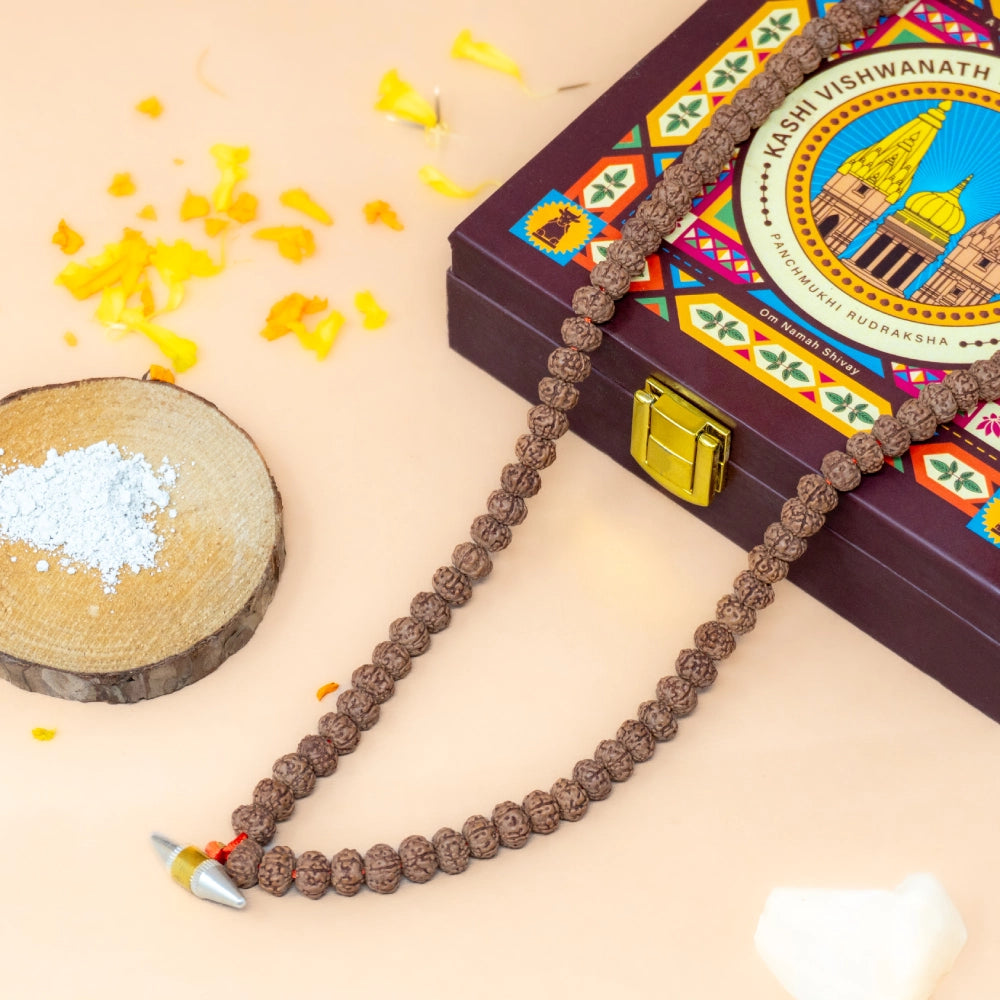
The place of Kedarnath is really special. That is what Kedar Bhumi Rudraksha Mala is all about. It is the feeling of this very special place that makes Kedar Bhumi Rudraksha Mala so important.
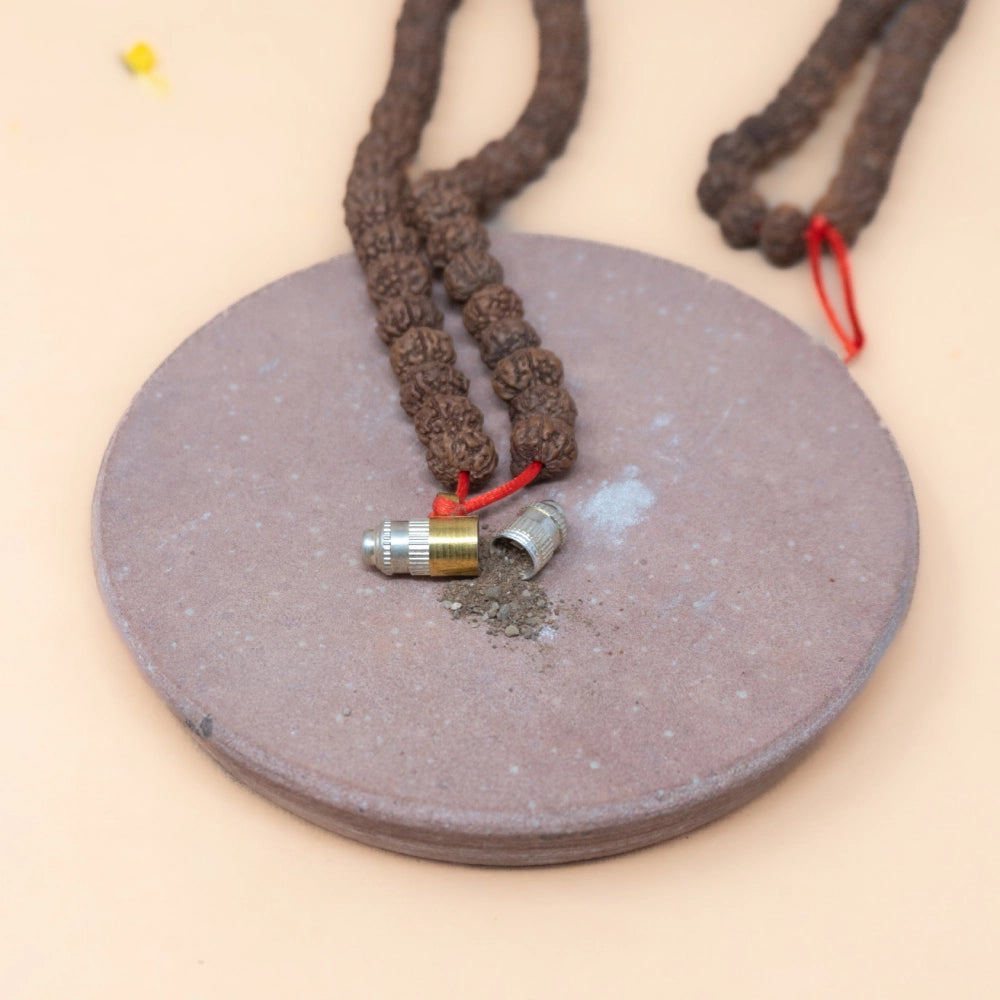
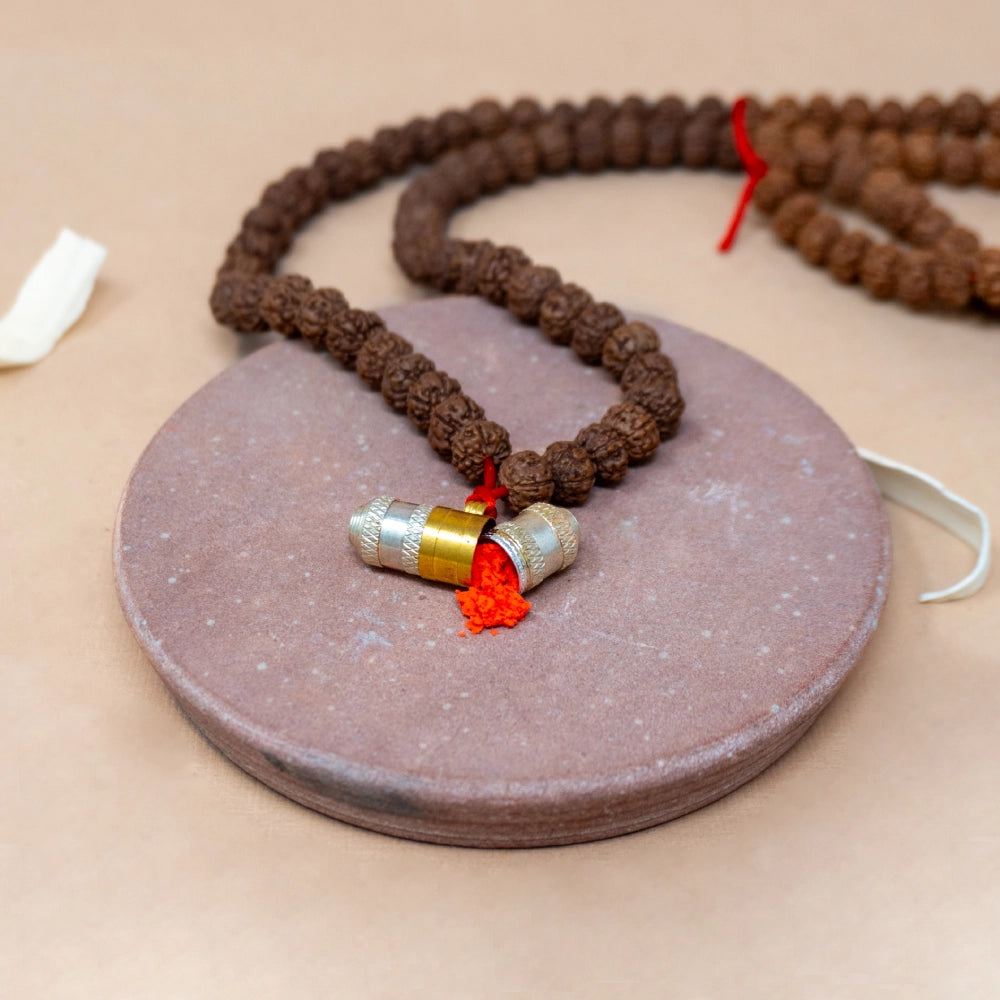
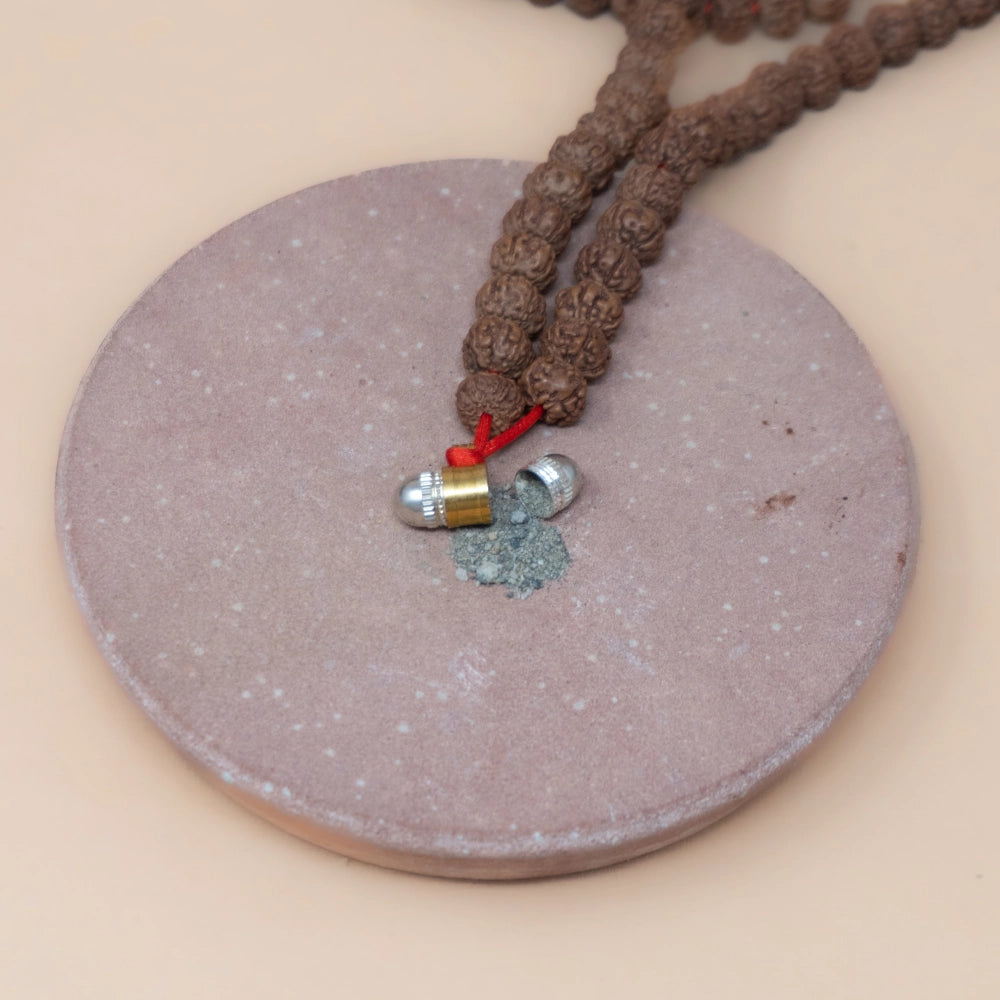
The word Bhumi means the earth or the land. So, Kedar Bhumi Rudraksha Mala is like a piece of the land of Kedarnath Dham that you can carry with you. This mala is for people who love Lord Shiva and the Himalayan place that is so special to him.
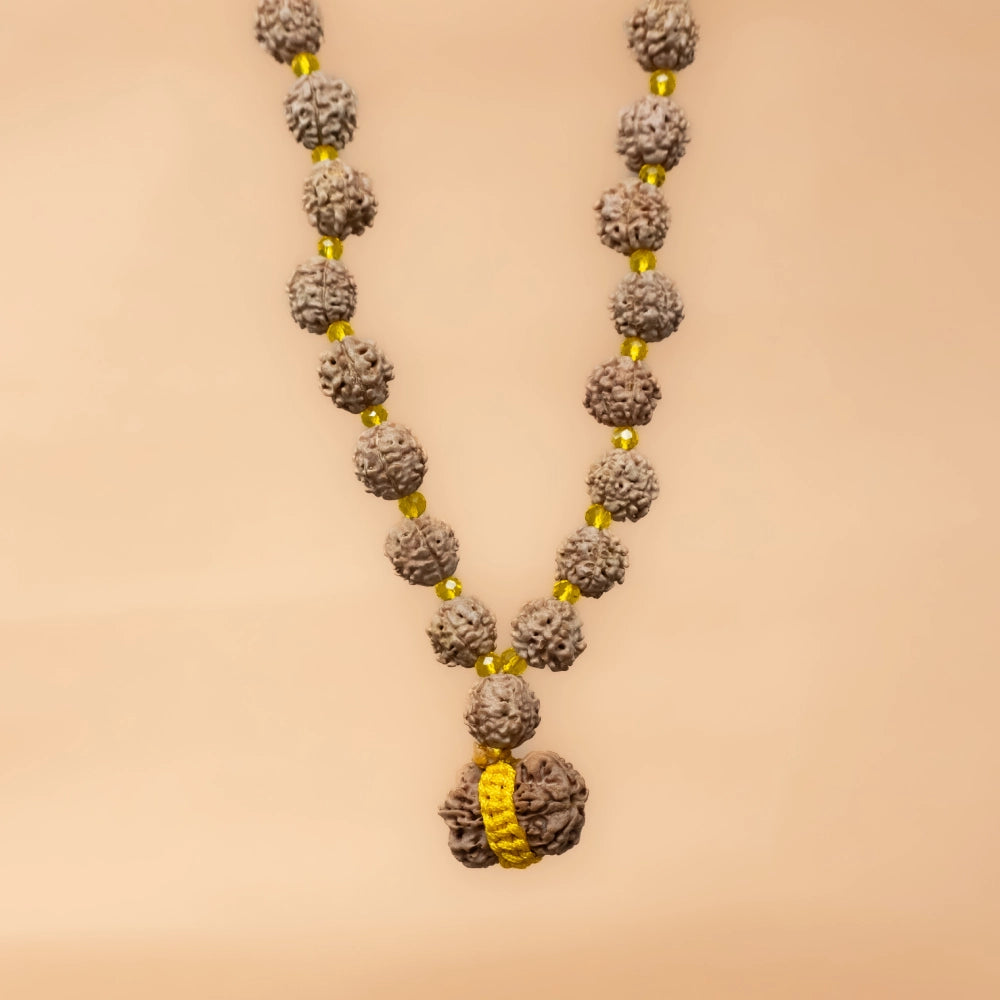
Kedar Bhumi Rudraksha Mala brings together the meaning of Rudraksha and the feeling of respect that people have for Kedarnath. For people who have been to Kedarnath, Kedar Bhumi Rudraksha Mala is a reminder of their trip.
For people who want to feel close to the place of Kedarnath, Kedar Bhumi Rudraksha Mala is a symbol of faith and love for Lord Shiva. Kedar Bhumi Rudraksha Mala is a way to remember Lord Shiva and the special place of Kedarnath.
Why Kedar Bhumi Rudraksha Mala Holds Spiritual Significance
Kedar Bhumi Rudraksha Mala is more than an accessory; it represents a devotee’s emotional and spiritual bond with Lord Shiva.
It symbolizes:
-
Devotion towards Mahadev
-
Connection with Lord Shiva(Kedarnath Dham)
-
Encourages Spiritual Awareness and Increases Divine Energy
-
Our culture and Tradition
For the Shiva devotees, wearing such a mala can become a personal expression of their spiritual journey.
Carry the Divine Blessings of Kedarnath Wherever You Go
The trip to Kedarnath shows pilgrims that faith has the power to surmount any obstacle. The mountains, the temple, and the divine presence of Lord Shiva continue to inspire millions of people across generations.
Kedar Bhumi Rudraksha Mala embodies this sacred bond, serving as a reminder to devotees of Kedarnath’s divine power, the wisdom of Shiva, and the timeless journey of devotion.
The real journey to Mahadev is not only about arriving at a destination; it is about holding that devotion deep within the heart.
Har Har Mahadev.