
Chardham Bhumi: Name, Place & Spiritual Significance
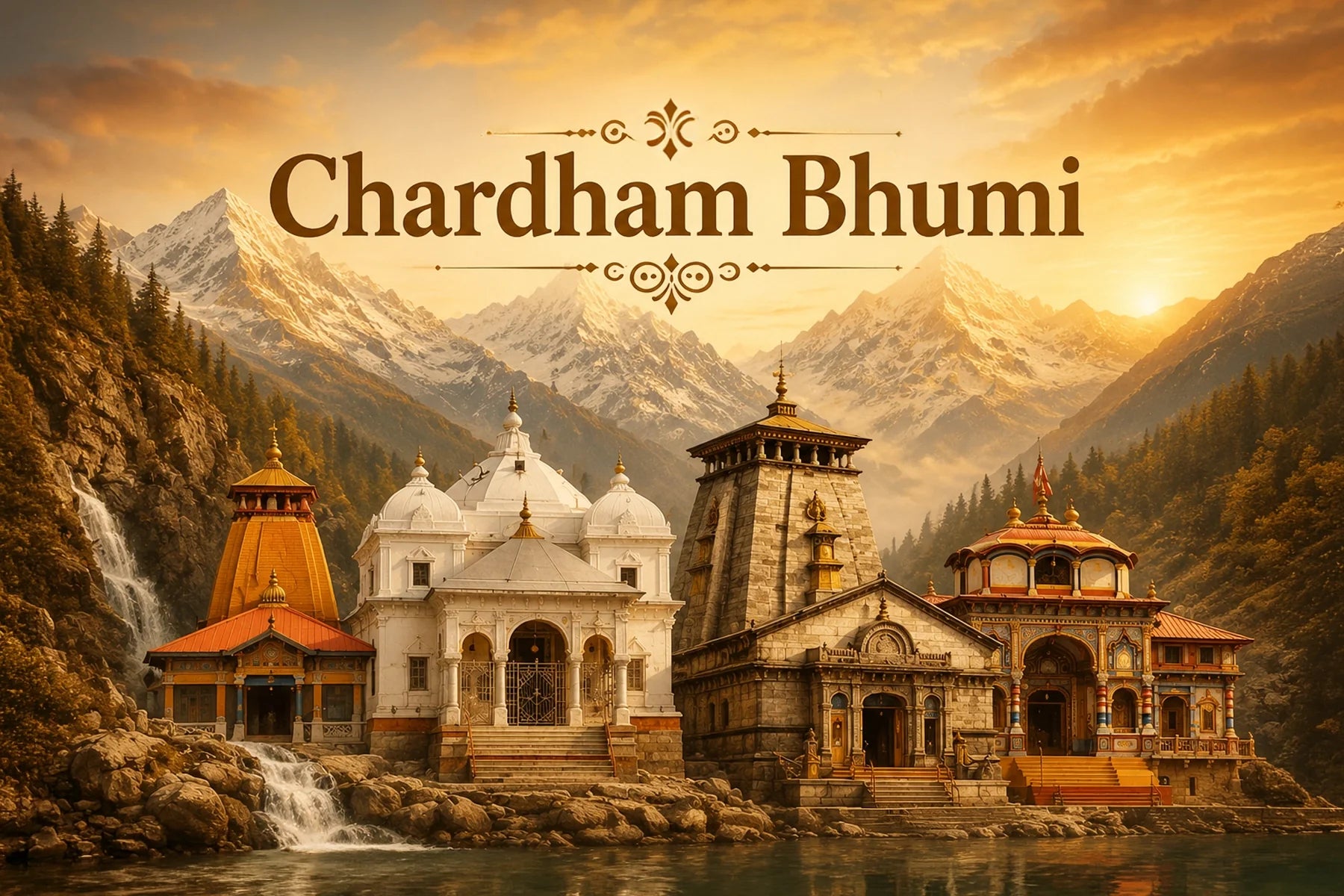
The Himalayan region of Uttarakhand holds many sacred pilgrimage destinations, one of which is the Char Dham Yatra, which covers Gangotri, Yamunotri, Kedarnath, and Badrinath. To many, reaching the Char Dham Bhumi is revered for achieving peace and enlightenment for their souls. These four sacred Hindu sites are merely temples; they’re the points where the earth is connected with the divine itself and basically considered the lands of devotion, where the soul of the devotee is aligned with holy rivers, mountains, and the gods themselves.
And if you have ever wondered what exactly the Chardham Bhumi Mala is and where these four dhams are located? Let’s walk through the Char Dham names and their details and significance related to Hinduism.
What is Chardham Bhumi?
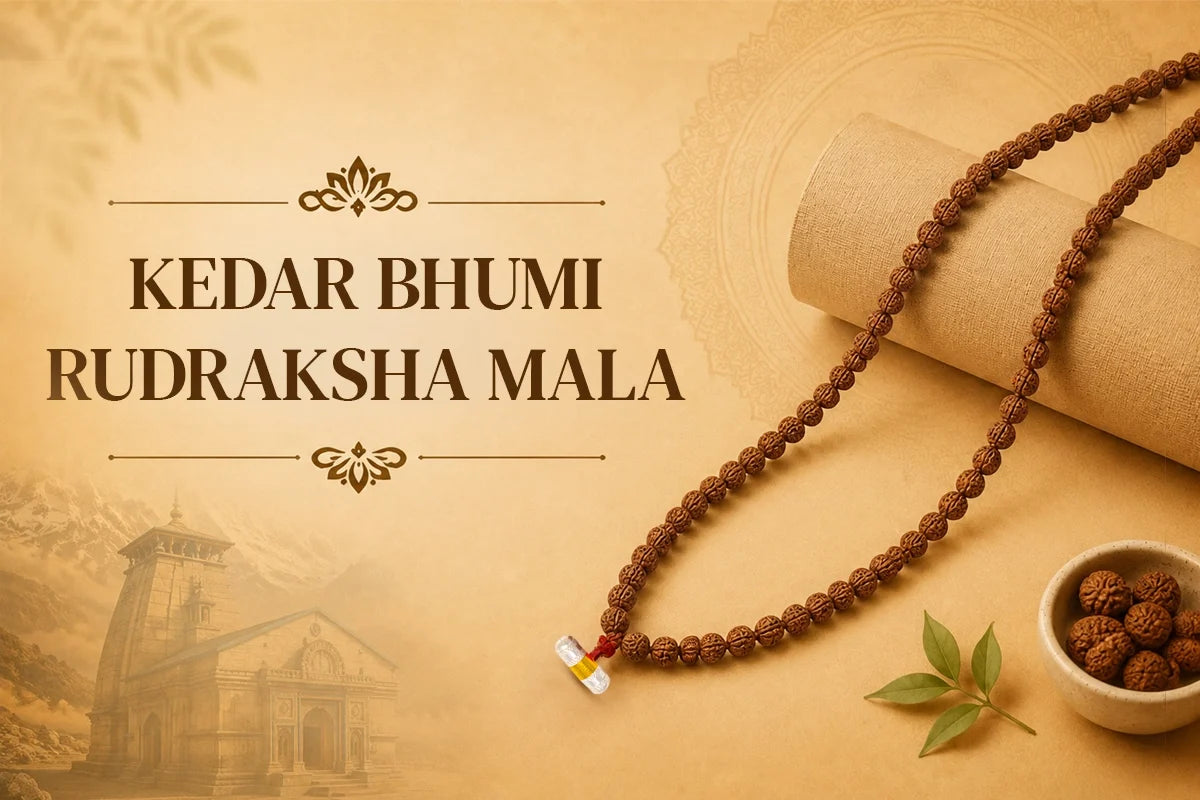
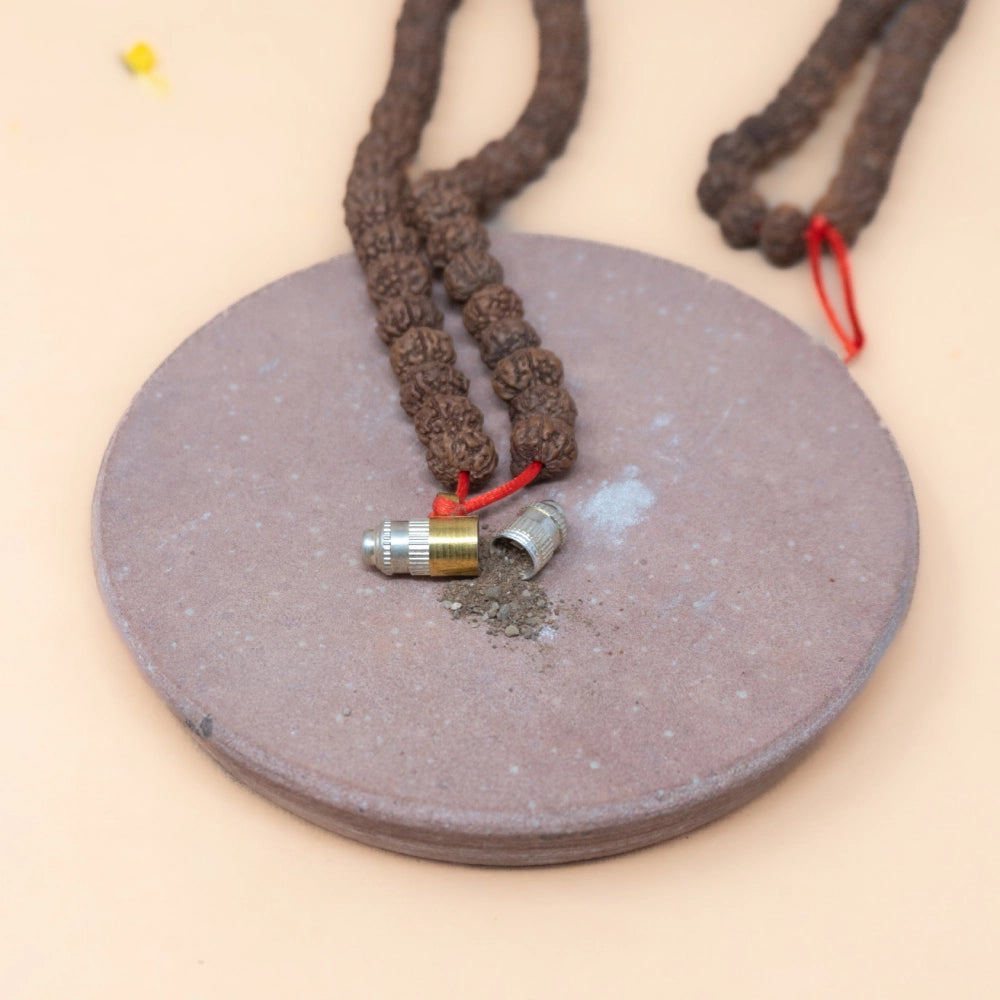
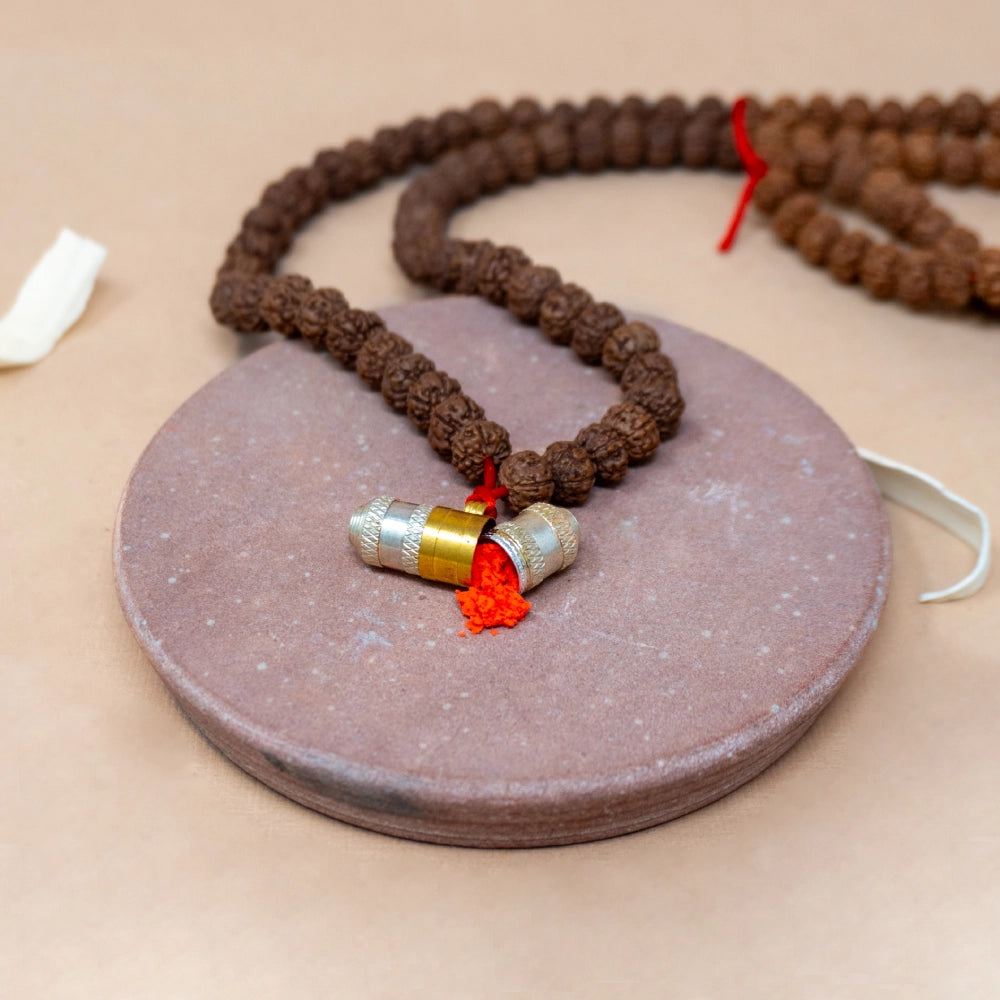
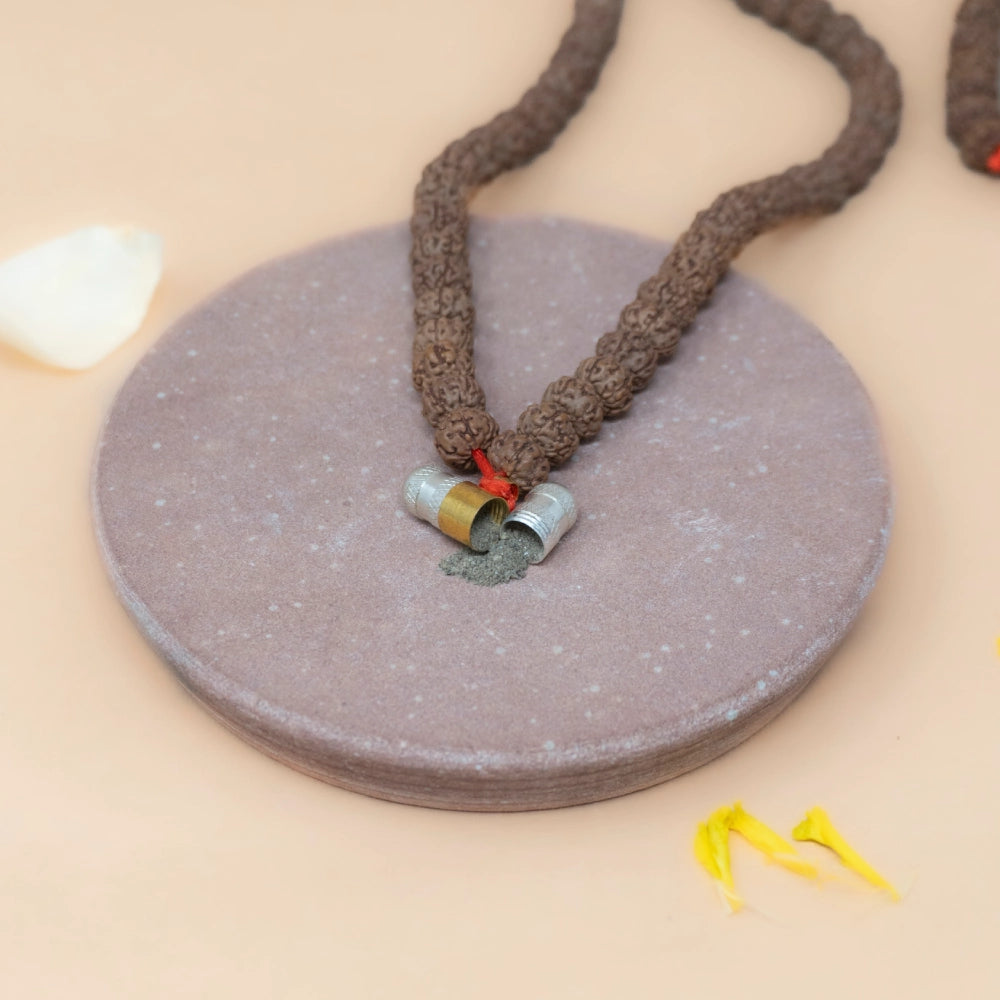
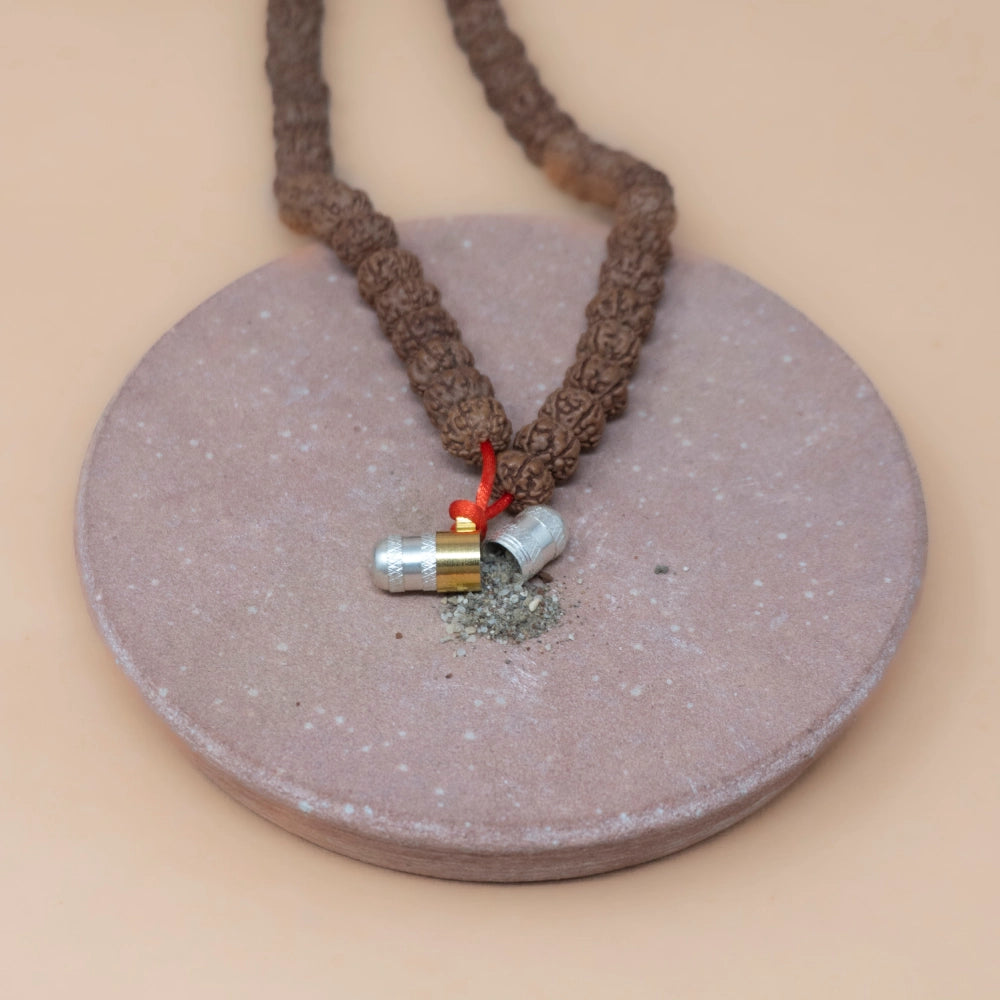
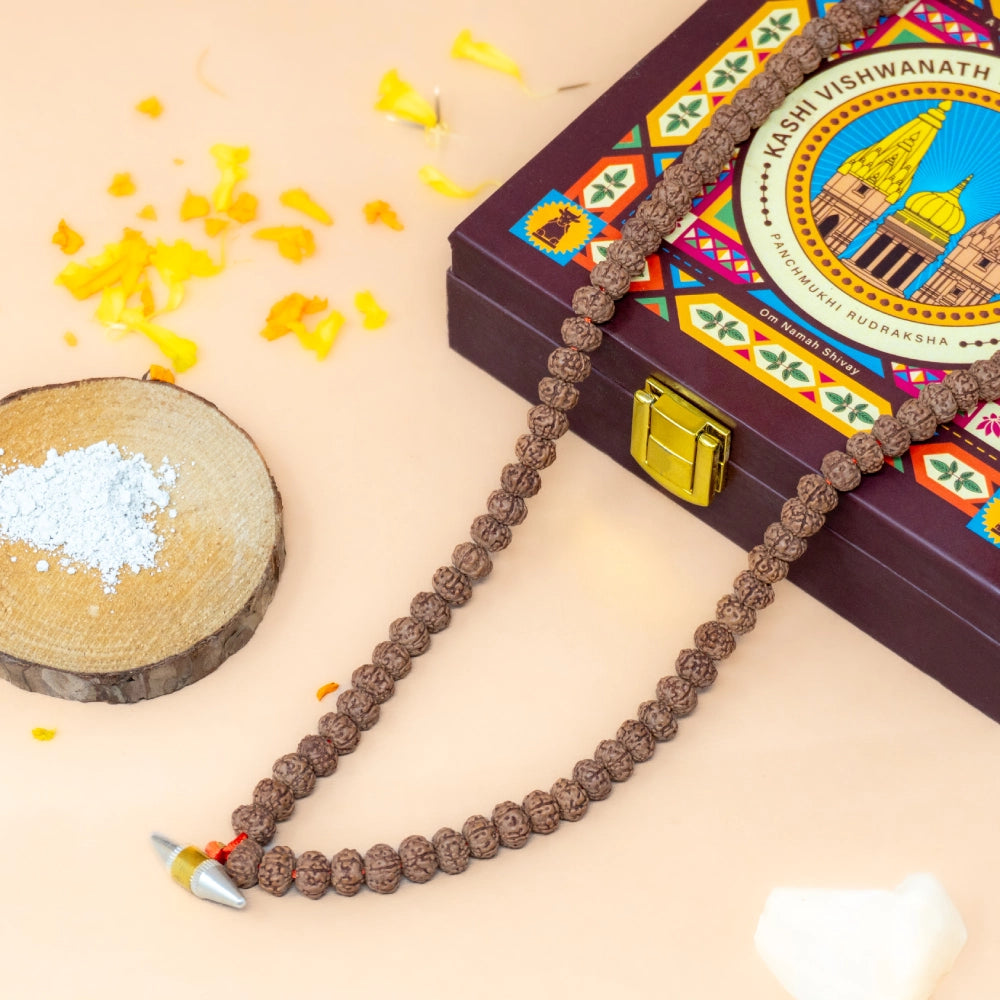
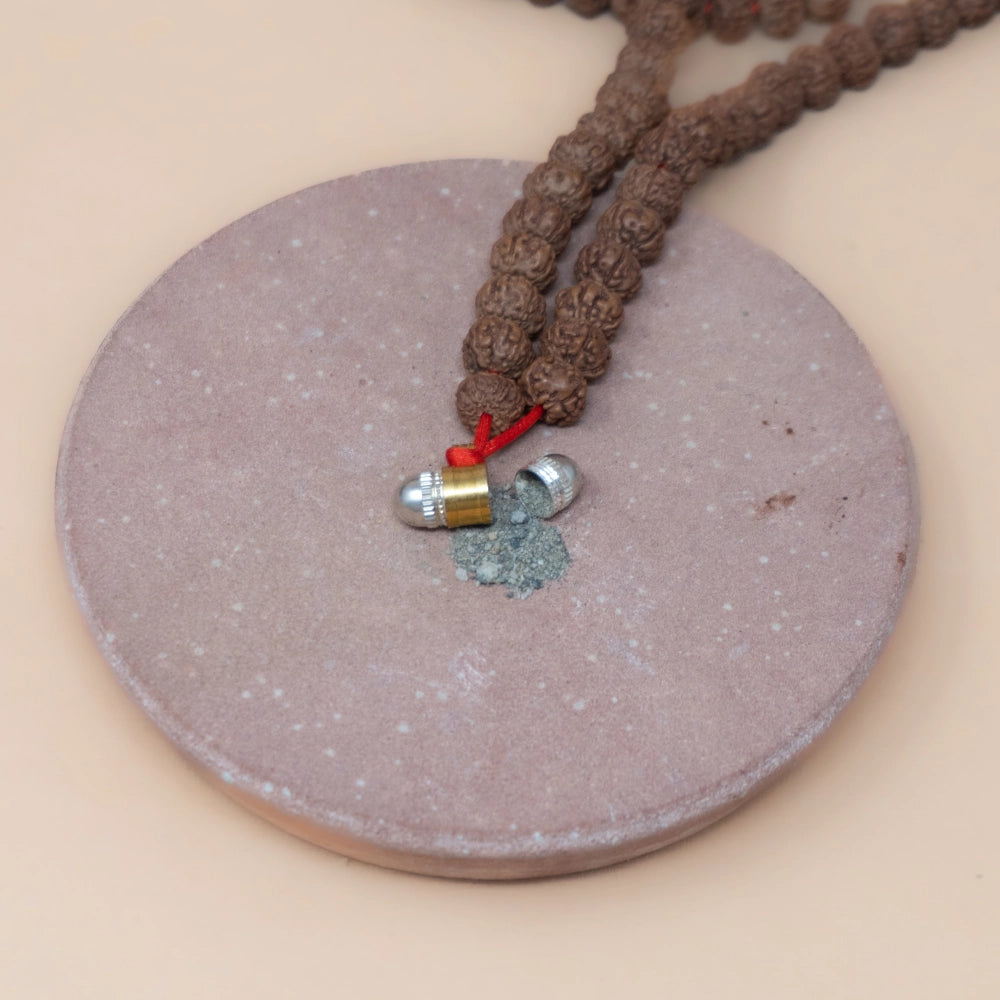
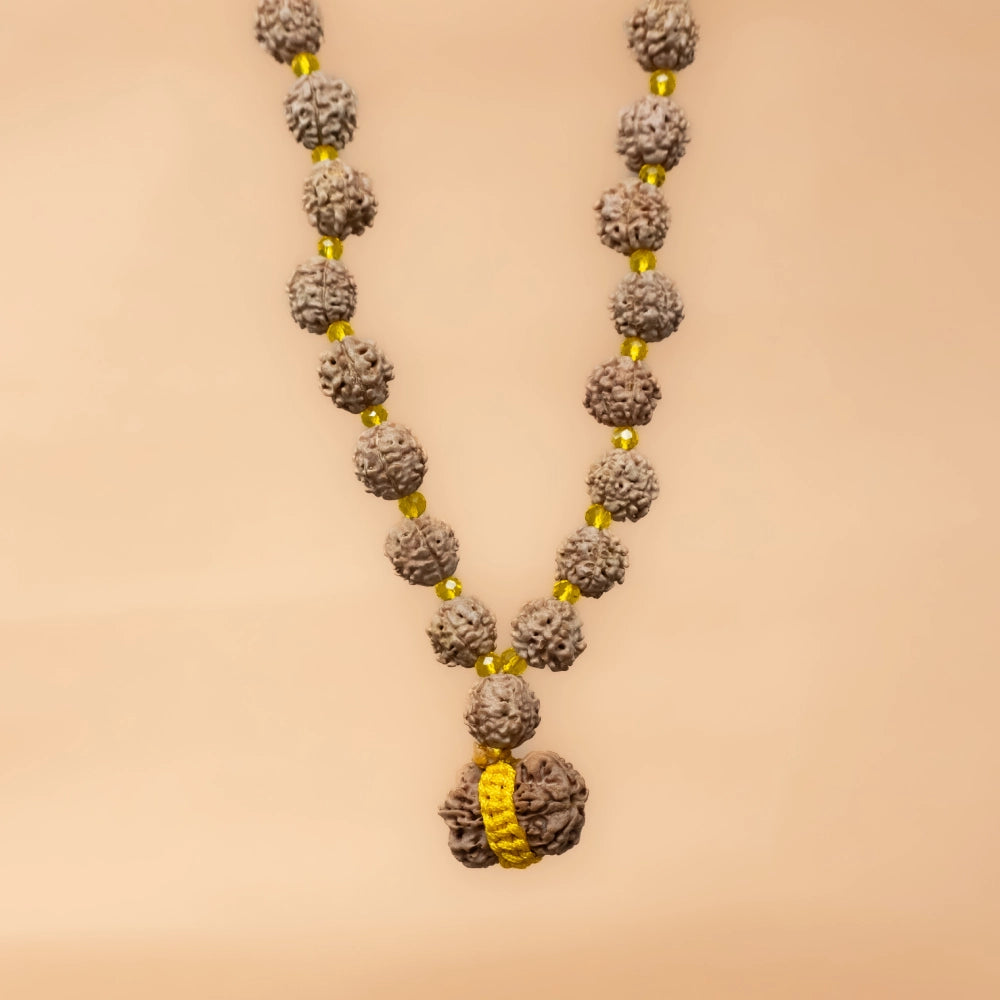
Before we move to the four sacred destinations, let’s understand what the Char Dham means. ‘Char’ is four and ‘Dham’ is the abode of the Gods. Relatively, the Char Dham Bhumi Mala can be described as a garland in which 108 panchmukhi rudraksha are beaded with an amulet that contains energised soil from all four dhams.
As the traditions follow, the Char Dham Yatra goes from the sacred river Ganga to the Badrinath Temple located on the mountains. There is a fixed order to complete the yatra: Gangotri, Yamunotri, Kedarnath, and Badrinath; moving from the west to east; leading the pilgrim forward from purification of the soul to liberation.
These Char Dhams are traditionally visited during a fixed time every year, except the monsoon for safety reasons.
The Significance of Char Dhams
1. Yamunotri Dham, Uttarakhand
Location: Near the Yamunotri Glacier, Uttarkashi district, Uttarakhand
Special Prasad: Rice cooked in the hot springs of Surya Kund, along with dry fruits
Darshan Timings: Usually 6:00 AM to 7:00 PM during the yatra season (May to October)
Aarti Timings: Morning aarti around 6:30 AM, evening aarti around 6:00 PM
Yamunotri is the first stop of the Chardham Darshan and marks the origin of the sacred Yamuna River. Devotees believe that bathing here washes away past sins and grants freedom from the fear of untimely death.
The temple is dedicated to Goddess Yamuna, and the trek to reach it through rugged mountain trails is itself considered an act of devotion. The hot springs at Surya Kund, where pilgrims cook rice as an offering, add a unique ritual dimension found nowhere else in the yatra.
It is the westernmost and first dham of the circuit, which is dedicated to Goddess Yamuna, sister of Yama. Devotees pray here for a long and peaceful life, as the Yamunotri symbolizes purification and the washing away of sin.
2. Gangotri Dham, Uttarakhand
Location: Gangotri town, near Gaumukh glacier, Uttarkashi district, Uttarakhand
Special Prasad: Panchamrit, tulsi leaves, and Ganga jal offerings
Darshan Timings: Usually 6:00 AM to 9:00 PM during the yatra season
Aarti Timings: Morning aarti around 7:00 AM, Ganga aarti in the evening around 6:30 PM
Gangotri holds the origin point of the river Ganga, considered the most sacred river in Hinduism. The temple stands close to the actual source at Gaumukh, though the icy glacier point itself requires a separate trek.
Legend holds that King Bhagirath performed intense penance here to bring the Ganga down from the heavens to liberate his ancestors. This story of persistence and devotion gives Gangotri its distinct spiritual weight.
It marks the descent of the Ganga to Earth, associated with the legend of King Bhagirath's penance. Pilgrims come here seeking spiritual cleansing, where Gangotri represents divine descent and devotion.
3. Kedarnath Dham, Uttarakhand
Location: Kedarnath, Rudraprayag district, in the Garhwal Himalayas
Special Prasad: Dry fruits, mishri, and temple prasad
Darshan Timings: Usually 6:00 AM to 7:00 PM during the season
Aarti Timings: Kapoor Aarti 6:00 AM to 6:10 AM, Chandi Aarti 6:15 AM to 6:30 AM, Swaran Aarti 6:30 AM to 6:45 AM, Shayan Aarti timing may vary
Kedarnath is unique in holding a dual identity; it is both one of the twelve Jyotirlingas and the third dham of the Chardham Yatra. Devotees believe the Pandavas came here seeking forgiveness from Lord Shiva after the Kurukshetra war. The demanding trek to the shrine is seen as part of the spiritual journey itself, not just a means to reach it.
Dedicated to Lord Shiva in his fierce, protective form, Kedarnath is linked to the penance of the Pandavas. This difficult trek is considered an act of surrender, where Kedarnath Temple embodies faith, endurance, and inner strength.
4. Badrinath Dham, Uttarakhand
Location: Badrinath town, on the banks of the Alaknanda River, Chamoli district, Uttarakhand
Special Prasad: Tulsi leaves, dry fruits, and temple sweets
Darshan Timings: Usually 4:30 AM to 1:00 PM and 4:00 PM to 9:00 PM during the season
Aarti Timings: Maha Abhishek and Aarti early morning, Shayan Aarti in the night
Badrinath is the final dham of the yatra and is dedicated to Lord Vishnu. It is one of the holiest Vaishnavite shrines in India and is also counted among the char dhams of the larger all-India pilgrimage circuit. The temple sits amid the Nar and Narayan mountain ranges, with the Neelkanth peak rising behind it. Devotees believe that a visit here grants moksha, or liberation from the cycle of birth and death.
Dedicated to Lord Vishnu in his Badrinarayan form, flanked by the Nar-Narayan mountain ranges, the Badrinath marks the completion of the Chardham circuit.
Chardham Bhumi Panchmukhi Rudraksha Mala: A Blessing of the Pilgrimage
The Chardham Bhumi Panchmukhi Rudraksha Mala weaves together the sacred four Godly abodes- Yamunotri, Gangotri, Kedarnath, and Badrinath- into a single, unbroken rudraksha mala (with an amulet containing the soil from all Char Dham regions in an amulet) as a form of devotion.
Additionally, the Chardham Bhumi Panchmukhi Rudraksha Mala is specifically important for those who are unable to undertake the Char Dham Yatra themselves. It can be due to any situation of time crunch, physical limitations, financial crunches, the demanding efforts it demands from the pilgrim, and so on. In any of these unfavourable situations, our Chardham Bhumi Mala is your companion to show light when you need it the most.
Seen on their own, Yamunotri, Gangotri, Kedarnath, and Badrinath are four separate shrines, each with its own legend and its own blessing. But the idea of the Bhumi Mala is what ties them together into something larger than the sum of its parts. This is also exactly what makes the physical Bhumi Mala so meaningful. Since it is made from the actual soil of Yamunotri, Gangotri, Kedarnath, and Badrinath, it isn't a symbolic garland, it is the garland, holding a real piece of each sacred land in a single strand.