
All Types of Rudraksha: Complete Chart With Deity, Planet, Zodiac Sign & More
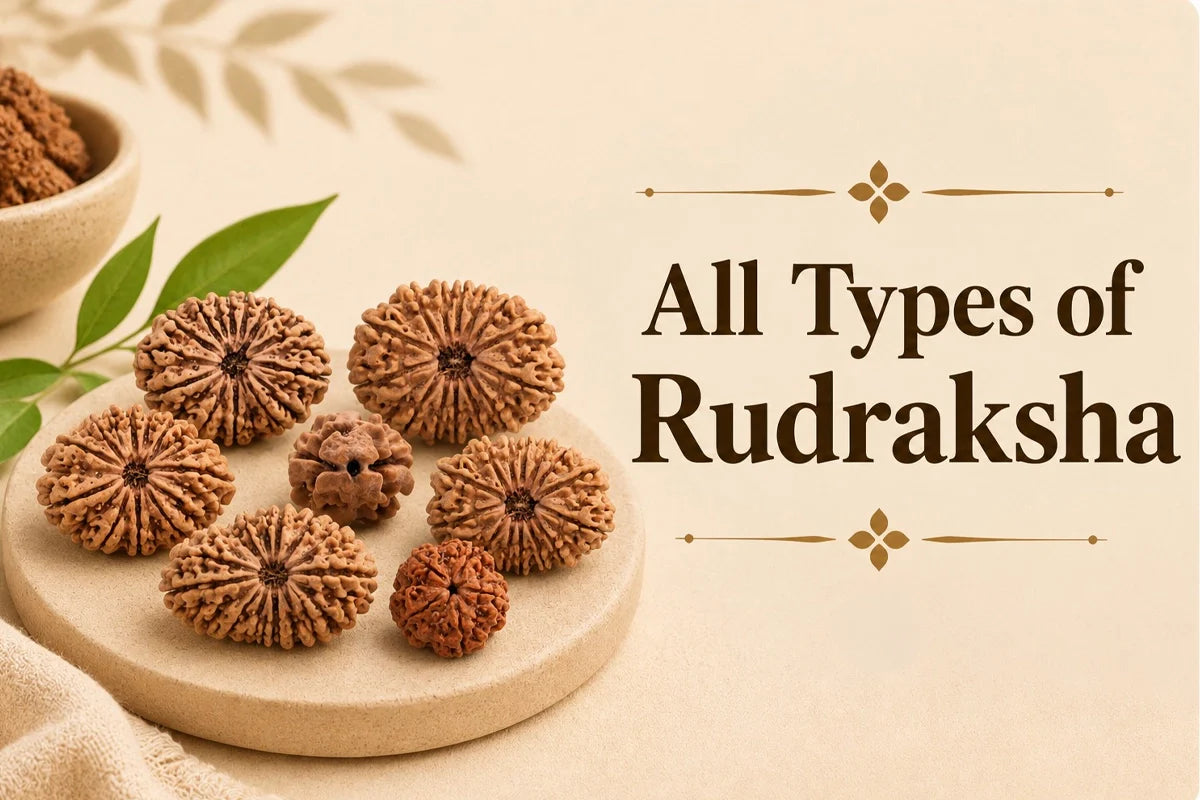
About 70% of all rudraksha beads coming from nature are five mukhi. 20% are four mukhi and six mukhi, and the remaining 10% make for lower mukhis- one, two, and three or higher mukhis like seven, eight, nine, and upwards. Rudraksha of 16 mukhi and upward are rarely found in nature.
Similarly, only a few pieces of 20 or 21 mukhi and Trijutis occur in nature each year. Gaurishankar (two beads joined naturally on the tree) is also a rare variety. Hence, buyers of such extremely rare varieties should be extra careful while procuring them. Rudraksha up to 29 mukhi have been reported from Nepal. There are higher mukhi beads in the Indonesian variety. Such beads are extremely rare to be found in nature.
In ancient texts such as the Shiva Purana, Padma Purana, Shrimad Devibhagwat, or Skanda Purana, rudraksha up to 14 mukhi are mentioned. There is no reference to those beyond 14 mukhi, possibly due to the extreme rarity of such beads. Though not covered in these texts, some rare rudraksha, such as Gaurishankar, have been very popular since ancient times as they are used by saints and priests for meditation and religious rituals.
The Rudraksha beads bring mystery, significant contributions in spiritual activities, and align the wearer with the core of divinity. This page has it all about the Mukhi, or the faces of all known Rudraksha beads; continue reading to know more.
What Does ‘Mukhi or Facet of Rudraksha Actually Mean?
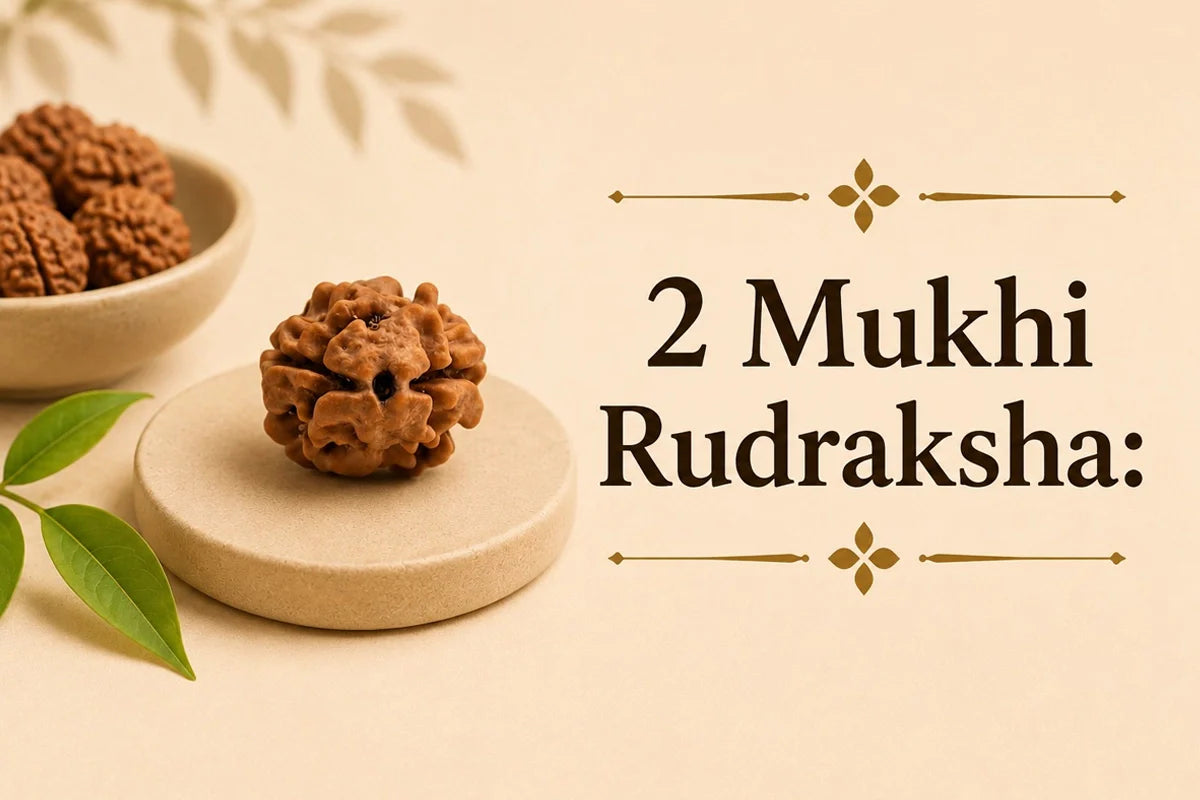
Mukhi simply means face. A Rudraksha seed grows with natural grooves on its surface, and each groove is counted as one face. So a 5 Mukhi Rudraksha has 5 natural lines, a 7 Mukhi has 7, and so on. This isn't man-made or carved; nature decides the number of faces on its own, which is why some types (like 1 Mukhi or 21 Mukhi) are extremely rare, while others (like 5 Mukhi) are common.
A mukhi is a complete dividing line running from the top of the seed to its bottom. Generally, in two, three, four, five, and six mukhi rudraksha, these dividing lines are more or less equally spaced (there could be exceptions). In the higher mukhis, the mukh may be spaced unequally, although the better-looking ones are those with nearly equal surface distribution. Mostly, the lines or mukh are on the raised mountain portion of the rudraksha body and not on the ridges. This is an important point to remember while identifying genuine rudraksha from fake ones.
This feature makes it slightly difficult for people to manipulate the beads by creating extra lines. It is a matter of wit between nature and man's greed. Some unscrupulous people cleverly study the free space availability and shape before creating the extra line, and this makes it difficult for an ordinary customer to identify the bead. People insert a full section of rudraksha with multiple mukhi into another rudraksha with counter space to create a higher mukhi bead. This is usually done for 12 and higher mukhi beads. An expert can discover the manipulation by just looking at such a rudraksha.
The Internal Structure of Rudraksha
Rudraksha seeds differ in structure according to their sources. Nepal and Indonesian beads (E. ganitrus Roxb.) have one compartment for each mukhi in the vertical segment. Each compartment may contain a seed, which is brown or blackish in colour on the outside and off-white/white on the inside.
The number of compartments (clefts) in a rudraksha should be equal to the number of its mukhs. A seven mukhi will have seven compartments, and a 12 mukhi will have twelve compartments. The same goes for one mukhi, two mukhi and other faceted beads.
The rudraksha bead has a top portion from where the lines (mukh) originate, called Brahma. The middle portion with the largest diameter is known as Vishnu, and the bottom portion where the lines end is Shiva.
Types of Rudraksha, Their Ruling Planets, Deities & Benefits
Wearing rudraksha is beneficial to the nervous system, bringing calmness and peace of mind. It can help control blood pressure and consequently paves the way for mental stability and removal of stress. It can help one retain a healthy body and a calm mind. Read more aspects ahead:
|
Type of Rudraksha |
Ruling Deity |
Ruling Planet |
Related Zodiac |
Beej Mantra |
|
1 mukhi |
Lord Shiva |
Sun |
Leo |
Om Hreem Namah |
|
2 mukhi |
Ardhanarishwar |
Moon |
Cancer |
Om Namah |
|
3 mukhi |
Agni (Fire) |
Mars |
Aries, Scorpio |
Om Kleem Namah |
|
4 mukhi |
Brahma |
Mercury |
Gemini, Virgo |
Om Hreem Namah |
|
5 mukhi |
Kalagni Rudra |
Jupiter |
Sagittarius, Pisces |
Om Hreem Namah |
|
6 mukhi |
Kartikeya & Ganesha |
Venus |
Taurus, Libra |
Om Hreem Hum Namah |
|
7 mukhi |
Lakshmi, Saptrishis, Saptmatrikas, Ananga, Ananta, Mahasena |
Saturn |
Capricorn, Aquarius |
Om Hum Namah |
|
8 mukhi |
Mahasena, Ganesha, Ashtamatrikas, Vasu, Batuk Bhairava |
Rahu |
Rahu is not the lord of any zodiac |
Om Hum Namah |
|
9 mukhi |
Bhairava, Nav Durga, Yamadeva |
Ketu |
Ketu is not the lord of any zodiac |
Om Hreem Hum Namah |
|
10 mukhi |
Vishnu, Dashadigpal, Yamraj, Mahasena, Dasha-Mahavidya |
Navagraha |
All Rashis |
Om Hreem Namah Namah |
|
11 mukhi |
Ekadashi Rudra (Hanuman), Indra |
All Planets (mainly Mars) |
All Rashis |
Om Hreem Hum Namah |
|
12 mukhi |
Sun (12 Adityas), Vishnu |
Sun |
Leo |
Om Kroam Kshoam Roam Namah |
|
13 mukhi |
Lord Kamadeva, Lord Indra and Goddess Mahalakshmi |
Venus, Mercury |
Taurus, Libra |
Om Hreem Namah |
|
14 mukhi |
Lord Shiva, Lord Hanuman |
Saturn |
Capricorn, Aquarius |
Om Namah |
|
15 mukhi |
Pashupatinath Shiva |
Mercury |
Gemini, Virgo, Sagittarius, Pisces |
Om Haim Sum Hreem Aim Om |
|
16 mukhi |
Mahamrityunjay Shiva |
Moon |
Cancer |
Om Vaam Kram Taam Hlaam Aim Shreem |
|
17 mukhi |
Lord Vishwakarma, Katyayani Devi |
Saturn |
Capricorn, Aquarius |
Om Hlaam Kraam Kshaun Swaha |
|
18 mukhi |
Bhumi |
Mars |
Aries, Scorpio |
Om Hleem Shreem Kleem Saum Aim Hreem |
|
19 mukhi |
Lord Vishnu, Goddess Lakshmi, and Seshnaag |
Mercury |
Leo |
Om Hum Sum Aim Hreem Shreem |
|
20 mukhi |
Lord Brahma |
Moon |
Cancer |
Om Gyam Gyeem Lum Um Aim |
|
21 mukhi |
Lord Kuber |
Venus, Navagraha |
All Rashis |
Om Heem Heem Heem Shreem Shreem Shreem Aim |
NOTE: For best results, rudraksha should be worn over the chest in proper numbers. Rare and expensive rudraksha can be worn along with affordably available rudraksha.
Different Rudraksha beads carry unique energies that are suitable for resolving certain problems and challenges of your life. From stress and anxiety to career growth and relationship harmony, choosing the right rudraksha bead for yourself will guide your intent and help align your mind, body, and soul with the divine. Stay updated for a full guide.