
5 Mukhi Rudraksha: Ruling Deity, Planet, Elements, Spiritual Significance & More
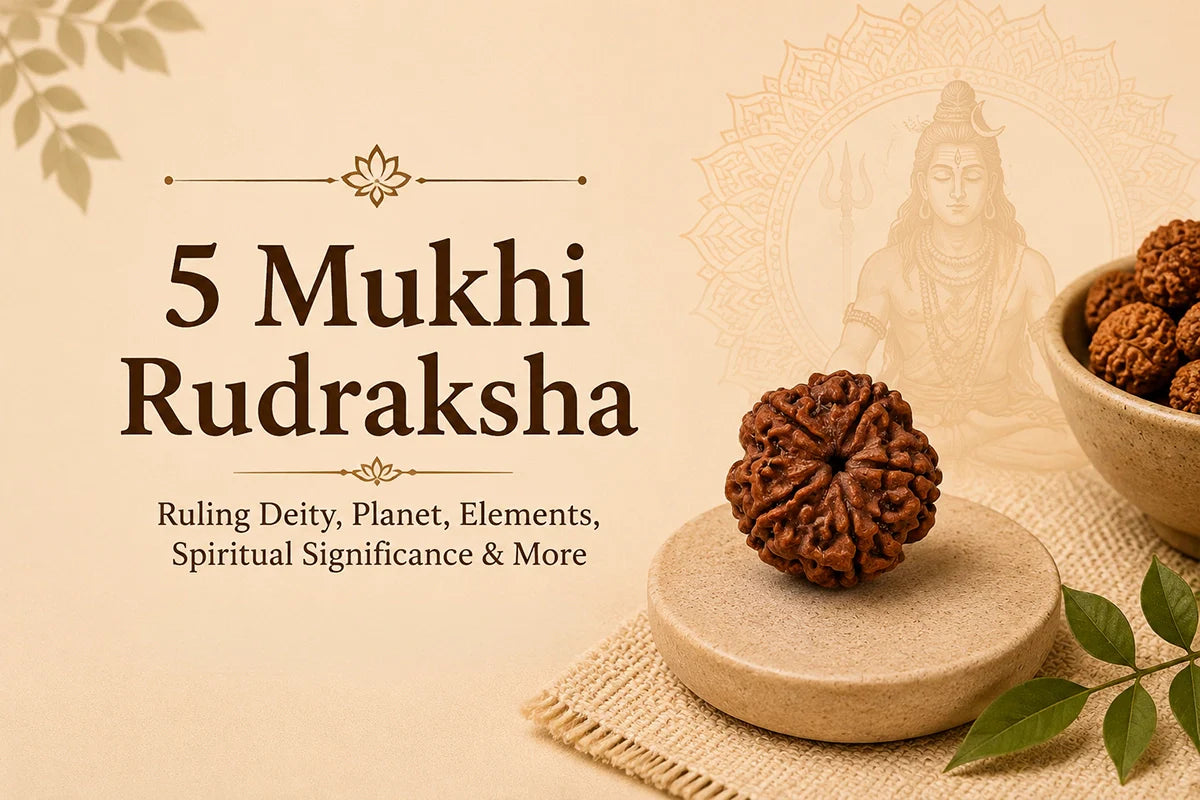
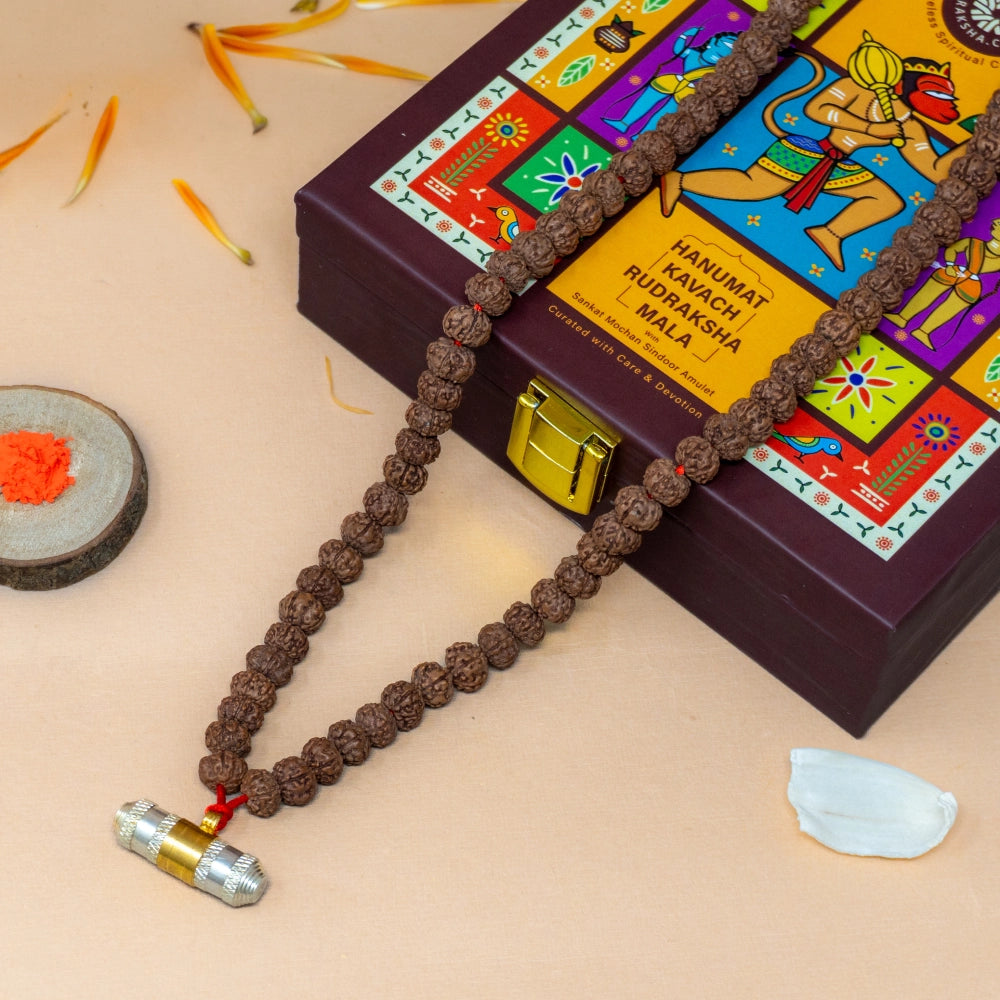
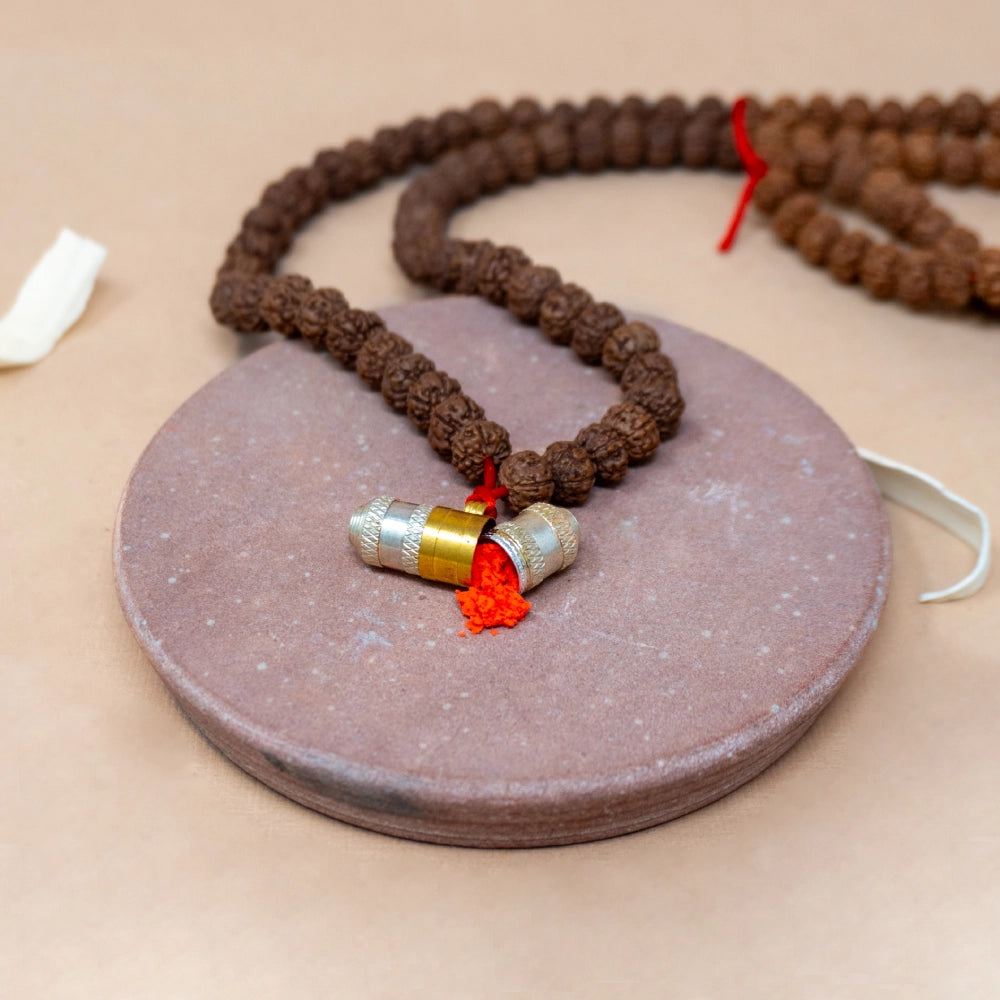
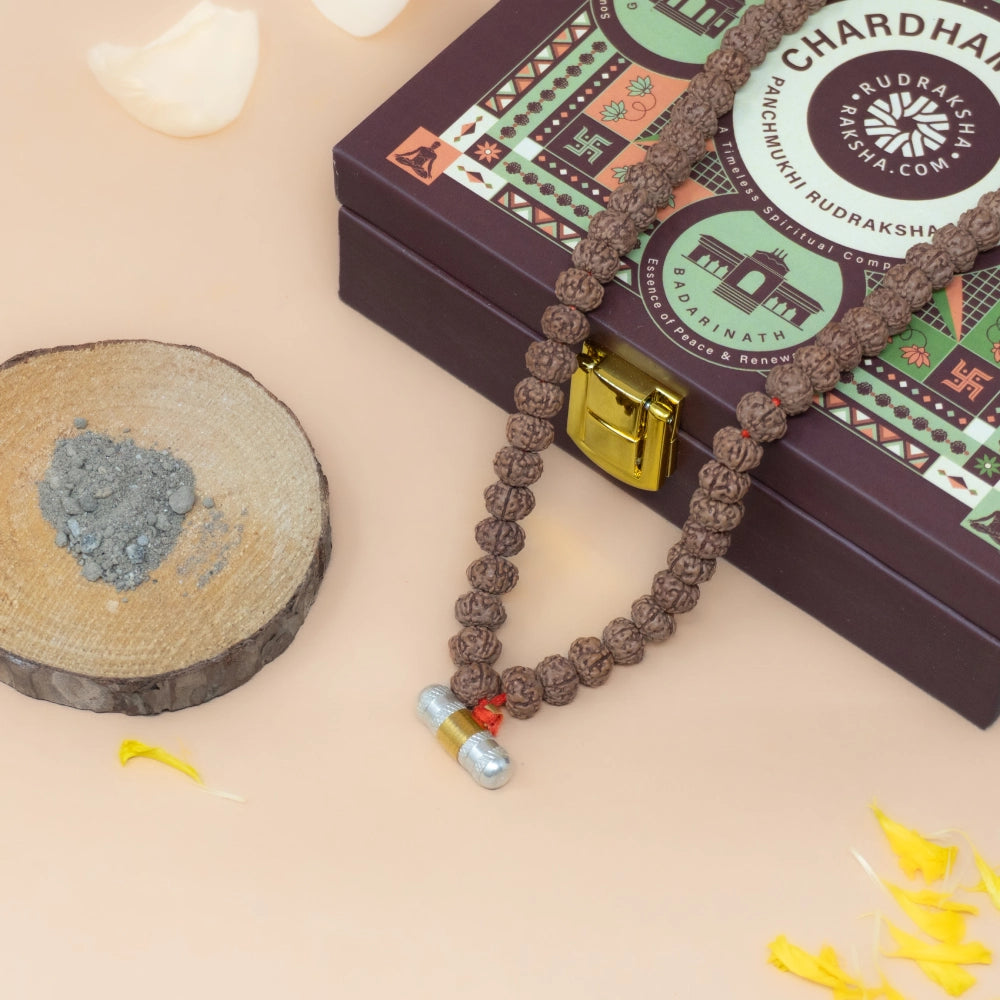
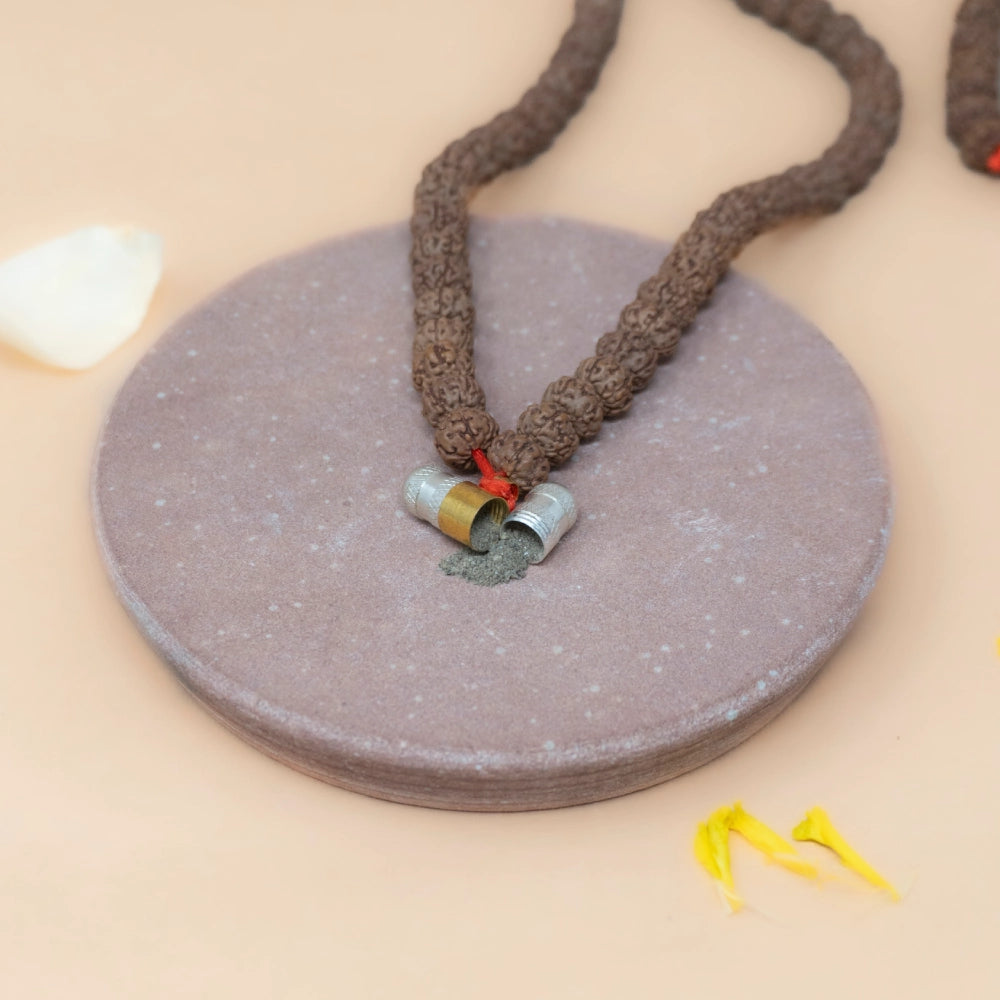
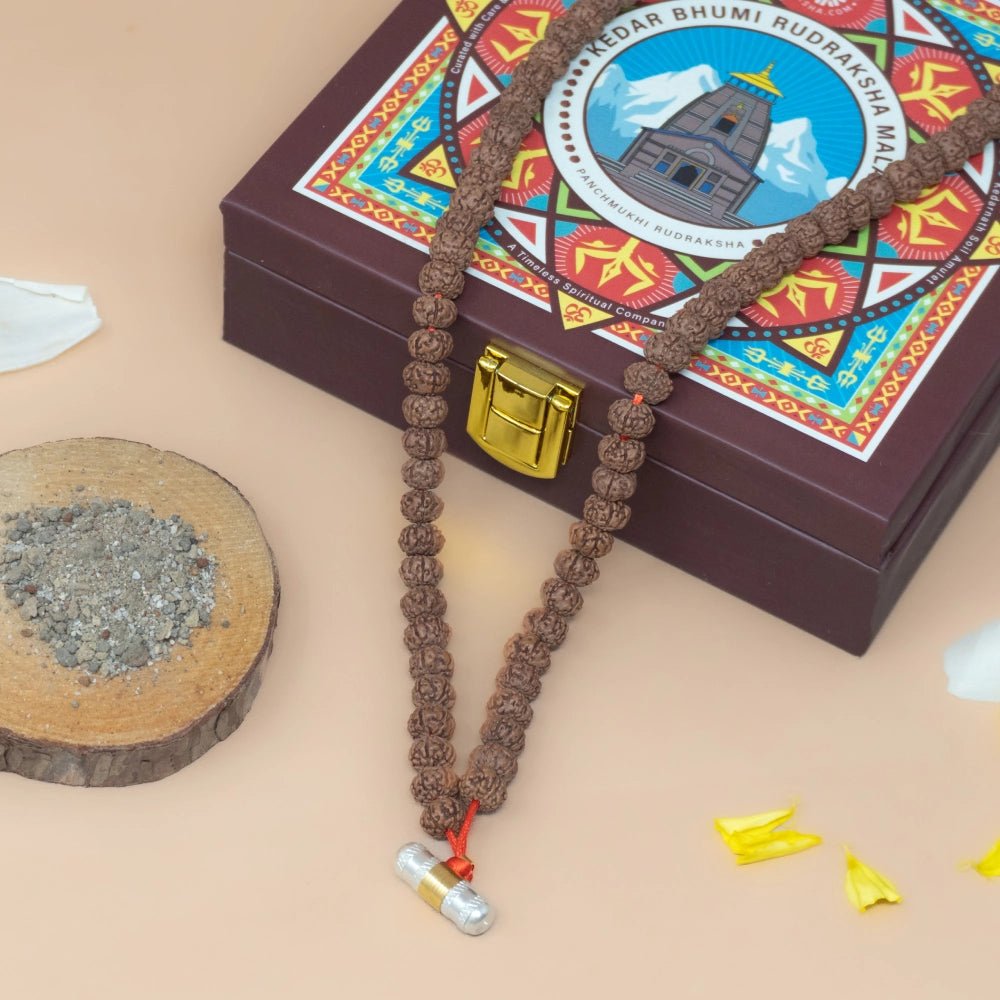
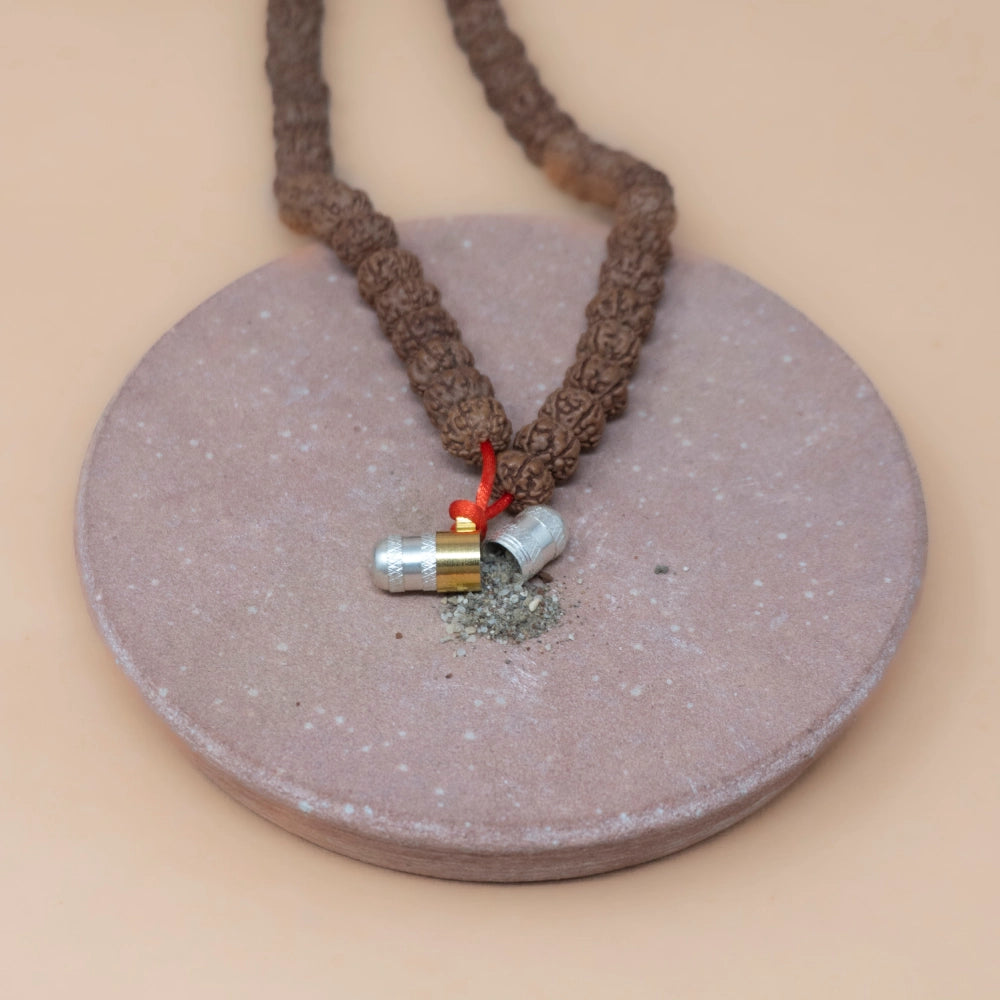
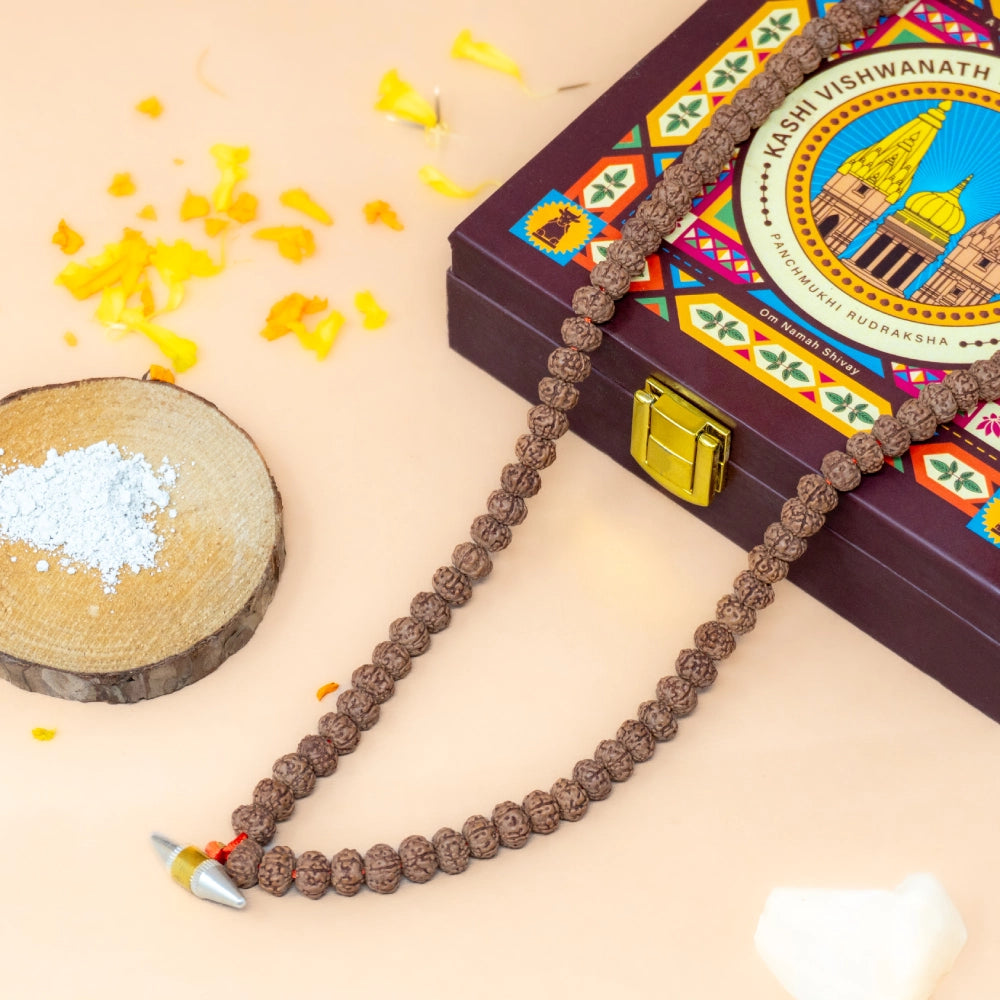
The five mukhi rudraksha is the most common yet one of the most powerful rudraksha beads. It constitutes about 60-70% of total rudraksha production all around the world. This is the reason the five-faced Rudraksha ends up on more wrists and more altars than any other bead in the Rudraksha family. Not about marketing it on a vast level or its rarity. But Shiva himself removed every gate that usually guards sacred Rudraksha beads- no age limit, no gender restriction, no caste, no gotra; anyone can wear it to align spiritually with the divine. Some texts go as far as saying even animals can wear it. If you've ever wondered why the 5 Mukhi Rudraksha feels less like a spiritual product and more like a sacred source of the divine himself, this is where that answer starts.
Furthermore, the Panchmukhi Rudraksha is blessed by Lord Shiva himself in the form of Kalagni Rudra. Wearing this rudraksha removes various sins committed through forbidden acts. In the Padma Purana, it is said that wearing the five mukhi rudraksha is most important for all as it is blessed by Vamadeva (Shiva). A wearer is honoured by the Gods themselves for a long period. This rudraksha is like Devaguru (Guru of the Devas) as it is controlled by the planet Vrihaspati (Jupiter). In the Shrimad Devibhagwat, it is said-
Panchvaktraha swayam rudraha kalagnirnamatah
Agamyagamanam chauva tatha chabhayabhakshanam
muchyate naatra sandeham panchvaktraha dharanaat
Meaning: The five-faced Rudraksha is Rudra himself, known by the name Kalagni. By wearing this five-faced Rudraksha, one is freed, without any doubt, from the sin of forbidden intimacy and the sin of eating forbidden food.
The five forms of Lord Shiva-Sadyojaat, Ishaan, Tatpurush, Aghora and Vamadeva-live in the five mukhi rudraksha. Some also describe this rudraksha as Rudra-Kalagni. For reference:
सद्योजातः ईशानः तत्पुरुषः अघोरः वामदेवश्च। पञ्चदेवाः वसन्त्येते पञ्चमुखे रुद्राक्षे॥
(पद्मपुराणम्, सृष्टि खण्ड, अध्याय ५९, श्लोक १६०)
"Sadyojata, Ishana, Tatpurusha, Aghora, and Vamadeva, these five deities reside in the five-faced Rudraksha. This is why it is found in the greatest abundance on this earth."
|
Face |
Direction |
Function |
Element |
|---|---|---|---|
|
सद्योजात (Sadyojata) |
West |
Creation, purity |
Earth |
|
वामदेव (Vamadeva) |
North |
Preservation, grace |
Water |
|
अघोर (Aghora) |
South |
Dissolution, fearlessness |
Fire |
|
तत्पुरुष (Tatpurusha) |
East |
Concealment, detachment |
Air |
|
ईशान (Ishana) |
Upward |
Grace, omniscience |
Ether |
Benefits of Wearing Panchmukhi Rudraksha
Wearing the five-faced Rudraksha brings several mental, physical, spiritual, religious, and emotional benefits; some of these are mentioned below:
-
It removes the sins committed under forbidden laws in case of eating or in one's intimate life.
-
It brings fame and mental peace.
-
About its medicinal values, it is widely used to control blood pressure and diabetes.
-
It is also used for diseases of the ears, thighs, and kidneys.
-
It is believed that by wearing three large five mukhi beads, one can avoid accidental death.
Who should wear it?
Any person can wear this rudraksha in specified numbers. Those who wish to have first-hand experience of the rudraksha's efficacy should wear a necklace of rudraksha beads (7 to 10 mm in diameter, which are usually available at a low cost) or three large five mukhi rudrakshas. Beads smaller than 7 mm are mostly ornamental in nature.
Panchmukhi Rudraksha Water Therapy (Jal Chikitsa)
Three beads of raw (untreated with colour or oil) five-mukhi rudraksha are used by several families in India for water therapy, wherein these beads are soaked in water overnight and stored preferably in a copper vessel. The soaking time should not be less than eight hours. This water should be taken daily, preferably on an empty stomach, for controlling blood pressure, diabetes, and stomach disorders, or even as a general health guard against all diseases. The beads should be taken out of the water every day, air-dried for an hour or so, and then used again.
There are divergent views on how long these beads will be effective when used in water therapy-one month, a year or more.
Experience has shown it to be effective for up to one year. Thereafter, the beads should be replaced. In fact, all medical, non-clinical or clinical trials have been conducted using five mukhi rudraksha, as these are available easily.
Panchmukhi Rudraksha: Ruling Planet, Deity, Nakshatra, Associated Chakra & More
Here’s a table showing the elements and ruling aspects of the 5 mukhi rudraksha for a clear picture:
|
Other Names |
Panchmukhi Rudraksha, Five-Faced Rudraksha, Panchavaktra Rudraksha |
|
Ruling Deity |
Kalagni Rudra (the fierce, purifying form of Shiva) |
|
Ruling Planet |
Brihaspati (Jupiter) |
|
Beeja Mantra |
ॐ ह्रीं नमः (Shiva Mahapu rana) / ॐ नमः शिवाय (Panchakshara) |
|
Associated Chakra |
Vishuddha (Throat Chakra) |
|
Favourable Day to Wear |
Monday (Somvar), Thursday (Brihaspativar) |
|
Origin |
Nepal (Himalayan belt), India (Uttarakhand, Assam), Indonesia (Java, Bali) |
|
Associated Nakshatras |
Punarvasu, Vishakha, Purva Bhadrapada (Jupiter-ruled) |
Spiritual Significance of Panchmukhi Rudraksha
The number ‘5’ or ‘five’ in the Panchmukhi Rudraksha is not incidental; it’s an instinct of sacred, spiritual, and divine alignment with Shiva. Panchmukhi beads of Rudraksha also resembles the Panch Tattva (earth, water, fire, air, and space), said to have constructed the physical world entirely. Ultimately, it becomes the compressed map of the universal creation and is worn traditionally in Hinduism.
The elements of Panchmukhi Rudraksha beads are also lined up with the Panchavaktra Shiva, Shiva's five-faced cosmic form known as the Agamas: Sadyojata (earth), Vamadeva (water), Aghora (fire), Tatpurusha (air), and Ishana (space). Each of Shiva’s faces carry their own seed sound, and together those five sounds form the Panchakshara; Na Ma Shi Va Ya, which is where the ‘Om Namah Shivaya’ exactly comes from.
Moreover, three of the ancient Hindu scriptures provide expertise on the traditional and spiritual significance of the 5 mukhi rudraksha beads.
In the Shiva Mahapurana, it’s called Rudra in physical form. The Padma Purana names the five deities residing in its five faces. And the Devi Bhagavatam elaborates it as an embodiment of the Panch Brahma, or the five aspects of Shiva.
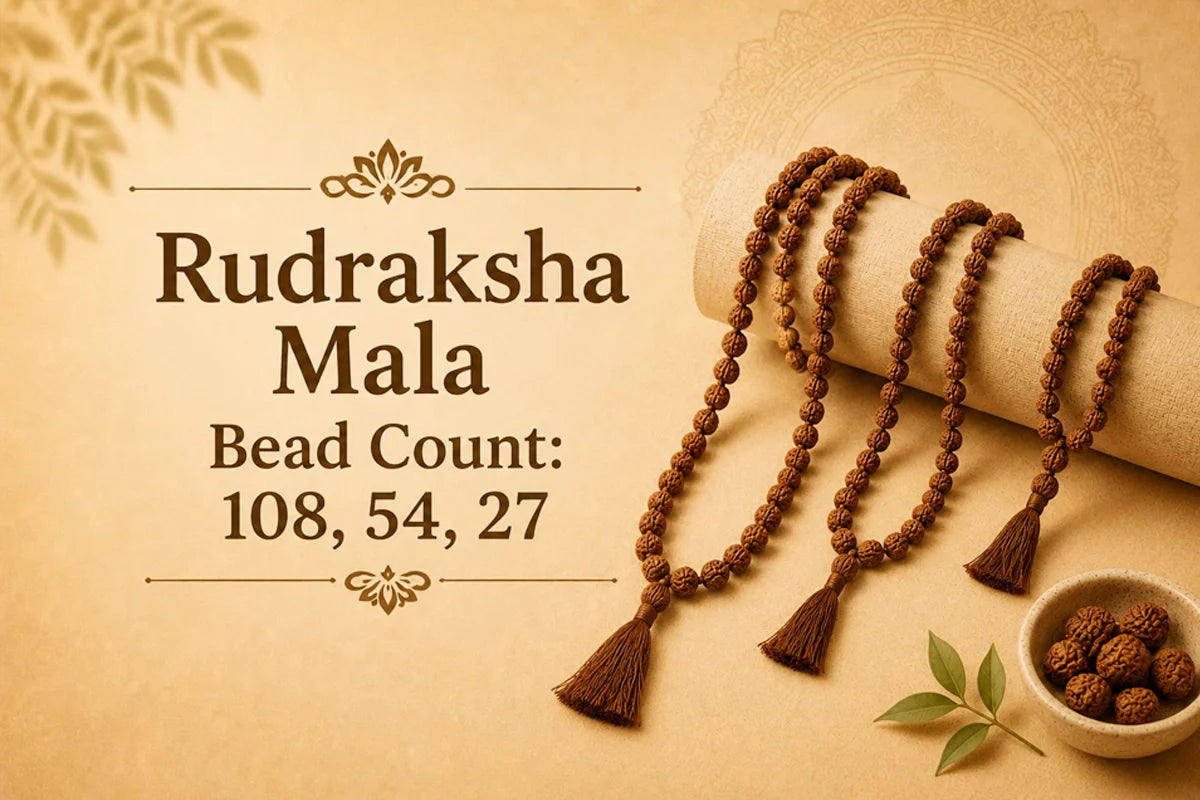
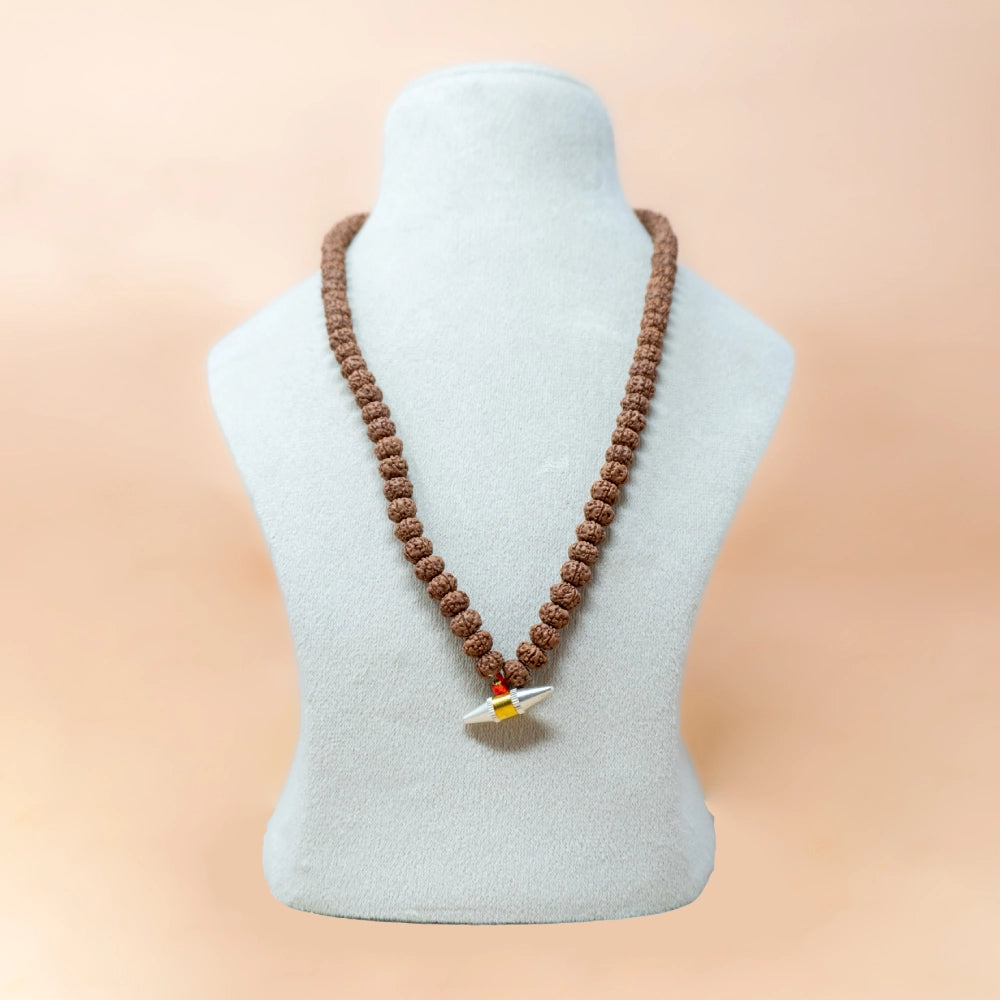
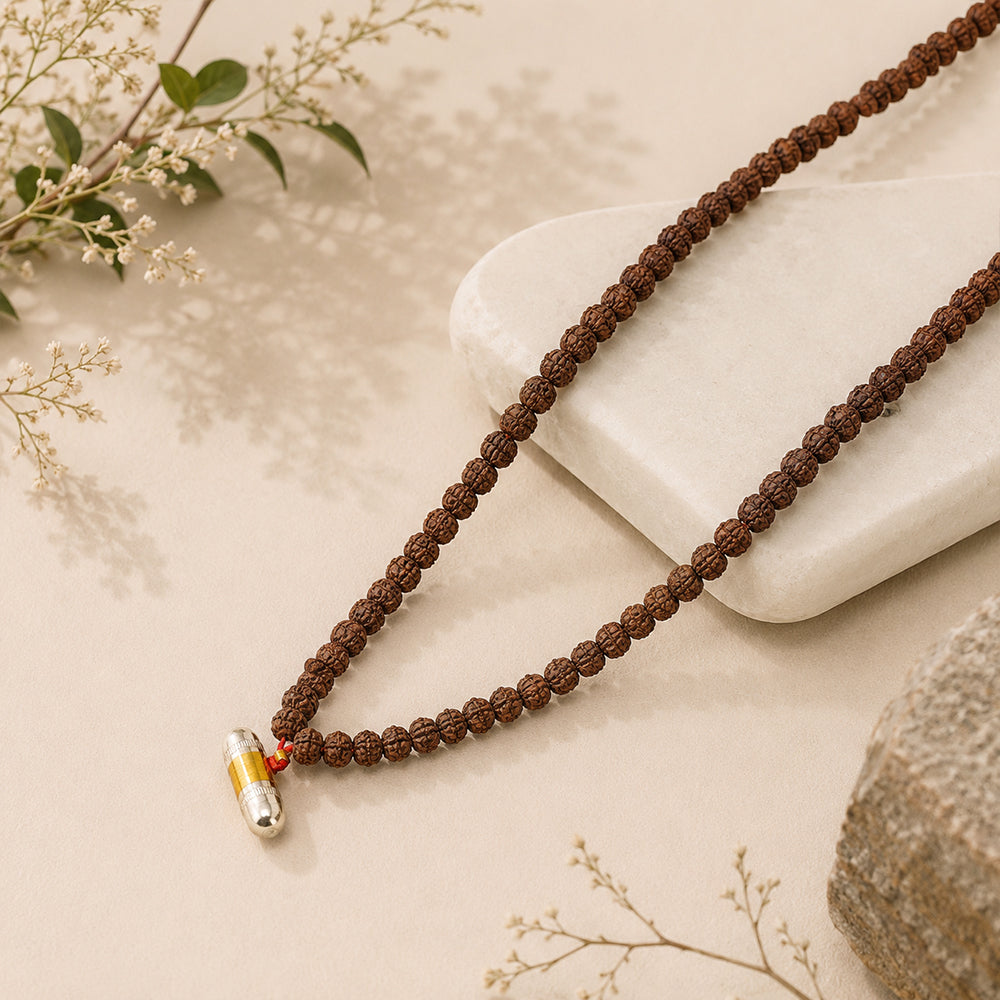
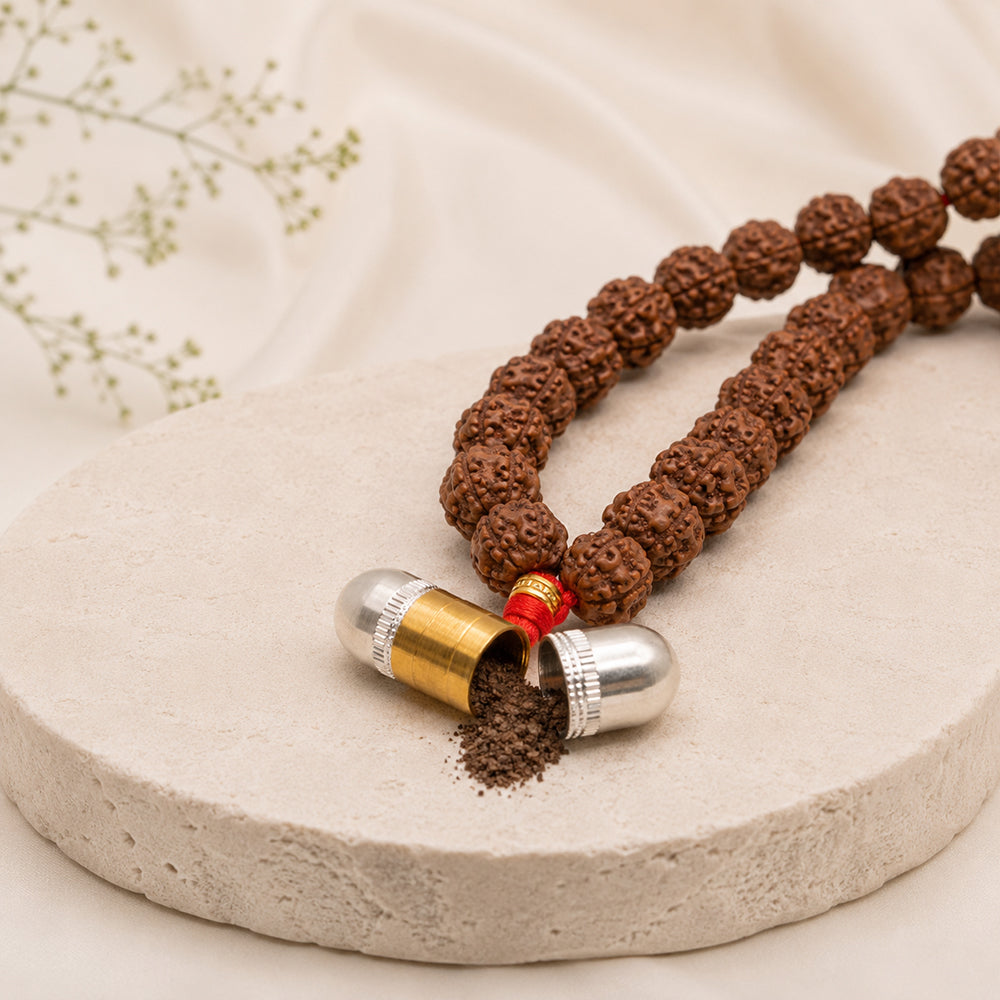
Also, not so many people know that if you don’t have any temple or Shivling at home, keeping a 54 or 108 beaded Panchmukhi Rudraksha holds equal importance.
Signs of a Fake Panch Mukhi Rudraksha
You might be wondering how to identify the red flags of a Panch Mukhi Rudraksha. Here they are:
-
Suspiciously low price for a Nepal-origin bead
-
Perfectly smooth, uniform surface (artificially polished)
-
Mukhi lines that appear carved or painted rather than naturally formed
-
Hollow inside or single compartment (it would be visible if the bead is broken)
-
No certificate of authentication from the seller, etc.
Moreover, Shiva in Mahadeva form brings benefits to mankind. He has three eyes on each face except the one facing north. He has thick locks of hair and a crescent moon over his head. The fifth face points upwards towards spiritual progress. Creation, preservation, destruction, detachment, and obligation are the five deeds we see in everyday life, and the five mukhi rudraksha symbolises these deeds.
The Panchakshari Mantra Namah Shivaya evolved from this five-faced form of Lord Shiva, and the Pranava Om came as a companion. Therefore, the five mukhi rudraksha assumes importance in any sadhana or meditation.